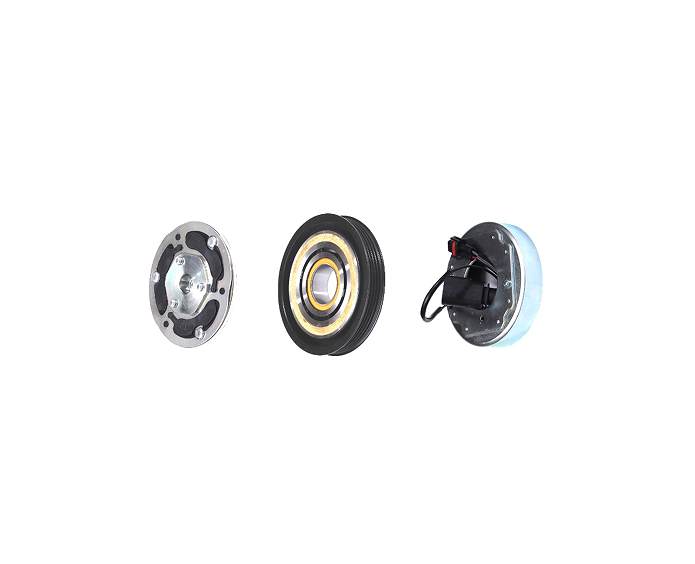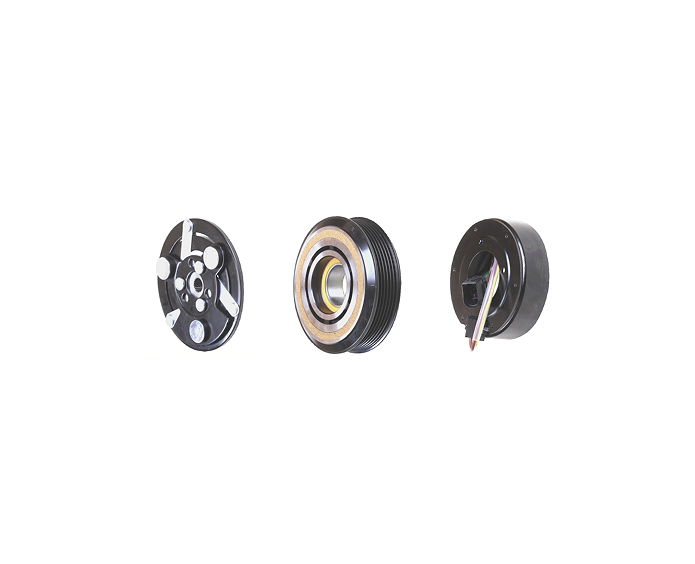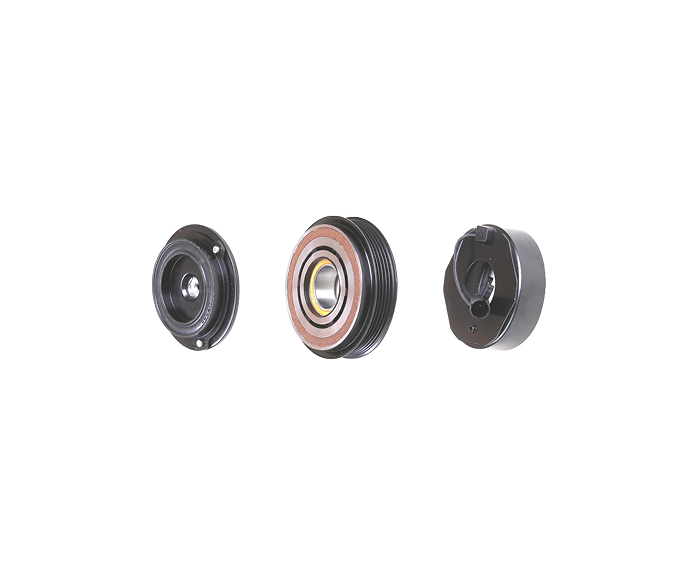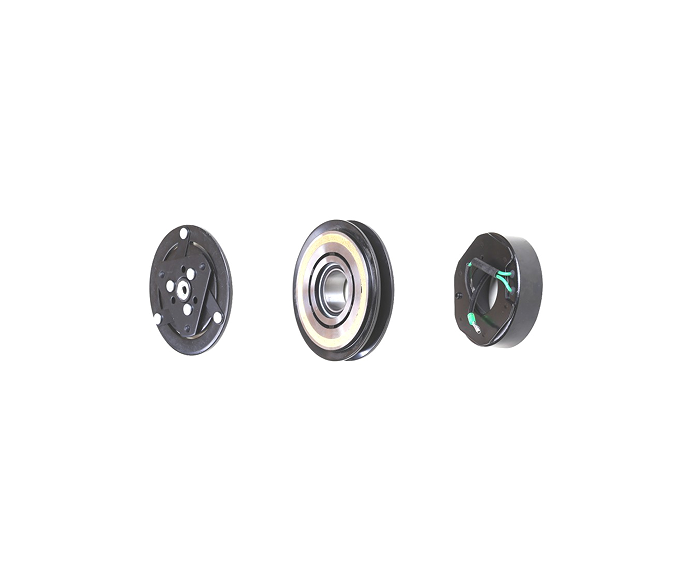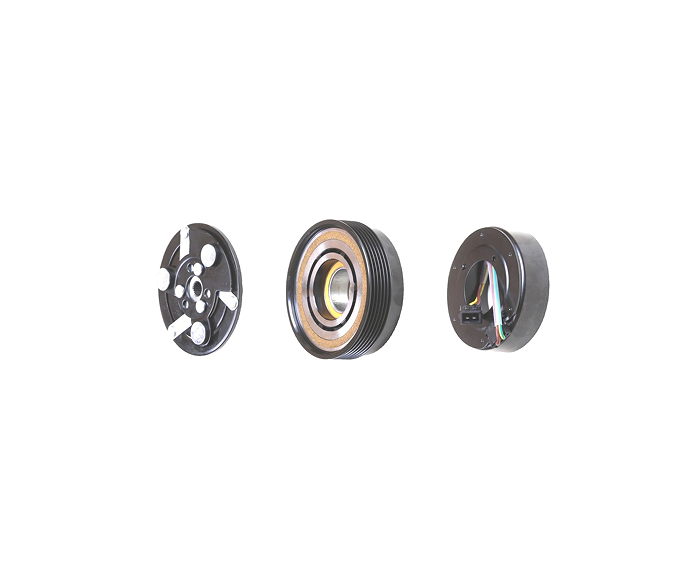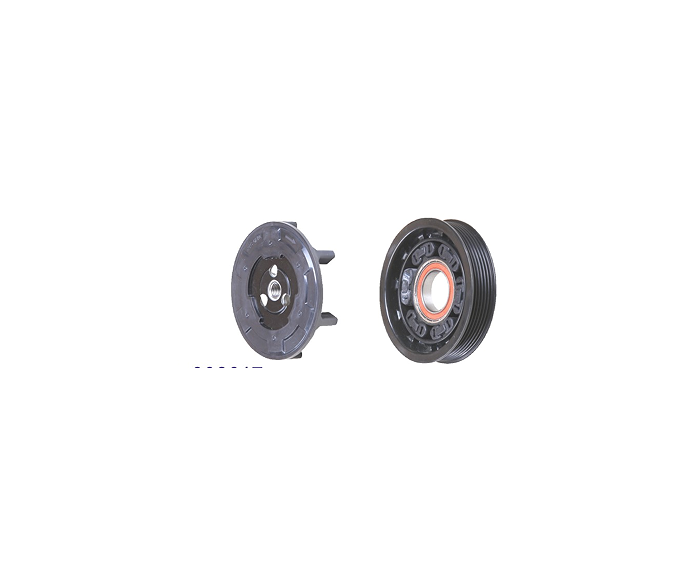

Many vehicle owners assume that all air conditioning systems operate similarly. In reality, compressor design plays a decisive role in cooling efficiency, energy consumption, and system durability.
The compressor is the heart of the AC system—but the engagement and disengagement process is controlled by the automotive air conditioner clutch in belt-driven systems. Selecting the right compressor type directly impacts how that clutch functions and how efficiently cooling is delivered.
Modern vehicles require precision cooling control, reduced parasitic load, and improved fuel economy. Understanding compressor types is essential for OEM designers, fleet operators, and aftermarket buyers.
Reciprocating (Piston) Compressors
Reciprocating compressors are among the earliest designs used in automotive air conditioning.
Key characteristics:
- Piston-driven compression mechanism
- Fixed displacement structure
- Durable and mechanically robust
- Suitable for commercial vehicles and heavy-duty applications
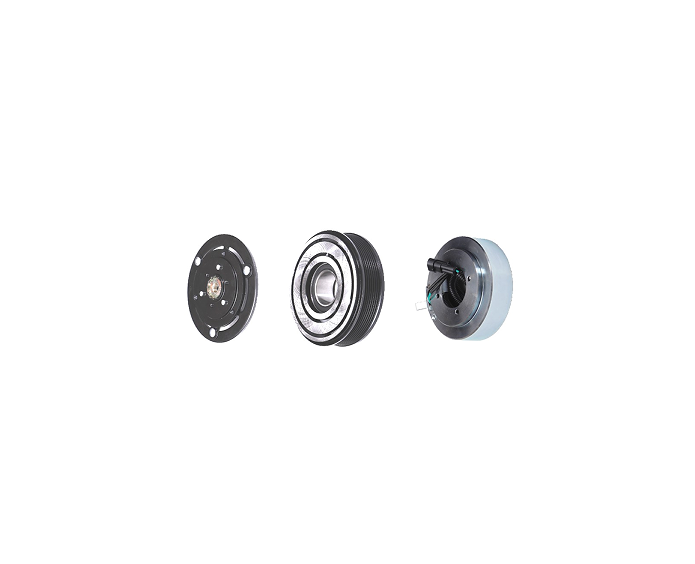
These systems commonly rely on a traditional automotive air conditioner clutch to control compressor engagement. When the clutch activates, the piston assembly begins compressing refrigerant.
Advantages include simplicity and reliability. However, fixed displacement designs may consume more engine power compared to variable systems.
Typical applications:
- Trucks
- Older passenger vehicles
- Industrial utility vehicles
Rotary (Vane) Compressors
Rotary compressors use rotating vanes within a cylindrical housing to compress refrigerant.
Advantages:
- Compact design
- Smooth operation
- Lower vibration compared to piston types
- Suitable for mid-size vehicles
In rotary systems, the automotive air conditioner clutch ensures controlled torque transfer to the rotating assembly. Engagement stability is important to avoid vibration or noise.
These compressors are widely used in compact and mid-range passenger cars.
Scroll Compressors
Scroll compressors use two interleaved spiral elements—one fixed, one orbiting.
Performance features:
- High efficiency
- Low noise
- Continuous compression flow
- Reduced mechanical wear
Scroll systems are increasingly used in modern vehicles due to improved efficiency.
In belt-driven configurations, a precision-engineered automotive air conditioner clutch enables smooth activation without shock loading.
Applications:
- Premium sedans
- SUVs
- Hybrid vehicles
Scroll compressors typically offer better fuel efficiency compared to fixed piston systems.
Variable Displacement Compressors
Variable displacement compressors adjust output based on cooling demand.
Instead of repeatedly engaging and disengaging the clutch, these systems regulate refrigerant flow internally.
Key advantages:
- Improved fuel economy
- Stable cabin temperature
- Reduced cycling stress
Some configurations still incorporate an automotive air conditioner clutch for system startup control or protection, while others use internal control valves.
These compressors are common in:
- Modern fuel-efficient vehicles
- Vehicles with climate control automation
- Emission-regulated markets
Variable systems reduce wear on clutch assemblies by minimizing frequent engagement cycles.
Electric Compressors in Hybrid and EV Platforms
In hybrid and electric vehicles, compressors are electrically driven.
Characteristics include:
- No belt connection
- No traditional clutch engagement
- Independent motor drive
- High-voltage operation
Because these systems operate independently of engine belts, they do not use a conventional automotive air conditioner clutch. However, understanding clutch-based systems remains essential for conventional internal combustion vehicles, which still dominate many global markets.
Electric compressors offer:
- Improved energy control
- Consistent cooling at idle
- Integration with battery thermal management systems
Matching Compressor Type with Vehicle Application
Selecting the right compressor depends on multiple factors:
| Vehicle Type | Recommended Compressor | Control Method |
|---|---|---|
| Commercial Trucks | Reciprocating | Clutch-based |
| Compact Cars | Rotary | Clutch-based |
| Premium Vehicles | Scroll | Precision clutch control |
| Fuel-Efficient Sedans | Variable displacement | Controlled cycling |
| Hybrid/EV | Electric | Direct motor drive |
For belt-driven systems, the reliability of the automotive air conditioner clutch remains critical. Poor clutch performance can lead to:
- Compressor slip
- Overheating
- Reduced cooling output
- Increased maintenance costs
Engineering compatibility between compressor and clutch determines long-term durability.
Reliability and Manufacturing Considerations
For OEM manufacturers and global distributors, compressor-clutch integration quality affects system lifespan.
Important design factors include:
- Magnetic engagement stability
- Friction material heat resistance
- Bearing durability
- Corrosion protection
- Dimensional precision
A high-performance automotive air conditioner clutch ensures stable torque transmission across different compressor architectures.
Durability testing under high-temperature and high-humidity conditions is particularly important for global markets.
Conclusion: Choosing the Right System for Modern Vehicles
Auto AC compressor selection is no longer a one-size-fits-all decision.
Each compressor type offers specific advantages depending on vehicle class, climate conditions, and energy efficiency targets.
In belt-driven systems, the automotive air conditioner clutch remains a vital control interface that determines when and how efficiently the compressor operates.
For manufacturers, aftermarket suppliers, and OEM partners, understanding the relationship between compressor architecture and clutch engagement helps ensure:
- Stable cooling performance
- Reduced energy consumption
- Extended system lifespan
- Lower warranty risk
To explore advanced compressor clutch assemblies and engineering capabilities, visit:
https://www.gzkasen.com/
For OEM collaboration or technical consultation:
https://www.gzkasen.com/contact-us/