
For distributors and OEM buyers, delayed shipments are not just logistics problems — they disrupt production schedules, increase inventory pressure, and strain downstream partnerships.
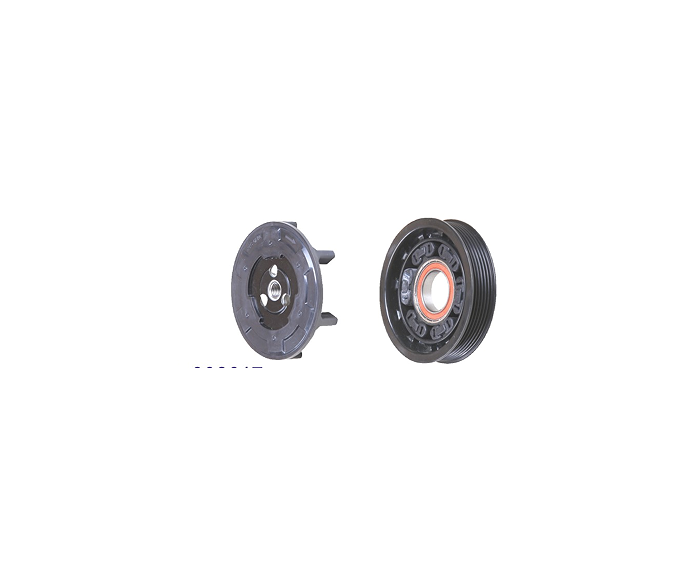
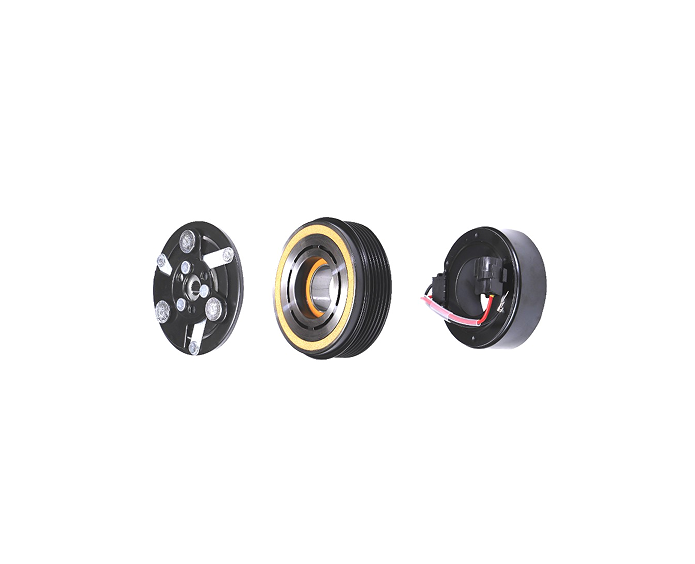
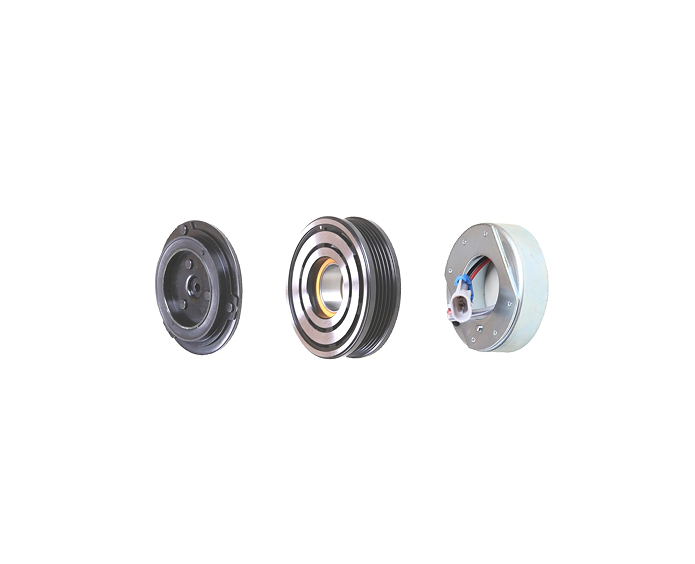
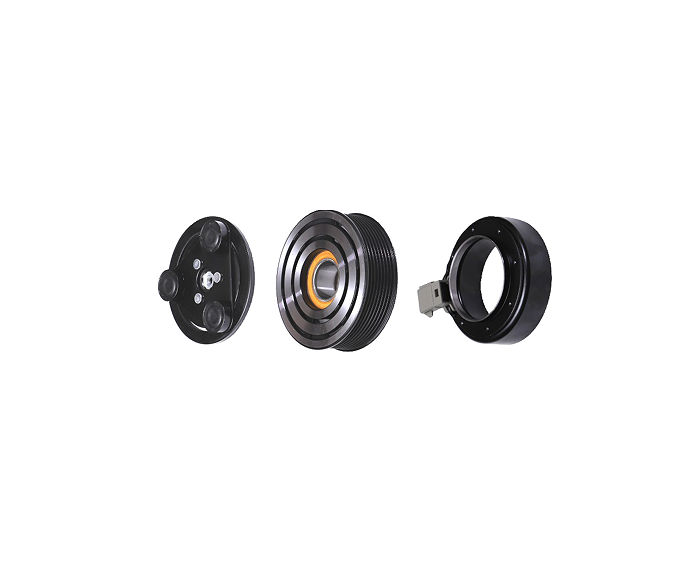
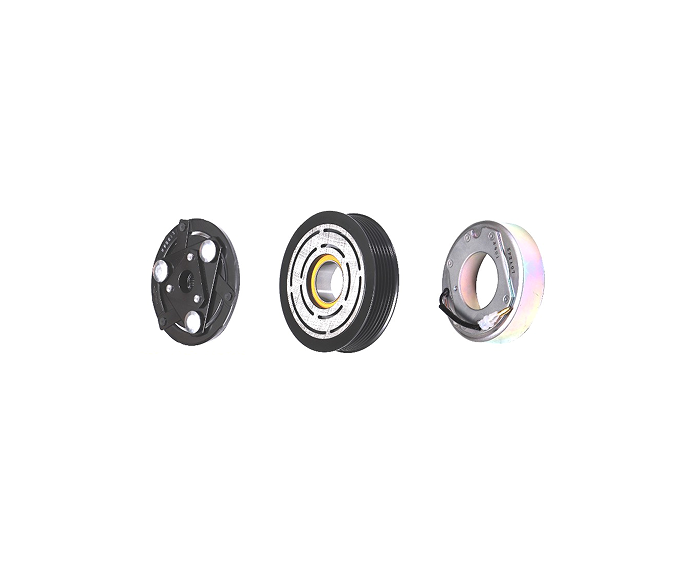
In the automotive aftermarket, volatility in raw material cost, shipping routes, and component sourcing can directly affect the availability of the automotive air conditioner clutch.
Stable supply is not accidental. It is engineered.
Understanding the Supply Chain Structure Behind an Automotive Air Conditioner Clutch
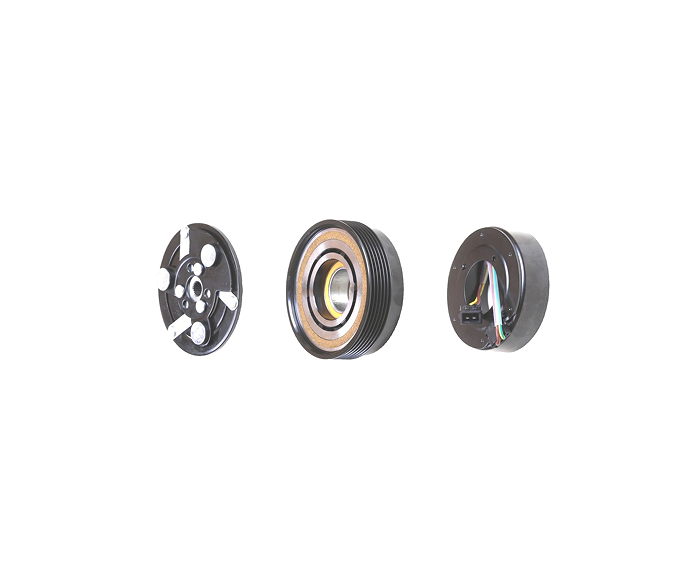
A finished clutch assembly depends on multiple upstream elements:
- Bearing steel suppliers
- Copper wire producers
- Friction material manufacturers
- Precision machining partners
- Surface treatment vendors
Each tier affects cost control, lead time stability, and quality consistency.
A fragmented supply chain creates risk. An integrated one reduces uncertainty.
Regional Diversification vs Single-Source Risk
Some manufacturers rely on single-region sourcing. This reduces negotiation flexibility and increases geopolitical exposure.
KASEN’s approach emphasizes:
- Multi-region raw material sourcing
- Controlled inventory buffering
- Verified secondary supplier qualification
- Long-term contractual stability
This strategy supports steady automotive air conditioner clutch production even during global logistics disruption.
Quality Control Within the Supply Network
A supply chain is only as strong as its inspection discipline.
Every incoming batch undergoes:
- Dimensional verification
- Metallurgical sampling
- Electrical conductivity checks
- Surface hardness testing
Incoming inspection prevents defective materials from entering the automotive air conditioner clutch production line.
You can review our manufacturing standards here:
https://www.gzkasen.com/about-us
Integrated Production and Assembly Control
Beyond sourcing, supply chain efficiency depends on internal process management:
- CNC machining scheduling
- Coil winding capacity planning
- Bearing stock rotation
- Assembly line synchronization
Production coordination ensures that automotive air conditioner clutch output remains predictable across peak seasons.
Inventory Strategy for Global Markets
For international distributors, delivery timing affects revenue cycles.
KASEN supports:
- Flexible MOQ planning
- Batch traceability
- Export packaging standardization
- Stable shipping coordination
Explore our full product coverage here:
https://www.gzkasen.com/products
Risk Mitigation in International Distribution
Global supply chain exposure includes:
- Shipping container delays
- Port congestion
- Customs clearance complexity
- Currency fluctuation
Strategic export documentation and compliance preparation reduce disruption risk for automotive air conditioner clutch exports.
For technical or export-related inquiries:
https://www.gzkasen.com/contact-us
Advantages for OEM and Aftermarket Buyers
A stable supply chain provides:
- Lower stockout risk
- Predictable delivery schedules
- Reduced emergency procurement cost
- Consistent automotive air conditioner clutch quality
Supply reliability strengthens brand credibility in competitive markets.
Application Scenarios
KASEN’s supply chain supports:
- Passenger vehicle aftermarket
- Commercial fleet maintenance networks
- Regional distributors
- Cross-border automotive parts traders
Stable logistics and production planning allow partners to scale without interruption.
For additional product and technical FAQs:
https://www.gzkasen.com/faqs
Selection Considerations for Distributors
When choosing a supplier, evaluate:
- Multi-source raw material strategy
- Production capacity transparency
- Inspection documentation
- Export compliance capability
- Historical delivery performance
A reliable automotive air conditioner clutch supplier is defined by supply discipline as much as by engineering quality.
Frequently Asked Questions
Q1: How does KASEN maintain stable lead times?
Through multi-tier sourcing and production planning buffers.
Q2: Can supply chain instability affect clutch quality?
Yes. Inconsistent material sourcing increases variation risk.
Q3: Does KASEN support global export documentation?
Yes. Full export coordination is available for international buyers.
Conclusion: Supply Chain Strength Defines Long-Term Reliability
In the automotive aftermarket, reliability extends beyond engineering — it includes logistics discipline, sourcing stability, and production coordination.
A dependable automotive air conditioner clutch supplier must demonstrate:
- Structured material sourcing
- Process-level quality control
- Global delivery capability
- Long-term production planning
KASEN’s integrated supply framework ensures consistent automotive air conditioner clutch availability for global partners.
Learn more about our global operations here:
https://www.gzkasen.com/
For cooperation and bulk supply inquiries:
https://www.gzkasen.com/contact-us/