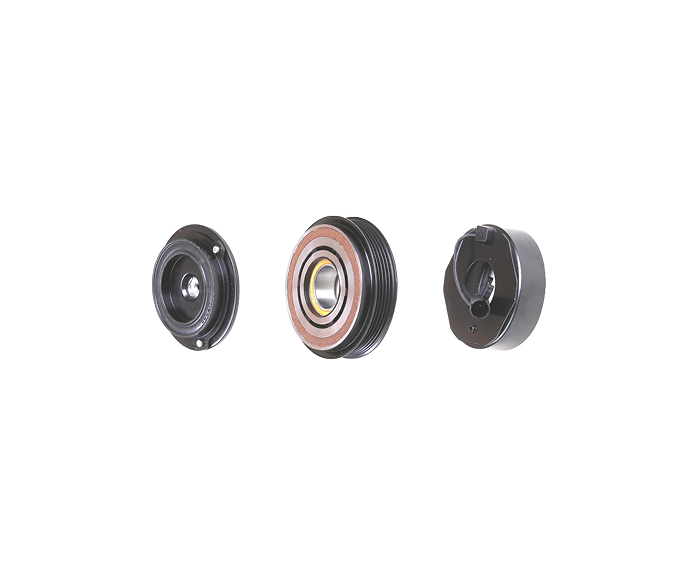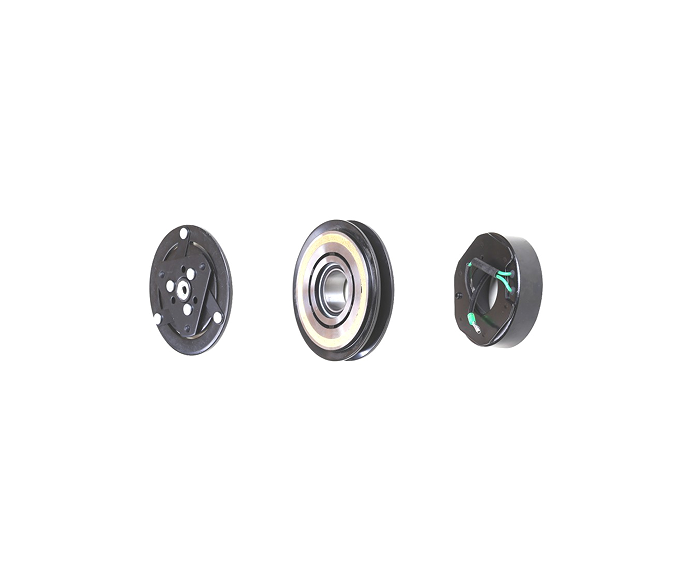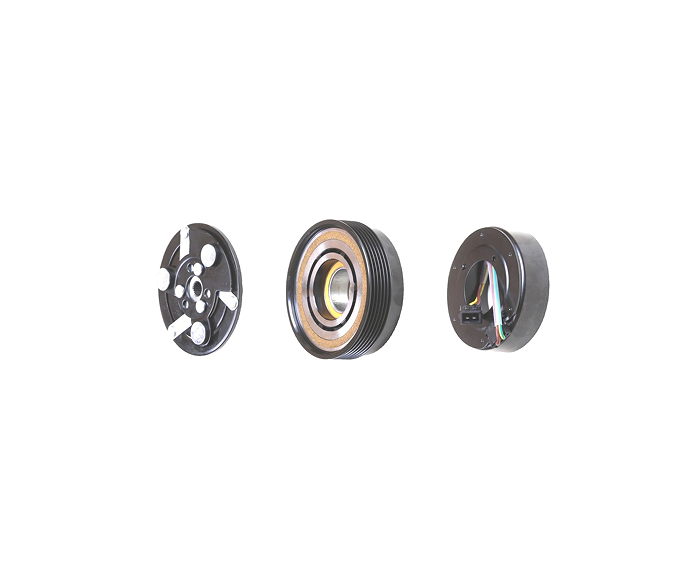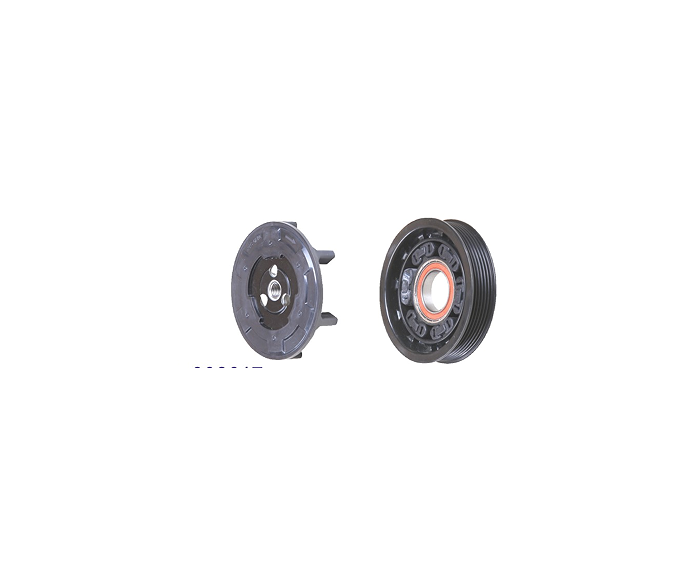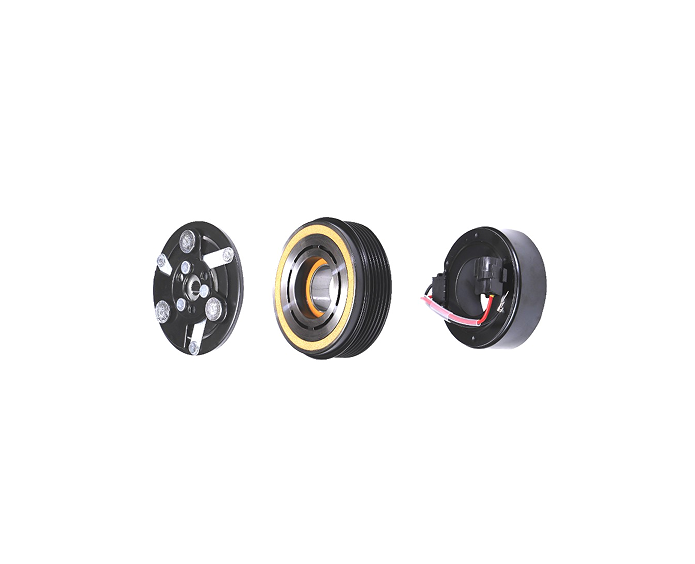

In bus operations, air conditioning is not optional. It directly affects passenger experience, route efficiency, and brand credibility. When an automotive air conditioner clutch fails in a passenger vehicle, inconvenience is limited. In a bus, failure disrupts service for dozens of passengers simultaneously.
Unlike standard cars, buses operate under:
- Extended engine runtime
- Larger compressor displacement
- Continuous cooling demand
- High thermal accumulation
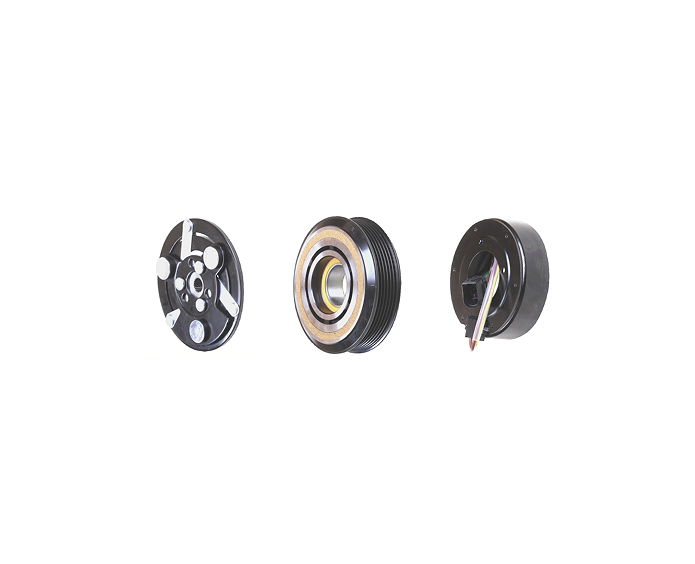
Under these conditions, the automotive air conditioner clutch becomes a structural reliability component rather than a simple engagement device.
Why Bus AC Systems Create Unique Mechanical Stress
Bus climate systems differ in scale and duty cycle.
Extended Engagement Duration
Urban transit buses often keep AC systems running for hours without interruption. The clutch experiences prolonged torque transfer.
Elevated Thermal Accumulation
High cabin volume requires sustained compressor operation. Heat builds from:
- Friction interface contact
- Electromagnetic coil resistance
- Bearing rotation load
High Vibration Exposure
Chassis flex, engine torque variation, and uneven road conditions increase mechanical stress.
All three factors amplify wear inside the automotive air conditioner clutch assembly.
Engineering Principles Behind Heavy-Duty Clutch Design
To operate reliably in bus systems, a heavy-duty automotive air conditioner clutch must integrate:
High-Temperature Friction Compounds
- Reinforced composite materials
- Reduced glazing under sustained load
- Stable coefficient of friction
Enhanced Coil Insulation
- Class F or Class H insulation (155–180°C rating)
- Stable copper winding resistance
- Reduced magnetic degradation under heat
Reinforced Bearing Structures
- Double-sealed bearings
- High-load radial tolerance
- High-temperature grease stability
Controlled Air Gap Precision
Laser-calibrated tolerances prevent slip under extended engagement.
Without these upgrades, premature slip and overheating become inevitable.
Standard Passenger Clutch vs Bus-Grade Clutch
| Feature | Passenger Vehicle | Bus Application |
|---|---|---|
| Engagement Frequency | Moderate | High |
| Engagement Duration | Short cycles | Sustained |
| Thermal Load | Moderate | Elevated |
| Bearing Load | Standard | Reinforced |
| Lifecycle Expectancy | 80k km | Higher structural demand |
A bus application requires engineered margin beyond passenger vehicle specifications.
Climate Variability and Environmental Exposure
Buses frequently operate across:
- Coastal salt exposure
- Desert heat
- Urban stop-and-go traffic
- Mountain routes with altitude shifts
These variables demand corrosion-resistant coatings and thermally stable materials.
A properly engineered automotive air conditioner clutch ensures stable performance regardless of climate conditions.
Operational Advantages for Fleet Owners
A reliable clutch system provides:
- Reduced emergency maintenance
- Lower downtime
- Stable cabin temperature
- Predictable service intervals
Fleet managers prioritize components that maintain engagement stability under sustained thermal stress.
Practical Selection Guidelines
When evaluating a clutch for bus applications, consider:
- Insulation temperature class
- Friction material composition
- Engagement cycle validation data
- Bearing load rating
- Thermal endurance testing
A low-cost assembly without durability verification often increases long-term cost.
Learn more about our production standards here:
https://www.gzkasen.com/about-us
Explore compatible clutch assemblies here:
https://www.gzkasen.com/products
For technical clarifications:
https://www.gzkasen.com/faqs
Real-World Application Scenarios
Bus-specific clutch durability is critical in:
- Municipal public transport
- Long-distance coach fleets
- Airport shuttle buses
- School transportation networks
In these environments, consistent climate control directly impacts operational reputation.
Frequently Asked Questions
Q1: Why do bus AC clutches wear faster?
Continuous operation and higher thermal accumulation increase friction load.
Q2: Can standard car clutches be used in buses?
Technically possible, but lifecycle durability may be significantly reduced.
Q3: What is the most common failure cause in bus AC clutches?
Thermal degradation of friction surfaces and bearing fatigue.
Conclusion: Heavy-Duty Engineering Defines Climate Reliability
In bus applications, the automotive air conditioner clutch operates under continuous thermal and mechanical stress. Its design must prioritize:
- Heat resistance
- Torque stability
- Bearing reinforcement
- Air gap precision
Durability is not optional in public transport climate systems—it is foundational.
To explore heavy-duty automotive air conditioner clutch solutions engineered for sustained climate control performance, visit:
https://www.gzkasen.com/
For bulk fleet orders or OEM cooperation:
https://www.gzkasen.com/contact-us/