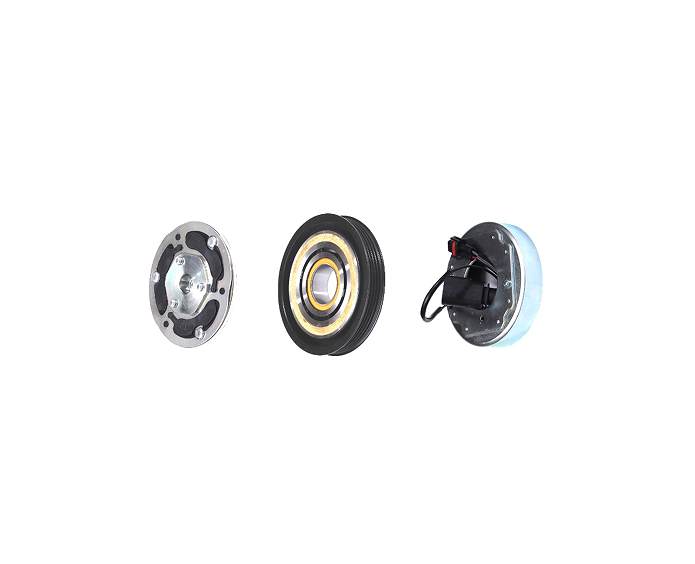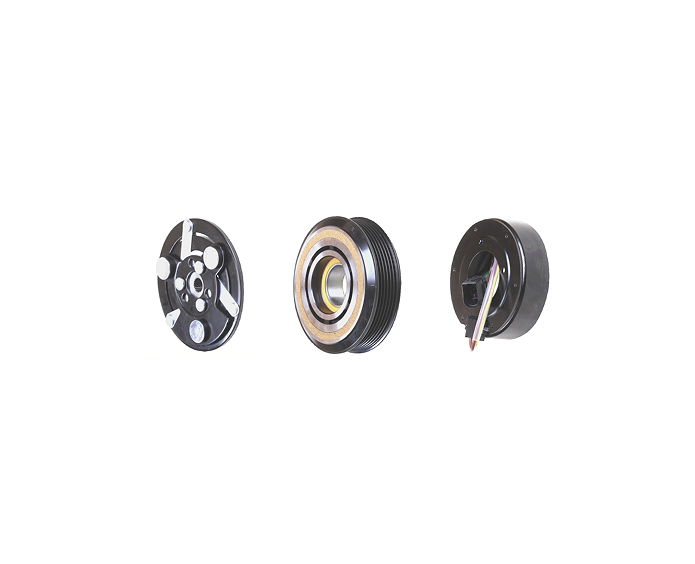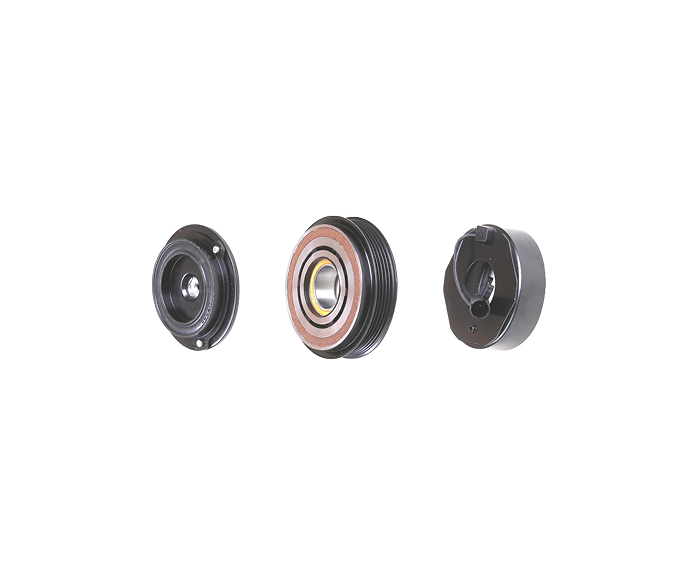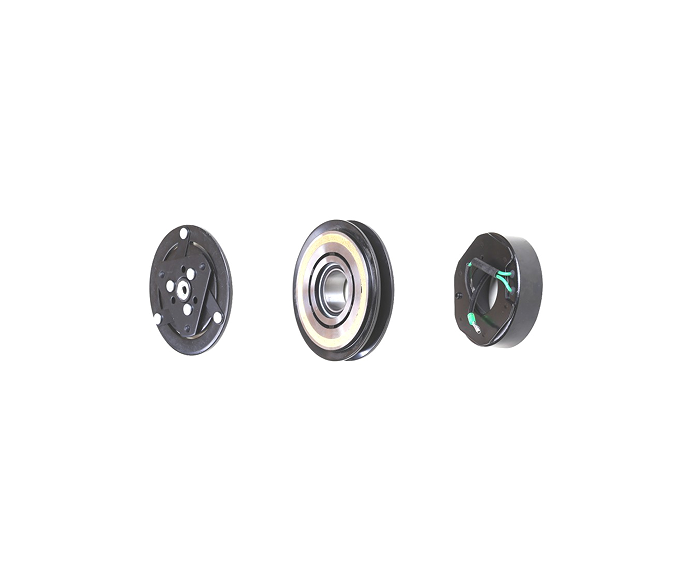

In automotive air conditioning systems, cooling output is not solely defined by compressor capacity. The true performance balance lies in refrigerant metering control.
Two dominant regulation mechanisms exist:
- Expansion valve (TXV / EXV) systems
- Control valve systems used in variable displacement compressors
Their design architecture directly influences:
- Compressor load behavior
- Fuel consumption
- Thermal stability
- Clutch cycling frequency
- Long-term durability
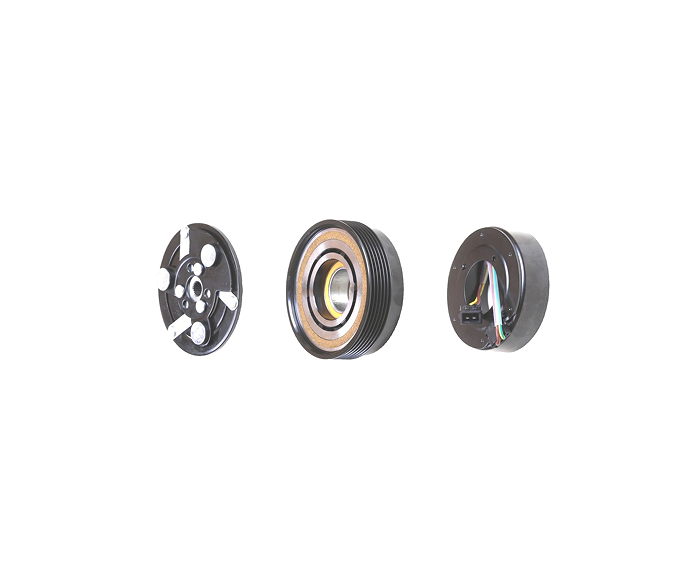
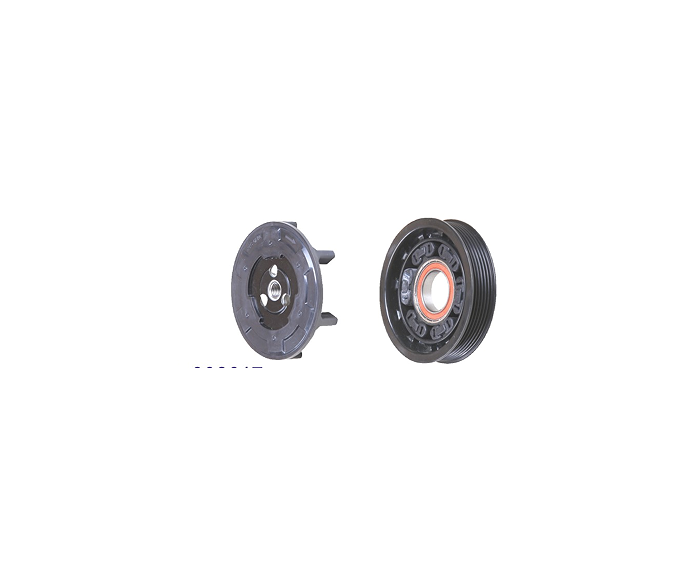
In belt-driven systems, refrigerant control also interacts closely with the automotive air conditioner clutch, which governs compressor engagement.
Understanding this relationship is critical for OEM engineers and aftermarket suppliers.
Why Refrigerant Flow Control Determines AC Performance
In automotive air conditioning systems, cooling output is not solely defined by compressor capacity. The true performance balance lies in refrigerant metering control.
Two dominant regulation mechanisms exist:
- Expansion valve (TXV / EXV) systems
- Control valve systems used in variable displacement compressors
Their design architecture directly influences:
- Compressor load behavior
- Fuel consumption
- Thermal stability
- Clutch cycling frequency
- Long-term durability
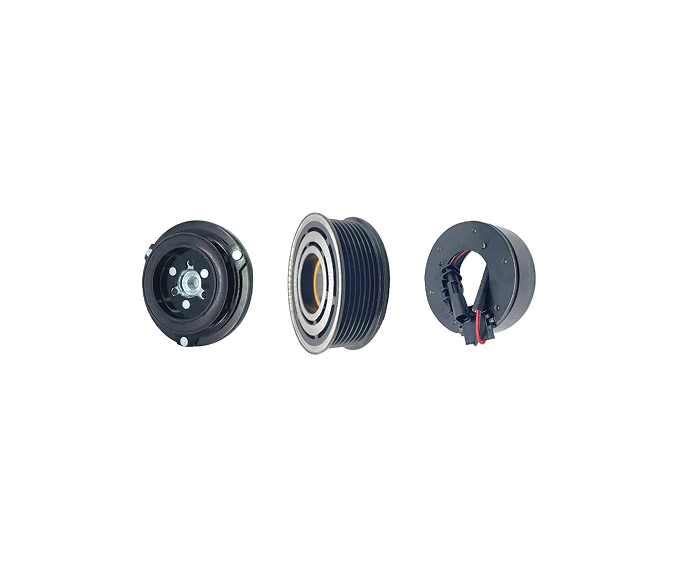
In belt-driven systems, refrigerant control also interacts closely with the automotive air conditioner clutch, which governs compressor engagement.
Understanding this relationship is critical for OEM engineers and aftermarket suppliers.
Where the AC Bearing Fits in the System
Structural Location
In belt-driven compressors, the bearing is installed inside the pulley assembly.
System interaction:
- Engine drives belt
- Pulley rotates on bearing
- Automotive air conditioner clutch engages
- Torque transfers to compressor shaft
Even when the clutch is disengaged, the pulley continues rotating. That means the bearing experiences constant operational stress.
This continuous load exposure makes bearing quality a decisive durability factor.
Engineering Role of the AC Compressor Bearing
1. Rotational Stability
High-speed rotation (typically 3,000–6,000 RPM depending on engine speed) requires precision tolerance control.
According to ISO 281 (Rolling Bearing Dynamic Load Rating and Rating Life), bearing lifespan depends on:
- Load magnitude
- Rotational speed
- Lubrication condition
- Material hardness
Failure to meet dynamic load ratings reduces lifecycle expectancy.
2. Thermal Resistance
In high-temperature engine bays, ambient temperatures may exceed 120°C.
Poor lubrication retention leads to:
- Grease degradation
- Increased friction
- Premature clutch misalignment
The bearing must withstand repeated thermal cycles without deformation.
3. Clutch Alignment Support
A worn bearing affects concentricity between pulley and clutch plate.
Misalignment causes:
- Irregular engagement
- Increased wear of automotive air conditioner clutch friction surfaces
- Noise during activation
Over time, clutch replacement becomes necessary due to secondary bearing failure.
Common AC Bearing Failure Modes
1. Bearing Seizure
Occurs due to:
- Grease leakage
- Contamination
- Overheating
Seized bearings can damage the automotive air conditioner clutch coil and pulley assembly.
2. Excessive Noise
Grinding or whining sounds during AC operation often indicate internal race damage.
3. Pulley Wobble
Radial clearance expansion causes unstable clutch engagement.
4. Premature Clutch Wear
If bearing runout exceeds tolerance limits, clutch face friction becomes uneven.
This accelerates failure of the automotive air conditioner clutch assembly.
Bearing vs Clutch: Which Fails First?
In many cases, bearing degradation precedes clutch failure.
Expansion valve systems, where clutch cycling frequency is high, create additional mechanical shock. This increases stress on both:
- Pulley bearing
- Automotive air conditioner clutch
In variable displacement systems, clutch cycling is reduced, but bearing rotation remains continuous.
Thus, regardless of architecture, bearing durability remains fundamental.
OEM Selection Criteria for AC Bearings
For manufacturers and procurement teams, key evaluation metrics include:
Material Quality
- High-carbon chromium steel (e.g., SAE 52100)
- Surface hardness ≥ HRC 60
Seal Design
- Double-lip dust seals
- High-temperature grease retention
Precision Grade
- P6 or higher tolerance class
Load Capacity
- Verified dynamic load rating (per ISO 281 standard)
High-grade bearings directly extend the lifespan of the automotive air conditioner clutch and compressor assembly.
Cost Impact of Bearing Failure
Ignoring bearing quality can lead to:
- Complete clutch replacement
- Compressor shaft damage
- Increased warranty claims
- Customer dissatisfaction
Replacing a bearing proactively is significantly cheaper than replacing an entire automotive air conditioner clutch assembly.
For fleet vehicles, lifecycle cost modeling often justifies higher-grade bearings during OEM production.
Frequently Asked Questions
Q1: Can I replace only the AC bearing?
Yes, in many cases the pulley bearing can be replaced separately. However, inspection of the automotive air conditioner clutch is recommended to ensure no secondary wear.
Q2: How long should an AC bearing last?
Under proper design conditions, bearings can last 80,000–120,000 km depending on operating environment and load.
Q3: What causes repeated clutch failure?
Often the root cause is bearing misalignment or thermal degradation, not the clutch itself.
Conclusion: Small Component, Major Impact
AC compressor bearings operate continuously, silently supporting system stability.
While the automotive air conditioner clutch receives most of the attention, its performance depends heavily on bearing precision and durability.
For OEM manufacturers and aftermarket suppliers, investing in high-quality bearing components:
- Extends clutch lifespan
- Reduces NVH
- Improves cooling consistency
- Lowers warranty risk
To explore high-durability automotive air conditioner clutch and bearing assemblies, visit:
https://www.gzkasen.com/
For OEM cooperation and technical consultation:
https://www.gzkasen.com/contact-us/