
Introduction: Build the Tool Set Around the Service Task
Automotive AC workshop tools should be selected from the work a technician must complete, not from a long catalogue of disconnected equipment. A basic car AC repair tools set may only need pressure gauges, a leak-check method, a vacuum pump, charging hoses, electrical test tools and safe hand tools. A professional workshop that recovers refrigerant, replaces compressors, services mixed refrigerants or handles fleet vehicles needs a more controlled system: recovery equipment, evacuation capability, accurate gauges, flushing or cleaning equipment, refrigerant identification, scales, adapters, storage and documented service procedures.
The practical question for a new workshop or equipment distributor is: which tool should be purchased first, what task does it unlock, and when does a professional machine pay for itself? This automotive air conditioning tools checklist maps equipment to diagnosis, refrigerant handling, evacuation, charging, cleaning, component replacement and verification. It separates a starter bay from a full-service bay so capital is spent on usable capacity.
Guangzhou Kasen Auto Airconditioner CO:LTD is a Guangzhou, China manufacturer and exporter whose public product scope includes automotive AC compressors, compressor clutches, electric compressors, valves, bearings, coils, hubs and service equipment. Buyers can review the Kasen company profile for entity information and the automotive AC product catalogue for current product families. Exact equipment configuration, compliance, MOQ, lead time, packaging and after-sales terms should be confirmed for the intended market and refrigerant workflow.
What an Automotive AC Workshop Must Be Able to Do
A workshop tool list becomes easier to control when it is organized around outcomes. Every vehicle AC job should move through some version of identification, diagnosis, refrigerant handling, repair, evacuation, charging and verification. Not every job uses every step, but the workshop should know which tool covers each step and which jobs must be referred to another facility.
| Service task | Minimum capability | Professional upgrade | Why it matters |
|---|---|---|---|
| Initial diagnosis | Low/high pressure gauges, thermometer, electrical multimeter, visual inspection light. | Digital pressure/temperature logging, refrigerant identifier, smoke or electronic leak detector. | Separates charge, airflow, electrical and mechanical faults before parts are ordered. |
| Refrigerant recovery | Approved recovery machine, recovery cylinder, hoses and scale. | Mobile recovery station with organized gauges and hose storage. | Prevents uncontrolled release and preserves refrigerant for proper handling. |
| Evacuation | Vacuum pump, manifold or service couplers, isolation valves and vacuum monitoring. | Vacuum sensor with decay test record and dedicated hoses. | Removes air and moisture before charging and helps expose leaks. |
| Charging | Correct refrigerant cylinder, calibrated scale, hoses and service couplers. | Integrated recovery/recharge station with vehicle database and printout. | Controls charge mass and reduces overcharge or undercharge comebacks. |
| Component replacement | Hand tools, torque tools, clutch pullers, electrical test tools and caps/plugs. | Model-specific adapters, compressor oil tools and clean-room style parts handling. | Protects fittings, prevents contamination and confirms the failed component. |
| Final verification | Pressure and temperature readings, vent-temperature check and leak inspection. | Recorded before/after report, thermal camera and repeatable road-test procedure. | Creates evidence that the repair is complete and supports warranty decisions. |
This prevents the common mistake of buying a recovery machine without the scale, cylinder, hoses or refrigerant identification needed to operate it. A tool is part of a workflow, not a standalone promise.
Core Car AC Repair Tools for a Starter Bay
Manifold gauge set and service hoses
A gauge set gives the technician a pressure view of the low and high sides. Choose gauges readable at the local refrigerant's normal range, with hoses that reach service ports without crossing belts or fans. Verify fitting type, color coding, valve operation, gaskets and hose pressure rating. A gauge set is diagnostic equipment, not a substitute for refrigerant identification or leak testing.
Kasen's public product listing for an Advanced HVAC Manifold Gauge Kit describes dual gauges, color-coded handles, brass fittings, pressure-resistant hoses, adapters and a carry case, with R744/CO2 compatibility stated in the listing. That makes it a useful reference for workshops that service high-pressure or special-refrigerant systems, but buyers should confirm the actual gauge range, certification, fittings and current configuration before using it for a specific vehicle program.
Multimeter and electrical test equipment
Many cooling failures are control or power faults. A workshop should measure battery voltage, coil supply, fuse continuity, relay output, sensor circuits and ground quality. Add back-probe leads and a current clamp when justified. For clutch work, check commanded voltage alongside air gap and mechanical condition. Electric compressors require high-voltage procedures and vehicle-specific equipment.
Temperature and airflow checks
A contact thermometer or probe thermometer gives the technician a way to compare ambient temperature, vent temperature, line temperature and condenser behavior. An infrared thermometer can quickly identify temperature differences, but emissivity and shiny metal surfaces can produce misleading readings. Airflow observation, cabin filter inspection and blower performance checks should sit beside refrigerant measurements so the workshop does not condemn a compressor for an HVAC airflow problem.
Leak detection and visual inspection
Use an electronic leak detector, UV dye only when compatible with the system and oil, inspection mirrors, bright lighting and approved leak-test procedures. Record the location and condition of seals, service valves, hose crimps, condenser joints, evaporator drain area and compressor shaft seal. A leak tool is valuable only when the technician understands false positives from oil, cleaning chemicals and ambient contamination.
Refrigerant Recovery and Charging Equipment
Recovery machine
A recovery machine removes refrigerant from the vehicle circuit and transfers it to a recovery cylinder. It is essential when a circuit must be opened for compressor, condenser, hose or valve work. The machine should be selected by refrigerant compatibility, recovery method, pressure protection, electrical supply, service speed, cylinder connection, portability and maintenance access. Ask for operating limits and supported refrigerants in writing; do not infer them from a product photograph.
The public listing for Kasen's AUTO AC Refrigerant Recovery Machine RR850 states R134a/R1234yf compatibility, a 5–50°C temperature range, 18 bar maximum pressure, 220 V/50 Hz power, a 95 kg gross weight, 60 × 65 × 115 cm dimensions and Class 1.0 80 mm high/low gauges with a 40 mm cylinder gauge. Those are listing-level specifications, so a buyer should confirm current technical documentation, local electrical requirements, cylinder compatibility and regulatory approvals before purchase.
Recovery cylinder, scale and refrigerant identification
The machine also needs a correctly rated cylinder, scale and refrigerant identification. Label cylinders and segregate recovered refrigerants. A scale prevents overfilling and quantifies recovered mass. Identification is important when service history is unknown or a workshop handles both R134a and R1234yf. Include cylinder valves, hoses, adapters and storage rules in the equipment list.
Charging and record keeping
Charging should be based on the vehicle or compressor specification, not pressure alone. Use a calibrated scale and record refrigerant type, charge mass, oil added, vacuum duration, leak result, final pressures and vent temperature. Integrated stations can improve repeatability, but the operator still needs the correct vehicle data and a way to identify the connected circuit. For a distributor, accessory availability and replacement hoses may be as important as the initial machine specification.
Vacuum Pumps and Moisture Control
Evacuation removes air and moisture after a system has been opened or recovered. Moisture can react with oil and refrigerant, contribute to corrosion and interfere with reliable system operation. A workshop should choose a pump by ultimate vacuum capability, flow rate, inlet connection, oil capacity, ballast arrangement, serviceability, duty cycle and compatibility with the intended work. The pump should be connected through clean, short, large-bore hoses where practical, because restrictive hoses and leaking couplers can make a good pump appear ineffective.
Kasen publishes an Auto AC Vacuum Pump product page. The listing references an MFP-86CC and 28 L/min, but the public page also indicates that the exact visible product configuration should be confirmed before purchase. This is a useful example of why buyers should request a current data sheet, inlet size, vacuum rating, motor specification, oil requirement, electrical version and intended refrigerant-service use rather than relying on the product title alone.
Vacuum verification
Gauge movement is not the same as a verified vacuum. A professional bay should use a vacuum measurement method suited to the system and conduct a decay or hold check after isolation. If the vacuum rises, investigate leaks, trapped moisture, valve leakage, hose permeation or incorrect isolation before charging. Record the test conditions. The exact time and acceptance level depend on the system, equipment and procedure; do not publish one universal number for every vehicle.
Cleaning, Flushing and Contamination Control
After a compressor failure, contamination can remain in hoses, condenser passages, evaporator passages or the receiver-drier. A workshop needs a decision rule for when to flush, when to replace a component and when to use a cleaning machine. The tool cannot compensate for an incorrect refrigerant, incompatible solvent, blocked condenser or failed filter-drier. Clean caps, plugs, lint-free materials and sealed oil containers are inexpensive controls that prevent a second failure.
Kasen's public listing for the AUTO AC Manual Cleaning Machine MF001 describes a pneumatic manual cleaning unit and lists rinsing pressure of 2–3 bar and rinsing speed of 4–6 bar. Because the public listing uses both terms and does not define every operating condition, the buyer should confirm the pressure terminology, compatible cleaning fluid, hose set, safety instructions and intended circuit before ordering or publishing a workshop procedure.
For professional service, add fluid identification, waste containers, component caps, filter-drier tools and a contamination checklist. Buy a cleaning machine when workload justifies it and technicians can control fluid entry and disposal.
Component Replacement Tools for Compressor and Clutch Work
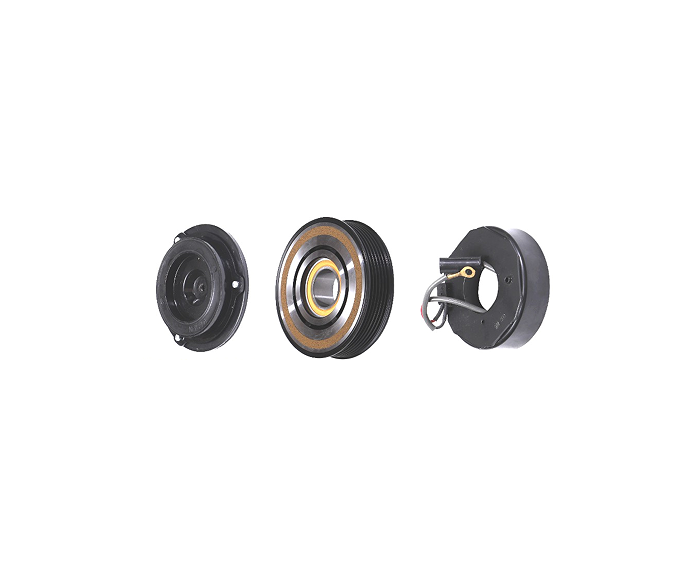
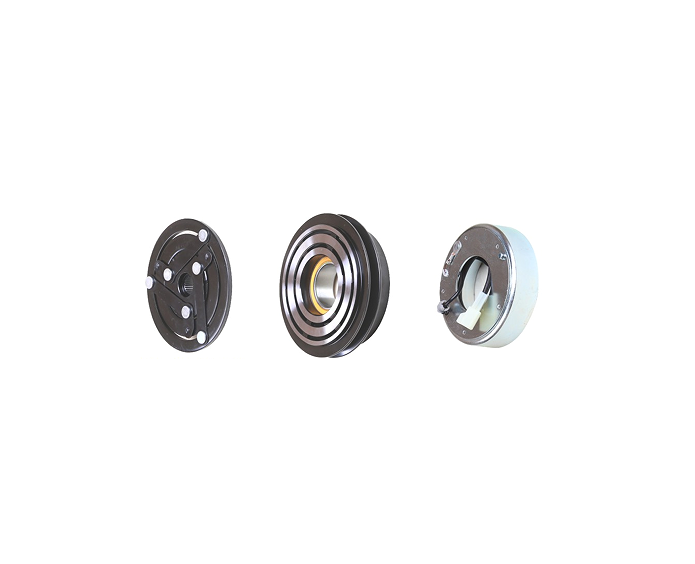
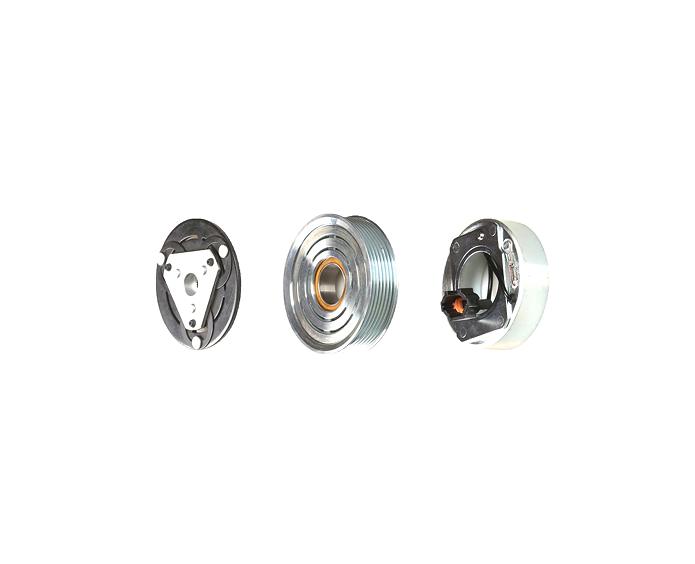
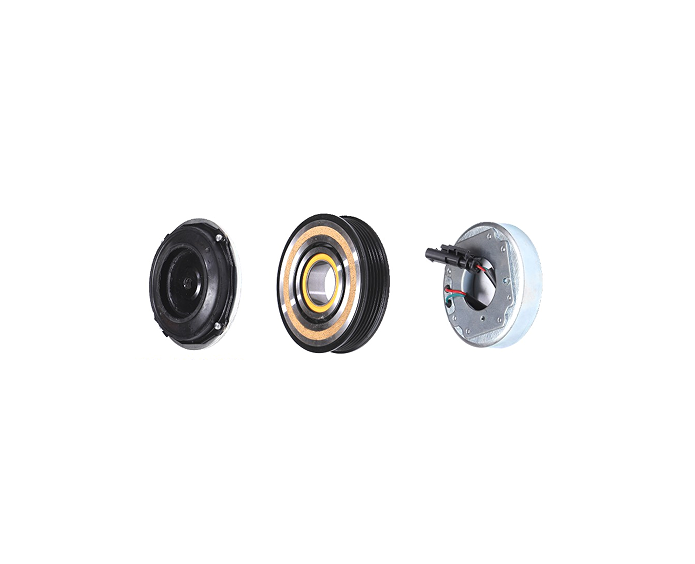
Service equipment does not replace mechanical tooling. A workshop that changes compressor clutches, pulleys, bearings or coils needs torque tools, snap-ring pliers, pullers, press or support fixtures, shaft-protection tools, shims, electrical test leads and clean assembly surfaces. The exact tool depends on the compressor family. Forcing a pulley with an improvised puller can damage the bearing seat or shaft and turn a clutch repair into a complete compressor replacement.
| Repair scope | Useful tools | Evidence to record |
|---|---|---|
| Clutch coil diagnosis | Multimeter, fused test lead, connector probes, current measurement and insulation inspection. | Voltage under command, resistance method, connector condition and coil identification. |
| Pulley or bearing replacement | Puller, press support, circlip pliers, bearing drivers, runout indicator and cleaning tools. | Bearing code/dimensions, pulley runout, fit condition and rotation noise. |
| Hub or armature service | Hub puller, shaft protector, shim tray, torque wrench and air-gap gauge. | Shaft interface, shim stack, air gap, retaining torque and friction-surface condition. |
| Complete compressor replacement | Recovery/recharge equipment, vacuum pump, oil measure, caps, torque tools and leak detector. | Recovered charge, oil quantity, vacuum test, leak check and final pressures. |
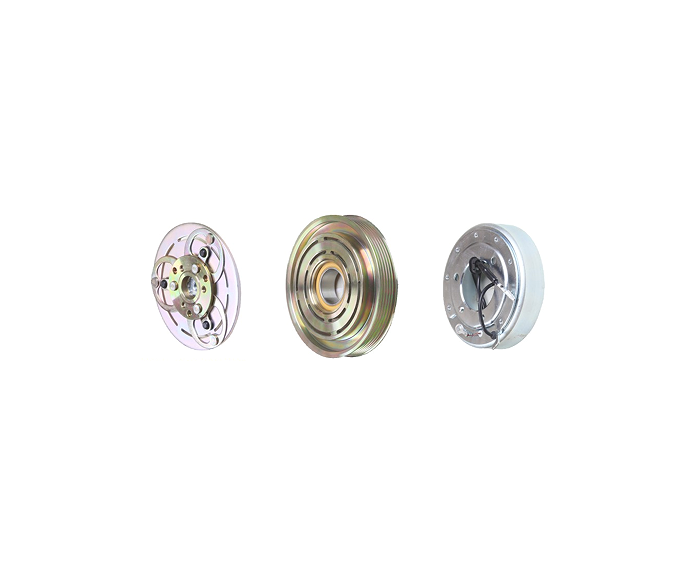
When sourcing replacement components, use the Kasen compressor clutch range together with the compressor model, OE number, photographs, dimensions and sample. A tool investment is most valuable when it allows the workshop to repair the failed subassembly safely instead of replacing a complete unit unnecessarily.
Basic Bay Versus Professional Bay
Basic starter bay
A basic bay should handle diagnosis and common service without pretending to cover every refrigerant or high-voltage system. Prioritize a reliable gauge set and hoses, multimeter, thermometer, leak-detection method, hand tools, torque wrench, vacuum pump, scale, approved cylinder access and safety equipment. Add a recovery machine when the workshop regularly opens circuits or local rules require controlled recovery. This configuration suits a small repair shop that outsources complex contamination, electric-compressor or specialized refrigerant work.
Professional full-service bay
A professional bay adds an identified refrigerant workflow, recovery/recharge station, vacuum measurement, electronic leak detector, refrigerant identifier, cleaning equipment, component fixtures, couplers, seals and digital records. It should segregate refrigerants, oils, recovered fluid and customer parts. The goal is faster diagnosis, safer handling, repeatable repair and warranty or fleet evidence.
| Capability | Starter bay | Professional bay | Upgrade trigger |
|---|---|---|---|
| Pressure diagnosis | Analog manifold and correct hoses. | Multiple refrigerant-specific sets and logged readings. | Mixed refrigerants, high daily volume or disputed diagnoses. |
| Recovery and charge | Outsource or use approved shared equipment. | Dedicated recovery/recharge station, cylinder and scale. | Frequent compressor work, fleet contracts or long vehicle queues. |
| Evacuation | Vacuum pump and basic isolation check. | Vacuum sensor, decay record and maintained dedicated hoses. | Repeat leaks, moisture complaints or warranty comebacks. |
| Cleaning | Manual approved flush method and contamination controls. | Cleaning machine, fluid management and written contamination protocol. | Regular compressor failures or contaminated-system volume. |
| Parts repair | General hand tools and outsourced clutch/bearing work. | Pullers, press fixtures, torque control and fitment records. | Demand for clutch, pulley, bearing or coil-only repair. |
Equipment Purchasing Priority for a New Workshop
Purchase in the order that reduces safety, diagnostic and rework risk. First, establish safe refrigerant handling and electrical protection. Second, make the basic diagnosis reliable. Third, add evacuation and charge control. Only then invest in specialized cleaning machines, component fixtures or integrated automation unless a confirmed customer contract requires them earlier.
- Priority 1: safety and identification. Buy approved cylinders, PPE, labels, refrigerant identification, electrical protection and correct service couplers. A workshop that cannot identify what is in the vehicle should not connect recovery or charging equipment blindly.
- Priority 2: diagnosis. Add gauges, temperature tools, multimeter, leak detection and lighting. These tools determine whether the fault is charge-related, electrical, airflow-related, mechanical or contamination-related.
- Priority 3: controlled recovery and evacuation. Add a recovery machine, scale, cylinder and vacuum pump when the job volume and legal requirements justify owning them. Include hose maintenance and calibration in the budget.
- Priority 4: repair depth. Purchase compressor clutch and bearing fixtures, cleaning equipment and specialized adapters after demand data shows enough work to keep them productive.
- Priority 5: productivity and records. Add integrated stations, barcode inventory, printed service reports and additional bays when queue time, fleet reporting or repeat-work analysis pays back the investment.
For equipment distributors, this sequence is also a useful bundle structure. Offer a starter diagnostic kit, a refrigerant-handling package and a professional expansion package rather than one oversized list. Ask the customer for vehicle types, refrigerants, daily jobs, electrical supply, floor space, service regulations and target budget before quoting.
Buyer Checklist: What to Confirm Before Ordering
Product photos and headline specifications are useful for initial screening, but a workshop should request a controlled technical and commercial file before purchase. The same checklist protects a repair shop buying one unit and a distributor planning a container order.
| Area | Questions for the supplier | Evidence to retain |
|---|---|---|
| Application | Which refrigerants, vehicle systems and service tasks are supported? | Current data sheet, operating instructions and compatibility statement. |
| Performance | What pressure, flow, temperature, vacuum or recovery limits are verified? | Test method, result, revision and acceptance criteria. |
| Connections | Which ports, hose ends, adapters, cylinder valves and electrical plugs are included? | Connection drawing, accessory list and clear product photos. |
| Safety and compliance | What protection, electrical standard, pressure rating and local approvals apply? | Certificates or declarations verified by issuer and scope. |
| Serviceability | How are filters, oil, hoses, gauges and wear parts replaced? | Maintenance schedule, spare-parts list and service contact. |
| Commercial supply | What are MOQ, lead time, packaging, labels, warranty and change-control rules? | Quotation, approved artwork, packing photos and written terms. |
When you need a quotation or technical confirmation, send the intended refrigerant, service task, workshop voltage, daily volume, required accessories, destination and packaging expectations through the Kasen Contact Us page or message page. A complete request is more likely to produce a usable configuration than a request for the lowest price on a generic machine.
Applications and Workflow Examples
Small independent repair shop
A two-technician shop may begin with diagnosis, leak detection, a manifold set, vacuum pump, scale, basic recovery access and compressor repair tools. It should record every refrigerant type and outsource high-voltage EV work until trained equipment and procedures are available. The purchasing priority is uptime and safe completion of common passenger-car jobs, not maximum catalogue breadth.
Fleet maintenance workshop
A fleet bay benefits from a recovery/recharge station, durable hoses, clear cylinder segregation, service records and fast access to common compressor, clutch, bearing and valve references. The workshop should track repeated failures by vehicle, compressor model and operating environment. That data can justify adding a cleaning machine or stocking specific repair components.
Equipment distributor
A distributor should package tools by task and document the accessories that make each package operational. Product pages should identify refrigerants, electrical versions, pressure or vacuum limits, included hoses, packaging, spare parts, MOQ and lead time. Selling a machine without connection or safety information creates returns and training problems.
Why Kasen Can Support an Automotive AC Workshop Program
Kasen's public catalogue combines automotive AC service equipment with the parts a workshop repairs: compressor clutches, compressors, electric compressors, valves, bearings, coils and hubs. That combination helps a buyer connect a tool purchase to the actual repair workflow. A distributor can discuss a recovery machine, vacuum pump or cleaning unit alongside the component categories required by its customers, while a repair network can source replacement parts after diagnosis.
The company profile identifies Guangzhou Kasen Auto Airconditioner CO:LTD in Guangzhou, China and describes automotive air-conditioning manufacturing and export activity since 2007. The public site does not establish one universal MOQ, lead time, test report, certificate scope or service policy for every tool. Those items should be requested for the exact model, destination and order quantity, with photos, manuals and current technical documents retained in the purchasing file.
For a workshop program, ask Kasen to confirm the equipment model, refrigerant compatibility, pressure and vacuum limits, accessories, electrical version, packaging, replacement parts and support route. Also provide your service task, local regulations, vehicle mix and expected daily volume. This turns a generic equipment enquiry into a configuration that can be evaluated, installed and replenished with less risk.
FAQ: Automotive AC Workshop Tools
What are the essential automotive AC workshop tools for a new shop?
Start with a correct manifold gauge set and hoses, multimeter, thermometer, leak-detection method, vacuum pump, scale, approved cylinder access, safety equipment and general mechanical tools. Add a recovery machine when the shop regularly opens circuits or must recover refrigerant on site.
Which car AC repair tools should be purchased first?
Purchase safety and refrigerant identification tools first, then diagnostic gauges, electrical and temperature tools, followed by recovery, evacuation and charging equipment. Specialized cleaning machines and compressor clutch fixtures should follow confirmed job volume.
Do I need a recovery machine and a vacuum pump?
They perform different tasks. A recovery machine removes refrigerant into a cylinder. A vacuum pump removes air and moisture after the circuit is opened or recovered. A workshop that performs complete refrigerant service normally needs both capabilities, plus the correct hoses, scale and monitoring method.
How do I choose a manifold gauge set?
Match the gauge range, fittings, hose ends, refrigerant compatibility, pressure rating, accuracy, service-port access and local standards to the vehicles you service. Special refrigerants such as R744 require equipment designed and rated for their operating conditions.
What should I check before buying an automotive AC recovery machine?
Confirm supported refrigerants, recovery method, maximum pressure, electrical supply, cylinder connection, hose set, controls, safety protection, service parts, warranty and local compliance. Ask for a current data sheet rather than relying only on a product photograph.
When is an AC cleaning machine worth buying?
It becomes useful when the shop regularly handles contaminated systems, compressor failures or fleet work where repeatable flushing saves labor. Confirm compatible fluids, pressure terminology, hoses, waste handling and safety instructions before purchase.
Can the same workshop tools be used for electric vehicles?
Some basic diagnostic principles carry over, but electric compressors and high-voltage systems require vehicle-specific procedures, insulated equipment and trained technicians. Do not treat a belt-driven compressor clutch workflow as an EV service procedure.
How should a distributor quote a workshop equipment package?
Ask for vehicle mix, refrigerants, daily jobs, electrical supply, floor space, service tasks, required accessories and destination. Quote a complete working configuration with manuals, packaging, spare parts, MOQ, lead time and support terms instead of a machine alone.
What is included in automotive AC service equipment?
Automotive AC service equipment can include manifold gauges, recovery machines, cylinders, scales, vacuum pumps, leak detectors, refrigerant identifiers, cleaning machines, hoses, adapters and compressor repair fixtures. The correct combination depends on the workshop's refrigerants, vehicle mix and accepted service tasks.
Conclusion
The best automotive AC workshop tools checklist starts with the service task: diagnose accurately, recover refrigerant safely, evacuate and charge consistently, control contamination, repair components correctly and prove the final result. A basic bay needs a focused set of gauges, electrical and temperature tools, leak detection, vacuum and charging capability. A professional bay adds recovery/recharge equipment, refrigerant identification, cleaning, component fixtures, records and inventory controls.
Kasen's public service-equipment listings and automotive AC parts catalogue provide starting points for workshop, fleet and distributor programs. To request a configuration review, sample, quotation or technical consultation, send the refrigerant type, service tasks, vehicle mix, electrical supply, accessory requirements, quantity and destination through the Kasen contact channel. The right tool set is the one that completes the jobs your workshop actually accepts, with evidence and support that remain usable after the first purchase.