
Why Choosing an Electric AC Compressor Manufacturer Requires a Different Audit
Selecting an electric AC compressor manufacturer for electric vehicles and hybrid platforms is not simply a matter of finding a supplier with a large catalog or competitive quotations. For importers, distributors, aftermarket brands, and automotive parts wholesalers, the real challenge is verifying whether a compressor matches the intended vehicle system and whether the supplier can maintain that specification across repeat orders.
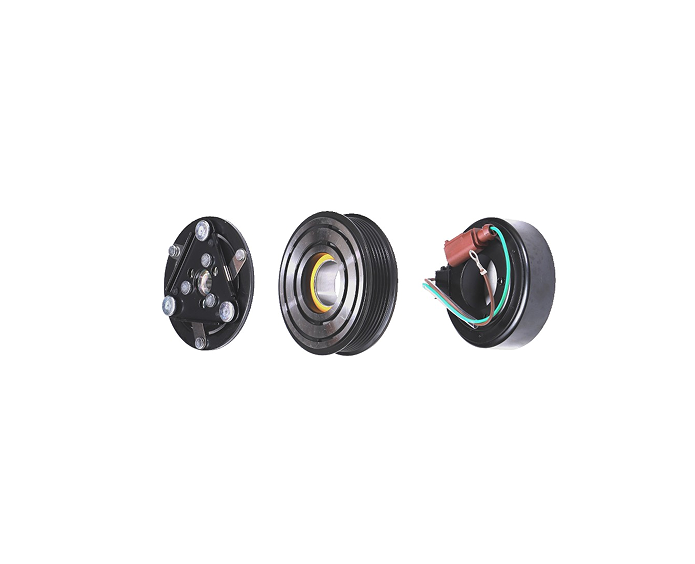
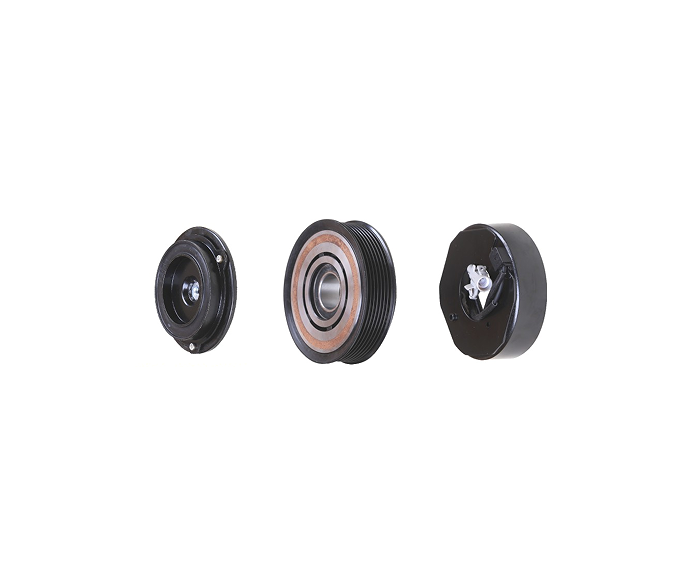
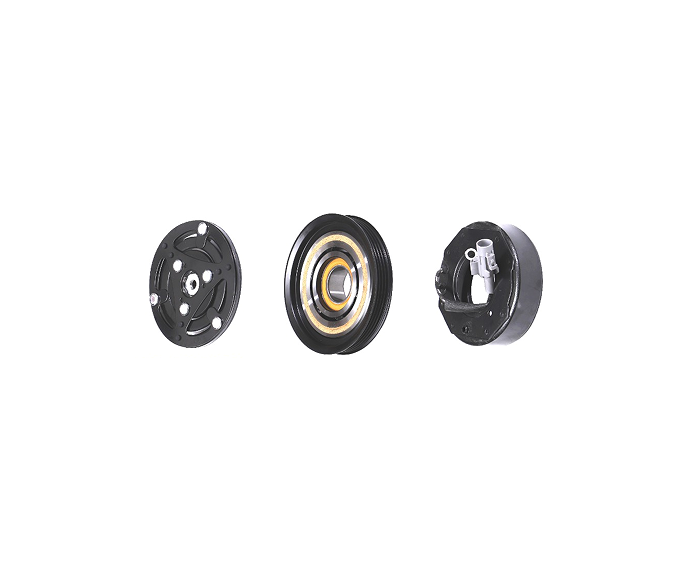
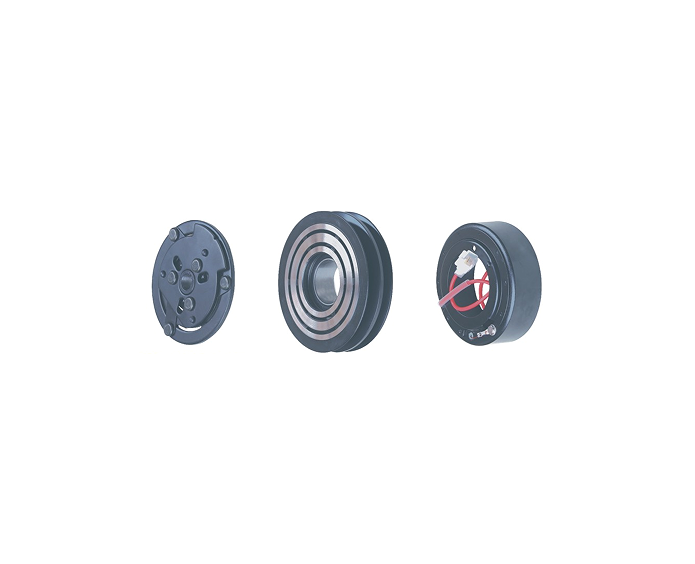
Two compressors may look similar in product photographs but differ in voltage requirements, connector configuration, control strategy, refrigerant compatibility, lubricant requirements, mounting dimensions, or application range. These differences can turn an apparently attractive quotation into an expensive sourcing problem.
The key principle is simple: qualify the product specification, the manufacturer's quality controls, and the repeat-order process before approving bulk production.
This guide focuses on manufacturer qualification, supplier evaluation, and procurement risk management. It is intended for buyers who already understand the basic purpose of an automotive air-conditioning compressor and now need to decide which supplier is suitable for a commercial purchasing program.
For a broader introduction to compressor architecture and applications, see KASEN's vehicle AC compressor guide. This article takes the next step by explaining what buyers should verify before selecting a manufacturer.
1. Define the Buyer Profile and Procurement Objective
Before evaluating manufacturers, establish what the purchasing program actually needs. Different buyers can purchase the same electric compressor category while having very different qualification requirements.
Automotive Parts Importers and Distributors
Importers and distributors usually need a combination of application coverage, manageable inventory risk, stable supply, clear labeling, and reliable technical information.
Their primary questions include:
-
Can the supplier identify the correct product reference?
-
Is the vehicle application documented?
-
Can different product versions be distinguished?
-
Are packaging and labels suitable for warehouse operations?
-
Can repeat orders be matched to the originally approved specification?
For these buyers, a broad catalog is useful only when product identity and application data are sufficiently reliable.
Aftermarket Brands and Private-Label Buyers
Aftermarket brands may need customized packaging, proprietary SKUs, barcode labels, documentation, or product identification aligned with their own catalog.
Their evaluation should cover more than unit price. They should also consider specification ownership, artwork approval, minimum order requirements, sample approval, and how product changes are communicated.
Repair Networks and Technical Parts Suppliers
Repair networks and technical distributors place greater emphasis on correct fitment, connector compatibility, installation dimensions, and the availability of model-specific information.
A product that is inexpensive but difficult to identify can increase diagnostic time, returns, and customer-service costs.
OEM-Related and Project Buyers
Project buyers may require controlled drawings, agreed technical specifications, traceable revisions, and a more formal approval process. The applicable requirements depend on the project and should be agreed before production begins.
The first task for every buyer is to document the purchasing objective: replacement supply, wholesale distribution, private label, or a specific vehicle-platform program. This objective determines which manufacturer capabilities need the strongest evidence.
2. Verify Product Identity Before Discussing Price
A quotation is only meaningful when both parties are discussing the same product.
An electric AC compressor manufacturer should be able to identify the quoted item using a controlled SKU, reference number, or other documented product identifier. Vehicle names and photographs can support identification, but they should not replace the approved product record.
Build a Product Identification Record
For each proposed compressor, collect the following information where applicable:
| Identification field | Purpose |
|---|---|
| Manufacturer SKU | Identifies the supplier's specific product |
| Buyer SKU | Connects the product to the buyer's inventory system |
| OE or cross-reference number | Supports reference matching |
| Vehicle make and model | Defines the stated application |
| Platform or chassis | Separates related vehicle configurations |
| Model year range | Controls the application period |
| Powertrain type | Distinguishes EV, HEV, and PHEV requirements |
| Compressor family | Helps identify the actual compressor configuration |
| Product revision | Records specification or design changes |
A missing field should remain marked as unconfirmed until the responsible party verifies it.
For example, a buyer searching for an electric compressor for a particular hybrid vehicle should not assume that every model year, engine configuration, or regional version uses the same compressor.
The same principle applies to OE numbers. Cross-reference information is valuable, but buyers should confirm that the reference applies to the intended vehicle configuration and compressor version.
Separate Product Identity From Marketing Language
Descriptions such as “universal electric compressor,” “direct replacement,” and “OEM quality” do not establish technical compatibility by themselves.
A product record should identify the actual configuration and the evidence supporting the application claim. If the manufacturer cannot confirm a specific vehicle or reference, that limitation should be stated clearly.
KASEN lists electric and new-energy compressors in its electric compressor product category. Buyers evaluating a specific item should use its product reference and available technical information as the starting point for further verification.
3. Confirm Electrical Specifications and Operating Requirements
Electrical compatibility is one of the most important checks when evaluating an electric AC compressor manufacturer.
Unlike a conventional belt-driven compressor, an electric compressor uses an electric motor to drive the compression mechanism. The relevant electrical architecture depends on the specific design and vehicle application.
Buyers should not assume that all electric compressors use the same voltage, current requirements, connector arrangement, or control electronics.
What Electrical Information Should Be Requested?
Ask the manufacturer to confirm the applicable fields for the exact product:
-
Rated voltage or specified operating voltage range
-
Electrical input and current requirements, where documented
-
Connector configuration
-
Motor and inverter arrangement, where applicable
-
Electrical protection requirements
-
Control interface
-
Relevant insulation and safety specifications
-
Product-specific operating limitations
The supplier should distinguish verified values from information that still requires engineering confirmation.
This is particularly important when a buyer receives a product listing with a blank voltage field or a description that mixes a compressor reference with an electrical specification. Such information should be corrected before it enters the buyer's purchasing database.
Do Not Infer Voltage From Vehicle Type
The terms EV, hybrid, and new-energy vehicle describe broad vehicle categories. They do not provide a complete compressor specification.
Two electrified vehicles may use different electrical architectures. Even products intended for related platforms may have different voltage requirements or control interfaces.
For this reason, a professional buyer should record the exact approved electrical data for each SKU rather than assigning a generic value based on the vehicle category.
Electrical information should also be consistent across the quotation, technical sheet, sample label, product page, and shipment documentation. Inconsistent data can create problems long after the initial order is completed.
4. Check Connector, Pinout, and Control Compatibility
A compressor can have the correct general shape and still be unsuitable for the target vehicle.
Connector compatibility involves more than the outer housing. Terminal arrangement, pin assignment, keying, locking features, and control requirements can all affect whether a component integrates correctly.
Connector Verification Checklist
Before sample approval, compare:
-
Connector housing and keying
-
Number and arrangement of terminals
-
Connector orientation
-
Locking mechanism
-
Harness interface, where supplied
-
Pinout documentation, where available
-
Electrical interface requirements
Photographs are useful for initial comparison, but a photograph alone does not establish the function of each terminal.
Understand the Control Method
Electric compressors may use different control architectures depending on the compressor design and vehicle platform. These can include communication-based controls, pulse-width modulation, or other application-specific interfaces.
Buyers should ask the supplier how the exact model is commanded and what supporting documentation is available.
Where relevant, confirm:
-
Communication or control method
-
Required controller or vehicle integration
-
Connector and signal definitions
-
Applicable initialization or calibration requirements
-
Known application limitations
Do not assume that a compressor is compatible merely because its connector appears to fit.
A qualified electric AC compressor manufacturer should identify what has been verified, what remains uncertain, and what information is needed to close the gap. That approach is more valuable than a broad compatibility promise without supporting technical details.
5. Confirm Refrigerant and Lubricant Requirements
Refrigerant and lubricant compatibility should be treated as part of the complete compressor specification, not as optional information added after an order has been placed.
Different automotive air-conditioning systems can require different refrigerants and lubricant specifications. An electric compressor must be suitable for the intended system, and the correct lubricant requirements should be confirmed for the exact compressor and application.
Refrigerant Verification
Ask the supplier to identify the refrigerant specified for the proposed compressor.
Do not infer refrigerant compatibility from the vehicle brand, product photograph, or a generic description. If the listing does not identify the refrigerant, mark the field as unconfirmed and request the relevant technical documentation.
Lubricant Verification
Electric compressor applications can have particular lubricant requirements because the lubricant may need to satisfy both mechanical and electrical design considerations.
Some high-voltage compressor systems use specifically approved electrically compatible oils. However, no single lubricant type should be treated as universally suitable for every electric compressor.
Confirm:
-
Specified lubricant type or grade
-
Factory oil charge status, where applicable
-
Required oil quantity, if supplied by the manufacturer
-
Port protection and contamination-control requirements
-
Any application-specific servicing restrictions
If the supplier cannot provide the required information, the buyer should seek confirmation from the applicable vehicle or system documentation before approving the product.
These checks reduce the risk of selecting a compressor that is mechanically similar but unsuitable for the intended refrigeration system.
6. Verify Mechanical Fitment and Installation Dimensions
Electrical compatibility does not eliminate the need for mechanical verification.
A compressor must fit the intended installation environment, connect correctly to the refrigerant circuit, and operate within the requirements of the vehicle system.
Critical Mechanical Fields
| Field | What to verify | Why it matters |
|---|---|---|
| Mounting points | Hole positions and mounting geometry | Determines installation compatibility |
| Housing dimensions | Overall envelope and clearance | Helps identify possible interference |
| Suction port | Position and connection interface | Supports correct hose connection |
| Discharge port | Position and connection interface | Supports correct refrigerant routing |
| Connector location | Orientation and access | Affects electrical connection |
| Compressor reference | Product-specific identification | Helps prevent incorrect substitution |
| Revision | Approved configuration | Controls repeat-order consistency |
A drawing or controlled dimensional record is useful when available. For unfamiliar references, a physical sample can help the buyer compare mounting interfaces, port positions, housing geometry, and connector orientation.
The approval process should identify which dimensions are critical and how they were checked.
A manufacturer should not claim exact fitment solely because two units look similar in photographs. Likewise, a buyer should not approve a product based only on a vehicle name if the year, platform, or compressor reference remains uncertain.
7. Understand Components, Manufacturing Control, and Product Configuration
The internal design of an electric compressor varies by product. Depending on the model, the assembly may include a motor, compression mechanism, housing, electrical connections, and integrated or associated control electronics.
Buyers do not necessarily need to reverse-engineer the product. They do need to understand which components and interfaces are critical to the application.
Questions to Ask About Product Configuration
Ask the manufacturer to identify:
-
The compressor design and product family
-
Critical electrical and mechanical interfaces
-
Components or subassemblies that affect compatibility
-
Controlled dimensions and acceptance criteria
-
Product revision and approved configuration
-
Available drawings or technical documentation
This is particularly important when a supplier offers several similar-looking compressors under different product references.
A change in connector, housing, mounting, internal motor, or control configuration may affect application compatibility. The purchasing team should know how the supplier distinguishes these versions.
Avoid Unsupported Material and Process Claims
Statements such as “premium materials,” “advanced manufacturing,” or “precision engineering” are not sufficient evidence for a purchasing decision.
Where material or process information matters, request the applicable specification or inspection record. Do not assume that two products have the same internal construction simply because their external housings look similar.
For aftermarket distributors, the practical goal is to obtain enough controlled information to approve the intended product, identify it accurately, and reproduce the same purchasing specification later.
8. Audit Quality Control and Technical Evidence
A supplier's quality claims should be evaluated through the inspection activities and records relevant to the exact product. An electric compressor has requirements that may include electrical operation, mechanical integrity, refrigerant-system integrity, connector condition, identification, and packaging protection. The appropriate inspection scope depends on the compressor design and the agreed purchasing specification.
What Should a Quality-Control Plan Cover?
|
QC area |
Evidence to request |
|---|---|
|
Product identification |
SKU and revision records |
|
Incoming components |
Applicable inspection criteria |
|
Assembly |
Controlled process or inspection checkpoints |
|
Electrical checks |
Model-specific parameters and acceptance limits |
|
Mechanical inspection |
Critical dimensions and interfaces |
|
Leakage or sealing |
Applicable test method and result |
|
Final inspection |
Defined acceptance checklist |
|
Traceability |
Batch or production identification, where available |
|
Nonconforming product |
Handling and corrective-action process |
The purpose of this table is not to require every test for every order. It is to help buyers determine which checks are relevant and whether the manufacturer can demonstrate that they were performed.
Distinguish a Supplier's Claim From Evidence
An electric AC compressor manufacturer may describe a product as high quality, durable, energy-efficient, or equivalent to an original equipment component. These statements should not replace product-specific documentation.
When a supplier makes a technical claim, ask three questions:
-
Which compressor model does the claim apply to?
-
What test method or specification supports it?
-
What result or acceptance criterion was recorded?
For example, a statement about operating-temperature resistance is incomplete without the relevant temperature range, test duration, operating condition, and pass/fail criteria. Similarly, a claim about cooling performance should identify the test configuration and comparison baseline.
If the manufacturer cannot provide supporting evidence, the buyer should treat the claim as unverified rather than automatically rejecting or accepting the product.
For additional context on compressor construction and product selection, review KASEN's automotive air-conditioning compressor information. For a purchasing decision, however, the final approval should rely on the actual specification and evidence for the product being quoted.
9. Approve a Golden Sample Before Bulk Production
A sample can reveal problems that are difficult to detect from a catalog. It allows the buyer to examine product identity, connector configuration, mounting interfaces, packaging, labels, and other characteristics before committing to a larger order.
However, sample approval is only useful when the approved unit is documented and linked to the subsequent production order.
Create a Controlled Sample Approval Record
A golden-sample record should include the information relevant to the product:
-
Buyer and manufacturer SKU
-
OE or cross-reference number
-
Vehicle and platform application
-
Approved electrical specifications
-
Connector and control information
-
Refrigerant and lubricant requirements
-
Mounting dimensions and port configuration
-
Product photographs and label details
-
Packaging requirements
-
Revision number and approval date
Not every project requires a separate document for every field. The important requirement is that the approved configuration can be identified unambiguously.
Define What Happens When a Sample Fails
A professional approval process should specify how discrepancies are handled.
If the sample has the wrong connector, incomplete documentation, an inconsistent label, or a mounting interface that differs from the agreed drawing, the buyer should record the issue and request clarification or correction before approval.
The buyer should also agree whether a revised sample is required after a significant change. This prevents an unapproved modification from entering the production order simply because the original quotation has already been accepted.
For aftermarket distributors, this step is especially important when a product will be listed under a private-label SKU. The sample, approved technical record, and final catalog entry should all describe the same product.
10. Evaluate Production Capacity and Lead-Time Reliability
Production capacity is often discussed during supplier qualification, but buyers should distinguish nominal capacity from the supplier's ability to deliver the required product on schedule.
An electric AC compressor manufacturer may have multiple product families, different component supply chains, and different inspection requirements. A large overall production figure does not automatically demonstrate that a specific compressor can be supplied in the required quantity and timeframe.
Questions to Ask About Production Planning
Before placing a bulk order, confirm:
-
Whether the requested product is a standard item or requires customization
-
Whether the quoted quantity is available from existing stock or requires production
-
Which components may affect the schedule
-
Whether sample approval must be completed before production begins
-
What lead time applies to the first order
-
Whether repeat orders follow the same lead-time assumptions
-
How production delays or component shortages are communicated
A useful quotation separates the estimated lead time for sample preparation, approval, production, inspection, and dispatch where those stages apply.
The buyer should also clarify the difference between production completion and shipment. A factory may finish manufacturing before the goods are ready for export, packaging approval, or collection.
Use Forecasts to Improve Supply Planning
For recurring orders, provide an estimated purchasing schedule rather than treating every order as an isolated transaction.
A forecast helps the supplier understand expected demand and allows both sides to discuss production planning, inventory availability, and potential changes in order quantities.
The forecast should not be treated as a guaranteed commitment unless the parties have agreed to that arrangement. Instead, use it as a planning tool and confirm each order's quantity, price, specification, and delivery schedule separately.
11. Verify OEM, ODM, and Private-Label Capabilities
OEM-related services can be commercially valuable, but buyers should clarify exactly what the supplier offers.
In aftermarket sourcing, the terms OEM, ODM, and private label are sometimes used loosely. They may refer to different arrangements, such as manufacturing to an approved specification, adapting an existing product, developing a new configuration, or applying buyer-specific packaging.
These arrangements should not be treated as equivalent.
Questions to Resolve Before Customization
|
Topic |
What to confirm |
|---|---|
|
Product specification |
Existing design or buyer-provided specification |
|
Drawing ownership |
Who provides and approves the controlled drawing |
|
Customization scope |
Which technical or commercial elements may change |
|
Tooling or development costs |
Whether additional charges apply |
|
Minimum order quantity |
Minimum for the product and customization |
|
Sample approval |
Required samples and approval criteria |
|
Packaging and labels |
Artwork, barcodes, language, and SKU rules |
|
Intellectual property |
Confidentiality and permitted use of drawings |
|
Revision management |
How changes are approved and recorded |
For a private-label program, packaging customization does not automatically mean that the compressor itself has been redesigned or independently validated for a new application.
Likewise, a supplier manufacturing to a buyer's specification should not be described as an original vehicle manufacturer's authorized supplier unless that status is independently established.
The buyer should define the actual commercial arrangement in the quotation, technical agreement, or purchase order. This avoids misunderstandings about product ownership, customization, exclusivity, and quality responsibilities.
For company background and an overview of KASEN's stated business scope, see the About KASEN page. Specific OEM, ODM, customization, and private-label capabilities should be confirmed for the intended product and order.
12. Control Packaging, Product Identification, and Repeat Orders
Packaging is not simply a finishing detail. For a technical automotive component, it helps protect the product and maintain identification throughout storage, transport, and distribution.
A correct compressor can still create commercial problems if its ports are insufficiently protected, connectors are damaged, labels are inaccurate, or multiple references are mixed in the same shipment.
Packaging Requirements for Bulk Buyers
Confirm the following before production or shipment:
-
Protection for refrigerant ports and exposed interfaces
-
Connector protection
-
Packaging suitable for the intended transport and storage conditions
-
Individual product identification
-
Buyer SKU and manufacturer SKU
-
OE/reference labeling where agreed
-
Barcode and carton-label requirements
-
Quantity per inner and outer carton
-
Private-label artwork approval
-
Packing list and shipment-document requirements
The exact packaging method should be appropriate to the product and transport conditions rather than copied from a different compressor model.
Prevent Repeat-Order Specification Drift
One of the most important questions for a long-term supplier is how it controls product changes.
A change to the connector, housing, mounting interface, control configuration, or another critical feature may affect fitment even if the sales description remains unchanged.
Agree on which changes require notification, updated documentation, a new sample, or renewed buyer approval.
A repeat order should reference the approved SKU and revision rather than relying only on an old email, product photograph, or informal description.
This is particularly important for distributors with established catalog data. A specification change can affect product listings, warehouse identification, customer fitment, and after-sales support simultaneously.
How to Compare Electric AC Compressor Manufacturer Quotations
Once the technical requirements are defined, compare quotations using the same purchasing scope.
A lower unit price is not necessarily a lower total cost if it excludes required documentation, uses an unverified reference, requires additional validation, or increases the risk of returns.
Use a Like-for-Like Comparison
|
Comparison factor |
What buyers should compare |
|---|---|
|
Product identity |
Same SKU, OE reference, and intended application |
|
Technical scope |
Voltage, control, refrigerant, and mechanical interfaces |
|
Documentation |
Specifications and agreed inspection records |
|
Sample |
Availability, cost, and approval requirements |
|
MOQ |
Standard and customized-order quantities |
|
Lead time |
Production, inspection, and dispatch assumptions |
|
Packaging |
Standard or private-label requirements |
|
Warranty |
Written duration, scope, and exclusions |
|
Payment terms |
Deposit, balance, and agreed payment conditions |
|
Change control |
Notification and reapproval arrangements |
Calculate Total Sourcing Cost
For practical purchasing decisions, consider:
Total sourcing cost = product cost + validation cost + logistics cost + expected mismatch cost + inventory risk + after-sales handling cost.
This is a decision framework, not a universal accounting formula. Each business should adapt it to its own operations and data.
For example, a distributor selling multiple compressor references may place a high value on reliable application data because incorrect catalog mapping can affect many customer orders. A private-label buyer may place greater emphasis on packaging control and revision management.
The best supplier is therefore the one that meets the actual commercial and technical requirements at an acceptable total cost—not automatically the supplier with the lowest quoted price.
Electric AC Compressor Manufacturer RFQ Checklist
A well-prepared request for quotation reduces repeated emails and helps identify technical gaps before the purchasing decision.
Use the following checklist when contacting a potential supplier.
|
RFQ field |
Information to provide |
|---|---|
|
Buyer SKU |
Internal product or project code |
|
OE/reference number |
Available OE or cross-reference |
|
Vehicle application |
Make, model, platform, and year range |
|
Powertrain |
EV, HEV, or PHEV |
|
Compressor reference |
Known model or family |
|
Voltage |
Verified requirement or marked TBC |
|
Connector |
Photos, drawing, or reference |
|
Control method |
Known interface or marked TBC |
|
Refrigerant |
Required system refrigerant |
|
Lubricant |
Required specification, if known |
|
Mechanical fitment |
Drawing, dimensions, or physical sample |
|
Quantity |
Sample quantity and expected bulk quantity |
|
Packaging |
Standard or private-label requirement |
|
Destination market |
Country or region |
|
Documentation |
Required specifications and QC records |
|
Delivery requirement |
Target schedule and shipping conditions |
If some fields are unknown, identify them as TBC (to be confirmed). Do not guess a voltage, refrigerant, or vehicle application simply to complete the RFQ.
A capable supplier should help identify the missing information and explain what is needed to verify the proposed product.
Buyers ready to evaluate available products can begin with KASEN's electric and new-energy compressor category. For a specific quotation, use the KASEN contact page and provide the available reference numbers, application details, quantities, and packaging requirements.
Red Flags When Auditing an Electric AC Compressor Manufacturer
A supplier may legitimately need time to confirm a technical field. The warning sign is not uncertainty itself; it is making a confident claim without sufficient supporting information.
Watch for the following:
-
Claims of universal compatibility without a defined application scope
-
Exact-fit promises based only on photographs
-
Missing voltage or connector information
-
Unclear refrigerant and lubricant requirements
-
Performance percentages without test conditions
-
Quality claims without identified inspection criteria
-
Warranty promises without written terms
-
Sample approval without a controlled product reference
-
Different SKUs using inconsistent technical descriptions
-
Repeat orders with undocumented specification changes
-
Broad OEM-equivalence claims without supporting evidence
-
Unclear responsibilities for nonconforming products
These issues do not automatically prove that a supplier is unsuitable. They indicate where the buyer needs additional evidence, corrective action, or contractual clarification before placing an order.
A professional manufacturer should be able to distinguish confirmed facts from open questions and provide a reasonable path toward resolving the qualification process before production release.
Frequently Asked Questions About Electric AC Compressor Manufacturers
What should buyers look for in an electric AC compressor manufacturer?
Buyers should evaluate product identification, vehicle and OE reference accuracy, electrical specifications, connector and control compatibility, refrigerant requirements, mechanical fitment, quality inspection, sample approval, and repeat-order consistency. Manufacturing capabilities and commercial terms should then be assessed against the actual purchasing requirements.
How can I verify whether an electric AC compressor fits a specific vehicle?
Start with the OE or compressor reference, vehicle make and model, platform, model year, and powertrain. Then verify voltage, connector, control interface, refrigerant, lubricant, mounting dimensions, and ports as applicable. Do not rely solely on product photographs or a general vehicle compatibility statement.
What technical documents should I request before placing a bulk order?
Request the available product specification, application or cross-reference record, dimensional drawing, electrical and connector information, applicable QC records, sample approval documentation, and product revision details. The exact document set depends on the compressor model and the intended application.
Can one electric AC compressor work across multiple EV models?
Some compressors may serve multiple verified applications, but compatibility must be established for the specific product and vehicle configurations. Similar vehicle names, connectors, or external dimensions do not prove that electrical and refrigeration requirements are interchangeable.
How should buyers compare electric compressor suppliers?
Compare suppliers against the same technical specification, sample requirements, inspection scope, MOQ, lead time, packaging, warranty terms, and change-control process. A lower quotation is not necessarily the better commercial choice if it introduces greater fitment, inventory, or after-sales risk.
Why is sample approval important for private-label compressor orders?
Sample approval establishes the agreed product configuration before bulk production. Linking the approved sample to the supplier SKU, buyer SKU, technical specification, label, packaging, and revision helps prevent discrepancies between the evaluated product and subsequent shipments.
What information should an electric AC compressor RFQ include?
Provide the OE/reference number, vehicle and platform details, model year, powertrain, compressor reference, available electrical specifications, connector information, refrigerant, lubricant requirements, quantity, destination market, and packaging requirements. Mark unknown technical fields as TBC rather than estimating them.
How can distributors reduce repeat-order quality problems?
Maintain a controlled product master, record the approved sample and revision, define critical acceptance criteria, and agree on how specification changes are communicated. Repeat orders should reference the approved configuration rather than relying only on a previous email or product photograph.
What does OEM or private-label service mean when sourcing electric compressors?
The term may describe different arrangements, including manufacturing to an approved specification, product customization, or buyer-specific packaging. Buyers should confirm the actual scope, tooling or development costs, MOQ, intellectual-property arrangements, and approval responsibilities instead of assuming that private-label service implies original vehicle-manufacturer authorization.
Where can buyers review KASEN electric AC compressor products?
Review the KASEN electric and new-energy compressor category. For a specific purchasing inquiry, provide the available OE/reference, vehicle details, technical requirements, quantity, and packaging needs through the KASEN contact page.
Conclusion
Selecting an electric AC compressor manufacturer for EV and hybrid applications comes down to four purchasing priorities:
-
Verify compatibility: Confirm OE/reference, vehicle platform, voltage, control interface, refrigerant, lubricant, and mechanical fitment as applicable.
-
Verify quality: Request relevant specifications, inspection evidence, and a documented sample-approval process.
-
Control commercial risk: Compare equivalent quotations, lead times, MOQ, packaging, warranty terms, and change-management arrangements.
-
Protect repeat orders: Link the approved sample to a controlled SKU, specification, revision, and traceable purchasing record.
For importers, distributors, and aftermarket brands, the objective is not simply to find a low-priced compressor. It is to establish a supply relationship in which the product can be identified, verified, approved, and reproduced consistently.
To evaluate available products, visit KASEN's electric AC compressor range and submit your application details and purchasing requirements through the contact page.