
Why Vehicle AC Compressor Selection Depends on Application
A vehicle AC compressor is the core component responsible for circulating refrigerant and maintaining cooling performance in automotive air conditioning systems.
However, different vehicles operate under different conditions.
A compressor used in a passenger vehicle may not be suitable for:
- Long-distance trucks
- City buses
- Fleet vehicles
- Heavy-duty commercial vehicles
- Special-purpose vehicles
For professional buyers, compressor selection should consider the entire vehicle environment, including:
- Operating hours
- Cabin size
- Cooling demand
- Engine configuration
- Climate conditions
- Maintenance requirements
- Replacement frequency
For importers, distributors, and fleet-service suppliers, choosing the correct compressor is not only about technical compatibility. It also affects inventory efficiency, customer satisfaction, and long-term supply stability.
KASEN provides automotive air conditioning solutions including compressors, compressor clutches, electric compressors, valves, and related components. Buyers can explore the complete KASEN automotive AC product range.
What Is a Vehicle AC Compressor?
A vehicle AC compressor is the component that compresses refrigerant and drives the refrigeration cycle inside a vehicle air conditioning system.
Its main functions include:
- Compressing refrigerant
- Maintaining refrigerant circulation
- Supporting cooling performance
- Working with condenser, evaporator, valves, and other AC components
The compressor operates under demanding automotive conditions, including:
- Continuous vibration
- Temperature changes
- Limited installation space
- Different engine speeds
- Frequent operating cycles
Unlike stationary air conditioning systems, vehicle compressors must be designed for mobile environments.
Main Vehicle Applications Using AC Compressors
A professional vehicle AC compressor supplier needs to understand that different vehicle categories have different requirements.
Passenger Vehicles
Passenger cars usually focus on:
- Compact installation
- Low noise
- Comfortable cabin cooling
- Energy efficiency
- Replacement availability
Common buyers include:
- Auto parts distributors
- Repair chains
- Aftermarket suppliers
Typical products include:
- Belt-driven compressors
- Variable displacement compressors
- Electric compressors for EVs
For passenger vehicle compressor applications, buyers can review KASEN's auto AC compressor products.
Commercial Vehicles
Commercial vehicles usually operate longer hours than private passenger cars.
Examples include:
- Delivery vehicles
- Vans
- Service vehicles
- Transport vehicles
Their compressor requirements often emphasize:
- Reliability
- Long service life
- Stable cooling
- Easy maintenance
- Replacement availability
For commercial vehicle suppliers, compressor selection should consider actual working conditions rather than only vehicle specifications.
Truck AC Compressor Applications
Truck air conditioning systems often face more demanding environments.
Heavy vehicles may experience:
- Long driving hours
- High engine load
- Extreme temperatures
- Dust and vibration
Truck buyers usually prioritize:
- Durability
- Continuous operation capability
- Stable supply
- Reduced downtime
A compressor failure in a commercial truck can create significant operational losses, making supplier reliability especially important.
Bus AC Compressor Applications
Bus air conditioning systems have different requirements because they serve larger passenger spaces.
Important factors include:
- Higher cooling demand
- Longer operating periods
- Passenger comfort requirements
- Fleet maintenance schedules
For bus operators and maintenance suppliers, the compressor must match not only the vehicle but also the operating environment.
Fleet Vehicle Applications
Fleet operators usually prefer standardized replacement programs.
Examples include:
- Taxi fleets
- Delivery fleets
- Rental fleets
- Corporate vehicles
- Public transportation
Fleet buyers typically focus on:
- Repeat availability
- Consistent specifications
- Lower maintenance costs
- Fast replacement
A supplier capable of supporting multiple compressor categories can simplify fleet maintenance purchasing.
Different Types of Vehicle AC Compressors
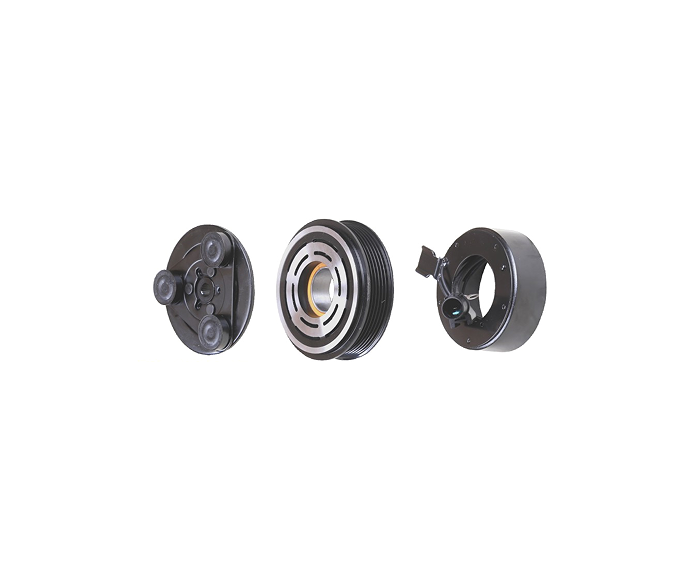
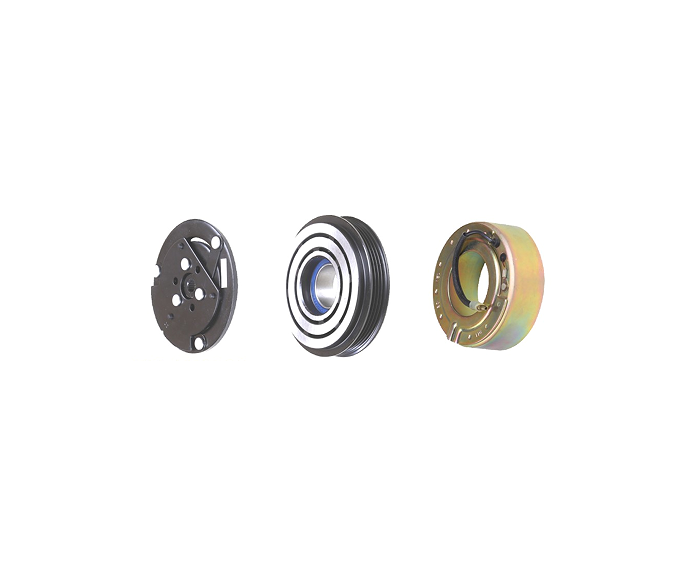
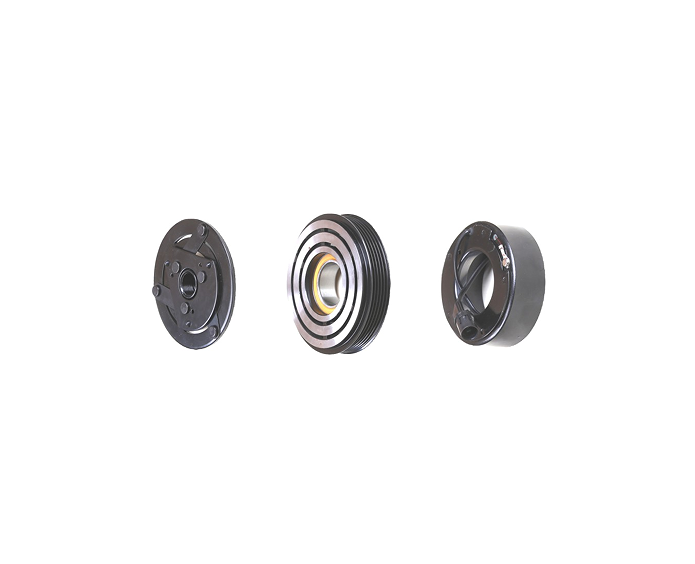
Belt-Driven Compressors
Traditional vehicle compressors are often driven by engine belts.
They commonly include:
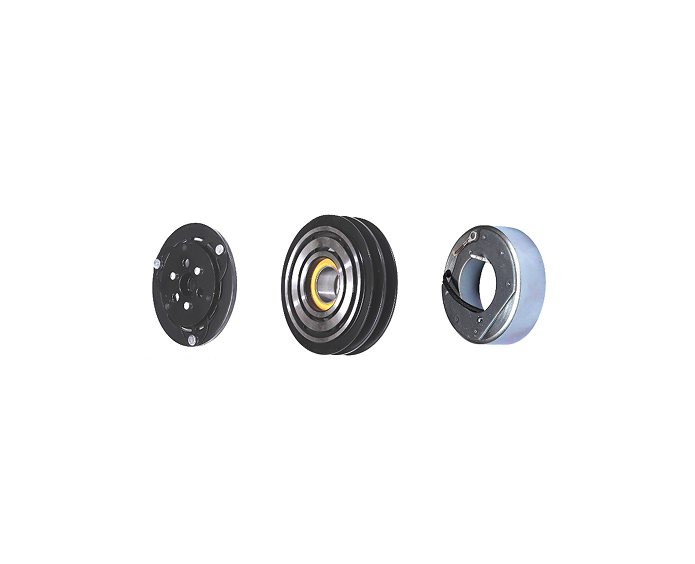
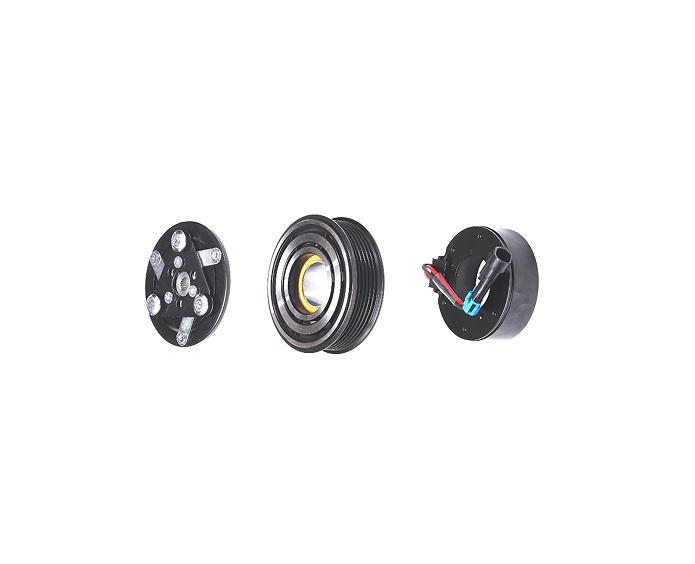
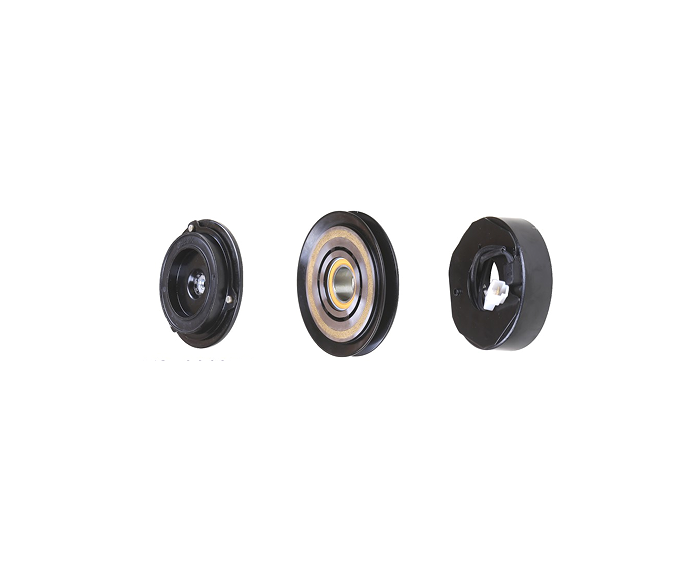
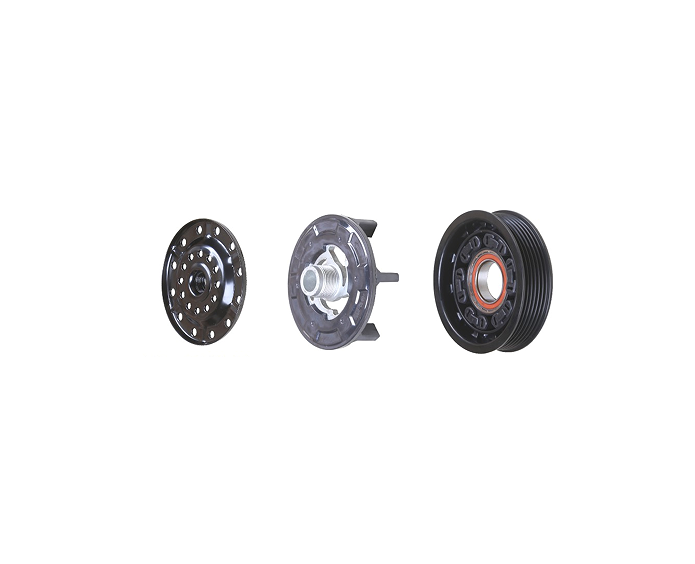
- Compressor body
- Pulley
- Clutch
- Coil
- Bearing
Important matching factors include:
- Pulley diameter
- Belt grooves
- Compressor model
- Mounting points
- Clutch specification
KASEN also provides related AC compressor clutch solutions for replacement applications.
Variable Displacement Compressors
Variable displacement compressors adjust output according to cooling demand.
Advantages include:
- Better efficiency
- More stable temperature control
- Reduced unnecessary compressor operation
However, they require accurate matching of:
- Compressor model
- Control valve
- Vehicle system
- Electrical control
Electric Vehicle AC Compressors
Electric vehicles use electrically driven compressors.
Unlike traditional systems:
- They do not rely on engine rotation
- They require electrical compatibility
- They integrate with vehicle thermal management
Important specifications include:
- Voltage
- Connector
- Control system
- Refrigerant
- Vehicle platform
KASEN provides electric compressor solutions for new energy vehicle applications.
How Buyers Match the Correct Vehicle AC Compressor
Correct matching is one of the most important factors in compressor purchasing.
A professional buyer should confirm:
Vehicle Information
Including:
- Vehicle brand
- Vehicle model
- Production year
- Engine type
- Market region
Compressor Information
Including:
- Compressor model
- OE number
- Displacement
- Mounting structure
- Pulley configuration
System Information
Including:
- Refrigerant type
- Compressor oil
- Electrical requirements
- Control method
Physical Information
Including:
- Dimensions
- Connector shape
- Mounting points
- Refrigerant ports
A complete matching process reduces:
- Incorrect shipments
- Returns
- Installation problems
- Customer complaints
Technical Specifications Buyers Should Compare
| Specification | Importance |
|---|---|
| OE Number | Replacement accuracy |
| Compressor Model | Application identification |
| Refrigerant | System compatibility |
| Oil Requirement | Lubrication performance |
| Pulley Type | Belt system matching |
| Voltage | Electrical compatibility |
| Connector | Installation matching |
| Mounting Position | Physical installation |
| Cooling Capacity | Vehicle requirement |
| Operating Environment | Application suitability |
Vehicle AC Compressor Selection by Operating Environment
Normal Passenger Use
Priority:
- Comfort
- Low noise
- Efficiency
- Cost control
Heavy-Duty Operation
Priority:
- Durability
- Long working hours
- Stable cooling
- Maintenance efficiency
Hot Climate Regions
Vehicles operating in high-temperature regions may require greater attention to:
- Cooling capacity
- Compressor reliability
- System maintenance
- Correct refrigerant management
Fleet Maintenance
Fleet customers often prioritize:
- Standardized parts
- Reliable supplier support
- Fast replenishment
- Lower downtime
Common Vehicle AC Compressor Problems
Common customer complaints include:
- Weak cooling
- No cooling
- Compressor noise
- Compressor not engaging
- Refrigerant leakage
- Abnormal vibration
However, these symptoms do not always mean compressor replacement is required.
Possible causes include:
- Clutch failure
- Electrical problems
- Refrigerant issues
- Control valve problems
- Condenser problems
- Incorrect servicing
Proper diagnosis is important before replacing the compressor.
Why Vehicle AC Compressors Fail After Replacement
A replacement compressor may fail if the original system problem has not been solved.
Potential causes include:
- Incorrect refrigerant charge
- Wrong compressor oil
- System contamination
- Blocked components
- Incorrect installation
- Poor system diagnosis
For buyers and distributors, understanding these risks helps reduce unnecessary warranty disputes.
How Distributors Should Build a Vehicle AC Compressor Product Range
A strong compressor catalog should match actual market demand.
High-Demand Applications
Recommended inventory:
- Popular vehicle models
- Common fleet applications
- Frequently requested references
Medium-Demand Applications
Suitable for:
- Regional demand
- Limited stock
- Regular replenishment
Low-Demand Applications
Recommended approach:
- Supplier stock
- Special order
- Sample confirmation
This prevents excessive inventory while maintaining market coverage.
OEM and Aftermarket Vehicle AC Compressor Solutions
Professional buyers often require more than standard products.
OEM-related requirements may include:
- Product matching
- Custom packaging
- Private labeling
- Drawing-based development
- Sample confirmation
For aftermarket brands and distributors, supplier flexibility can improve product competitiveness.
Learn more about KASEN's company capabilities on the About Us page.
How to Evaluate a Vehicle AC Compressor Supplier
Product Coverage
A supplier should support different applications:
- Passenger vehicles
- Commercial vehicles
- Trucks
- Buses
- Electric vehicles
Technical Support
The supplier should help with:
- OE matching
- Product identification
- Application questions
- Sample confirmation
Quality Control
Buyers should evaluate:
- Material inspection
- Assembly control
- Performance testing
- Product consistency
Repeat Supply Capability
For distributors, long-term supply is more important than a single successful order.
A reliable supplier should maintain:
- Stable specifications
- Clear product references
- Consistent production
Why Choose KASEN for Vehicle AC Compressor Supply?
Guangzhou Kasen Auto Air Conditioner Co., Ltd. focuses on automotive air conditioning products and provides compressors, compressor clutches, electric compressors, valves, and related components.
KASEN supports global customers requiring:
- Automotive AC component sourcing
- OEM-related solutions
- Product matching
- Multi-category purchasing
Buyers can review:
- KASEN Products
- Auto AC Compressor Range
- Compressor Clutch Products
- Electric Compressor Products
- Contact KASEN
Frequently Asked Questions About Vehicle AC Compressors
What is a vehicle AC compressor?
A vehicle AC compressor is the component that compresses refrigerant and maintains circulation within the vehicle air conditioning system.
Are all vehicle AC compressors interchangeable?
No. Compressors require accurate matching based on vehicle application, compressor model, OE number, mounting, refrigerant, and electrical specifications.
What vehicles use AC compressors?
Vehicle AC compressors are used in passenger cars, commercial vehicles, trucks, buses, fleets, hybrid vehicles, and electric vehicles.
How do I choose a truck or bus AC compressor?
Consider vehicle application, operating hours, cooling demand, compressor specifications, and long-term supply availability.
What information should I provide for compressor quotation?
Provide:
- OE number
- Vehicle model
- Year
- Engine
- Compressor model
- Photos
- Quantity requirements
Can one compressor supplier support different vehicle applications?
Yes, suppliers with broader product ranges can support multiple applications, reducing sourcing complexity.
What causes compressor replacement failures?
Common causes include incorrect installation, wrong oil, contamination, refrigerant problems, or unresolved system issues.
Do vehicle AC compressors support OEM customization?
Depending on supplier capability, OEM services may include product matching, packaging, labeling, and customized development.
Are aftermarket vehicle AC compressors reliable?
Quality depends on supplier manufacturing capability, application accuracy, testing, and repeat-order consistency.
How can I contact KASEN for vehicle AC compressor sourcing?
Send your vehicle information, OE references, compressor details, samples, or drawings through the KASEN contact page.
Conclusion
Selecting the correct vehicle AC compressor requires understanding the vehicle application, operating environment, technical specifications, and supplier capability.
For passenger cars, trucks, buses, and commercial fleets, the ideal compressor solution is not simply the cheapest product. It is a product that provides accurate fitment, reliable operation, stable supply, and long-term purchasing value.
KASEN provides vehicle AC compressor solutions for global automotive buyers, including compressors, compressor clutches, electric compressors, and related AC components.
Explore the KASEN automotive AC product range or contact KASEN for vehicle compressor sourcing requirements.