
The Critical Role of Engagement in AC Systems
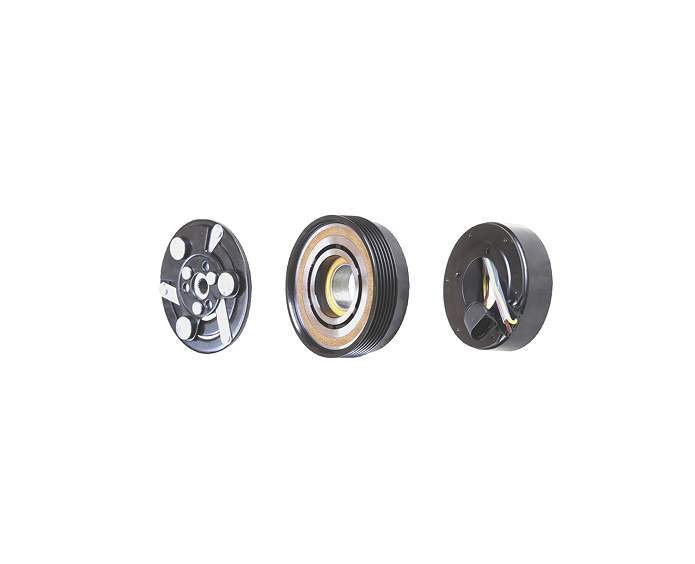
The automotive air conditioner clutch serves as the primary interface between engine power and the compressor. Its engagement and disengagement directly control:
- Torque transfer efficiency
- AC cooling response
- Engine load
- Fuel consumption
- Component durability
Understanding this mechanism is essential for fleet operators, OEM manufacturers, and distributors.
Electromagnetic Operation Principle
Modern automotive AC clutches rely on an electromagnetic system:
- When the AC system signals a cooling demand, the coil receives voltage.
- The energized coil generates a magnetic field.
- The armature plate is pulled toward the pulley.
- Torque is transmitted to the compressor shaft.
- Once cooling demand is met, power is cut, and the clutch disengages.
This cycle occurs tens of thousands of times in a vehicle’s lifetime, emphasizing the importance of precise engagement design.
Key Components Involved
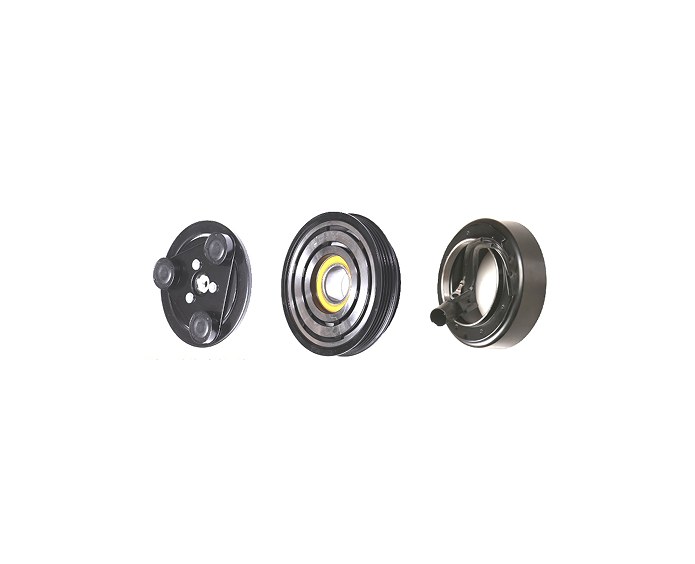
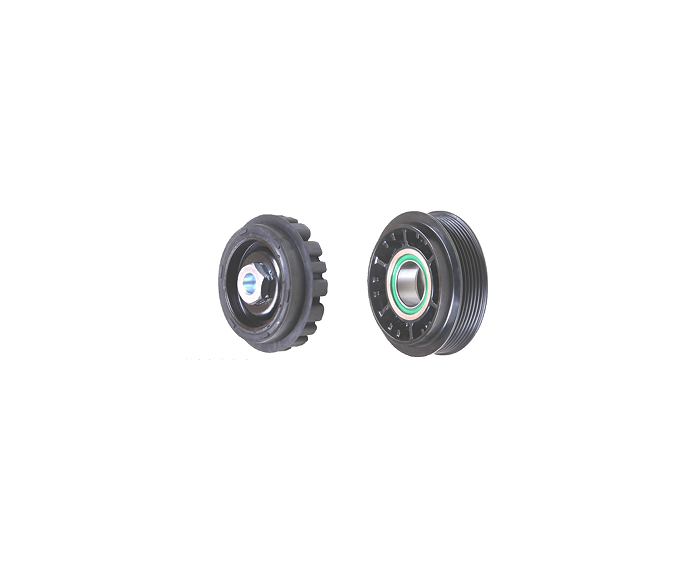
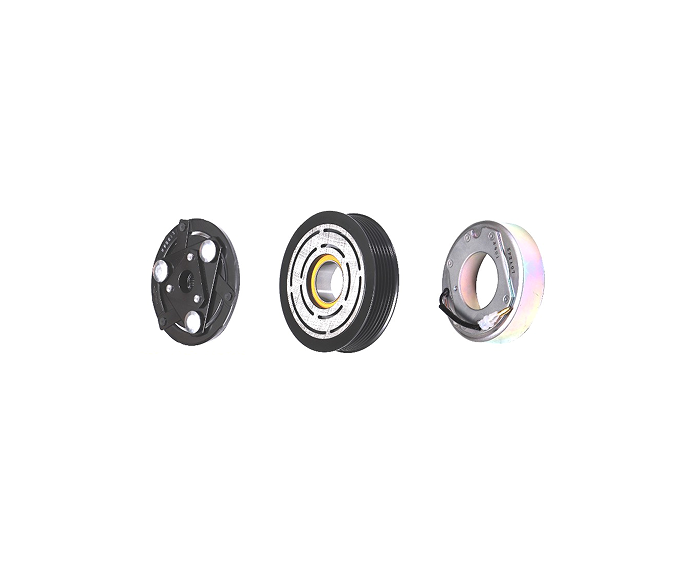
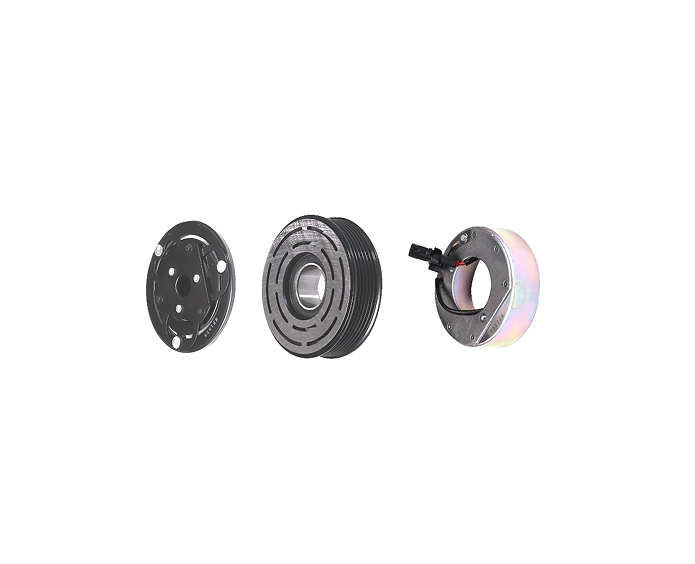
1. Electromagnetic Coil
- Generates the magnetic field for engagement
- Requires high-purity copper windings and insulation class F/H
- Thermal endurance up to 155°C ensures long-term reliability
2. Armature Plate
- Transfers torque from pulley to compressor shaft
- Must maintain flatness to prevent slippage
- Material durability prevents early wear
3. Pulley and Bearing Assembly
- Rotates continuously even when clutch disengaged
- High-precision bearing reduces friction and vibration
- Proper alignment ensures consistent air gap and engagement
4. Friction Surface
- Provides stable torque transfer
- Thermal and mechanical resilience is critical for repeated cycles
Engagement Sequence and Timing
The effectiveness of the automotive air conditioner clutch depends on:
- Correct air gap calibration
- Coil magnetic strength
- Pulley concentricity
- Friction coefficient stability
Properly timed engagement reduces parasitic engine load and improves cooling efficiency.
Disengagement Dynamics
Disengagement prevents continuous load on the engine:
- Voltage removal collapses magnetic flux
- Armature separates from the pulley
- Compressor stops transmitting torque
Rapid, clean disengagement minimizes wear and prevents energy loss.
Common Issues Affecting Engagement and Disengagement
- Coil burnout reducing magnetic pull
- Air gap misalignment causing slippage
- Bearing degradation producing vibration and noise
- Friction plate wear leading to incomplete engagement
Timely inspection and replacement of the automotive air conditioner clutch ensure smooth operation.
Maintenance Considerations
- Monitor engagement response time and torque stability
- Inspect pulley rotation and bearing condition regularly
- Replace worn friction plates and check air gap tolerance
- Verify coil resistance and insulation integrity
Proper maintenance extends the service life and maintains energy efficiency.
OEM and Aftermarket Insights
For OEM applications:
- High tolerance control ensures consistent engagement cycles
- Verified lifecycle testing reduces warranty claims
For aftermarket distributors:
- Reliable engagement performance ensures lower return rates
- Proper documentation aids fleet operators in preventive maintenance
A well-designed automotive air conditioner clutch balances durability, energy efficiency, and operational reliability.
Frequently Asked Questions
Q1: How often should the engagement mechanism be checked?
Every 50,000 km or during scheduled AC system maintenance.
Q2: Can improper engagement damage the compressor?
Yes. Slippage or misalignment increases wear on the compressor shaft.
Q3: Is coil voltage critical for proper engagement?
Absolutely. Incorrect voltage reduces magnetic pull and engagement reliability.
Conclusion: Precision Engagement Protects Performance
The engagement and disengagement mechanism defines the effectiveness of the automotive air conditioner clutch. Proper design, material quality, and maintenance ensure:
- Efficient torque transfer
- Reduced engine load
- Prolonged compressor life
- Stable cooling performance
For OEM manufacturers and distributors seeking reliable, precision-tested automotive air conditioner clutch solutions, explore:
https://www.gzkasen.com/
For technical consultation or quotations:
https://www.gzkasen.com/contact-us/