
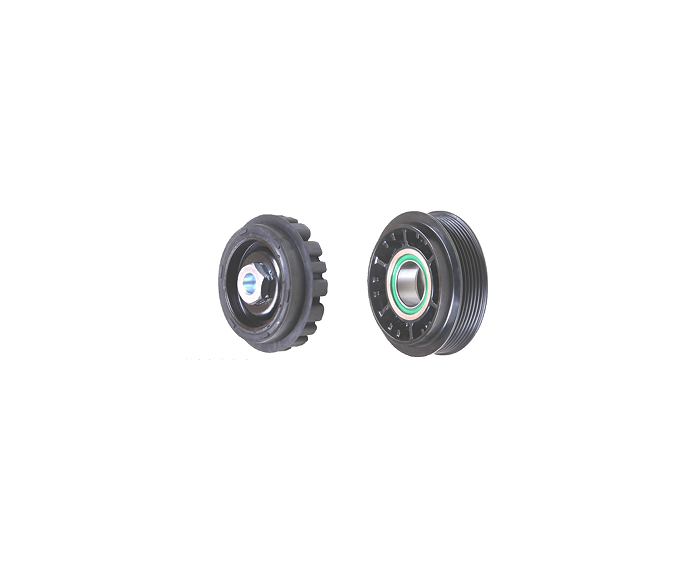
Why Magnetic Engagement Changed AC System Design
Before electromagnetic control became standard, mechanical systems relied on constant coupling. That approach wasted energy and reduced flexibility.
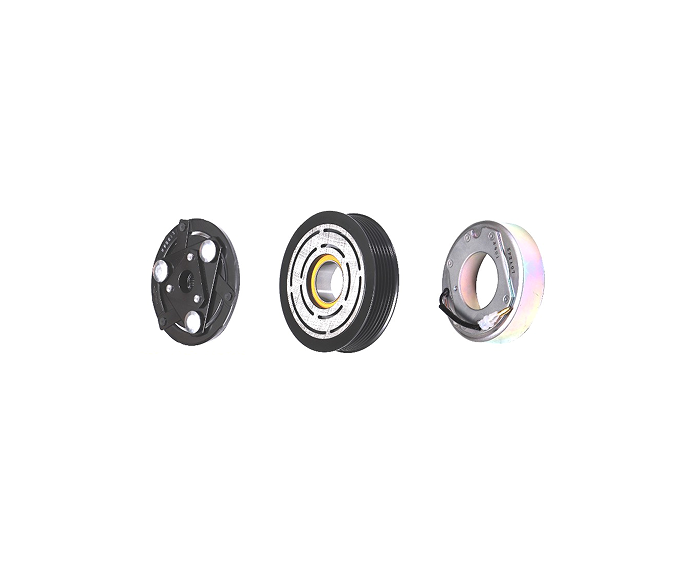
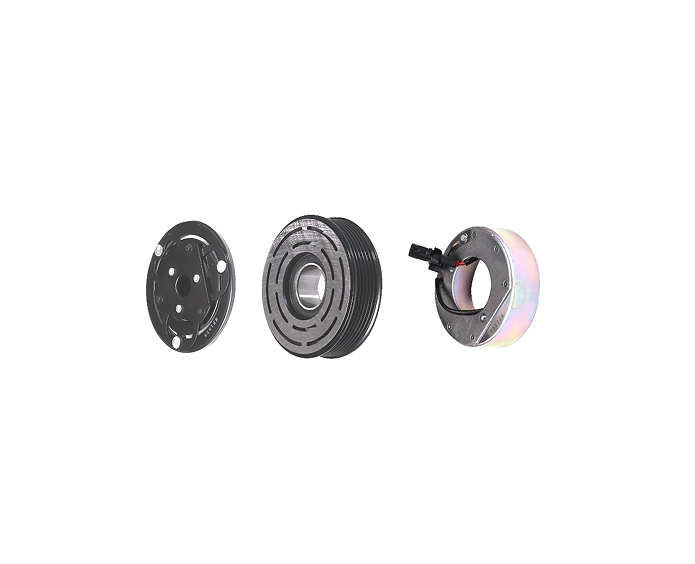
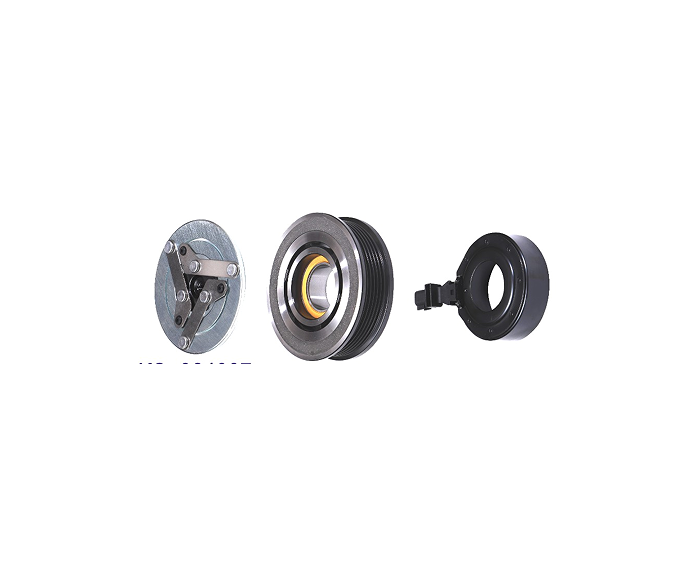
The introduction of magnetic clutch technology transformed the automotive air conditioner clutch into a responsive, on-demand torque control device.
Instead of mechanical linkage, magnetic force now governs engagement precision.
The difference seems subtle. In reality, it reshaped energy control, durability, and system stability.
Basic Electromagnetic Principles Behind the Clutch
An automotive air conditioner clutch operates on electromagnetic attraction.
When voltage is applied to the coil:
- Electrical current flows through copper windings
- A magnetic field is generated
- The armature plate is pulled toward the rotor
- Friction surfaces engage
- Torque transfers to the compressor shaft
When power is removed:
- Magnetic flux collapses
- The armature disengages
- Compressor rotation stops
This rapid engagement cycle can occur tens of thousands of times during a vehicle’s lifespan.
According to SAE electromagnetic device guidelines, magnetic stability and air gap precision are critical to maintaining consistent torque transmission.
Core Components in Magnetic Clutch Architecture
1. Electromagnetic Coil
The coil is the heart of the system.
Key performance factors include:
- Copper purity
- Winding density
- Insulation class (F or H recommended)
- Thermal endurance
ISO 6722 standards define acceptable electrical insulation performance for automotive environments.
Coil stability directly impacts the reliability of the automotive air conditioner clutch.
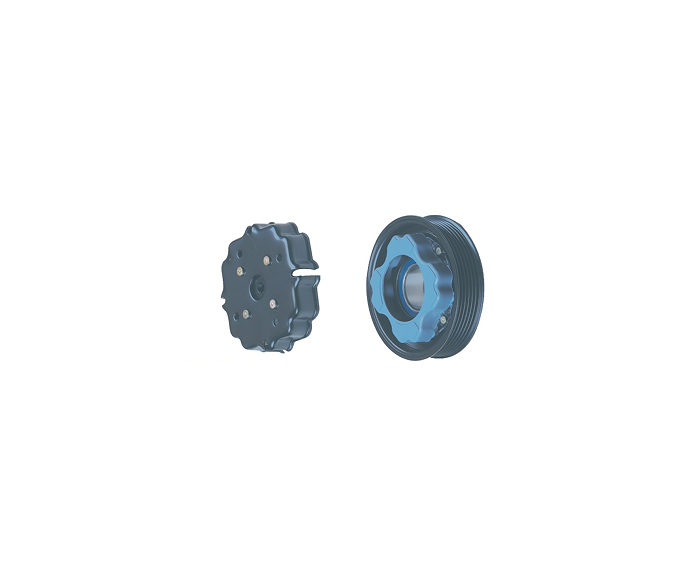
2. Rotor and Pulley Assembly
The rotor houses the magnetic flux pathway.
Functions:
- Maintain alignment
- Provide stable rotational mass
- Reduce vibration
Balanced machining reduces energy loss and engagement shock.
3. Armature Plate
The armature responds to magnetic pull.
It must:
- Maintain flatness
- Resist thermal deformation
- Provide uniform friction contact
Surface inconsistency leads to slippage and heat buildup.
4. Air Gap Precision
Air gap distance affects:
- Magnetic pull strength
- Engagement speed
- Energy consumption
Too wide: weak engagement.
Too narrow: friction drag even when disengaged.
Precision machining ensures optimal performance of the automotive air conditioner clutch.
Magnetic Efficiency and Energy Optimization
Magnetic systems consume electrical energy during activation.
Efficiency depends on:
- Coil resistance
- Magnetic flux leakage control
- Response time
An optimized automotive air conditioner clutch reduces unnecessary electrical load and minimizes parasitic energy loss.
Even small improvements in magnetic efficiency reduce long-term accessory load.
Thermal Management Challenges
Magnetic clutch systems operate in high-temperature engine bays.
Thermal challenges include:
- Coil overheating
- Insulation breakdown
- Friction heat buildup
High-temperature grease in bearings and advanced friction materials prevent thermal cascade failure.
Thermal stability extends the lifecycle of the automotive air conditioner clutch.
Evolution of Magnetic Clutch Technology
Over the past two decades, improvements have focused on:
- Faster magnetic response
- Reduced NVH (noise, vibration, harshness)
- Higher durability under cycling stress
- Enhanced corrosion resistance
Modern designs integrate laser-calibrated air gap measurement and automated coil winding for consistency.
The automotive air conditioner clutch has evolved from basic electromagnetic engagement to precision-engineered torque modulation.
Failure Mechanisms in Magnetic Clutch Systems
Common failure points include:
- Coil burnout
- Magnetic weakening
- Air gap misalignment
- Bearing-induced wobble
Magnetic systems are highly reliable when material quality and assembly precision are controlled.
Structured quality assurance significantly reduces failure probability.
Magnetic Clutch vs Mechanical Coupling
| Aspect | Magnetic Clutch | Mechanical Coupling |
|---|---|---|
| Energy Control | On-demand | Continuous |
| Fuel Efficiency | Improved | Lower |
| Engagement Shock | Controlled | Higher |
| Wear Rate | Lower | Higher |
| Serviceability | Modular | Limited |
Magnetic engagement enables controlled torque transfer and energy optimization.
Practical Implications for OEM and Distributors
For OEM manufacturers:
- Stable magnetic engagement reduces warranty claims
- Precision air gap improves durability
For distributors:
- Reliable automotive air conditioner clutch products reduce return rates
- Documented testing builds customer trust
Magnetic clutch engineering defines long-term product credibility.
Frequently Asked Questions
Q1: Is magnetic clutch technology still relevant with electric compressors?
Yes. Belt-driven systems remain widespread globally, especially in commercial and emerging markets.
Q2: What causes magnetic clutch failure?
Common causes include overheating, coil insulation breakdown, and air gap misalignment.
Q3: How long should a magnetic clutch last?
Under normal conditions, high-quality automotive air conditioner clutch assemblies last 80,000–120,000 km.
Conclusion: Precision Magnetics Drive Performance
Magnetic clutch technology transformed automotive cooling systems.
The automotive air conditioner clutch now functions as:
- A torque management device
- An energy optimization component
- A durability-controlled engagement system
Through:
- Magnetic stability
- Air gap precision
- Thermal resistance
- Material engineering
it ensures reliable compressor operation.
For OEM manufacturers and distributors seeking precision-engineered automotive air conditioner clutch solutions built on advanced magnetic technology, explore:
https://www.gzkasen.com/
For technical consultation or quotation inquiries:
https://www.gzkasen.com/contact-us/