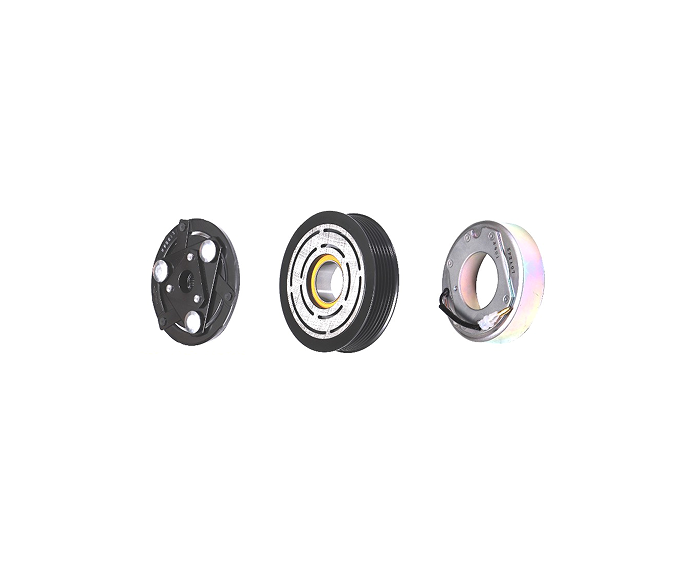

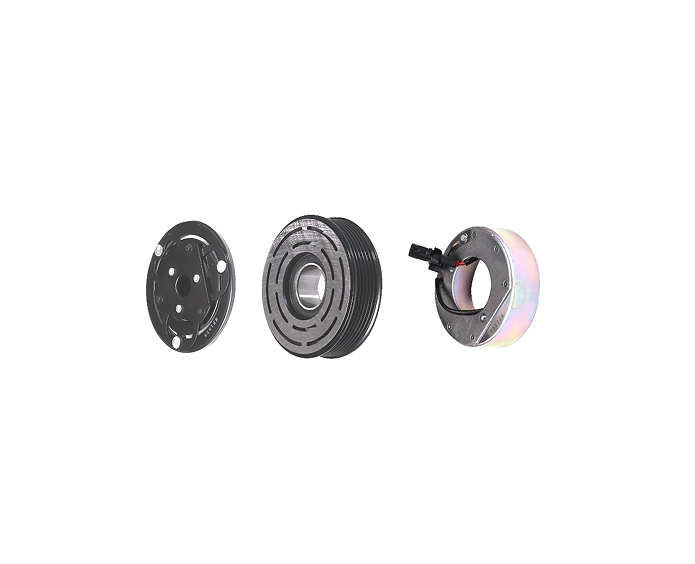
When the Cooling System Starts Whispering
Failures rarely happen overnight.
An automotive air conditioner clutch usually gives subtle warnings before total breakdown. A faint noise. Slight vibration. Delayed cooling response.
Ignore these signals, and minor wear becomes compressor damage.
Recognizing early symptoms reduces repair cost and prevents system-wide failure.
1. Grinding or Whining Noise from the Engine Bay
One of the earliest indicators of clutch trouble is abnormal sound.
Possible causes:
- Bearing degradation
- Pulley misalignment
- Internal friction wear
Since the pulley rotates continuously when the engine runs, bearing wear often precedes clutch plate damage.
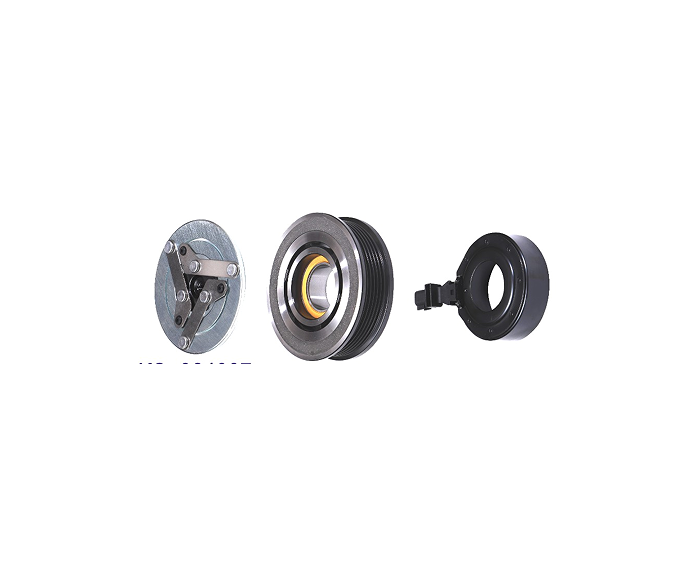
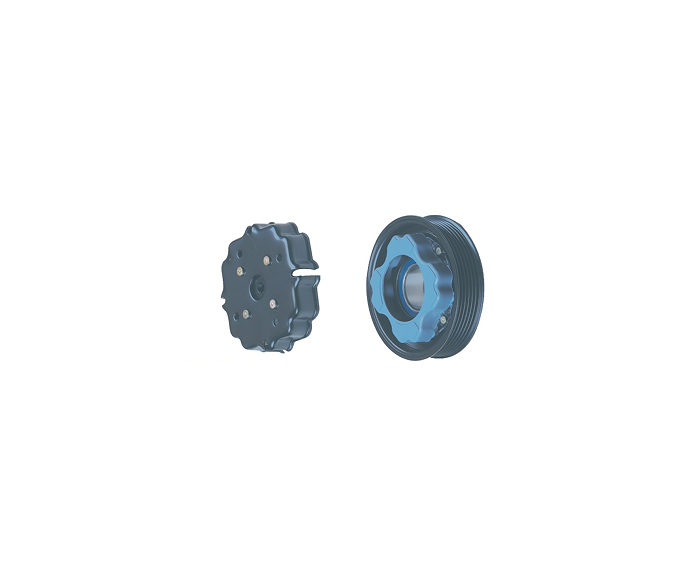
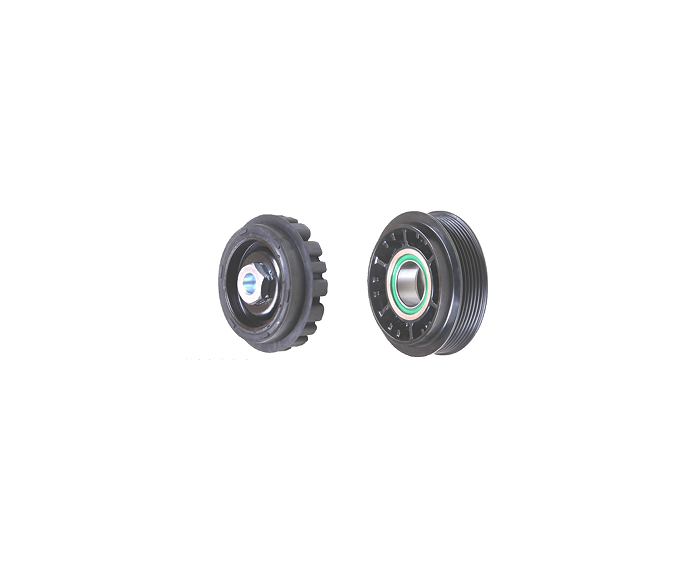
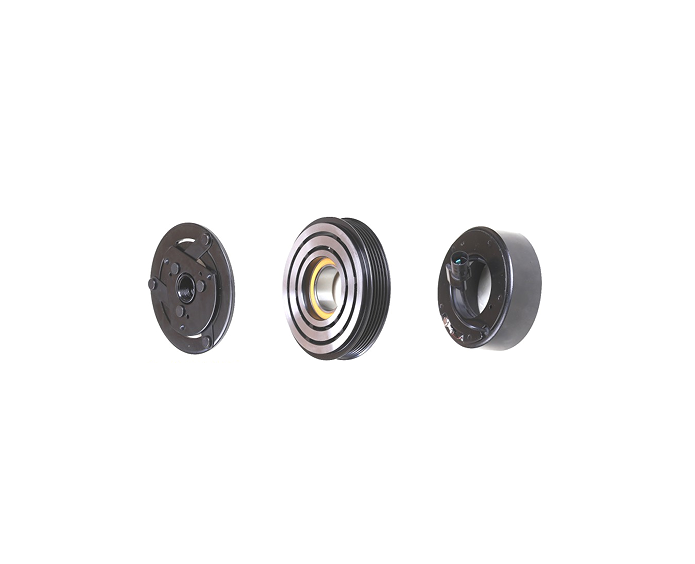
If noise increases when AC is engaged, the automotive air conditioner clutch assembly should be inspected immediately.
Unchecked bearing failure can lead to pulley seizure.
2. Intermittent or Weak Cooling Performance
Cooling inconsistency is a strong warning sign.
Symptoms include:
- AC blowing warm air intermittently
- Cooling improves after revving engine
- Delayed compressor activation
These signs may indicate:
- Coil weakening
- Insufficient magnetic pull
- Slipping clutch plate
When magnetic force decreases, torque transfer becomes unstable.
The automotive air conditioner clutch may engage but fail to transmit full rotational power.
3. Visible Pulley Wobble
A wobbling pulley is not normal.
Possible reasons:
- Bearing wear
- Improper press-fit
- Structural deformation
Pulley misalignment affects the air gap between clutch plate and rotor.
Uneven air gap reduces engagement efficiency and accelerates wear of the automotive air conditioner clutch friction surface.
Immediate inspection is recommended.
4. Burning Smell During AC Operation
A burnt odor often signals overheating.
Common triggers:
- Excessive friction
- Clutch slippage
- Coil overheating
High temperatures can damage:
- Friction materials
- Coil insulation
- Bearing grease
According to ISO 6722 standards, coil insulation must tolerate high engine compartment temperatures. Once insulation is compromised, clutch reliability declines rapidly.
Ignoring overheating can lead to complete failure of the automotive air conditioner clutch.
5. AC Compressor Fails to Engage
When the AC system is activated but the compressor does not turn:
- Electrical circuit may be open
- Coil may be burnt
- Air gap may be excessive
Before replacing the entire compressor, inspect the automotive air conditioner clutch assembly.
Often, clutch repair or replacement restores functionality without replacing the compressor unit.
6. Excessive Engagement Cycling
Frequent clicking sounds indicate repeated clutch activation.
Possible causes:
- Low refrigerant pressure
- Electrical instability
- Weak magnetic hold
Repeated cycling increases:
- Friction wear
- Thermal stress
- Bearing fatigue
Over time, this shortens the lifespan of the automotive air conditioner clutch.
7. Metallic Dust Around the Clutch Area
Metal shavings or dust near the pulley area may indicate:
- Friction surface degradation
- Misalignment
- Bearing race damage
Early-stage metallic debris often signals mechanical wear that requires prompt attention.
Waiting increases risk of compressor shaft damage.
Diagnostic Strategy: Repair or Replace?
After identifying warning signs, decision-making depends on failure severity.
Repair May Be Possible If:
- Only bearing is worn
- Coil resistance remains stable
- Friction plate surface is intact
Replacement Is Recommended If:
- Overheating has occurred
- Multiple components show wear
- Misalignment is severe
- Clutch engagement is inconsistent
Replacing the automotive air conditioner clutch early often prevents more expensive compressor replacement.
Preventive Maintenance Best Practices
To extend clutch lifespan:
- Inspect pulley rotation during routine service
- Monitor unusual noise
- Check air gap tolerance
- Ensure belt tension is correct
- Replace worn bearings promptly
Proactive maintenance reduces unexpected downtime.
Frequently Asked Questions
Q1: How long should an automotive air conditioner clutch last?
Under normal conditions, 80,000–120,000 km is typical for high-quality assemblies.
Q2: Can a failing clutch damage the compressor?
Yes. Misalignment and overheating can stress the compressor shaft and bearings.
Q3: Is clutch replacement expensive?
Replacing the clutch is usually significantly cheaper than replacing the full compressor assembly.
Conclusion: Early Attention Saves Major Repairs
The automotive air conditioner clutch rarely fails without warning.
Noise. Heat. Slippage. Weak cooling.
These are signals — not inconveniences.
Timely inspection and component replacement prevent:
- Compressor damage
- Increased fuel consumption
- System instability
- Higher repair cost
For OEM manufacturers and distributors seeking durable, precision-tested automotive air conditioner clutch assemblies engineered for reliability, explore:
https://www.gzkasen.com/
For technical consultation or quotation inquiries:
https://www.gzkasen.com/contact-us/