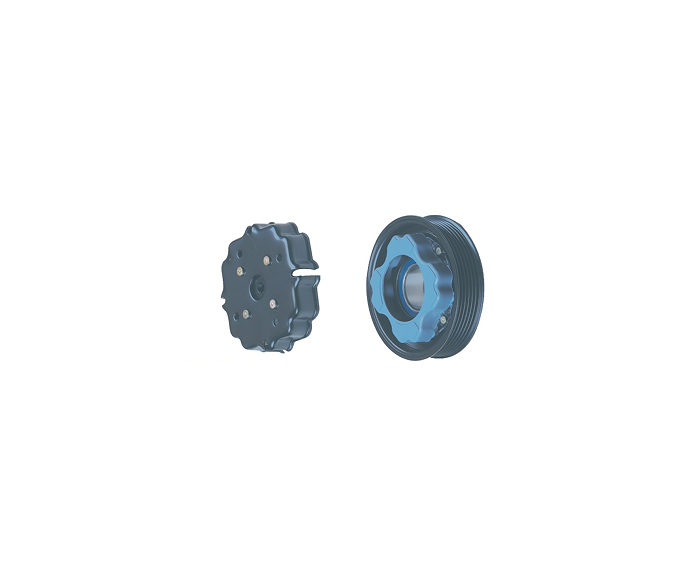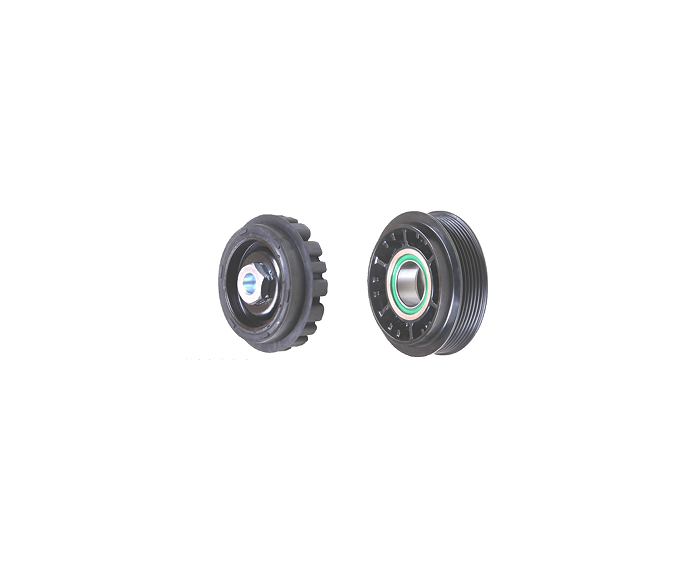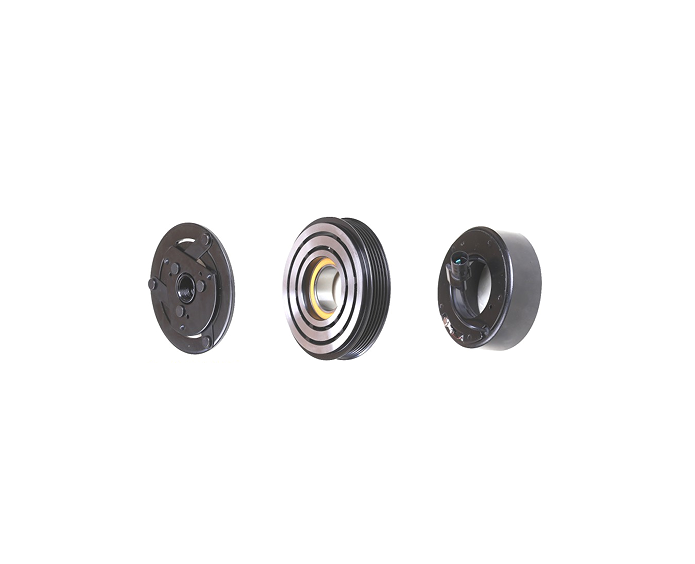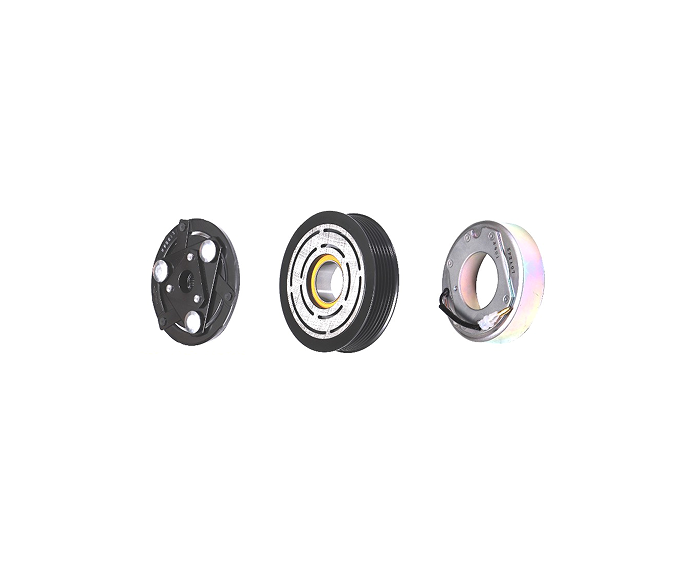

Energy Loss Often Starts Where You Least Expect
When engineers analyze fuel consumption, attention usually goes to engines, transmissions, or aerodynamics. Rarely does anyone immediately point to the automotive air conditioner clutch.
Yet every time the AC compressor engages, mechanical load is added to the engine. Every unnecessary engagement increases parasitic drag. Every inefficient magnetic response wastes energy.
The clutch is not merely a switch. It is a gatekeeper of torque flow.
And torque flow equals fuel consumption.
Parasitic Load: The Hidden Fuel Consumer
A belt-driven compressor draws rotational energy directly from the engine crankshaft. If it ran continuously, energy waste would be significant.
The automotive air conditioner clutch prevents that waste by:
- Engaging only when cooling demand exists
- Disengaging once target cabin temperature is reached
- Interrupting torque transfer during idle or low-load phases
According to SAE accessory drive efficiency research, reducing parasitic load by even small margins can yield measurable fuel savings over long-distance operation.
Efficiency is not always about dramatic redesigns. Often, it is about controlled engagement.
Precision Engagement Reduces Energy Waste
A poorly designed clutch wastes energy in subtle ways:
- Slippage during engagement
- Excess magnetic resistance
- Improper air gap tolerance
- Increased rotational friction
Each inefficiency adds microscopic energy loss.
A high-quality automotive air conditioner clutch ensures:
- Immediate magnetic response
- Stable air gap geometry
- Balanced pulley rotation
- Consistent torque transfer
When engagement is precise, energy waste drops.
Short bursts of efficient torque transfer outperform prolonged inefficient drag.
Magnetic Efficiency and Electrical Consumption
The clutch coil consumes electrical energy every time it activates.
Electrical inefficiency can result from:
- High resistance windings
- Poor insulation stability
- Magnetic flux leakage
ISO 6722 electrical standards define insulation performance requirements under elevated temperature conditions.
Optimized electromagnetic design allows the automotive air conditioner clutch to:
- Reduce activation time
- Lower steady-state current draw
- Minimize heat generation
Lower electrical load contributes indirectly to fuel economy by reducing alternator strain.
Reduced Cycling Improves Thermal Stability
Frequent engagement cycles increase:
- Friction surface wear
- Heat accumulation
- Bearing stress
- Coil fatigue
Modern clutch systems incorporate improved engagement timing control and enhanced friction materials to reduce excessive cycling.
Thermal stability improves. System drag decreases.
A stable automotive air conditioner clutch supports consistent cooling without excessive mechanical interruptions.
Bearing Precision and Rolling Resistance
The pulley bearing rotates continuously whenever the engine runs, regardless of clutch engagement.
Low-grade bearings increase:
- Rotational resistance
- Heat generation
- Engine load
According to ISO 281 bearing life calculations, optimized load rating and lubrication significantly reduce friction losses.
High-precision bearing integration inside the automotive air conditioner clutch assembly minimizes rolling resistance, contributing to smoother accessory drive operation.
Impact on Hybrid and Energy-Conscious Platforms
In hybrid vehicles, energy efficiency margins are tighter. Every accessory load affects overall system balance.
While some platforms adopt electric compressors, many global markets still rely on belt-driven systems.
In such systems, a refined automotive air conditioner clutch:
- Minimizes engagement shock
- Reduces unnecessary torque draw
- Enhances system modulation stability
Efficiency is cumulative. Even small accessory optimizations contribute to broader fuel economy gains.
Real-World Efficiency Implications
Under high cooling demand conditions:
- AC systems may increase fuel consumption by 5–10%
- Poor clutch design amplifies that increase
Even a 1% efficiency improvement across a fleet operating in hot climates can translate into substantial annual fuel savings.
Efficiency gains are not theoretical. They are measurable over operational cycles.
Engineering Perspective: Micro-Level Optimization, Macro-Level Impact
Energy efficiency does not depend on a single component. It depends on system harmony.
The automotive air conditioner clutch contributes by:
- Interrupting unnecessary torque transmission
- Maintaining alignment stability
- Reducing parasitic drag
- Controlling thermal load
Each improvement may seem incremental. Combined, they produce tangible fuel economy benefits.
Frequently Asked Questions
Q1: Does clutch design really affect fuel economy?
Yes. By reducing unnecessary compressor engagement and minimizing mechanical drag, the clutch directly influences accessory load.
Q2: Is the efficiency difference noticeable to drivers?
Individually small, but measurable across long-term use and fleet operation.
Q3: Are modern clutches more energy-efficient?
Yes. Improvements in magnetic efficiency, material science, and precision manufacturing have significantly reduced energy loss compared to earlier designs.
Conclusion: Efficiency Is Built Into Engagement Control
The automotive air conditioner clutch is more than a mechanical coupling. It is a controlled torque management device.
Through:
- Precise magnetic response
- Reduced parasitic drag
- Optimized bearing performance
- Stable friction engagement
it contributes to improved vehicle energy efficiency.
For OEM manufacturers and distributors seeking high-performance automotive air conditioner clutch solutions engineered for durability and optimized energy performance, explore:
https://www.gzkasen.com/
For technical consultation or quotation support:
https://www.gzkasen.com/contact-us/