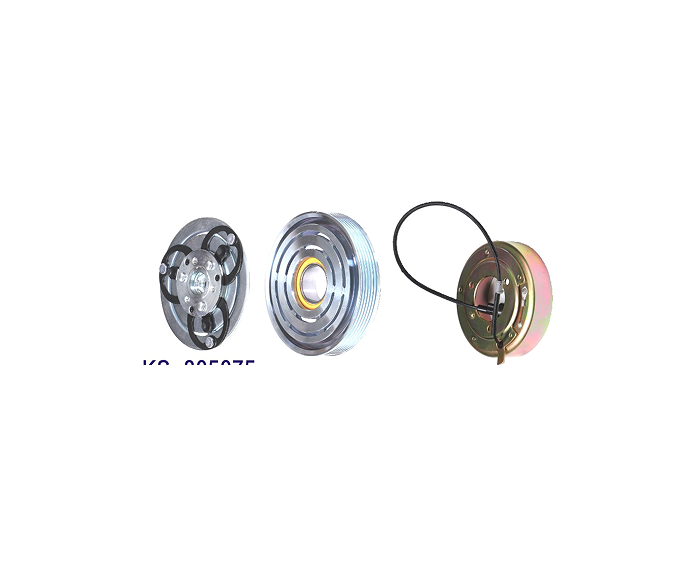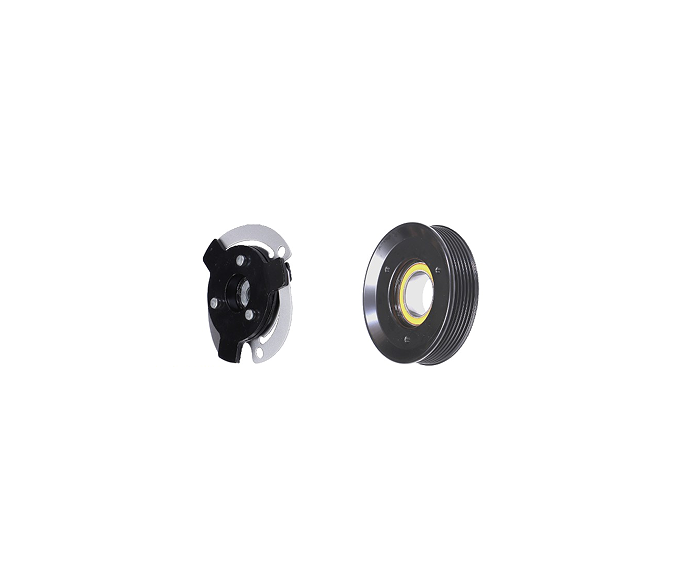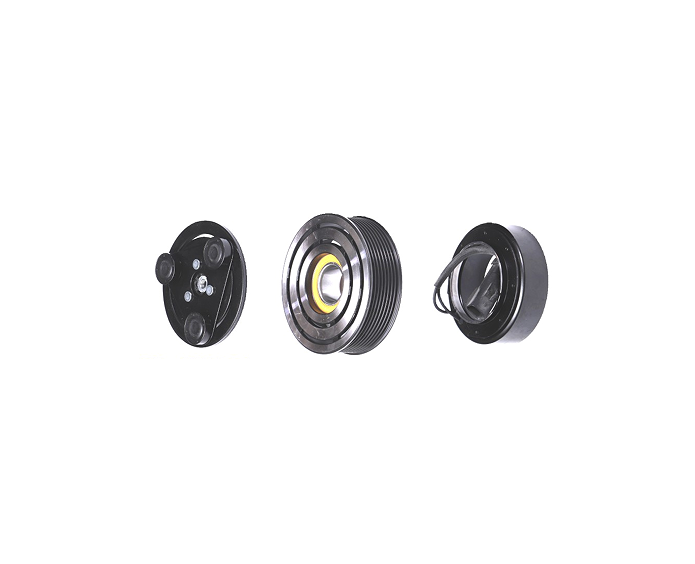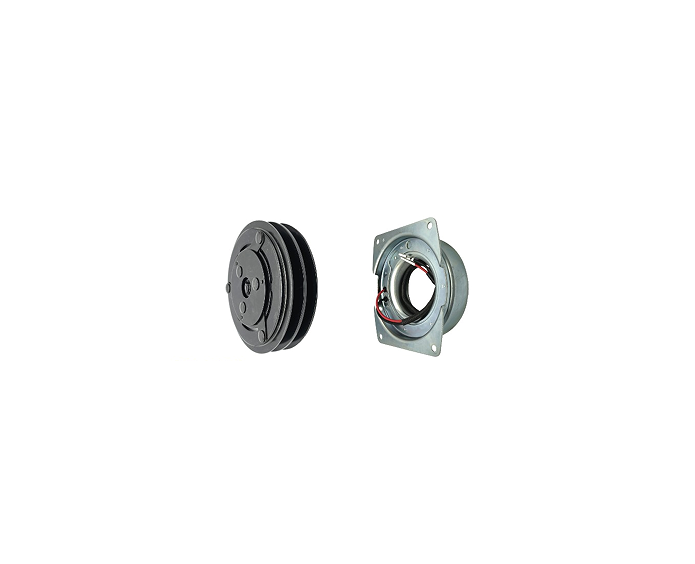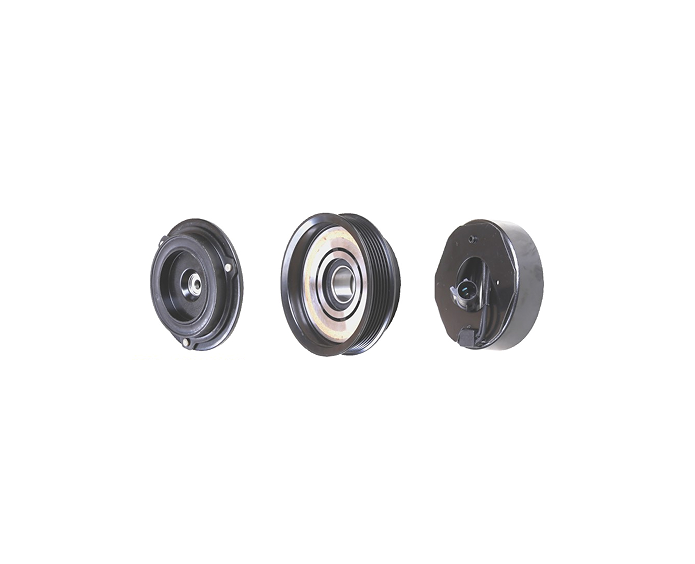

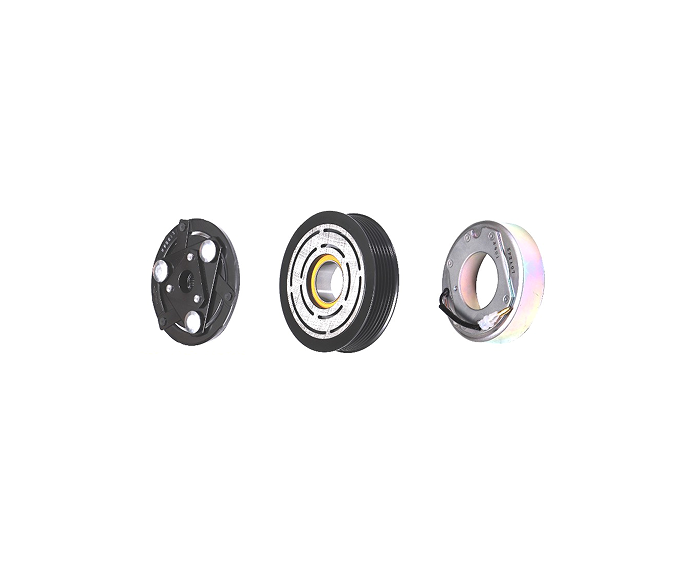
Why the OEM vs Aftermarket Debate Matters
In the global automotive parts market, one question repeatedly surfaces:
Should buyers choose OEM or aftermarket solutions for an automotive air conditioner clutch?
The decision influences:
- System durability
- Warranty claims
- Cooling performance
- Inventory strategy
- Long-term cost control
Choosing incorrectly can lead to performance instability, repeated replacement, and damaged customer trust.
What Defines an OEM Automotive Air Conditioner Clutch?
OEM (Original Equipment Manufacturer) products are:
- Designed for specific vehicle platforms
- Manufactured according to factory-level specifications
- Tested under strict lifecycle simulation
Key characteristics:
- Tight tolerance control
- Verified durability testing
- Stable magnetic performance
- Compliance with ISO and SAE standards
According to SAE automotive component evaluation guidelines, electromagnetic clutch assemblies must meet strict endurance and thermal resistance criteria for vehicle production platforms.
OEM-grade automotive air conditioner clutch products prioritize consistency and lifecycle reliability.
What Defines an Aftermarket Automotive Air Conditioner Clutch?
Aftermarket products are typically:
- Designed for replacement compatibility
- Produced for multi-model coverage
- Priced competitively
Aftermarket clutches vary significantly in quality.
High-grade aftermarket manufacturers can approach OEM standards, while low-tier suppliers often compromise on:
- Friction material quality
- Coil insulation class
- Bearing load rating
- Machining precision
The variability creates risk for distributors and fleet operators.
Technical Comparison: OEM vs Aftermarket
| Factor | OEM Clutch | Aftermarket Clutch |
|---|---|---|
| Design Standard | Vehicle-specific | Multi-platform |
| Durability Testing | Extensive | Varies by supplier |
| Material Quality | High consistency | Ranges from premium to basic |
| Cost | Higher | Moderate to low |
| Warranty Risk | Lower | Supplier-dependent |
A premium aftermarket automotive air conditioner clutch from a reputable manufacturer can match OEM performance — but verification is essential.
Lifecycle Cost Analysis
Initial purchase price does not equal total cost.
Low-cost aftermarket clutches may lead to:
- Premature failure
- Bearing misalignment
- Coil burnout
- Damage to compressor
Replacing an entire compressor due to clutch failure significantly increases expenses.
Fleet operations often calculate lifecycle cost rather than unit price.
Investing in a high-quality automotive air conditioner clutch reduces:
- Downtime
- Service labor
- Warranty claims
- Customer dissatisfaction
Performance Factors That Should Guide the Decision
1. Friction Material Durability
Premium friction compounds resist glazing and thermal fade.
Poor materials cause torque slippage and heat buildup.
2. Coil Insulation Class
High-quality clutches use Class F or H insulation capable of withstanding ≥155°C.
ISO 6722 standards define acceptable insulation performance for road vehicles.
3. Bearing Precision
Pulley bearings must comply with ISO 281 dynamic load rating requirements.
Inferior bearings lead to wobble, accelerating wear of the automotive air conditioner clutch.
4. Engagement Gap Accuracy
Precise air gap ensures:
- Stable magnetic pull
- Reduced noise
- Longer lifecycle
OEM tolerances are typically stricter than low-tier aftermarket products.
When to Choose OEM
Choose OEM-grade automotive air conditioner clutch products if:
- You supply new vehicle production
- Warranty control is critical
- Brand reputation depends on reliability
- Vehicles operate under extreme conditions
OEM solutions prioritize long-term consistency.
When Aftermarket Is Appropriate
Aftermarket solutions may be suitable when:
- Budget sensitivity is high
- Vehicles are older
- Replacement frequency is acceptable
- Supplier provides validated testing data
However, supplier selection becomes critical.
A reputable aftermarket automotive air conditioner clutch manufacturer with full testing documentation can offer strong cost-performance balance.
Supplier Evaluation Checklist
Before selecting either OEM or aftermarket:
- Request durability testing data
- Confirm insulation class
- Verify bearing specification
- Review manufacturing capability
- Check compliance documentation
Transparency indicates reliability.
Frequently Asked Questions
Q1: Is OEM always better?
Not necessarily. High-quality aftermarket suppliers with proven testing standards can deliver comparable durability.
Q2: Why do some aftermarket clutches fail early?
Common reasons include poor friction materials, low-grade bearings, and insufficient thermal testing.
Q3: How can I reduce warranty risk?
Choose a supplier that provides documented testing and stable manufacturing processes for their automotive air conditioner clutch assemblies.
Conclusion: Performance Over Price
The choice between OEM and aftermarket automotive air conditioner clutch solutions should be guided by:
- Durability expectations
- Operational environment
- Lifecycle cost considerations
- Supplier transparency
Quality remains the decisive factor.
For durable, precision-tested automotive air conditioner clutch solutions engineered to meet OEM-level standards, explore:
https://www.gzkasen.com/
For technical consultation or quotation requests:
https://www.gzkasen.com/contact-us/