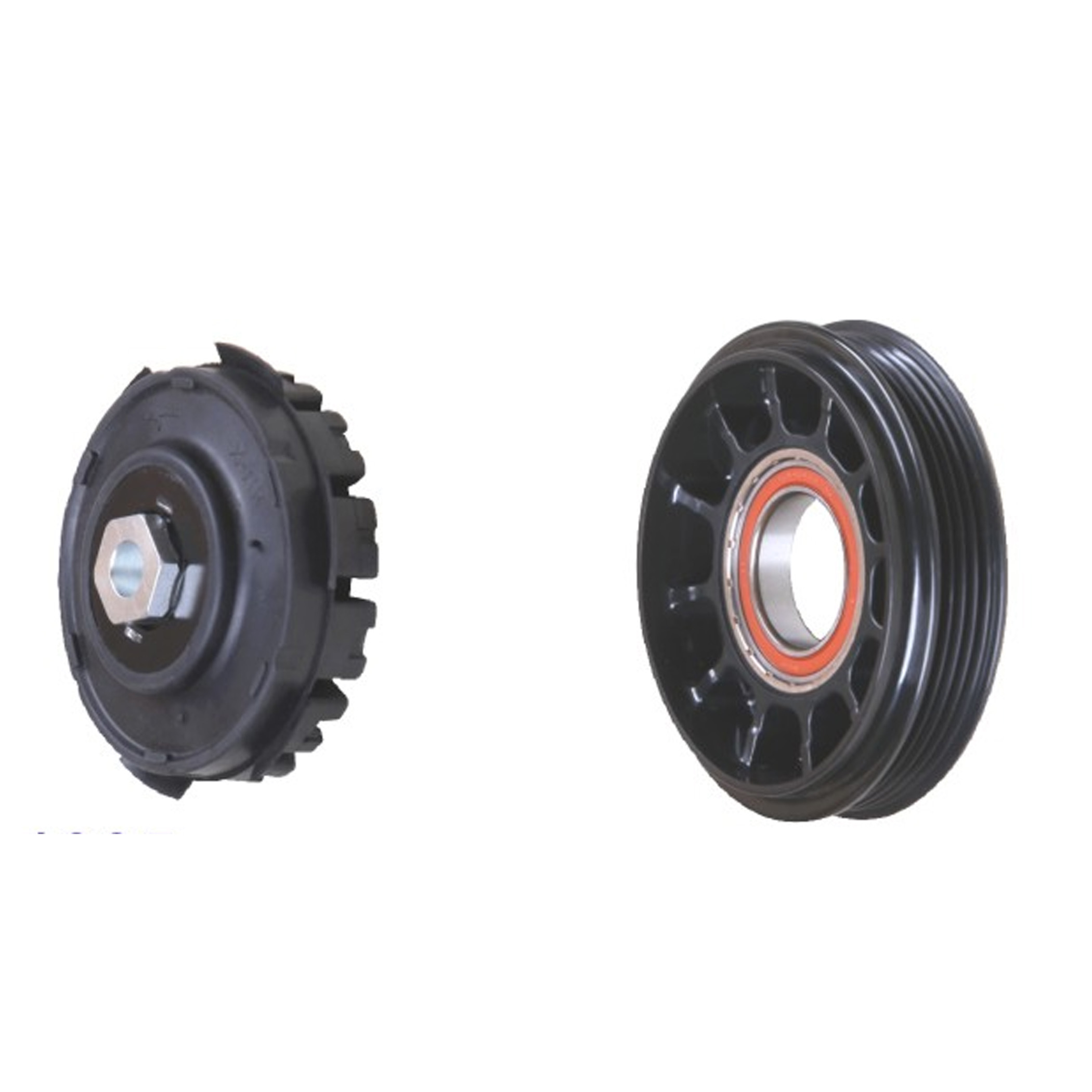

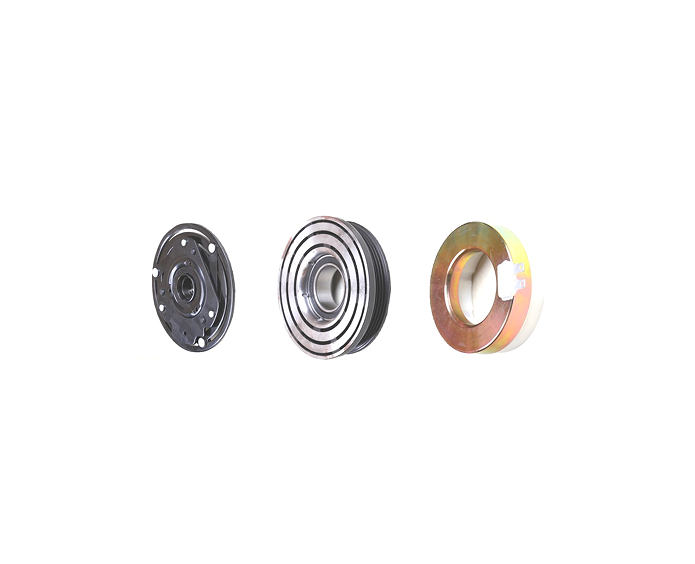
Cost Pressure Is Real — But Failure Is More Expensive
In global automotive supply chains, price pressure is constant. Procurement teams negotiate cents per unit. Distributors compare margins. Fleet buyers analyze replacement frequency.
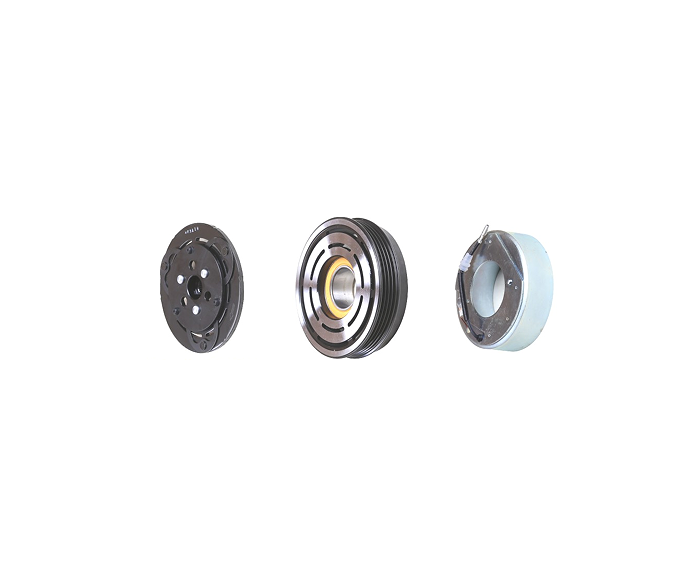
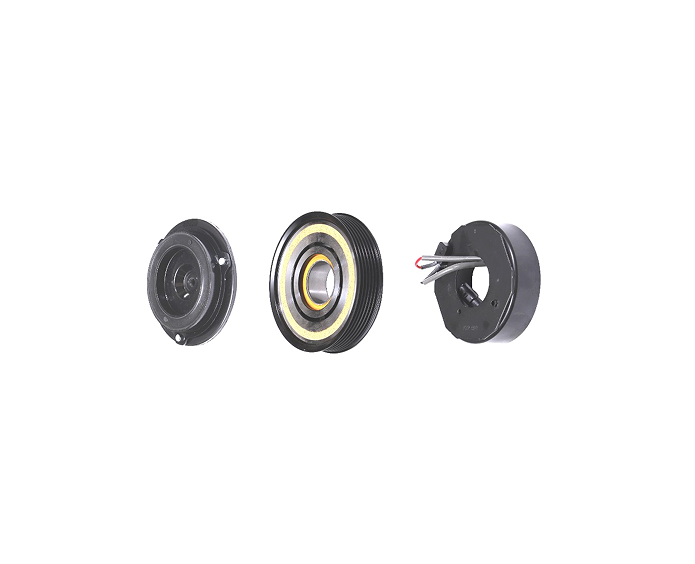
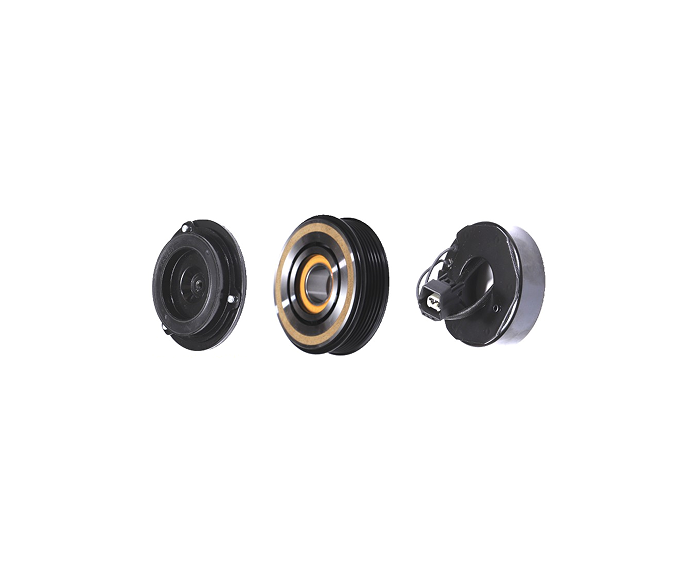
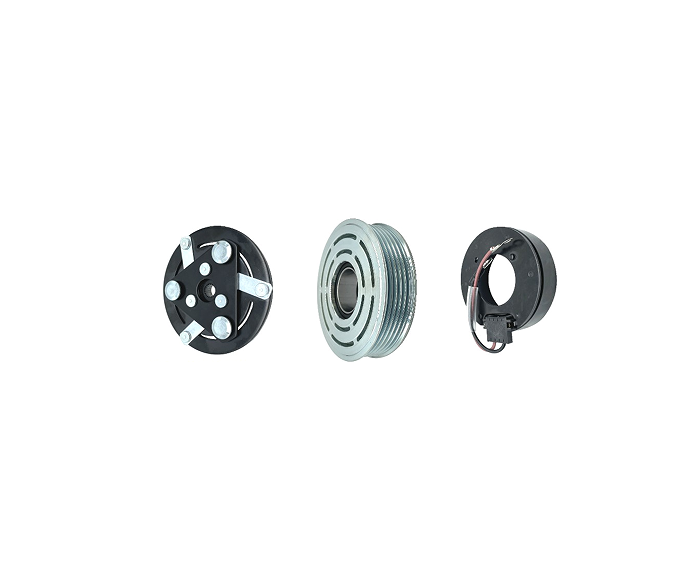
Yet cutting corners in an automotive air conditioner clutch often leads to premature failure, warranty claims, and brand damage — costs that multiply far beyond initial savings.
KASEN approaches cost not as reduction alone, but as structured optimization — lowering manufacturing expense while safeguarding torque stability, magnetic integrity, and lifespan performance.
1. Material Utilization Efficiency: Where Real Savings Begin
Raw material accounts for 45–60% of clutch production cost. The difference between optimized material use and inefficient stamping layouts can reach 8–12%.
KASEN applies digital nesting algorithms for pulley and armature stamping, reducing scrap rate significantly.
| Material Factor | Conventional Rate | KASEN Optimized | Cost Impact |
|---|---|---|---|
| Steel Scrap Rate | 18–22% | 9–12% | −6% unit cost |
| Copper Winding Loss | 5–7% | <3% | Stable magnetic output |
| Bearing Procurement | Multi-source | Long-term contract | −4% material volatility |
The key insight: optimization does not mean downgrading material grade. It means maximizing yield from the same quality input.
An automotive air conditioner clutch built from inferior steel may save 3% today — and lose 30% in warranty returns tomorrow.
2. Automation and Repeatability: Reducing Hidden Labor Variability
Manual assembly introduces inconsistency. Inconsistency introduces rework. Rework introduces cost.
KASEN integrates robotic bearing press-fit stations and servo-controlled torque drivers, minimizing deviation in air gap and assembly torque.
Results observed across production batches:
-
Air gap variation reduced from ±0.08 mm to ±0.03 mm
-
Assembly rejection rate reduced by 40%
-
Labor hours per 1,000 units decreased by 18%
Automation does not simply increase speed — it compresses variability. And variability is the silent cost driver in mass manufacturing.
3. Yield Rate Control and Defect Prevention
Every 1% improvement in yield translates into direct margin preservation.
KASEN uses Statistical Process Control (SPC) combined with real-time MES monitoring to prevent defects before they propagate.
| Indicator | Industry Typical | KASEN Benchmark |
|---|---|---|
| First Pass Yield | 92–94% | 98%+ |
| Batch Rework Rate | 4–6% | <2% |
| Field Return Rate | 2–3% | <0.8% |
Lower field return rates directly reduce logistics costs, distributor replacement stock, and post-sale service expenses.
For an automotive air conditioner clutch, durability consistency is the foundation of sustainable cost control.
4. Lifecycle Cost (LCC) vs Unit Price: A Procurement Perspective
Many buyers focus solely on purchase price. Forward-looking procurement teams evaluate lifecycle cost instead.
Consider this simplified comparison:
| Scenario | Unit Price | Average Lifespan | Replacement Cycle | Total 5-Year Cost |
|---|---|---|---|---|
| Low-cost supplier | $X | 2–3 years | 2 replacements | 2.1X |
| KASEN optimized | $X+5% | 6–8 years | 0–1 replacement | 1.05X |
Even with slightly higher initial pricing, lifecycle cost remains lower due to durability retention.
This difference becomes significant in fleet vehicles or high-usage regions.
5. Supply Chain Integration and Long-Term Stability
Volatile supply chains create cost spikes. KASEN stabilizes procurement through:
-
Long-term copper contracts
-
Dedicated bearing partnerships
-
Multi-source steel qualification
-
Inventory buffering for OEM clients
This structure reduces price fluctuation exposure and ensures consistent lead times.
Stable supply translates into predictable planning for distributors and vehicle manufacturers.
6. Design for Manufacturability (DFM) Adjustments
Engineering decisions directly influence production cost.
KASEN evaluates every automotive air conditioner clutch design from a manufacturability perspective:
-
Simplified component geometry reduces machining time.
-
Modular coil configurations standardize inventory.
-
Optimized stamping thickness lowers machining wear.
-
Unified testing fixtures decrease calibration downtime.
Each micro-adjustment reduces cumulative cost across tens of thousands of units.
7. Energy Efficiency and Operational Cost Savings
An often-overlooked dimension: clutch efficiency impacts engine load.
High magnetic efficiency and stable engagement reduce slip, lowering energy waste. Over years of vehicle operation, reduced drag improves fuel efficiency marginally but measurably.
That incremental efficiency becomes meaningful across large fleets.
A well-designed automotive air conditioner clutch contributes not only to manufacturing cost control, but also to downstream operational savings.
KASEN: Cost Discipline Anchored in Reliability
Cost reduction without engineering control leads to instability.
Engineering control without cost discipline limits scalability.
KASEN aligns both — optimizing material utilization, automating assembly precision, maintaining high yield rates, and validating durability before shipment.
For OEM collaboration, distributor partnership, or customized clutch solutions, visit the KASEN homepage to explore product capabilities, or connect directly with our team through the contact page.
Reliable cost control begins with transparent manufacturing.