
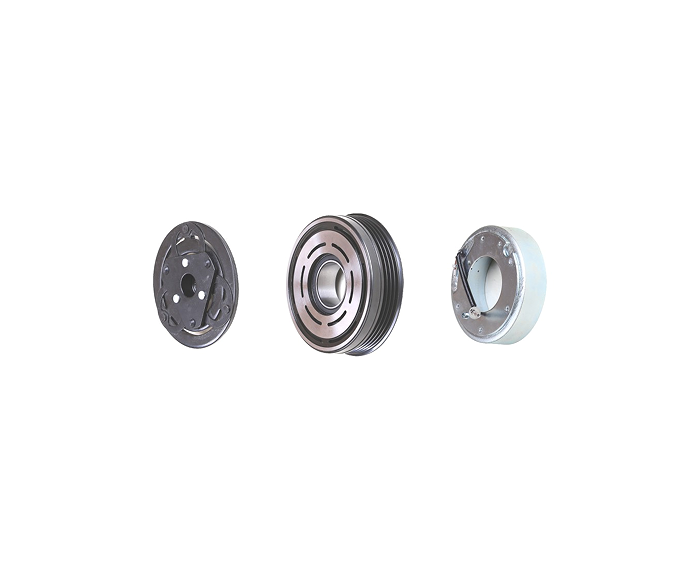
Why the Coil Is the Electrical Core of the System
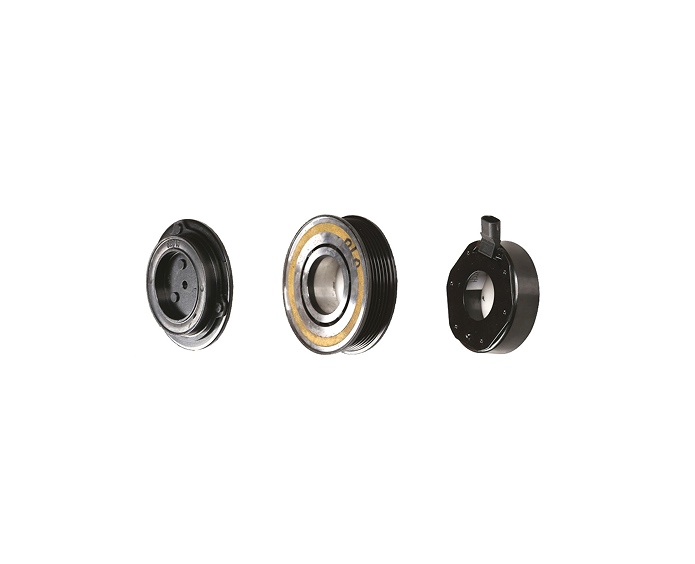
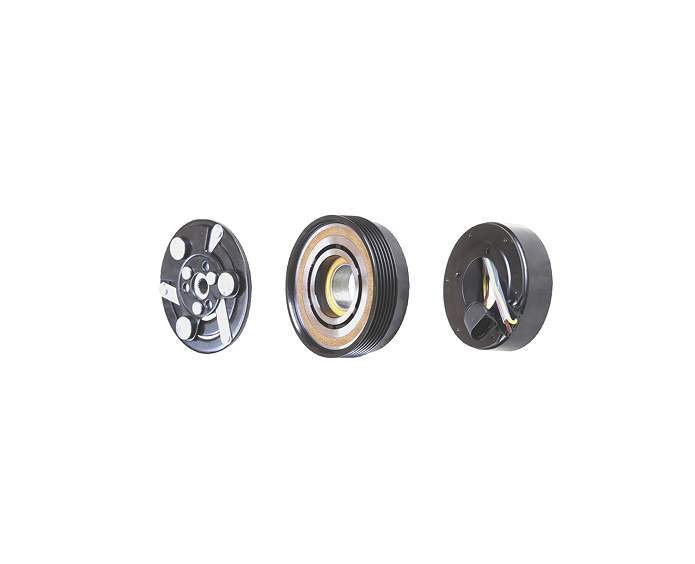
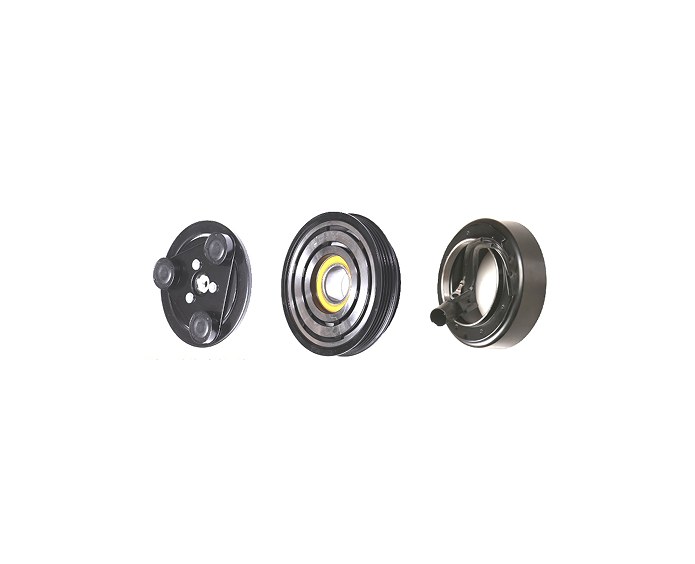
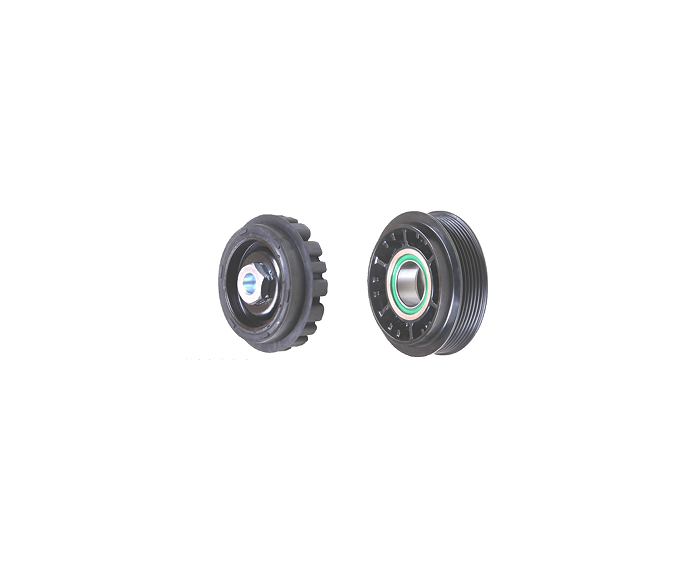
Inside every automotive air conditioner clutch, the coil is the component that converts electrical energy into mechanical engagement.
Without it, torque transfer simply does not happen.
When the vehicle’s AC system signals cooling demand, the clutch coil activates. Magnetic force pulls the armature plate inward. The compressor begins rotating. Cooling starts.
It is a small component — but it controls everything.
How the Clutch Coil Generates Magnetic Force
The AC clutch coil functions based on electromagnetic induction principles.
Basic process:
- 12V or 24V DC voltage is applied
- Current flows through copper windings
- A magnetic field is generated
- The armature plate is attracted
- Torque transfers to the compressor shaft
According to SAE J1171 guidelines for automotive electrical components, consistent voltage stability is critical for reliable electromagnetic operation.
In a high-quality automotive air conditioner clutch, coil resistance and magnetic flux are precisely engineered to ensure consistent engagement timing.
Electrical Specifications That Matter
Typical electrical parameters include:
| Parameter | Typical Range |
|---|---|
| Operating Voltage | 12V / 24V |
| Coil Resistance | 3–5 Ohms (12V systems) |
| Current Draw | 3–4 Amps |
| Insulation Class | Class F (155°C) / Class H (180°C) |
| Engagement Response Time | <100 ms |
These values ensure:
- Rapid engagement
- Stable magnetic pull
- Minimal energy waste
- Long service life
Electrical instability directly affects the durability of the automotive air conditioner clutch.
Thermal Stress and Electrical Degradation
The coil operates in the engine bay — one of the hottest environments in the vehicle.
Heat exposure can cause:
- Insulation breakdown
- Resistance increase
- Reduced magnetic efficiency
- Partial coil short circuits
ISO 6722 defines insulation performance standards for automotive low-voltage cables and coil windings. High-grade materials significantly reduce failure risk.
Thermal durability determines how long an automotive air conditioner clutch can operate without magnetic loss.
Common Coil Failure Modes
Electrical failures often present before mechanical damage.
1️⃣ Coil Burnout
- Caused by voltage spikes
- Excessive cycling
- Poor insulation quality
2️⃣ Open Circuit
- Broken internal winding
- No engagement occurs
3️⃣ Short Circuit
- Overheating
- Excessive current draw
- Fuse damage
4️⃣ Weak Magnetic Pull
- Increased air gap
- Coil aging
- Reduced current flow
Electrical testing using multimeters and resistance measurement quickly identifies coil issues.
Voltage Control and System Stability
Modern vehicles integrate:
- AC pressure sensors
- ECU-controlled compressor cycling
- Temperature monitoring
These systems regulate coil activation frequency.
In high-quality automotive air conditioner clutch assemblies, electrical response must synchronize with compressor load and cooling demand to prevent unnecessary cycling.
Diagnostic Strategy for Technicians
Basic electrical checks include:
- Measure resistance (engine off)
- Confirm voltage supply (engine running)
- Inspect connector corrosion
- Evaluate fuse and relay condition
- Check air gap calibration
Often, coil failure mimics compressor failure. Replacing only the automotive air conditioner clutch coil can restore full system function at lower cost.
OEM Design Considerations
For OEM manufacturers, coil design must balance:
- Magnetic strength
- Heat resistance
- Energy efficiency
- Lifecycle durability
Improper coil engineering leads to inconsistent engagement and increased warranty claims.
Stable electromagnetic performance defines long-term reliability of the automotive air conditioner clutch.
Why Electrical Stability Impacts Energy Efficiency
When coil activation is precise:
- Engagement is immediate
- Slippage is minimized
- Engine load is optimized
Efficient electromagnetic control reduces parasitic power consumption.
Electrical design is not just about activation — it affects total system efficiency.
Frequently Asked Questions
Q1: What resistance indicates a bad coil?
If resistance deviates significantly from manufacturer specification (too high or zero), the coil is likely defective.
Q2: Can voltage spikes damage the clutch coil?
Yes. Electrical surges can cause overheating and insulation failure.
Q3: Is coil replacement better than full compressor replacement?
In many cases, yes — if the compressor itself remains mechanically sound.
Conclusion: Electrical Precision Ensures Mechanical Reliability
The clutch coil is the electrical heart of the automotive air conditioner clutch. Proper voltage control, resistance stability, and thermal resilience determine whether the system engages cleanly — or fails prematurely.
For OEM manufacturers and distributors seeking precision-engineered automotive air conditioner clutch assemblies with high-durability coil design, explore:
https://www.gzkasen.com/
For technical consultation and quotations:
https://www.gzkasen.com/contact-us/