
What Should You Expect from an Auto AC Compressor Clutch Supplier?
An auto AC compressor clutch supplier should do more than provide a product catalog and a price list.
For a distributor or importer, the real requirement is usually a combination of correct fitment, repeatable quality, manageable inventory, and dependable communication.
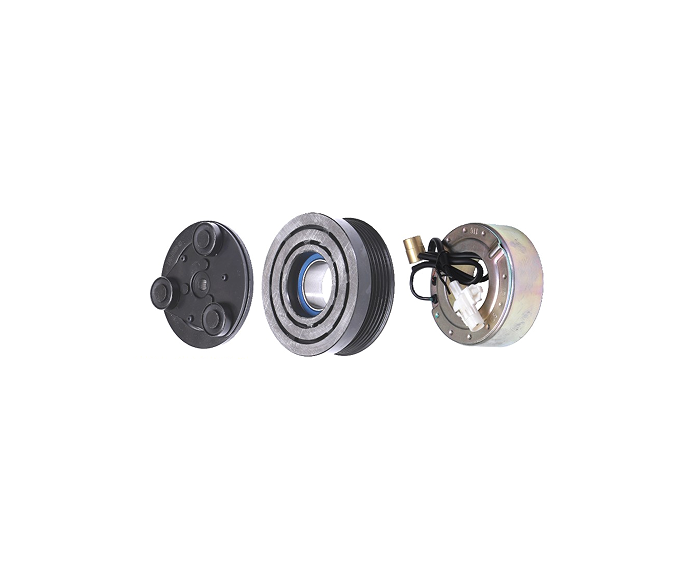
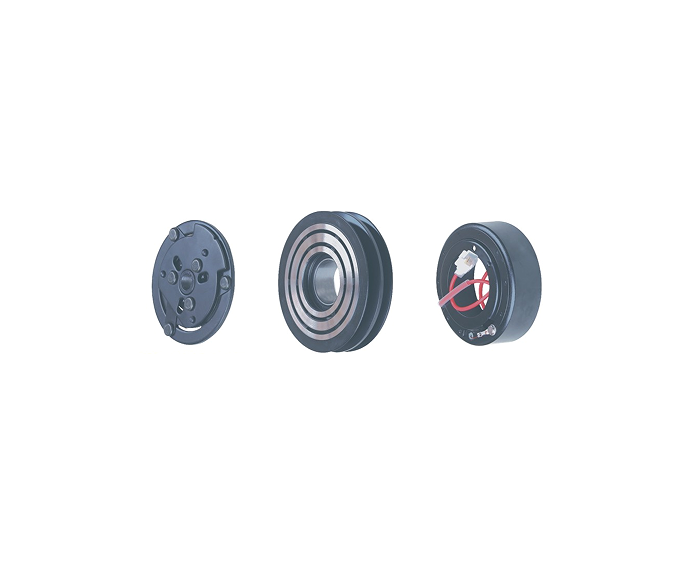
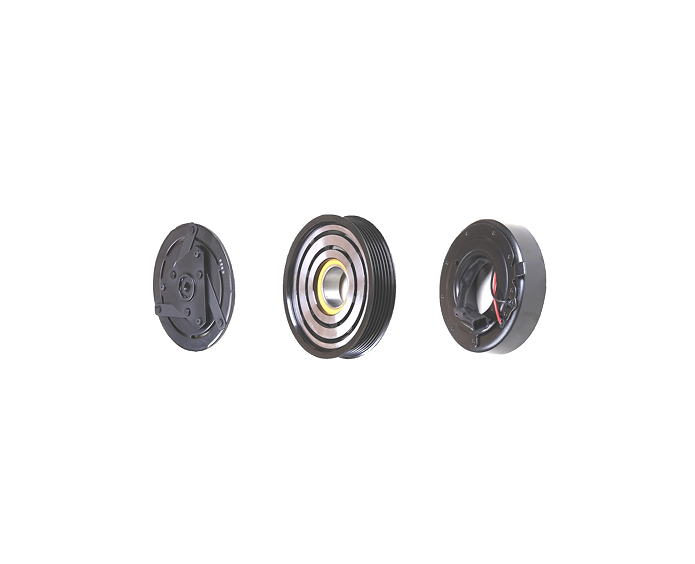
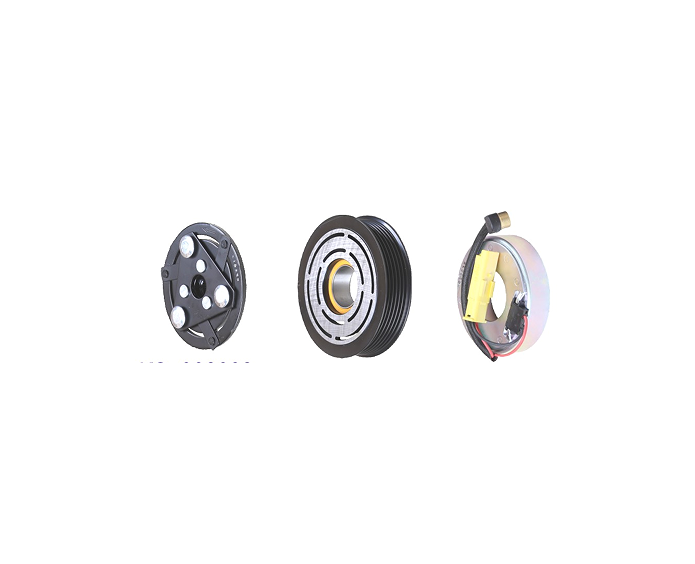
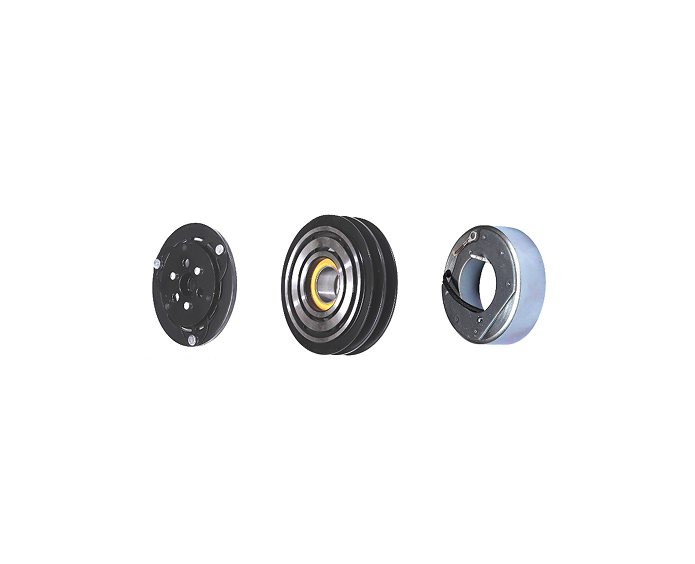
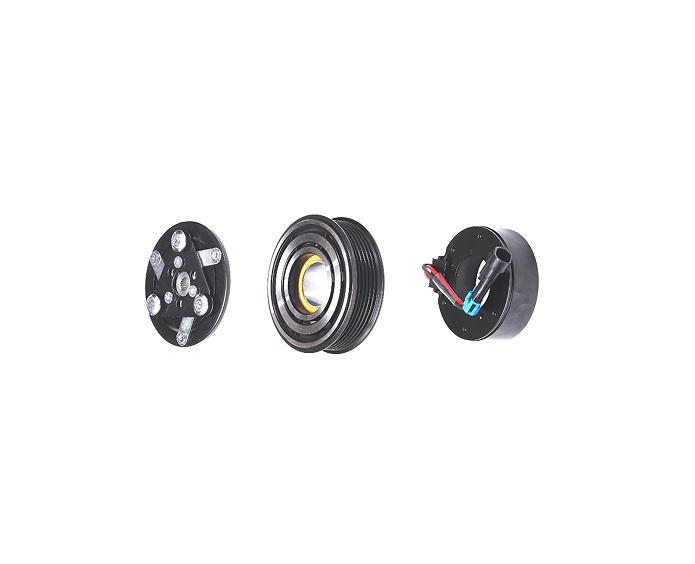
An AC compressor clutch is a precision assembly connecting the compressor to the belt-driven power system in many conventional automotive air-conditioning systems. Its pulley, bearing, coil, hub, and armature components need to work together correctly.
That makes supplier selection particularly important when purchasing multiple references.
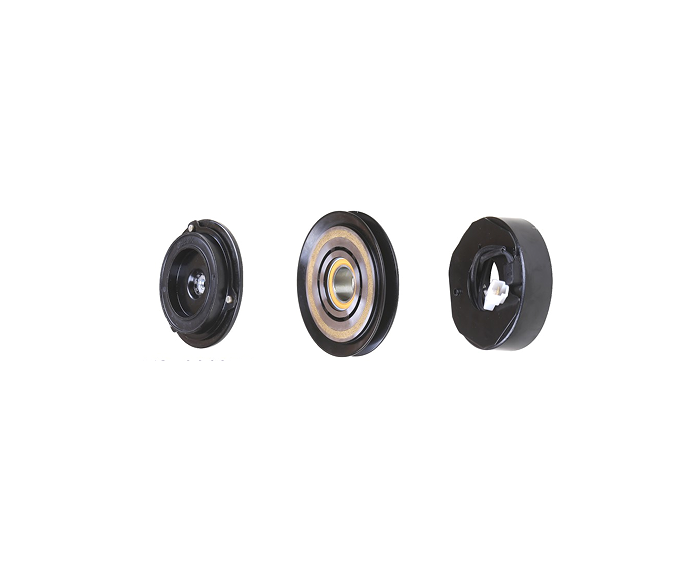
A clutch that looks right in a product photograph may still be wrong for a particular compressor because of differences in:
- Pulley diameter
- Belt groove configuration
- Coil voltage
- Bearing dimensions
- Hub design
- Connector arrangement
- Compressor interface
- Required air gap
For this reason, professional buyers should evaluate an auto AC compressor clutch supplier by technical capability as well as commercial terms.
KASEN's current automotive AC product range includes compressor clutches, AC compressors, electric compressors, bearings, valves, and related components.
Why Supplier Selection Matters in the Aftermarket
The aftermarket is rarely as simple as ordering one part for one vehicle.
A distributor may need dozens or hundreds of clutch references covering different compressor families and vehicle applications.
That changes the purchasing priorities.
For Distributors
A distributor needs products that can be cataloged accurately and reordered without repeated identification work.
Key concerns include:
- Application coverage
- Product identification
- Stable quality
- Packaging
- Repeat-order consistency
- Technical support
For Wholesalers
Wholesalers tend to focus more heavily on:
- Purchase price
- Bulk quantities
- Shipment planning
- Packaging efficiency
- Product availability
- Supplier reliability
For Aftermarket Brands
A private-label brand may need:
- Custom packaging
- Product labels
- Customer-specific SKUs
- Product references
- Sample approval
- Long-term production support
The supplier therefore becomes part of the brand's supply chain rather than simply another source of parts.
What Is an Auto AC Compressor Clutch?
An auto AC compressor clutch is an electromagnetic engagement mechanism used on many belt-driven automotive AC compressors.
When the AC system requests cooling, the clutch coil is energized. Magnetic force pulls the armature toward the pulley, allowing engine-driven belt power to reach the compressor shaft.
When the clutch disengages, the compressor is separated from the belt-driven pulley.
A typical assembly can include:
| Component | Main Function |
|---|---|
| Pulley | Transfers belt-driven rotation |
| Bearing | Supports smooth pulley rotation |
| Electromagnetic Coil | Creates magnetic force |
| Hub | Connects clutch to compressor shaft |
| Armature Plate | Engages with pulley |
| Mounting Components | Secure the assembly |
The exact configuration varies between compressor families, so buyers should not assume that every clutch assembly uses identical components.
KASEN's published compressor clutch products show application-specific specifications such as rated voltage, belt groove type, pulley diameter, and bearing size.
How Does an Automotive AC Compressor Clutch Work?
The operating principle is relatively straightforward, but precision matters.
The Pulley Rotates with the Engine
On a traditional belt-driven system, the compressor pulley is connected to the engine accessory belt.
The pulley can rotate while the compressor itself is not engaged.
The AC System Requests Cooling
When cooling is required, the vehicle's control system sends the appropriate electrical command.
The Coil Generates Magnetic Force
Electrical current energizes the electromagnetic coil.
The resulting magnetic field pulls the armature plate toward the pulley.
Torque Is Transferred to the Compressor
Once engaged, the pulley and armature transfer rotational force to the compressor shaft.
The compressor can then perform its refrigerant compression function.
The Clutch Disengages
When the cooling demand changes or the system removes the engagement command, the magnetic force disappears and the clutch separates.
Because this process happens repeatedly during normal vehicle operation, clutch components need appropriate mechanical and electrical matching.
What Specifications Should Buyers Give an AC Compressor Clutch Supplier?
This is where many sourcing projects either become efficient or turn into long email chains.
The more complete the initial RFQ, the easier it is for a supplier to confirm the correct product.
Compressor Information
Provide:
- Compressor model
- Compressor manufacturer
- Compressor identification label
- OE reference
- Existing clutch reference
Pulley Information
Useful specifications include:
- Outer diameter
- Groove number
- Belt type
- Pulley width
Electrical Information
Confirm:
- Rated voltage
- Coil configuration
- Connector type
Bearing Information
If the bearing is part of the clutch assembly, provide:
- Bearing reference
- Inner diameter
- Outer diameter
- Width
Vehicle Information
Where available, include:
- Vehicle make
- Model
- Year
- Engine
- Market
KASEN product listings demonstrate why this level of detail matters. For example, published clutch references include fields such as 12V, 6PK groove configuration, pulley diameter, and bearing specification.
Auto AC Compressor Clutch Supplier Comparison Checklist
Before selecting a supplier, buyers can use the following checklist.
| Evaluation Area | Questions to Ask |
|---|---|
| Product Range | Does the supplier cover the compressor references I need? |
| Fitment | Can the supplier verify OE and compressor information? |
| Specifications | Are pulley, bearing, voltage,and hub details available? |
| Quality | What inspection procedures are used? |
| Samples | Can samples be reviewed before bulk orders? |
| OEM | Can packaging or product specifications be customized? |
| Communication | Can technical questions be handled efficiently? |
| Repeat Supply | Can approved references be reordered consistently? |
| Packaging | Are buyer-specific labels or packaging available? |
| After-Sales | How are product issues handled? |
A supplier that performs well across these areas is usually more valuable than one offering only the lowest initial quotation.
How to Verify an Auto AC Compressor Clutch Supplier
A supplier's website can provide useful information, but buyers should go further before committing to a long-term program.
Check the Product Range
Look for evidence that the supplier actually understands automotive AC components.
A focused range covering compressors, clutches, bearings, valves, and related parts can be useful because these components are often connected during replacement decisions.
Request Technical Documentation
Ask for:
- Product specifications
- Product drawings where available
- Application references
- Photos
- Sample information
Confirm the Sample
For a new reference, sample approval is an effective way to reduce bulk-order risk.
Check:
- Physical dimensions
- Pulley structure
- Connector
- Bearing
- Hub
- Packaging
- Application compatibility
Compare Repeat-Order Capability
The first shipment is only part of the relationship.
Ask how the supplier manages:
- Product codes
- Approved samples
- Repeat orders
- Packaging standards
- Quality feedback
Why the Cheapest Clutch Supplier May Not Be the Lowest-Cost Option
A lower unit price can look attractive in a quotation comparison.
But B2B buyers need to consider the cost after the goods arrive.
Suppose an incorrectly matched clutch enters a distributor's warehouse.
The resulting cost may include:
- Return freight
- Replacement shipment
- Warehouse handling
- Customer service
- Lost sales
- Warranty processing
A slightly higher purchase price may therefore be acceptable if it significantly reduces application and quality risk.
For automotive aftermarket buyers, total sourcing cost is often a better metric than unit price alone.
Common Problems When Buying Compressor Clutches in Bulk
Ordering Only by Vehicle Model
The same vehicle model can sometimes have different compressor configurations.
Compressor information should be included in the matching process.
Choosing by Appearance
Two clutch assemblies can look almost identical while having different dimensions or electrical specifications.
Ignoring the Bearing
The bearing is an integral part of many pulley assemblies.
Its dimensions and operating characteristics should be confirmed.
Skipping Sample Approval
This creates unnecessary risk when purchasing an unfamiliar reference.
Changing Product Specifications Without Updating Records
For distributors, product changes can create catalog and inventory problems.
Approved product specifications should be recorded and referenced for future orders.
When Should You Buy a Clutch Instead of a Complete Compressor?
This is an important commercial question for repair suppliers.
A clutch replacement may make sense when the compressor itself remains serviceable but the clutch-related components have failed.
| Condition | Potential Solution |
|---|---|
| Coil failure | Coil or clutch replacement |
| Bearing wear | Bearing or clutch replacement |
| Pulley damage | Clutch/pulley assembly |
| Hub damage | Clutch assembly |
| Multiple clutch issues | Complete clutch assembly |
| Compressor internal damage | Complete compressor |
The final decision should be based on professional inspection and the specific compressor design.
For buyers who also need complete compressor solutions, KASEN offers an auto AC compressor product range.
OEM and Private Label Support from an AC Compressor Clutch Supplier
OEM and private-label projects require more coordination than standard aftermarket orders.
A buyer may need:
- Custom packaging
- Brand labels
- Product codes
- Barcode information
- Approved samples
- Specific application references
The most important point is consistency.
If a distributor approves one clutch configuration and later receives a visually similar but technically different version, inventory management becomes difficult.
For this reason, OEM cooperation should include clear product records and sample confirmation.
KASEN also publishes OEM customization content covering tailored compressor clutch requirements for different vehicle platforms.
Quality Control Points for Automotive AC Compressor Clutches
A professional buyer should understand what needs to be controlled before shipment.
Dimensional Control
Important dimensions may include:
- Pulley diameter
- Groove configuration
- Bearing dimensions
- Hub dimensions
- Assembly interfaces
Electrical Performance
The clutch coil should be matched to the intended application.
Buyers should confirm:
- Voltage
- Connector
- Electrical characteristics
Mechanical Operation
Inspection should consider:
- Pulley rotation
- Bearing condition
- Armature engagement
- Assembly alignment
- Abnormal noise
Surface and Assembly Quality
Look for:
- Consistent finish
- Secure assembly
- No visible damage
- Proper packaging
The specific inspection limits should be established according to the applicable product design and agreed specifications rather than using one generic standard for every clutch.
What Makes KASEN a Practical Supplier Option?
KASEN positions its business around automotive air-conditioning components rather than a single isolated clutch product.
Its current product portfolio includes:
- Automotive AC compressor clutches
- Auto AC compressors
- Electric compressors
- Bearings
- Valves
- Related AC components
That product breadth can be useful for buyers who source multiple AC components from one supplier.
KASEN's published clutch products also provide application-level information such as pulley diameter, belt groove type, rated voltage, and bearing reference, which gives buyers a practical starting point for product matching.
For B2B sourcing, buyers can provide an OE number, compressor model, product photograph, sample, required quantity, or private-label requirement when requesting product confirmation.
Learn more through the KASEN About Us page.
How to Prepare a High-Quality RFQ
A good RFQ saves time for both buyer and supplier.
Instead of:
“Please send price for AC compressor clutch.”
Use a more complete request:
Product: Auto AC compressor clutch
Compressor: [Model]
OE Reference: [Number]
Vehicle: [Make / Model / Year]
Pulley: [Diameter / Groove]
Voltage: [12V / Other]
Quantity: [Required volume]
Packaging: Standard / Private Label
Sample: Required / Not Required
This gives the supplier enough information to start a technical review.
For bulk sourcing or an application that is difficult to identify, buyers can contact KASEN for product matching and quotation.
Frequently Asked Questions About Auto AC Compressor Clutch Suppliers
What does an auto AC compressor clutch supplier provide?
An auto AC compressor clutch supplier can provide complete clutch assemblies or related components such as pulleys, bearings, coils, hubs, and armature plates, depending on the product range.
How do I choose the right AC compressor clutch supplier?
Compare product range, fitment support, technical specifications, quality control, sample service, OEM capability, packaging, and repeat-order reliability.
What information should I provide when asking for a clutch quotation?
Provide the compressor model, OE number, vehicle information, pulley diameter, groove number, voltage, photos, quantity, and packaging requirements whenever available.
Can I order compressor clutches in bulk?
Yes. Bulk purchasing is common for distributors, wholesalers, aftermarket brands, and repair-supply businesses. Product matching should be confirmed before large orders.
Can an AC compressor clutch be customized?
Depending on the project, customization may include product configuration, labeling, packaging, and private-label requirements.
How do I know whether I need a clutch or a complete compressor?
If the compressor internals remain serviceable and the problem is limited to the clutch assembly, a clutch replacement may be appropriate. Internal compressor damage can require complete compressor replacement.
Why is sample approval important?
A sample allows buyers to confirm dimensions, fitment, electrical configuration, appearance, and packaging before committing to a larger quantity.
Are all automotive compressor clutches interchangeable?
No. Compressor clutches can differ in pulley dimensions, groove configuration, coil voltage, bearing specifications, hub design, and compressor interface.
What should a distributor ask an AC compressor clutch supplier?
Ask about product references, fitment verification, sample availability, quality inspection, packaging, OEM support, repeat supply, and after-sales handling.
Does KASEN supply other automotive AC components?
Yes. KASEN's current product range includes compressor clutches, automotive AC compressors, electric compressors, bearings, valves, and related AC components.
How can I request an automotive AC clutch quotation from KASEN?
Provide your compressor model, OE number, photos or sample information, quantity, and any packaging or OEM requirements through the KASEN contact page.
Conclusion
Choosing an auto AC compressor clutch supplier should be treated as a product-matching and supply-chain decision, not simply a price comparison.
For distributors, wholesalers, repair suppliers, and aftermarket brands, the most important factors are:
- Accurate application matching
- Complete technical specifications
- Consistent product quality
- Sample approval
- Reliable repeat supply
- OEM and private-label support
- Clear communication
A strong supplier should be able to discuss the clutch as part of the wider automotive AC system and help buyers determine whether the appropriate solution is a bearing, clutch component, complete clutch assembly, or compressor.
KASEN supplies automotive AC compressor clutches alongside compressors, electric compressors, bearings, valves, and related components, giving B2B buyers a broader sourcing option.
For distributors and aftermarket brands preparing a new sourcing program, send KASEN your OE number, compressor model, sample/photo, target quantity, and OEM or packaging requirements to start the product-matching process.