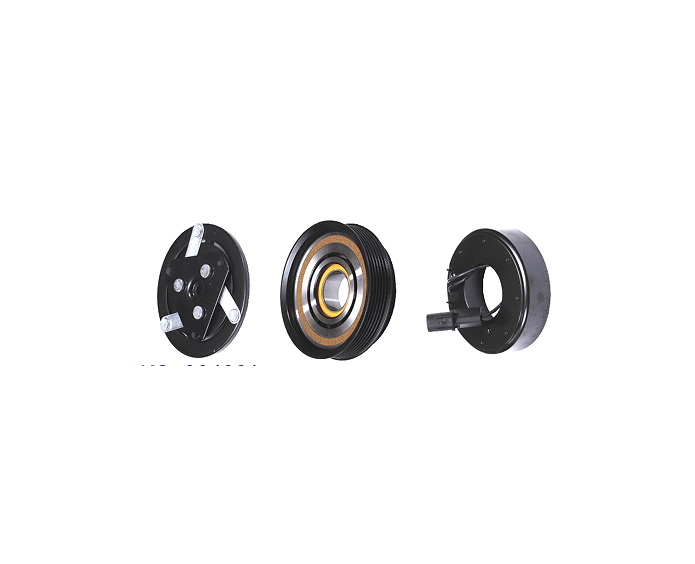

Why AC Compressor Clutch Kit Wholesale Requires Complete Product Control
An AC compressor clutch kit wholesale project is not simply a larger version of a retail replacement purchase. For distributors, importers and aftermarket suppliers, buying clutch kits in volume requires control over product identification, component matching, packaging, inventory planning and repeat-order consistency.
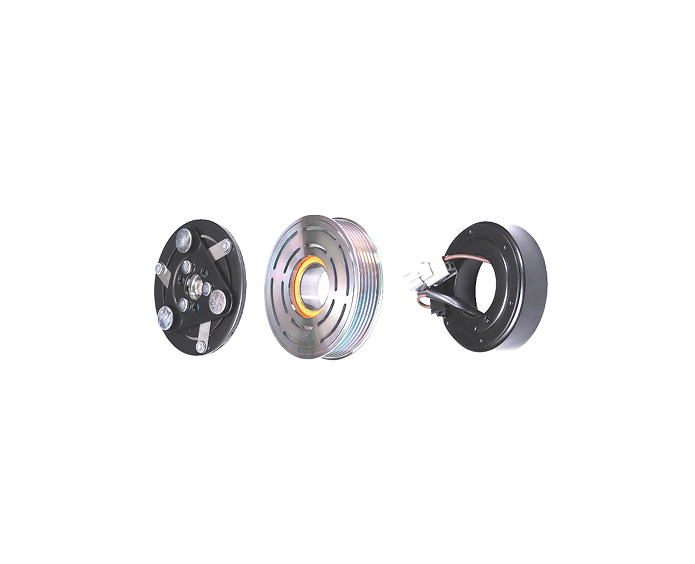
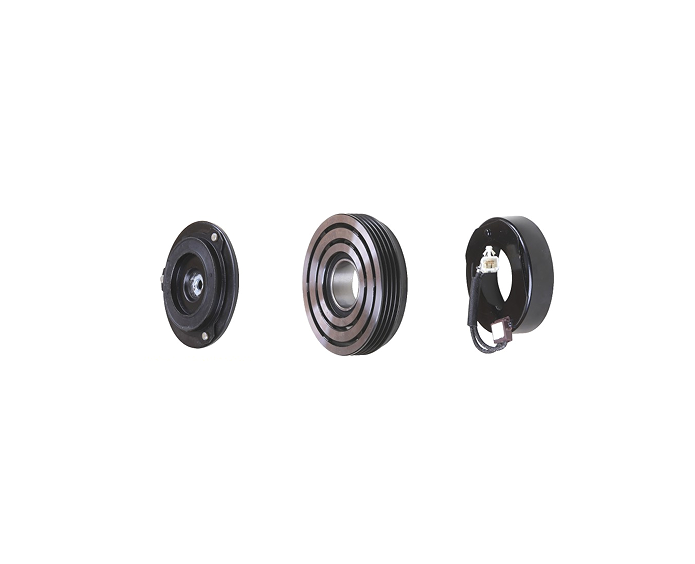
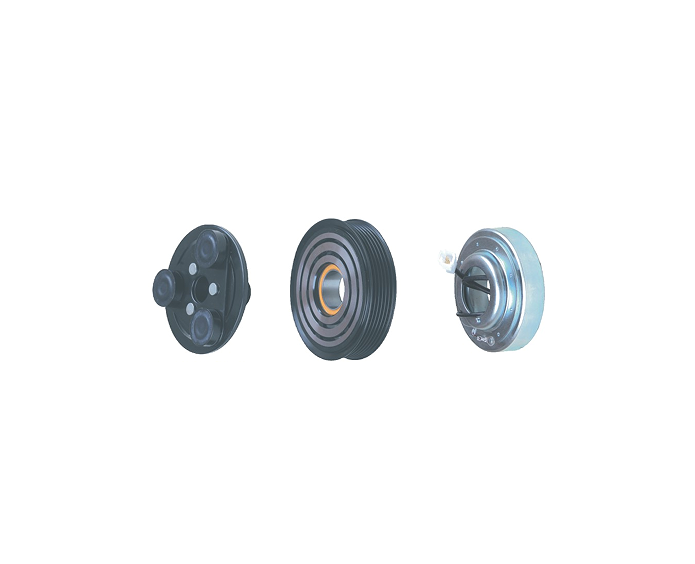
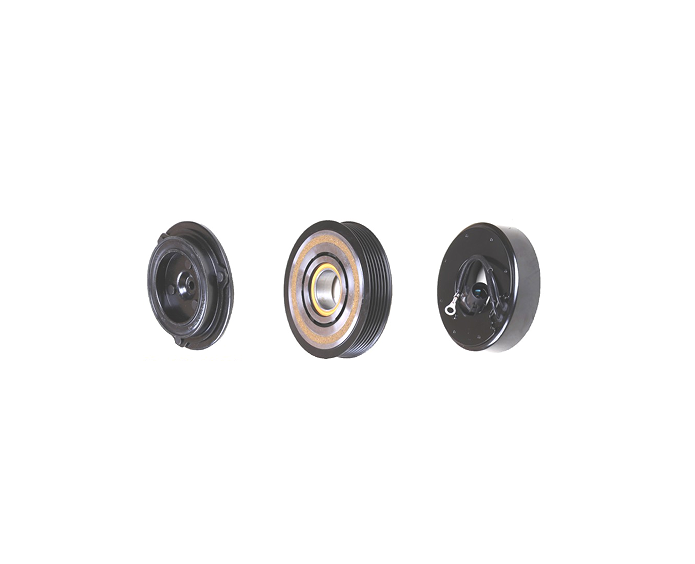
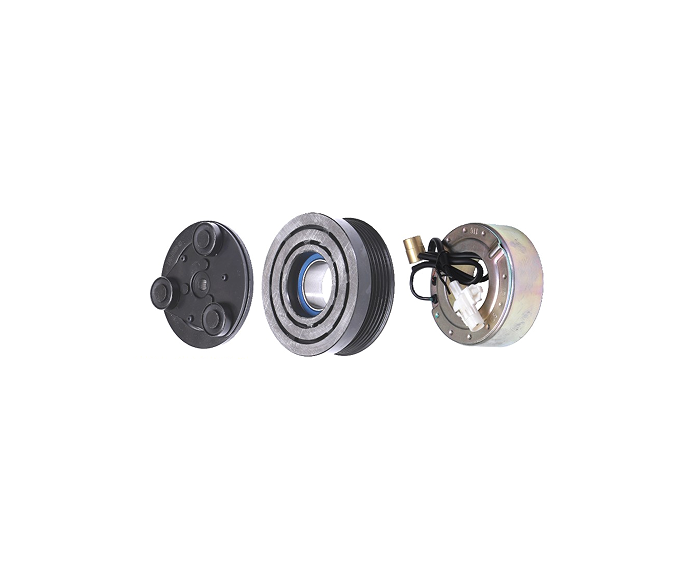
A complete compressor clutch kit usually combines several related components, such as the pulley, bearing, electromagnetic coil, hub and clutch plate. These parts must work together as one system. A kit that contains visually similar components but has incorrect pulley dimensions, bearing specifications, coil configuration or hub compatibility may create installation problems for downstream customers.
KASEN supplies automotive air-conditioning products including compressor clutches, compressors, electric compressors, valves and related components. Buyers can review the KASEN AC compressor clutch product range when evaluating complete clutch solutions.
For professional buyers, the purpose of wholesale sourcing is not only obtaining more units at a lower price. The real objective is:
A correctly identified clutch kit that can be sold, installed and reordered with confidence.
Who Should Purchase AC Compressor Clutch Kits in Bulk?
Automotive AC Distributors
Distributors often purchase complete clutch kits because workshops prefer a matched solution instead of sourcing every component separately.
A complete kit can simplify:
- Product selection
- Inventory management
- Customer communication
- Installation preparation
However, distributors should still verify the exact application before adding a kit to inventory. Similar-looking kits may use different pulley sizes, bearing specifications, coil voltages or hub interfaces.
Compressor Rebuilding Companies
Compressor rebuilders may use clutch kits when multiple front-end components require replacement.
A complete kit can reduce the risk of combining:
- Incorrect pulley
- Incorrect bearing
- Incorrect coil
- Incorrect clutch plate
with an existing compressor.
Aftermarket Brands and Importers
Private-label brands and importers usually need:
- Stable product references
- Accurate catalogue information
- Consistent packaging
- Repeat-order control
- Supplier communication
For these buyers, a clutch kit is not only a mechanical product. It is also an inventory item that must remain clearly identifiable.
Understand What an AC Compressor Clutch Kit Contains
Before ordering wholesale quantities, buyers should define exactly what the supplier means by “clutch kit.”
Different suppliers may use the term differently.
A complete kit may include:
Pulley Assembly
The pulley connects with the engine belt system and provides the rotating structure for clutch engagement.
Important factors:
- Pulley diameter
- Belt groove
- Alignment
- Bearing installation
Bearing
The bearing supports pulley rotation.
Important factors:
- Bearing specification
- Dimensions
- Assembly compatibility
Buyers can review related compressor clutch bearing information when evaluating clutch kit components.
Electromagnetic Coil
The coil generates the magnetic force required for clutch engagement.
Important factors:
- Voltage
- Electrical characteristics
- Connector
- Installation position
Buyers can also review the KASEN clutch coil product range.
Hub and Clutch Plate
These components transfer rotation to the compressor shaft after engagement.
Important factors:
- Shaft interface
- Mounting structure
- Engagement surface
Because every component affects the assembly, buyers should confirm the complete kit configuration before bulk purchasing.
Build a Wholesale Specification Before Comparing Suppliers
A professional wholesale order should begin with a controlled specification.
| Specification Item | What to Confirm | Why It Matters |
|---|---|---|
| Supplier reference | Exact clutch kit model | Supports repeat orders |
| Buyer SKU | Internal product code | Connects sales and inventory |
| Compressor application | Compressor model/reference | Defines compatibility |
| Kit contents | Included components | Prevents quotation differences |
| Pulley | Diameter and groove configuration | Controls belt matching |
| Bearing | Reference and specification | Controls pulley operation |
| Coil | Voltage and connector | Controls electrical compatibility |
| Hub | Shaft interface | Controls mechanical connection |
| Plate | Engagement structure | Controls clutch operation |
| Sample status | Approved version | Controls production release |
| Packaging | Labels and carton details | Prevents warehouse errors |
This specification should remain connected to quotation, sample approval, production and future orders.
Why Vehicle Matching Alone Is Not Enough
A common purchasing mistake is selecting an AC compressor clutch kit only by vehicle model.
Vehicle information helps narrow the search, but it does not always define:
- Compressor model
- Engine configuration
- Production year
- Market version
- Clutch assembly design
A professional buyer should provide:
- Compressor information
- Existing clutch photos
- OE reference where available
- Pulley information
- Electrical details
KASEN's automotive AC compressor clutch guide explains that clutch selection requires multiple technical factors instead of relying on one matching detail.
Compare Complete Kits Using Multiple Technical Fields
Wholesale buyers should compare clutch kits using complete product information.
These examples demonstrate why one specification cannot define interchangeability.
Two kits may share:
- Similar appearance
- Similar vehicle application
- Similar voltage
while still requiring different component configurations.
A responsible supplier should help confirm the complete assembly before wholesale approval.
Evaluate Manufacturing Capability Through Complete Kit Production
When evaluating an AC compressor clutch kit wholesale supplier, buyers should understand how the complete kit is controlled.
Important questions include:
Component Matching
How are pulley, bearing, coil, hub and plate components matched?
Assembly Control
How are different kit models separated during production?
Inspection Control
Which assembly characteristics are checked?
Change Control
How are component substitutions managed?
KASEN's compressor clutch manufacturing process describes machining, assembly and inspection processes related to clutch production.
For buyers, manufacturing capability should connect directly to the purchased kit rather than only general factory descriptions.
Approve Samples Before Bulk AC Compressor Clutch Kit Orders
Sample approval creates the purchasing baseline.
A useful sample record should include:
- Supplier reference
- Buyer SKU
- Compressor application
- Kit contents
- Photos
- Component information
- Approval date
If the supplier changes:
- Pulley
- Bearing
- Coil
- Hub
- Plate
the change should be reviewed before production.
This prevents different physical products from being sold under the same catalogue code.
Quality Control Requirements for Wholesale Clutch Kits
Quality control should focus on measurable requirements.
Possible inspection areas include:
Component Verification
Confirm correct components are included.
Dimensional Inspection
Verify important assembly dimensions.
Electrical Inspection
Check coil-related requirements.
Assembly Inspection
Confirm correct installation relationship.
Packaging Inspection
Ensure labels match the order.
Production inspection and performance validation should remain separate.
A production inspection confirms conformity.
A validation test evaluates a specific condition.
Inventory Planning for AC Compressor Clutch Kit Wholesale
Large orders should be based on demand, not only supplier availability.
A practical inventory structure includes:
Core Stock
Products with:
- Stable sales
- Regular enquiries
- Confirmed demand
Trial Stock
Products with:
- Verified fitment
- Limited market history
Special Order
Products with:
- Low frequency demand
- Specific applications
This helps distributors avoid excessive inventory risk.
For bulk purchasing strategies, buyers can review the KASEN AC compressor clutch wholesale guide.
OEM and Private Label Clutch Kit Projects
Some buyers require:
- Standard clutch kits
- Private-label packaging
- Custom technical solutions
These projects should be separated.
Standard Supply
Existing approved clutch kit.
Private Label
Existing product with:
- Buyer SKU
- Branding
- Packaging
OEM Project
Technical changes involving:
- Components
- Dimensions
- Performance requirements
KASEN supports custom-production discussions based on drawings or OEM numbers through its company information page.
Specific customization, MOQ and production conditions should be confirmed for each project.
Control Cost Beyond the Unit Price
The cheapest clutch kit is not always the lowest-cost solution.
Wholesale buyers should consider:
- Product price
- Packaging
- Inspection
- Freight
- Inventory cost
- Wrong-fitment risk
- Return handling
A lower-priced kit that creates installation problems can increase total purchasing cost.
Compare suppliers using the same product scope and technical specification.
Prepare an RFQ for an AC Compressor Clutch Kit Supplier
A complete RFQ should include:
- Compressor reference
- Existing clutch information
- Required kit contents
- Product photos
- Quantity
- Destination
- Packaging requirements
Clearly state whether you need:
- Standard replacement kit
- Private label kit
- OEM customization
Buyers can review the KASEN product center and submit requirements through the KASEN enquiry page.
Frequently Asked Questions
1. What is included in an AC compressor clutch kit?
A kit may include pulley, bearing, coil, hub and clutch plate components depending on supplier configuration.
2. Should I buy a complete clutch kit or separate components?
It depends on the repair requirement. Complete kits can reduce matching risks when several components require replacement.
3. Can I choose a clutch kit only by vehicle model?
No. Compressor and assembly information should also be confirmed.
4. Why is sample approval important for wholesale orders?
It creates a confirmed product baseline before bulk production.
5. What QC should I request from a clutch kit supplier?
Request checks related to component matching, dimensions, electrical requirements and product identification.
6. How should distributors manage clutch kit inventory?
Use demand-based planning and separate core, trial and special-order products.
7. Can KASEN support OEM clutch kit projects?
KASEN supports custom-production discussions based on drawings or OEM numbers. Specific requirements require project confirmation.
8. How can I avoid incorrect clutch kit shipments?
Use approved samples, stable SKUs, technical records and clear packaging identification.
9. Can different clutch kits share components?
Only after technical verification. Similar components may still differ in important assembly details.
10. How do I request a wholesale quotation from KASEN?
Prepare compressor information, kit requirements, quantity and destination details, then contact KASEN through the Contact Us page.
Conclusion
Choosing an AC compressor clutch kit wholesale supplier requires more than comparing prices or product images. Automotive AC distributors and aftermarket buyers should confirm kit contents, compressor compatibility, component matching, sample approval, quality control and repeat-order stability before placing bulk orders. KASEN provides automotive AC clutch-related products and supports buyers with product information, replacement references and sourcing discussions. Review the KASEN AC compressor clutch range and contact KASEN with your application details, quantities and sourcing requirements to discuss a suitable clutch kit solution.