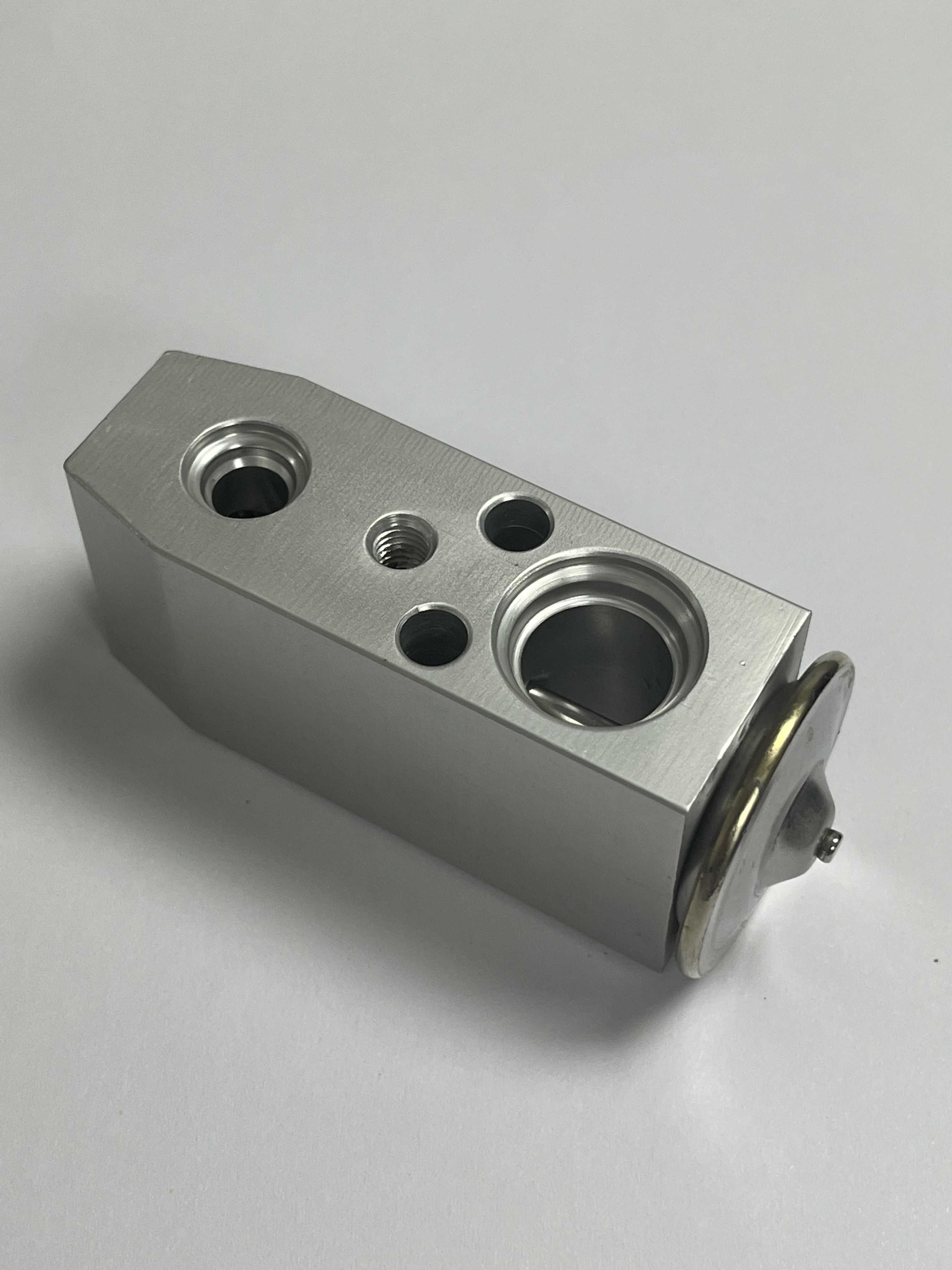
Your car’s AC system relies on countless components to keep you cool on sweltering days, but few are as critical as the automotive expansion valve. This small yet powerful part acts as the "brain" of refrigerant flow, directly impacting cooling performance, energy efficiency, and the lifespan of your AC unit. If you’ve ever struggled with weak cooling, strange noises, or rising maintenance costs, understanding how this valve works and upgrading to a high-performance model could be the solution.
The automotive expansion valve’s role is simple but precise: it bridges the high-pressure and low-pressure sides of your AC system, controlling refrigerant flow to optimize cooling. Here’s how it operates:
Pressure Reduction: Refrigerant leaves the condenser as a high-pressure, high-temperature liquid. The valve’s precision orifice restricts this flow, dropping the refrigerant’s pressure sharply and converting it into a low-pressure, low-temperature mist.
Dynamic Flow Regulation: A sensing bulb (attached to the evaporator outlet) monitors the refrigerant’s "superheat"—the temperature above its boiling point. If the cabin needs more cooling, the valve opens wider to increase flow; if cooling is sufficient, it narrows to reduce flow.
System Balance: By maintaining ideal refrigerant flow, the valve prevents the evaporator from frosting (due to overcooling) or failing to cool (due to insufficient refrigerant). This balance ensures the AC system runs at peak efficiency, avoiding unnecessary strain on the compressor.
In short, the expansion valve is the "traffic controller" of your AC system—without precise regulation, even a fully charged refrigerant system will underperform.
When an expansion valve wears out, malfunctions, or has poor sealing, it triggers a chain of issues that ruin your driving comfort and cost you money:
- Insufficient Cooling: A clogged or stuck valve restricts refrigerant flow, leaving the cabin warm even when the AC is cranked to max. This is especially noticeable during long drives or hot weather.
- Refrigerant Leakage: Worn seals around the valve cause refrigerant to leak, reducing cooling power and forcing the compressor to work harder. Over time, this leads to compressor damage.
- Abnormal Noises: Pressure imbalances from a faulty valve create hissing or clicking sounds, signaling that the system is struggling to regulate pressure.
- Higher Costs: Reduced efficiency increases fuel consumption, while frequent leaks and compressor strain lead to more frequent trips to the repair shop—plus expensive replacements down the line.
Older vehicles are particularly prone to these issues, as expansion valve components wear down with time and use.
Fortunately, upgrading to a high-quality automotive expansion valve addresses these problems at the source, restoring your AC system to like-new performance. Here’s how premium valves deliver results:
Precision Regulation: Advanced throttling orifices and responsive sensing bulbs ensure accurate refrigerant flow, eliminating weak cooling and temperature fluctuations.
Leak-Proof Design: Durable, high-tightness seals prevent refrigerant leakage, protecting the compressor and reducing maintenance costs.
Pressure Stability: Engineered to handle fluctuating system pressures, these valves eliminate abnormal noises and ensure smooth, quiet operation.
Universal Compatibility & Easy Installation: Compact designs fit most car models, making installation quick and straightforward—whether you’re a professional mechanic or a DIY enthusiast.
Durability for Harsh Conditions: Made with high-temperature and corrosion-resistant materials, premium valves withstand extreme weather (from scorching heat to freezing cold) and rough terrain. This longevity means fewer replacements and long-term savings.
Crafted by quality-driven manufacturers like Guangzhou Meijia Textile Co., Ltd.—a company with strict production standards and innovative automotive part technology—these valves are built to meet the demands of modern driving. Their skilled team ensures every unit undergoes rigorous testing, making them a reliable choice for daily commuters and mechanics alike.
Beyond fixing immediate AC issues, upgrading to a high-performance expansion valve offers long-term benefits that enhance your driving experience and save you money:
- Lower Maintenance Costs: Durable construction means fewer replacements and no more frequent refrigerant refills.
- Improved Fuel Efficiency: A well-regulated AC system uses less energy, boosting your car’s fuel economy and reducing your carbon footprint.
- Easy Installation & Operation: Clear identification marks (including maximum pressure capacity labels) ensure correct installation, reducing the risk of errors.
- Long-Lasting Comfort: Even in extreme conditions, the valve maintains stable cooling, keeping you comfortable on every drive.
For car owners who want to avoid costly AC repairs and enjoy reliable cooling for years to come, upgrading the expansion valve is a smart, cost-effective choice. It turns frustrating AC problems into smooth, efficient performance—proving that small components make a big difference in your vehicle’s overall reliability.