
What Should an AC Compressor Clutch Hub Supplier Help Buyers Confirm?
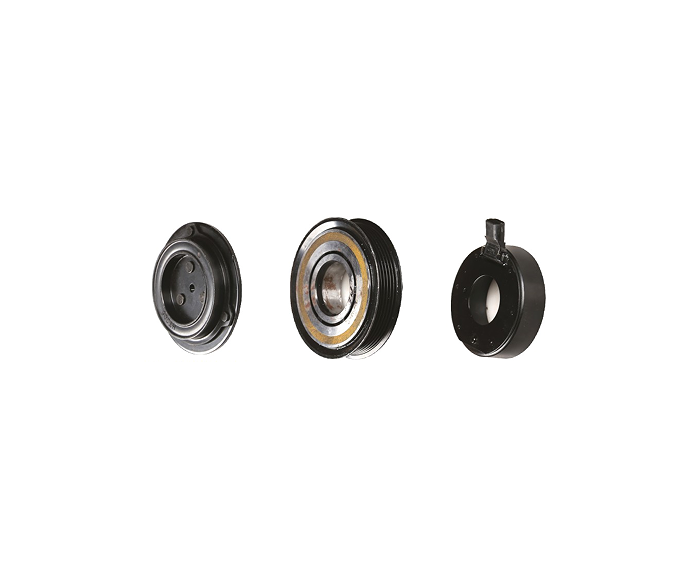
An AC compressor clutch hub supplier should help buyers confirm more than the outside appearance of a metal clutch component. For automotive AC distributors, compressor rebuilders and aftermarket parts companies, the critical question is whether the hub can correctly connect with the compressor shaft and work together with the clutch assembly.
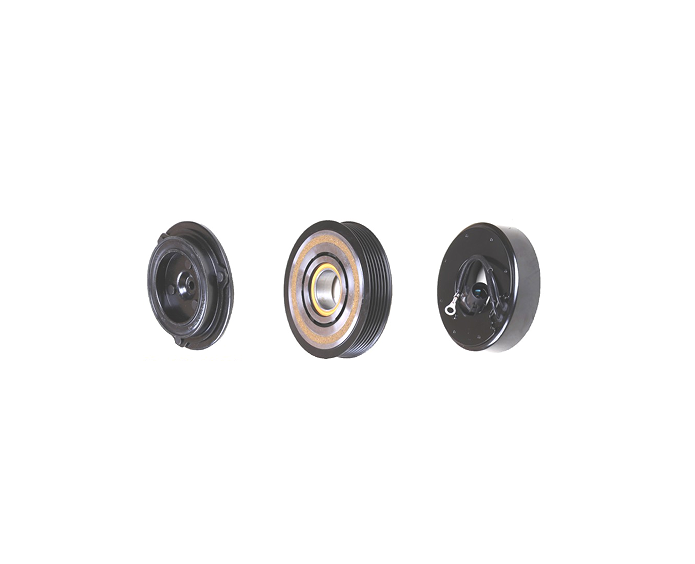
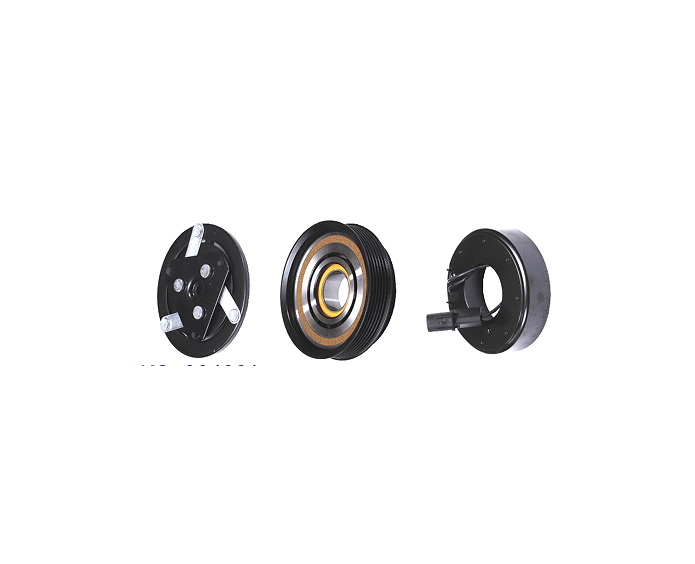
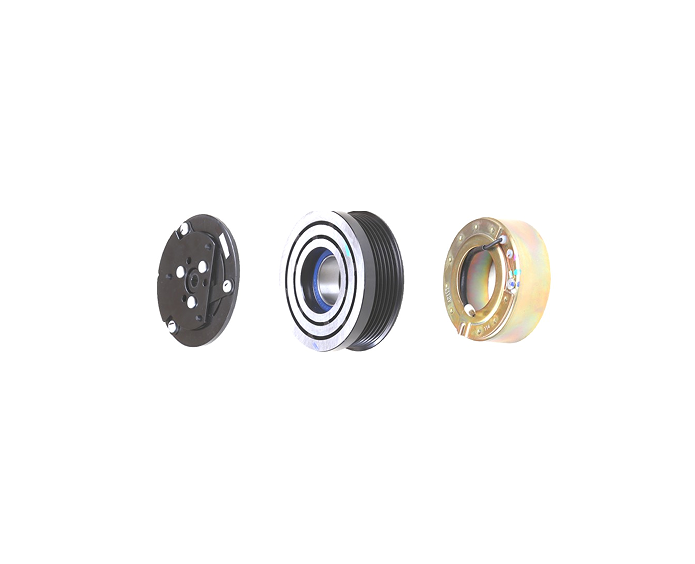
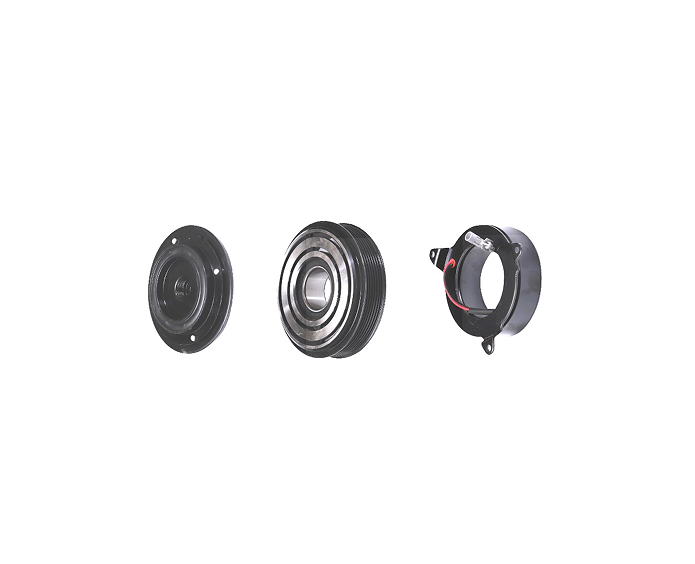
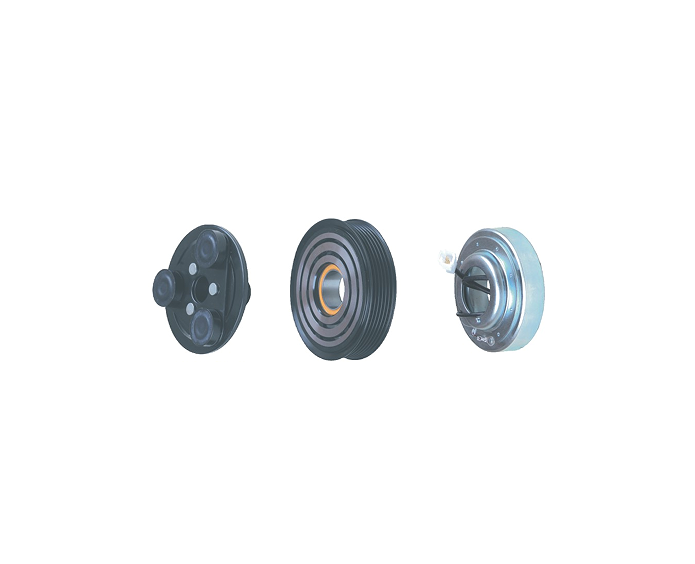
The hub is one of the key mechanical components inside an electromagnetic compressor clutch system. It transfers rotational force from the engaged clutch assembly to the compressor shaft. Because the hub interacts with the compressor shaft, clutch plate, pulley and coil system, incorrect identification can result in installation problems even when the component appears visually similar.
KASEN supplies automotive AC components including compressor clutches and related replacement parts. Buyers can review the KASEN AC compressor clutch product range when evaluating complete clutch solutions and component requirements.
For professional purchasing, the correct approach is:
Confirm the shaft interface, clutch configuration and application first—then approve the hub for production or inventory.
Who Needs an AC Compressor Clutch Hub Supplier?
An AC compressor clutch hub supplier is mainly relevant to companies purchasing individual clutch components, including:
- Automotive AC repair-parts distributors
- Compressor rebuilding companies
- Aftermarket wholesalers
- Automotive AC specialists
- Private-label automotive parts brands
- Importers managing replacement SKUs
A compressor rebuilder may replace only the hub when the existing pulley, bearing or coil remains usable. A distributor may need hub references as part of a broader clutch-component catalogue. A private-label brand may require stable product identification and packaging for a specific hub application.
However, hub replacement is not suitable for every clutch failure. Problems related to compressor engagement may involve the coil, pulley bearing, clutch plate, electrical system or compressor itself. Before purchasing in bulk, confirm which component actually requires replacement.
Buyers can also review related AC compressor clutch components when evaluating whether a complete assembly or individual part is more appropriate.
Start Hub Identification With the Compressor Shaft
One of the most common mistakes when sourcing clutch hubs is selecting by appearance alone. Many hubs have similar circular shapes, but the shaft interface and mounting structure determine whether the component can actually be installed.
Before requesting a quotation from an AC compressor clutch hub supplier, provide:
- Compressor model or reference
- Existing hub reference if available
- Vehicle information where confirmed
- Photos of the original hub
- Shaft interface photos
- Mounting details
- Clutch assembly information
- Required quantity
A vehicle model alone may not define the correct hub because different compressors can exist within the same vehicle application.
If technical information is incomplete, mark it as pending confirmation rather than assuming compatibility from a similar-looking product.
Build a Hub Specification Before Comparing Suppliers
A clear specification allows suppliers to quote the same product. Without a controlled specification, two suppliers may provide products that look similar but use different shaft interfaces or mounting structures.
| Specification Item | Information to Confirm | Why It Matters |
|---|---|---|
| Supplier reference | Exact hub model/code | Supports repeat purchasing |
| Buyer SKU | Internal product code | Connects sales and warehouse |
| Compressor application | Compressor model/reference | Defines technical scope |
| Shaft interface | Bore, spline or mounting structure where applicable | Controls mechanical connection |
| Hub diameter | Confirmed dimension | Supports clutch matching |
| Thickness/height | Axial measurement | Prevents assembly interference |
| Mounting features | Holes, tabs or locating structure | Controls installation |
| Clutch compatibility | Related pulley, coil and plate configuration | Ensures assembly matching |
| Material requirement | Approved material or process requirements | Defines product standard |
| Surface condition | Required finish/treatment | Controls appearance and protection |
| Sample status | Approved or pending | Controls production release |
| Packaging | Label and product identification | Prevents warehouse errors |
This specification should remain connected to the sample, quotation and future purchase orders.
Why Shaft Matching Is the Key Hub Selection Factor
The hub's primary function is mechanical connection. A hub transfers rotation through the clutch system, meaning the shaft interface must match the compressor design.
Important considerations may include:
- Shaft profile
- Bore dimensions
- Mounting position
- Engagement surface
- Relationship with the clutch plate
A hub that matches the outside appearance but not the compressor shaft cannot provide a reliable replacement.
This is why professional buyers should avoid purchasing hubs only by vehicle name or photograph. The compressor and clutch assembly provide the technical reference.
The Hub Must Match the Complete Clutch System
Although the hub is a separate component, it does not operate independently.
The hub works together with:
- Pulley
- Bearing
- Coil
- Clutch plate
- Compressor shaft
For example, replacing a hub while ignoring the condition of the pulley or clutch plate may not solve the original problem. Likewise, combining components from different references without verification can create assembly issues.
KASEN's automotive AC compressor clutch information explains that professional clutch selection requires consideration of multiple components rather than one single feature. (gzkasen.com)
Evaluate Manufacturing Capability Through the Actual Hub Reference
When evaluating an AC compressor clutch hub supplier, focus on how the selected hub is controlled during production.
Important questions include:
- Which dimensions are controlled?
- How is shaft-interface accuracy verified?
- How are similar hub models separated?
- How are material or process changes managed?
- How are finished products identified?
KASEN's compressor clutch manufacturing process describes machining, assembly and inspection processes related to clutch production.
For buyers, factory capability should connect to the actual purchased hub. Equipment and production descriptions are useful, but the key evidence is whether the supplier can consistently reproduce the approved specification.
Check Material and Machining Requirements
A clutch hub is a mechanical transmission component, so manufacturing consistency is important.
Depending on the application, buyers may need to confirm:
- Material requirements
- Machining accuracy
- Surface condition
- Mounting dimensions
- Assembly compatibility
Avoid relying only on descriptions such as “strong material” or “precision machining.” Instead, connect those claims to the specific requirements of the approved hub.
A professional supplier should be able to explain which characteristics are controlled and how they are checked.
Approve Hub Samples Before Bulk Purchasing
Sample approval is an important step before adding a new hub reference to inventory.
A useful sample record should include:
- Supplier reference
- Buyer SKU
- Compressor application
- Shaft interface information
- Dimensions
- Photos
- Approval date
- Outstanding issues
If the supplier changes the hub design, mounting structure or production process, create a new revision.
This prevents purchasing teams from treating different physical products as the same approved SKU.
Compare Hub References Based on Confirmed Data
For hub sourcing, incomplete information should remain visible until confirmed.
| Reference Type | Confirmed Information | Buyer Should Verify |
|---|---|---|
| Existing hub sample | Physical appearance and measurements | Compressor shaft compatibility |
| Supplier reference | Product identification | Complete specification |
| Vehicle application | Market/application clue | Actual compressor match |
| Replacement cross-reference | Possible matching information | Technical approval |
Unlike simple consumable parts, clutch hubs depend heavily on mechanical interface accuracy. A responsible supplier should help verify missing information before bulk approval.
Separate Quality Inspection From Performance Claims
Quality control should focus on measurable requirements.
For a clutch hub, relevant checks may include:
- Product identification
- Dimensional inspection
- Shaft-interface verification
- Surface-condition inspection
- Assembly compatibility checks
These checks confirm whether the product matches the approved specification.
They do not automatically prove every possible service-life condition. If buyers require endurance, vibration or environmental testing, the test method, sample and acceptance criteria should be clearly defined.
This approach follows the quality principle from your content framework: professional content should provide transparent and verifiable information rather than unsupported claims.
Plan Wholesale Hub Inventory Carefully
A large catalogue does not mean every hub reference should become warehouse stock.
Distributors can divide products into:
Core inventory
Products supported by regular demand.
Trial inventory
New references with confirmed fitment but limited sales history.
Special-order products
Low-frequency applications handled according to customer demand.
This approach reduces inventory risk and prevents capital being locked into uncertain references.
When ordering multiple hub models, confirm:
- MOQ per SKU
- Packaging requirements
- Production schedule
- Sample requirements
Control Repeat Orders Through Change Management
Long-term supply depends on product consistency.
Before repeat orders, define which changes require approval:
- Shaft-interface changes
- Dimensional changes
- Material changes
- Surface-treatment changes
- Packaging changes
If the supplier changes a controlled characteristic, review whether a new sample is required.
For distributors, this protects the relationship between product SKU and actual physical component.
OEM and Private Label Hub Requirements
Some buyers need standard replacement hubs. Others require private-label packaging or technical customization.
Separate these requirements:
Standard supply
- Existing hub specification
- Standard packaging
Private label
- Buyer SKU
- Label
- Packaging
OEM/custom development
- Technical modification
- New specification
- Engineering review
KASEN states that it supports custom-production discussions based on drawings or OEM numbers through its company information.
Actual hub customization, MOQ, samples and production requirements should be confirmed for each project.
Prepare an RFQ for an AC Compressor Clutch Hub Supplier
A complete enquiry should include:
- Hub reference
- Compressor information
- Existing sample photos
- Shaft details
- Quantity
- Destination market
- Packaging requirements
For multiple models, create one line per SKU.
Review the KASEN product center and submit your requirements through the KASEN enquiry page.
A detailed RFQ helps avoid incorrect quotations caused by incomplete product information.
Frequently Asked Questions About AC Compressor Clutch Hub Suppliers
1. What is an AC compressor clutch hub?
An AC compressor clutch hub is a mechanical clutch component that transfers rotation to the compressor shaft when the clutch engages. It works together with the pulley, coil, bearing and clutch plate.
2. Can I choose a hub based only on vehicle model?
No. Vehicle information helps identify the application, but compressor and shaft-interface information should also be confirmed.
3. Why is shaft matching important for clutch hubs?
The hub connects with the compressor shaft. An incorrect interface can prevent proper installation or clutch operation.
4. Should I buy a hub separately or a complete clutch assembly?
It depends on the repair requirement. If only the hub is damaged and other components are suitable, separate replacement may be practical. Multiple damaged components may require a complete clutch.
5. What information should I provide to a hub supplier?
Provide compressor reference, existing hub photos, shaft information, dimensions, application details and quantity.
6. How do I evaluate hub quality?
Review the product specification, machining controls, dimensional inspection and assembly compatibility requirements.
7. Can KASEN support OEM hub projects?
KASEN supports custom-production discussions based on drawings or OEM numbers. Specific requirements should be evaluated according to the individual project.
8. How should distributors manage hub inventory?
Use demand-based inventory planning and separate core, trial and special-order references.
9. What QC information should I request?
Request inspection information related to the approved hub specification, including dimensions, identification and relevant assembly checks.
10. How do I request a hub quotation from KASEN?
Prepare your hub reference, compressor details, photos, quantity and requirements, then contact KASEN through the Contact Us page.
Conclusion
Choosing an AC compressor clutch hub supplier requires accurate mechanical identification, not only visual comparison or vehicle matching. Automotive AC distributors and rebuilders should confirm shaft interface, clutch compatibility, dimensions, sample approval and repeat-order controls before purchasing in volume. The hub is one part of a complete clutch system, so reliable sourcing depends on understanding how it works together with the pulley, coil, bearing and compressor. KASEN provides automotive AC clutch-related products and supports buyers with product information, replacement references and sourcing discussions. Review the KASEN AC compressor clutch range and contact KASEN with your hub references, application details and quantity requirements for a model-specific sourcing discussion.