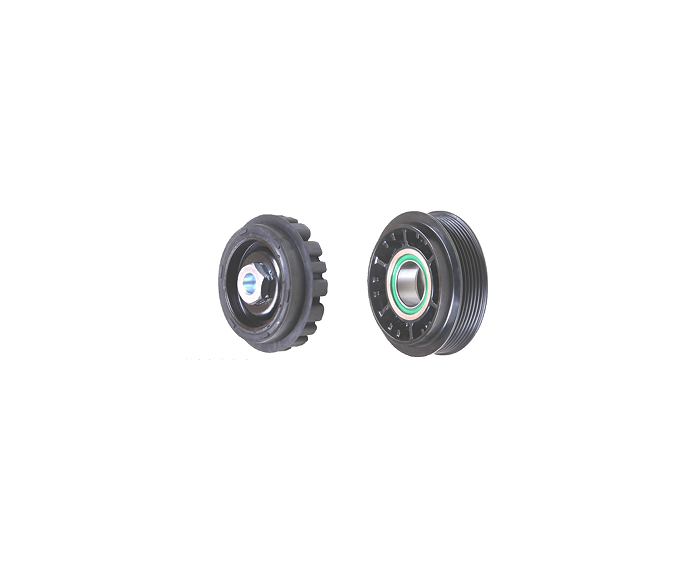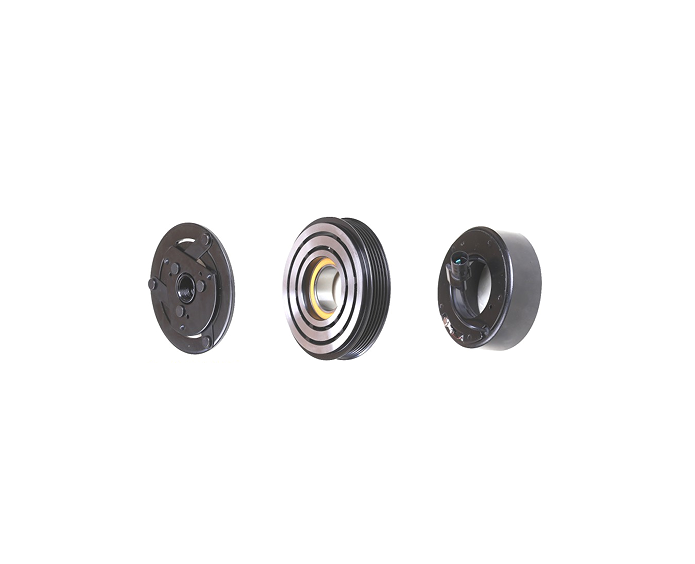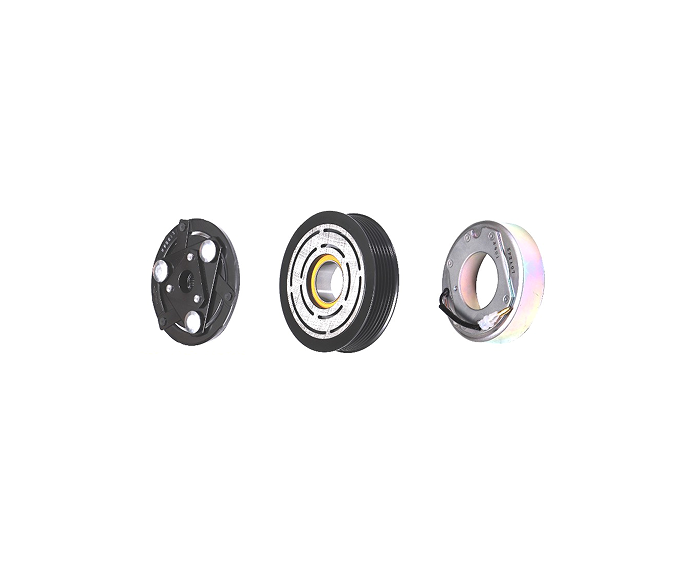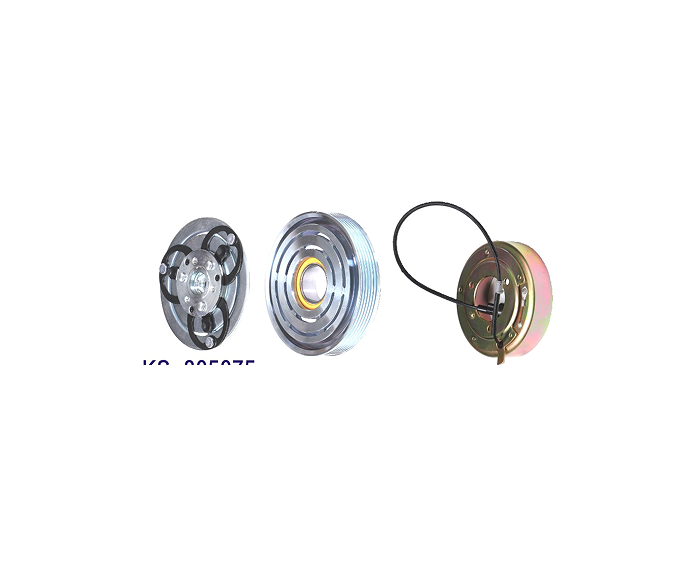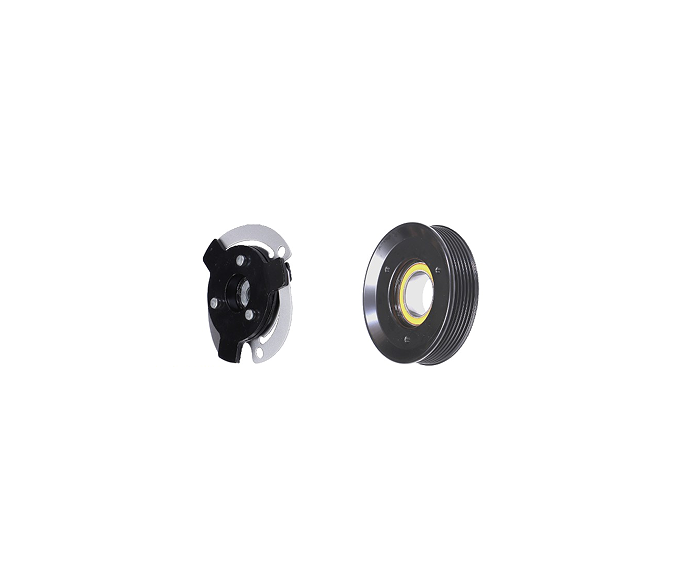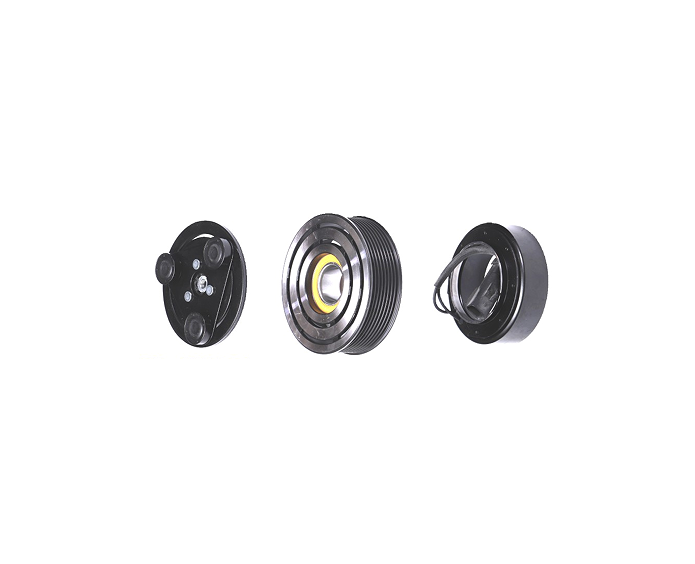

When your car’s air conditioning stops blowing cold air on a hot day, a faulty auto AC clutch is often the root cause. Whether you’re searching for a solve auto ac clutch failure supplier, need a fix car ac compressor clutch supplier, or want actionable automotive ac clutch repair solutions, this guide will walk you through every step—starting with how the auto AC clutch works, so you can address issues with clarity.
1. How an Auto AC Clutch Works (Key to Troubleshooting)
The auto AC clutch acts as a “switch” between your car’s engine and the AC compressor—without it, the compressor can’t circulate refrigerant to cool the cabin. Here’s its simple working principle:
- Step 1: Activation: When you turn on the AC, your car’s electrical system sends a current to an electromagnetic coil inside the clutch assembly. This coil creates a magnetic field.
- Step 2: Engagement: The magnetic field pulls a metal clutch plate (attached to the compressor shaft) toward a pulley. The pulley is always spinning (driven by the engine’s accessory belt), so when the plate connects to the pulley, the compressor starts rotating too.
- Step 3: Cooling: As the compressor spins, it pushes refrigerant through the AC system—from the evaporator (which cools cabin air) to the condenser (which releases heat outside the car).
- Step 4: Disengagement: When the cabin reaches your desired temperature (or you turn off the AC), the electrical current to the coil stops. The magnetic field fades, and a small spring pushes the clutch plate away from the pulley. The compressor stops spinning, saving engine power and reducing wear.
Understanding this process helps you spot why failures happen—for example, if the coil doesn’t get power, the clutch won’t engage, and the AC won’t cool.
2. Common Auto AC Clutch Failures & How to Diagnose Them
Before you find a supplier, it’s important to identify the issue. Here are the most frequent failures and how to check for them:
- Worn Bearings: The pulley uses bearings to spin freely when the clutch is disengaged. If bearings wear out, you’ll hear a grinding or squealing noise when the AC is on (or even off). To check: Turn off the AC and gently wiggle the pulley—if it moves side-to-side, bearings are likely faulty.
- Faulty Electromagnetic Coil: If the coil burns out or short-circuits, it can’t create a magnetic field. Symptoms: The AC blows warm air, and the clutch plate doesn’t move when you turn on the AC. To test: Use a multimeter to check for “continuity” (electrical flow) in the coil—no continuity means the coil needs replacement.
- Damaged Clutch Plate: Over time, the clutch plate’s surface wears down, so it can’t grip the pulley tightly. This causes slipping (the AC cools intermittently) or a burning smell. To inspect: Remove the clutch cover (if accessible) and look for uneven wear or cracks on the plate.
3. How to Choose a Reliable “Solve Auto AC Clutch Failure Supplier”
Not all suppliers are equal—here’s what to look for when picking a solve auto ac clutch failure supplier or fix car ac compressor clutch supplier:
- Product Match: Ensure the supplier offers parts for your vehicle’s make and model. For example, a supplier specializing in Ford parts may not have the right clutch for a Toyota. Ask for OEM (original equipment manufacturer) or OE-equivalent parts—they fit better and last longer than generic options.
- Warranty Coverage: A trusted supplier will back their parts with a warranty (e.g., 12–24 months). This protects you if the clutch fails prematurely. Avoid suppliers that offer no warranty—this often signals low-quality parts.
- Technical Support: The best suppliers don’t just sell parts—they help you diagnose issues. Look for suppliers with a customer service team that can answer questions like, “Will this coil fit my 2018 Honda Civic?” or “How do I test my clutch plate?”
- Reviews & Reputation: Check online reviews (on Google, Amazon, or auto forums) to see what other customers say. Look for suppliers with a 4-star+ rating and comments like “parts fit perfectly” or “fast shipping.”
Top examples of reliable suppliers include: AutoZone (for DIYers), ACDelco (OEM parts), and online specialists like RockAuto (wide range of affordable options).
4. Practical Automotive AC Clutch Repair Solutions
Once you have the right parts (from your chosen supplier), here are the automotive ac clutch repair solutions for common issues—note: if you’re not comfortable with car mechanics, hire a professional (many suppliers can refer you to trusted shops):
- Replace Worn Bearings: You don’t need to replace the entire clutch—just the bearings. Remove the pulley, press out the old bearings, and press in new ones. Use a bearing press (available at auto parts stores for rent) to avoid damaging the pulley.
- Swap a Faulty Coil: Disconnect the car’s battery, remove the electrical connector from the coil, and unbolt the coil from the clutch assembly. Install the new coil, reconnect the connector, and test the AC—if the clutch engages, you’re good to go.
- Fix a Damaged Clutch Plate: Remove the clutch assembly (you may need to loosen the accessory belt first), then unbolt the old plate and replace it with a new one. Make sure the plate is aligned correctly—misalignment can cause slipping.
- Full Clutch Replacement: If multiple parts are faulty (e.g., coil + plate + bearings), it’s cheaper to replace the entire clutch assembly. Most suppliers sell complete kits with all necessary parts, plus installation instructions.
5. Prevent Future Failures
To avoid needing a solve auto ac clutch failure supplier again, follow these maintenance tips:
- Run the AC at least once a week (even in winter)—this keeps the clutch lubricated and prevents the coil from corroding.
- Check the accessory belt tension—if the belt is too loose, it can slip on the pulley and wear the clutch plate.
- Inspect the clutch for debris (like dirt or leaves) every 6 months—clean it with a soft brush to prevent overheating.
In conclusion, solving auto AC clutch issues is a mix of understanding how the clutch works, choosing the right supplier, and using practical repair solutions. With this guide, you can fix your car’s AC quickly—and avoid overpaying for unnecessary repairs.