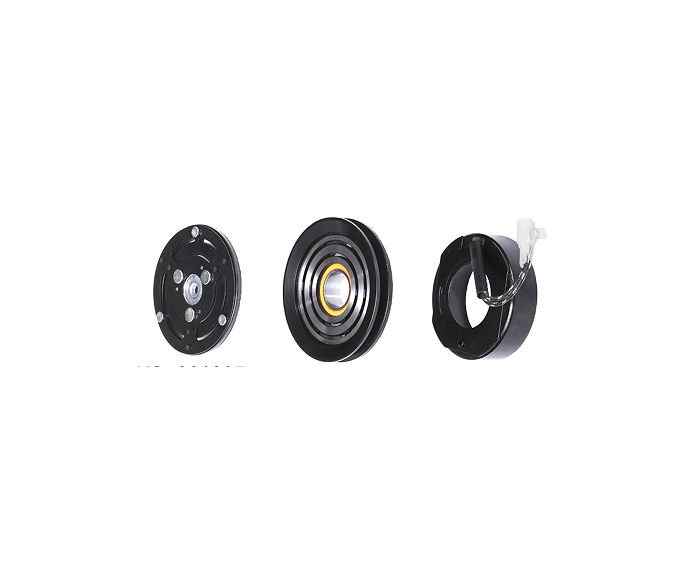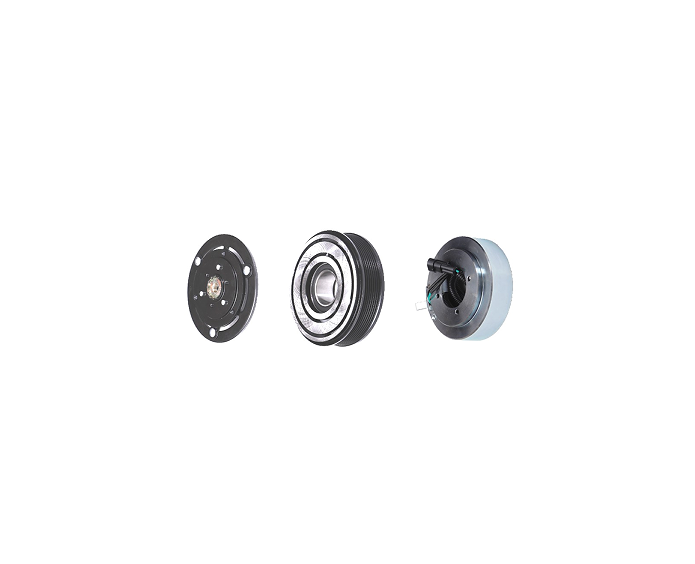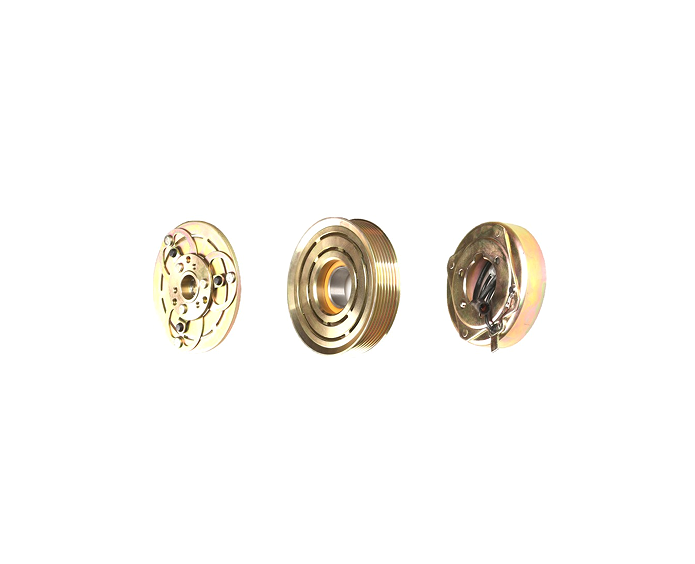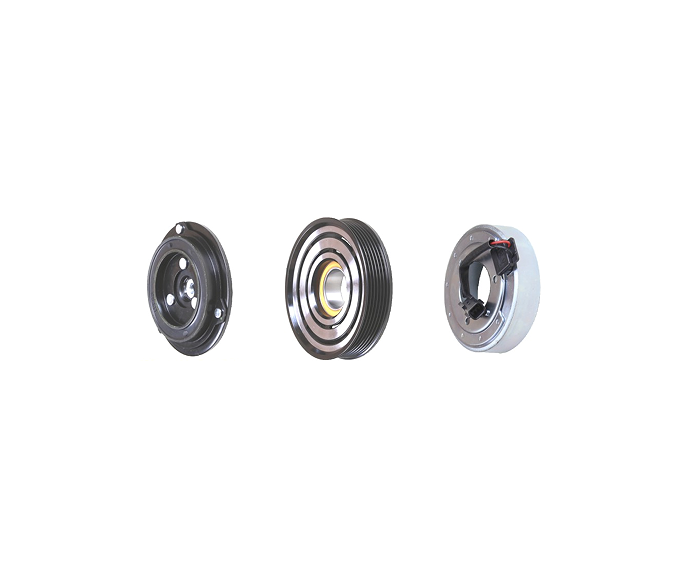

Modular Platform Design for Automotive Air Conditioner Clutch Applications
Platform Complexity Is Increasing — Standardization Must Keep Pace
Vehicle platforms are consolidating, yet application diversity is expanding.
One engine family may serve sedans, SUVs, light trucks, and regional variants. Each vehicle has different mounting geometry, pulley ratios, thermal loads, and electrical architectures.
Without modular design, component variation multiplies.
The modern automotive air conditioner clutch must adapt across platforms without reinventing core architecture for every model.
Scalability becomes a design priority.
Core Module Standardization
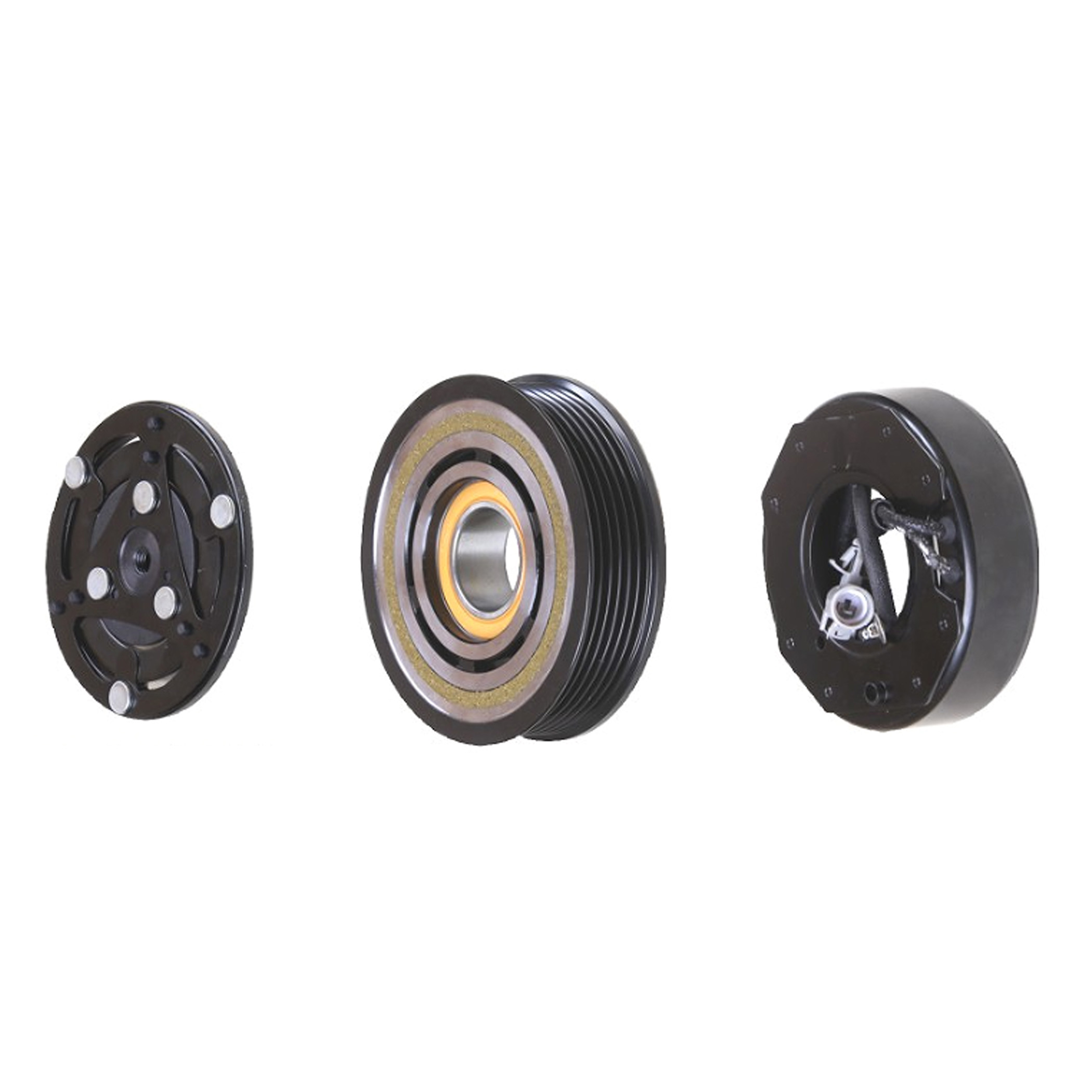
Modular architecture begins by separating:
- Magnetic actuation core
- Bearing housing assembly
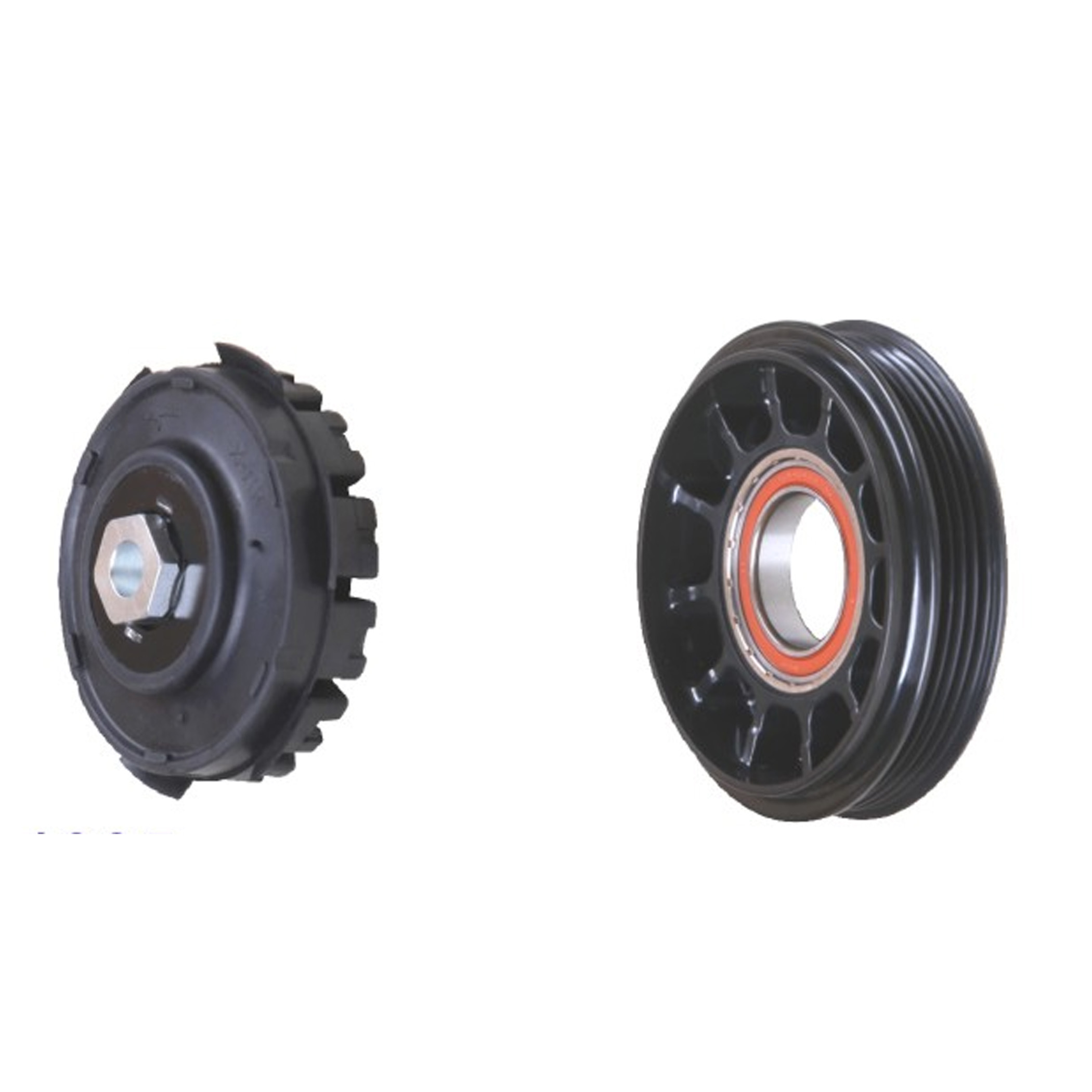
- Pulley geometry
- Electrical interface
By stabilizing the electromagnetic core module, manufacturers can vary outer components without redesigning the entire unit.
A modular automotive air conditioner clutch reduces:
- Engineering iteration time
- Tooling redundancy
- Certification repetition
- Inventory complexity
Standard core. Variable interface.
This structure improves lifecycle efficiency.
Mounting Interface Flexibility
Different vehicle platforms require unique:
- Bolt patterns
- Offset depths
- Belt alignment tolerances
- Compressor shaft specifications
Instead of fully distinct assemblies, modular platforms use interchangeable mounting brackets and adapter rings.
This approach allows one base automotive air conditioner clutch core to serve multiple compressor configurations.
Mechanical flexibility lowers SKU proliferation.
Compatibility drives supply chain simplicity.
Pulley and Diameter Adaptation
Pulley size influences:
- Compressor RPM
- Torque transfer
- Belt tension dynamics
- Energy consumption
Through modular pulley design, outer diameter and groove profiles can be changed independently from the electromagnetic system.
A modular automotive air conditioner clutch platform enables rapid customization for:
- 6PK / 7PK belt systems
- Hybrid torque requirements
- Regional load standards
Mechanical tuning becomes isolated from magnetic redesign.
That separation accelerates engineering cycles.
Electrical Architecture Variability
Voltage requirements differ across vehicle classes:
- 12V conventional systems
- 24V commercial vehicles
- Transitional mild-hybrid configurations
By standardizing coil housing while offering voltage-specific windings, modular design supports electrical variation without structural overhaul.
A platform-based automotive air conditioner clutch allows electrical adaptation with minimal tooling impact.
Electrical flexibility enhances future readiness.
Inventory Optimization Through Modular Strategy
From a distribution perspective, modular platforms reduce complexity.
Instead of stocking dozens of complete assemblies, distributors can manage:
- Core modules
- Interchangeable pulley sets
- Adapter kits
- Electrical harness options
This reduces warehouse space requirements and improves forecasting accuracy.
For aftermarket suppliers, a modular automotive air conditioner clutch program enhances SKU rationalization.
Fewer unique assemblies. More configurable solutions.
Manufacturing Efficiency and Tooling Rationalization
Modular architecture improves production economics.
Shared tooling across variants increases:
- Production batch efficiency
- Quality consistency
- Process repeatability
- Yield rate stability
Instead of resetting lines for every application, modular systems maintain production continuity.
The automotive air conditioner clutch becomes part of a scalable manufacturing ecosystem rather than a fragmented product catalog.
Scale supports cost control.
Lifecycle Extension and Upgrade Path
Modular design also supports lifecycle updates.
When performance upgrades are needed—such as improved magnetic efficiency or enhanced bearing durability—the core module can evolve without disrupting interface compatibility.
This ensures:
- Backward compatibility
- Easier retrofit programs
- Reduced validation time
A modular automotive air conditioner clutch platform enables phased technological evolution instead of abrupt redesign cycles.
Engineering continuity protects investment.
Strategic Value for OEM and Aftermarket Partners
For OEMs, modular platforms reduce development risk and shorten validation timelines.
For aftermarket distributors, modular compatibility increases service coverage with fewer SKUs.
For manufacturers, it improves cost efficiency and accelerates response to regional demand changes.
A scalable automotive air conditioner clutch architecture aligns with platform consolidation trends across the automotive industry.
Modularity is no longer optional—it is structural strategy.
Engineering Collaboration for Platform-Based Development
If you are evaluating multi-platform compatibility or seeking scalable HVAC component architecture, our engineering team supports modular platform strategies in automotive air conditioner clutch applications.
Explore our full product capabilities at
👉 https://www.gzkasen.com/
For platform integration and development collaboration, contact us at
👉 https://www.gzkasen.com/contact-us
Modular design reduces complexity. Strategic architecture defines longevity.