
Complete Guide to Auto AC Compressor Clutch: How It Works and Why It Matters
Why the Automotive Air Conditioner Clutch Is More Important Than Most People Think
When a vehicle’s air conditioning system fails, the compressor is often blamed. However, in many cases, the real issue lies within the automotive air conditioner clutch.
This component controls the engagement and disengagement of the compressor from the engine’s drive system. Without it, the compressor cannot properly transfer torque or regulate cooling demand.
In modern vehicles—especially hybrid and high-efficiency platforms—the clutch plays a critical role in:
- Energy efficiency
- Engagement precision
- Thermal stability
- System durability
The clutch is not just a mechanical coupling—it is a controlled electromagnetic interface.
How an Automotive Air Conditioner Clutch Works
An automotive air conditioner clutch operates using electromagnetic principles.
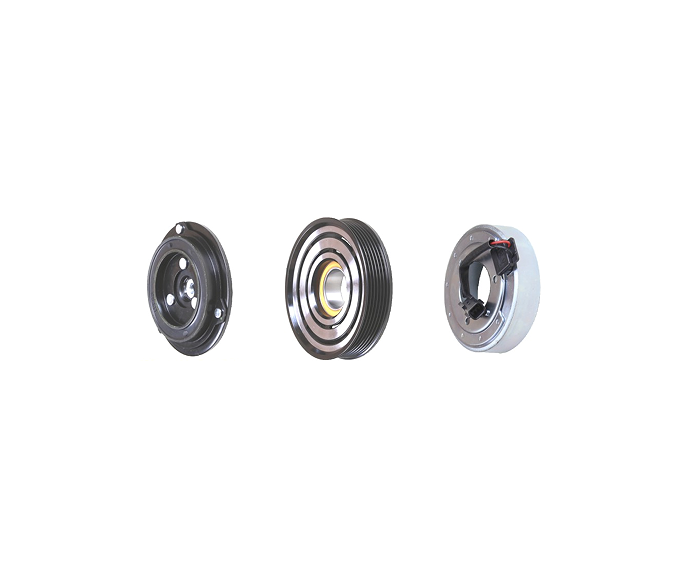
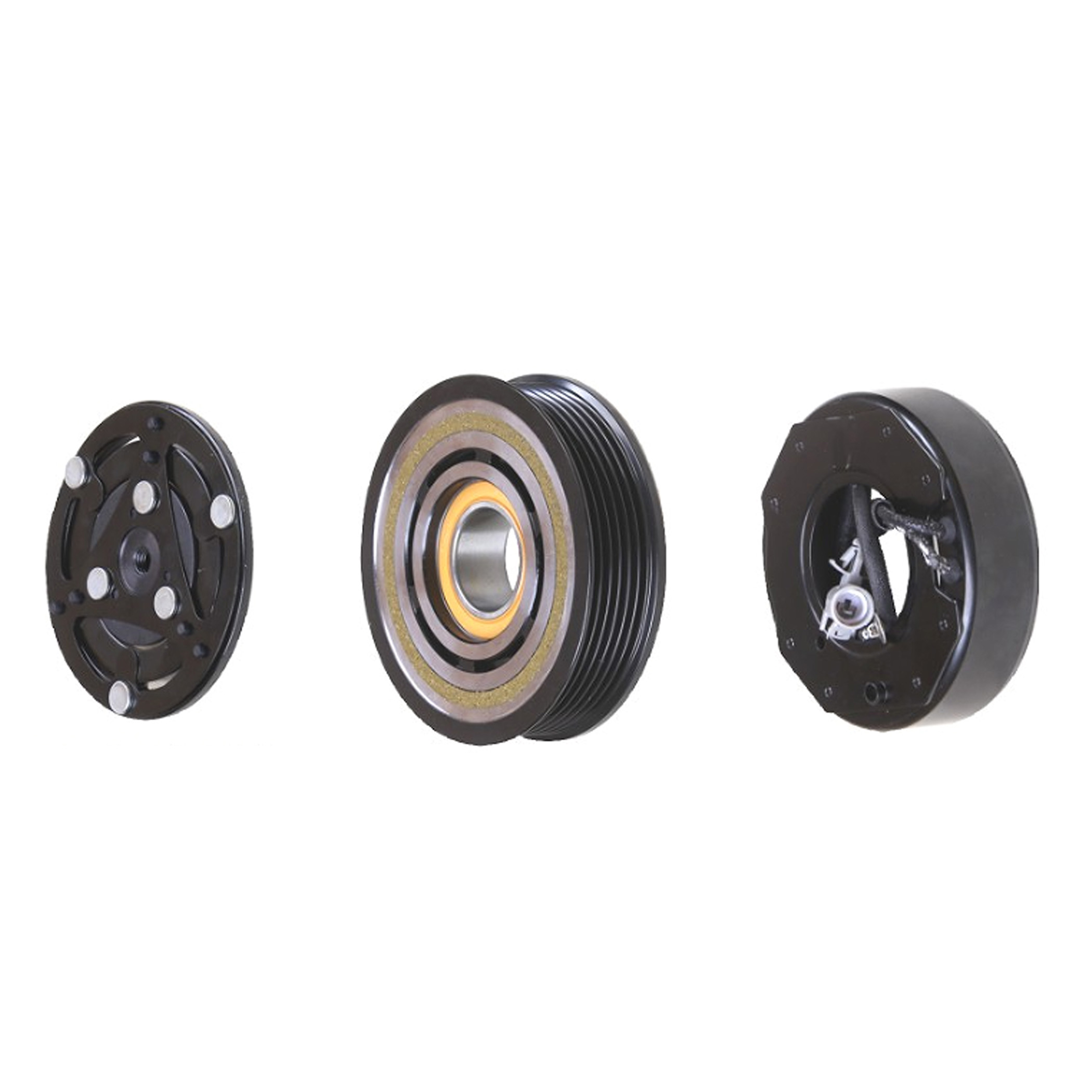
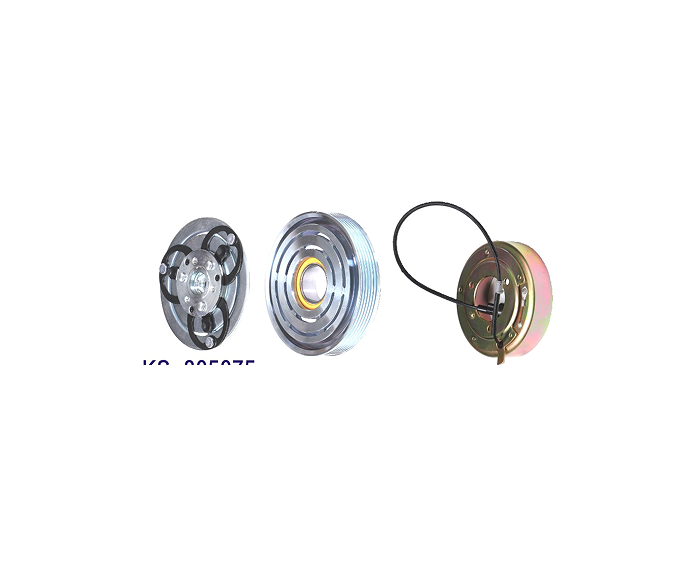
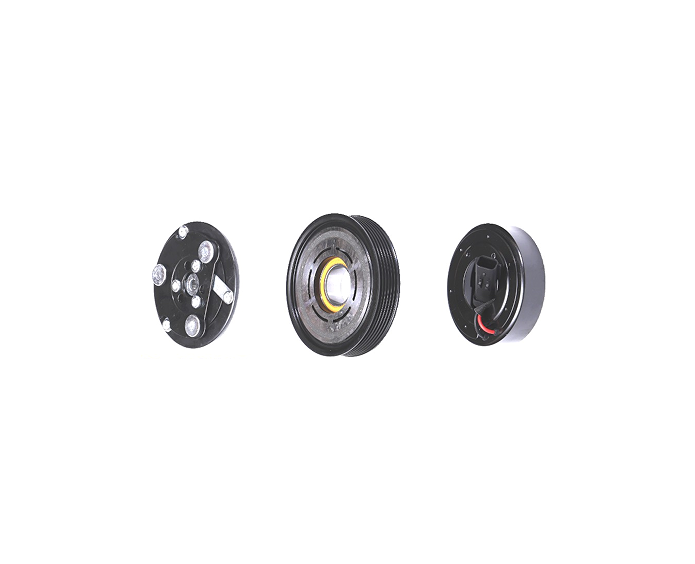
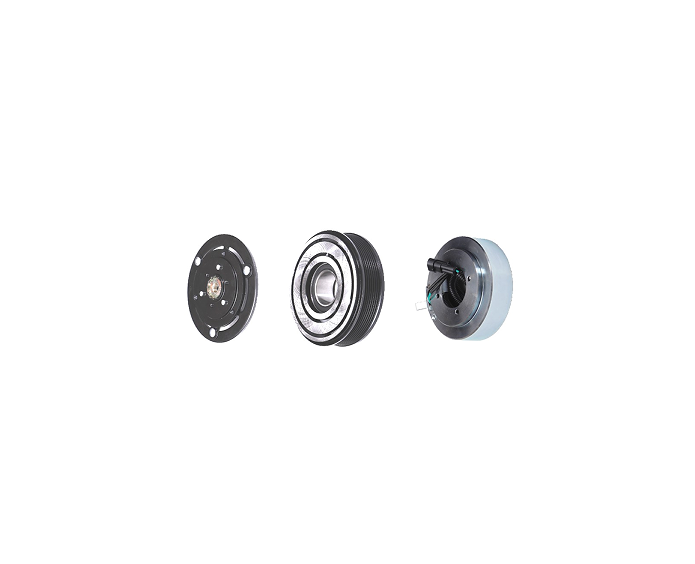
The main components include:
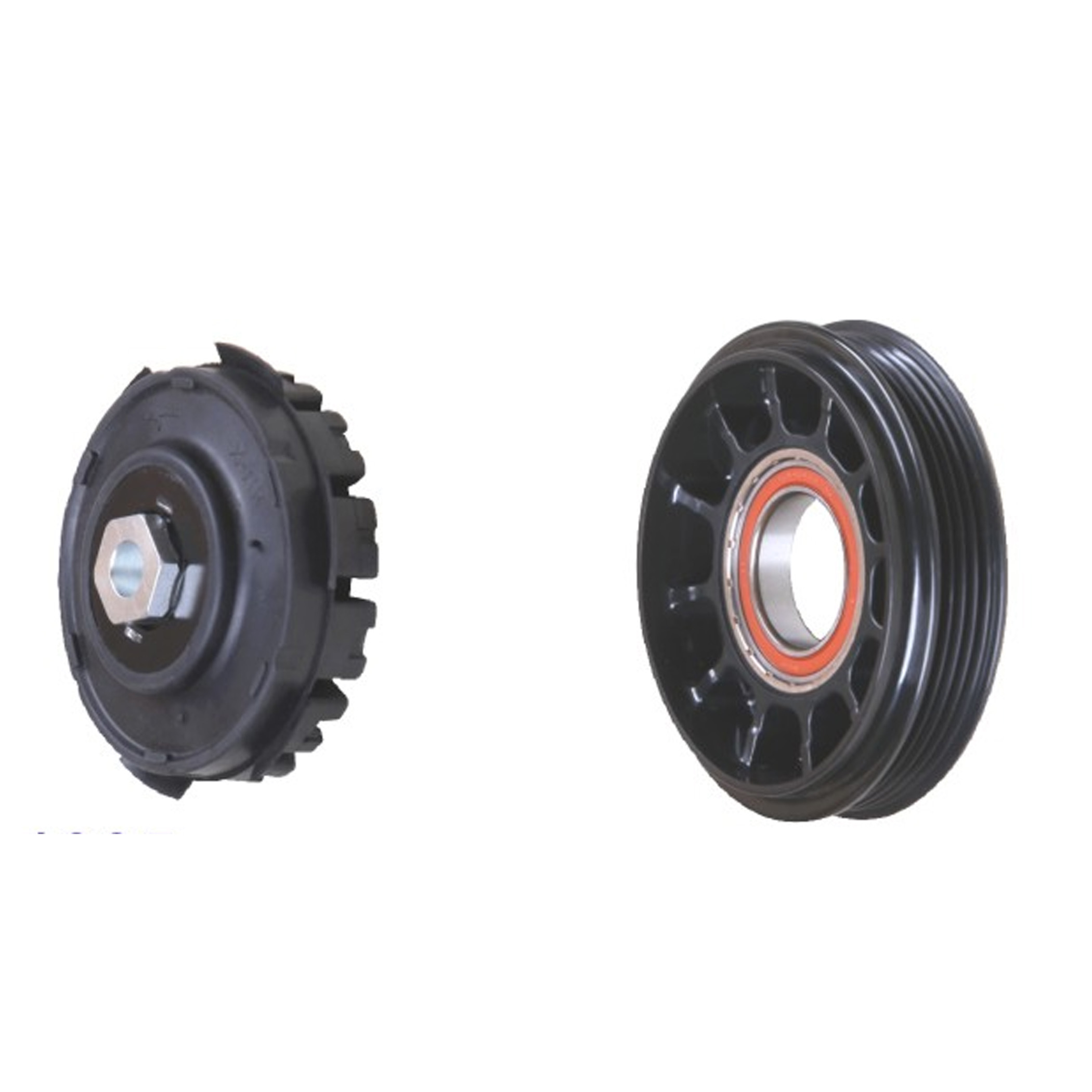
- Pulley – continuously driven by the engine belt
- Electromagnetic coil – generates magnetic force when energized
- Armature plate (pressure plate) – engages the pulley
- Friction surface – transfers torque to the compressor shaft
Here is the working process:
- When the AC system is activated, current flows through the coil
- The magnetic field pulls the armature plate toward the pulley
- Friction surfaces engage
- Torque is transmitted to the compressor
When power is cut, the magnetic field collapses and the armature disengages.
This controlled engagement allows the automotive air conditioner clutch to operate efficiently without constant mechanical load.
The Role of Friction Materials in Performance Stability
Friction material design determines:
- Heat resistance
- Wear rate
- Torque consistency
- Noise behavior
Traditional organic friction compounds struggle under high-temperature cycling. Modern upgrades include:
- Copper-free environmentally compliant materials
- Ceramic-reinforced composites
- High-temperature resin matrix systems
Advanced friction materials improve engagement stability and reduce thermal fade.
A well-designed automotive air conditioner clutch can maintain stable torque transfer even during high ambient temperature operation.
Magnetic Efficiency and Energy Consumption
Magnetic circuit design directly affects performance.
Critical factors include:
- Coil resistance accuracy
- Magnetic flux density
- Air gap precision
- Response time
Improved magnetic efficiency reduces slip during engagement and lowers electrical energy consumption.
In energy-sensitive vehicles, especially hybrids, optimizing the automotive air conditioner clutch contributes to improved overall efficiency.
Common Failure Modes and Why They Matter
Understanding failure patterns helps engineers improve design.
Common issues include:
- Clutch slip due to friction wear
- Coil burnout from overheating
- Bearing failure
- Abnormal noise from uneven engagement
If the clutch fails:
- The compressor may not engage
- Cooling capacity drops
- System pressure becomes unstable
Preventing these failures requires proper material selection, thermal management design, and production consistency.
Why Durability Is Critical for OEM and Aftermarket Markets
For OEM integration and global distributors, durability is a decisive factor.
Key reliability indicators include:
- High-cycle endurance performance
- Thermal fatigue resistance
- Corrosion resistance
- Dimensional stability
A high-quality automotive air conditioner clutch ensures:
- Reduced warranty claims
- Stable cooling output
- Long service life
- Better customer satisfaction
Reliability directly impacts brand credibility.
The Future of Automotive Air Conditioner Clutch Technology
As vehicles evolve toward electrification and intelligent control systems, clutch design continues to advance:
- Lightweight structural optimization
- Enhanced heat dissipation geometry
- Improved electromagnetic response precision
- Environmentally compliant friction compounds
The clutch is becoming more refined, more efficient, and more durable.
The automotive air conditioner clutch is no longer just a supporting component—it is a performance-critical subsystem within the thermal management architecture.
Conclusion: Why the Automotive Air Conditioner Clutch Truly Matters
From magnetic engagement principles to friction material engineering, the automotive air conditioner clutch plays a decisive role in compressor performance, energy efficiency, and system reliability.
For manufacturers, distributors, and OEM partners, investing in advanced clutch engineering means:
- Better thermal stability
- Longer service intervals
- Reduced system failure risk
- Stronger market competitiveness
To explore high-durability automotive air conditioner clutch assemblies and engineering solutions, visit:
https://www.gzkasen.com/
For technical consultation or OEM development inquiries:
https://www.gzkasen.com/contact-us/