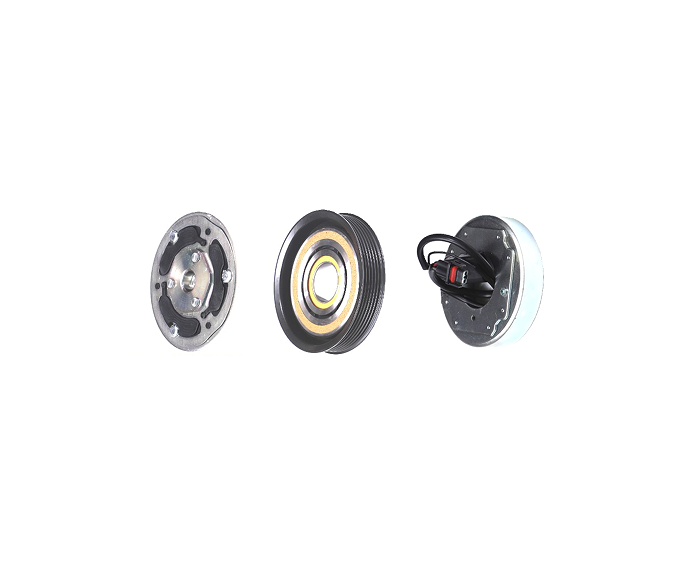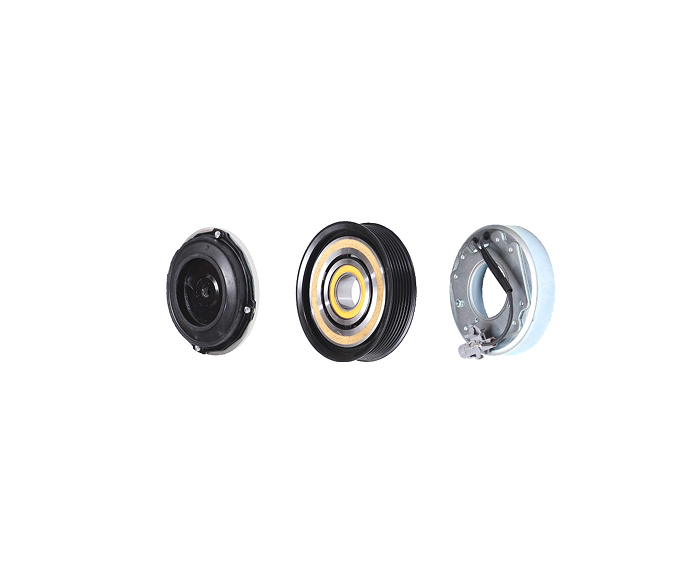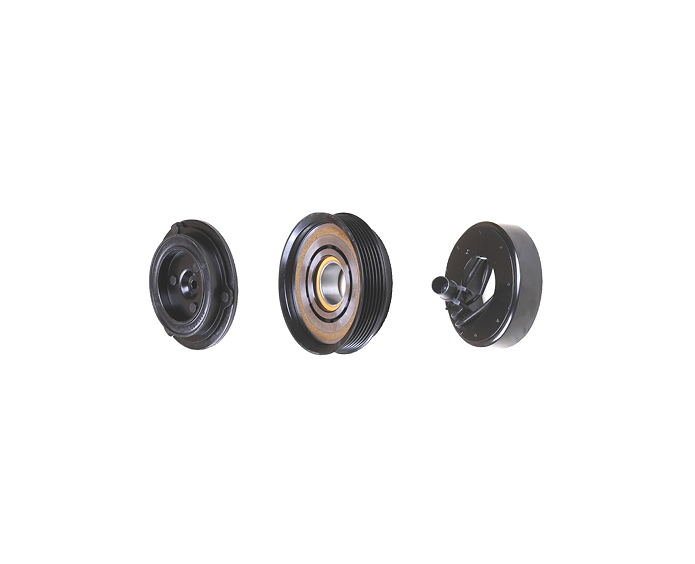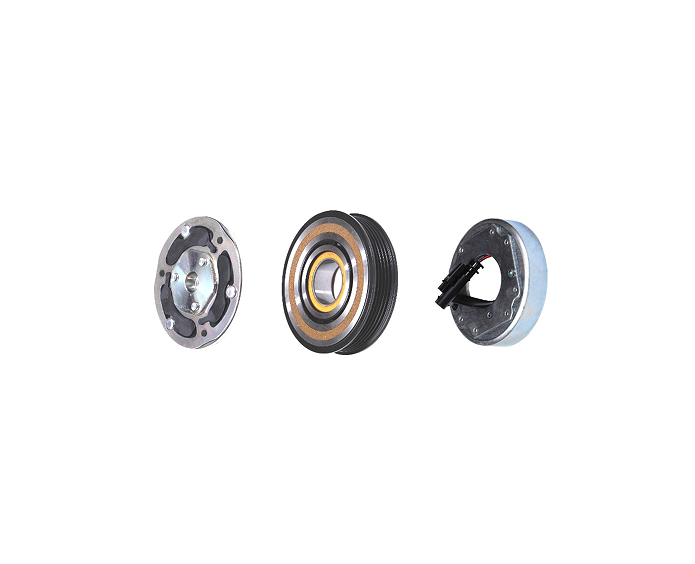

The Market Is Not Growing Uniformly — It Is Shifting
Demand for the automotive air conditioner clutch is not simply rising or falling. It is relocating. It is restructuring. It is fragmenting by region, vehicle type, and climate exposure.
In mature markets, growth is slower but stable. In emerging regions, vehicle ownership expansion fuels stronger replacement cycles. Meanwhile, hybrid adoption quietly alters engagement frequency and durability expectations.
The next five years will not be defined by raw volume alone. They will be shaped by structural change.
Vehicle Population Expansion in Emerging Economies
Asia-Pacific, the Middle East, and parts of Latin America continue to see steady vehicle parc growth.
Rising urbanization increases daily A/C usage. High ambient temperatures accelerate wear. Repair intervals shorten.
Projected regional trend (2025–2030):
| Region | Vehicle Growth | Replacement Demand Trend |
|---|---|---|
| Southeast Asia | Moderate-High | Rising steadily |
| Middle East | Stable | High wear-driven demand |
| Latin America | Moderate | Gradual increase |
| Western Europe | Flat | Stable aftermarket |
| North America | Slight growth | Replacement-driven |
In hot-climate markets, the automotive air conditioner clutch often reaches service replacement earlier than in temperate zones.
Heat remains a decisive factor.
Aging Global Vehicle Fleet Drives Aftermarket Stability
Globally, the average vehicle age continues to increase in many developed markets.
In the United States and parts of Europe, average vehicle age exceeds 11 years. That matters.
Older vehicles transition from OEM warranty coverage into independent repair networks. Aftermarket demand strengthens as fleet aging accelerates.
Replacement cycles are not linear. They follow model-specific waves. When high-volume models reach their 7–10 year window, repair spikes emerge.
This creates predictable demand clusters.
Hybrid Vehicle Penetration Alters Engagement Frequency
Hybrid vehicles do not eliminate mechanical clutch systems in all cases. Instead, they alter engagement patterns.
Stop-start cycles increase activation frequency. Electric-assisted transitions modify load profiles.
Forecast impact:
-
Gradual shift toward hybrid-compatible specifications
-
Demand stabilization rather than decline
-
Higher durability expectations
Over five years, the automotive air conditioner clutch market will not contract due to electrification. It will differentiate by platform compatibility.
Electrification changes the profile, not the existence.
Climate Volatility and Urban Heat Intensification
Climate variability introduces a less discussed driver.
Rising average summer temperatures and prolonged heatwaves increase air conditioning dependency. Urban heat island effects amplify mechanical load.
In regions where summer duration extends by even two to three weeks annually, compressor operating hours increase significantly.
This incremental stress translates into measurable long-term demand support for the automotive air conditioner clutch sector.
Environmental pressure subtly strengthens replacement cycles.
Commercial Fleet Expansion
Logistics fleets, ride-sharing vehicles, and regional delivery platforms are expanding in many countries.
Commercial vehicles operate longer daily hours. Cabin cooling becomes a non-negotiable operational factor.
Fleet vehicles often reach higher mileage thresholds within shorter timeframes, accelerating component wear.
Fleet-driven demand contributes to steady base-level volume independent of retail seasonal cycles.
Distribution Channel Transformation
Digital sourcing platforms and regional warehouse networks reduce lead times. Smaller distributors gain access to global suppliers more efficiently.
This structural shift influences:
-
Pricing transparency
-
Supplier consolidation
-
Brand competition intensity
The automotive air conditioner clutch category becomes more competitive, but also more scalable across markets.
Market growth is no longer limited by geography.
Five-Year Structural Forecast Summary
Combining macro factors:
-
Aging fleets → stable replacement demand
-
Emerging markets → incremental volume growth
-
Hybrid penetration → specification shift
-
Climate intensification → higher utilization rates
-
Commercial fleet expansion → predictable baseline demand
Overall outlook: moderate but resilient growth trajectory globally.
This is not a high-volatility product segment. It behaves with structural steadiness.
Strategic Implications for Distributors and Manufacturers
Over the next five years, success will depend on:
-
Regional demand segmentation
-
Hybrid-ready specification development
-
Inventory flexibility
-
Long-term fleet partnerships
-
Climate-focused SKU allocation
The automotive air conditioner clutch market will reward those who anticipate geographic redistribution rather than those who chase seasonal spikes alone.
Strategic positioning matters more than reactive scaling.
If you are evaluating long-term supply partnerships or planning regional distribution expansion, explore our full product range at
👉 https://www.gzkasen.com/
For detailed cooperation discussions and supply planning, contact our team directly at
👉 https://www.gzkasen.com/contact-us
Five-year success begins with structural understanding, not short-term reaction.