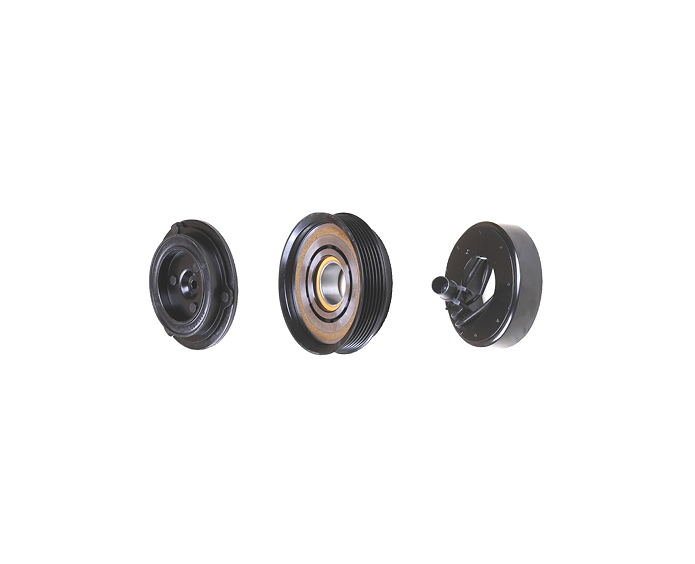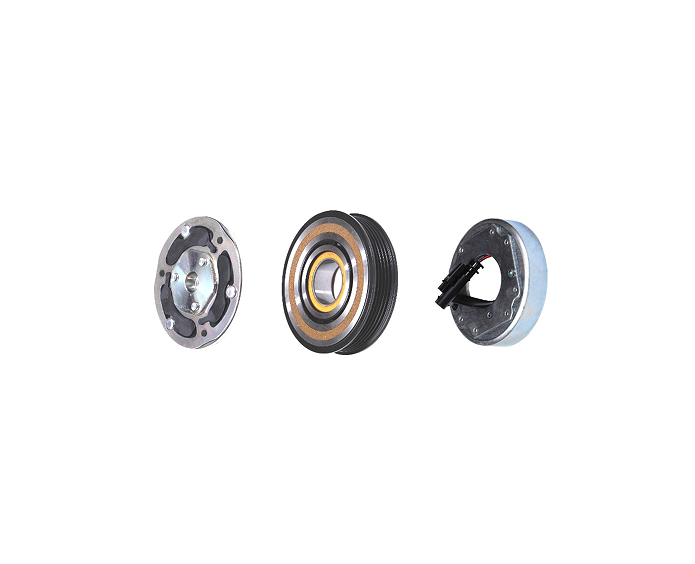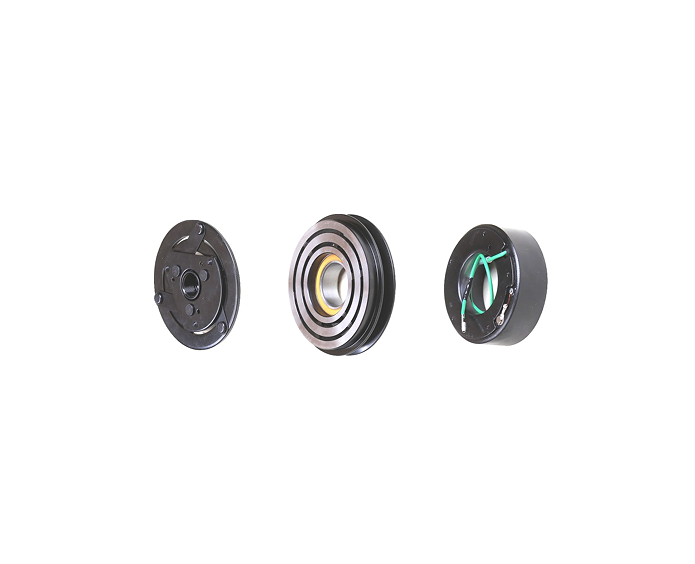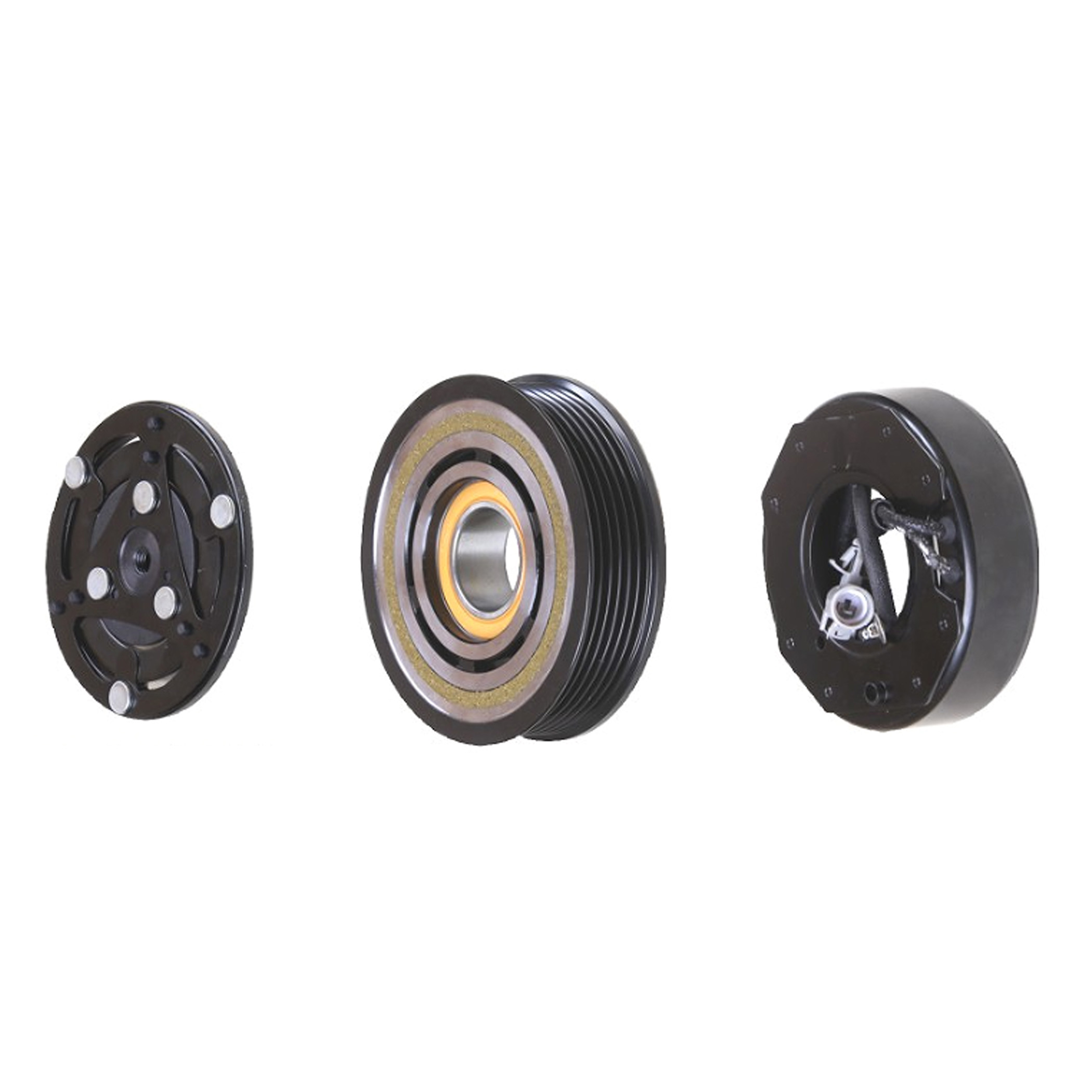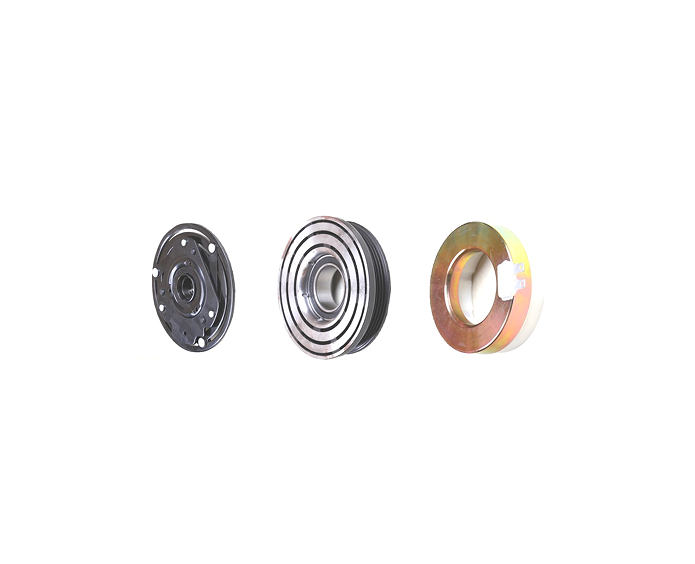

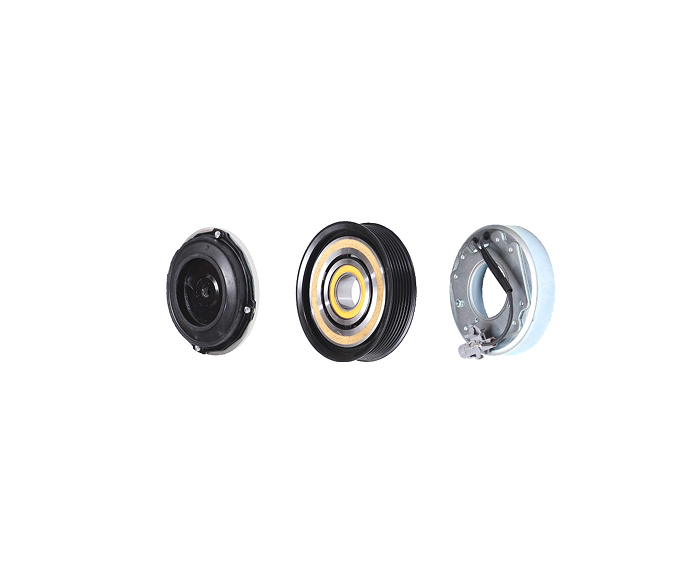
Hybrid Platforms Introduce New Stress Profiles
Hybrid drivetrains operate differently. The engine stops. It restarts. It idles silently. It re-engages under electric assist.
These behavioral shifts alter stress distribution inside the automotive air conditioner clutch. What worked reliably in conventional gasoline vehicles may degrade faster under hybrid cycling patterns.
Failure is rarely sudden. It evolves through micro-fatigue, thermal fluctuation, and magnetic instability.
Understanding those patterns is the first step toward prevention.
1. High-Frequency Engagement Fatigue
Hybrid vehicles often trigger A/C compressor activation during engine restarts or power transitions. Engagement frequency increases significantly.
Repeated micro-engagement cycles create cumulative stress in:
-
Armature plate friction surface
-
Hub spline interface
-
Coil magnetic response timing
| Stress Factor | Conventional Vehicle | Hybrid Vehicle |
|---|---|---|
| Daily Engagement Cycles | Moderate | High |
| Idle-Stop Activation | Occasional | Frequent |
| Magnetic Pulse Frequency | Stable | Variable |
| Mechanical Shock Events | Lower | Elevated |
Over time, micro-slip events during rapid engagement cause friction glazing and torque instability.
An automotive air conditioner clutch exposed to intensified cycling requires enhanced fatigue tolerance.
2. Thermal Shock and Rapid Temperature Fluctuation
Hybrid vehicles often experience abrupt thermal transitions. Engine shutdown reduces airflow. Restart generates rapid heat spikes.
This causes expansion-contraction stress within:
-
Coil windings
-
Epoxy insulation
-
Friction lining
-
Pulley hub interface
Thermal cycling induces micro-cracking in insulation layers if material grade is insufficient.
Observed failure pattern:
Gradual increase in coil resistance, followed by intermittent magnetic pull inconsistency.
Hybrid platforms magnify thermal shock exposure.
3. NVH Sensitivity Amplification
Hybrid cabins operate quietly. Without constant engine noise, clutch engagement sounds become more perceptible.
Small mechanical irregularities—previously masked—now become audible concerns.
Failure patterns often appear as:
-
Clicking under low-speed restart
-
Metallic chatter during partial engagement
-
Transient vibration under torque transfer
While not immediate mechanical breakdown, NVH degradation affects perceived quality.
In hybrid applications, acoustic tolerance margins narrow significantly.
4. Voltage Instability and Magnetic Response Drift
Hybrid electrical systems manage energy dynamically between battery packs and engine output. Voltage fluctuations occur during load redistribution.
If the automotive air conditioner clutch coil is not calibrated for wider voltage ranges, magnetic pull force may vary.
| Electrical Condition | Potential Risk |
|---|---|
| Voltage Drop Below 10V | Weak engagement |
| Voltage Spike Above 14.5V | Coil overheating |
| Rapid Voltage Fluctuation | Magnetic lag |
| Battery Regeneration Mode | Activation timing shift |
Magnetic drift can produce incomplete engagement, increasing friction wear without immediate detection.
5. Micro-Wear of Friction Surfaces
Hybrid systems emphasize smooth transition between drive modes.
Frequent partial engagement events—where torque transfer is gradual rather than abrupt—create different wear signatures compared to conventional vehicles.
Instead of deep scoring, surfaces exhibit:
-
Uniform polishing
-
Reduced friction coefficient
-
Subtle torque decay over time
This wear pattern may remain unnoticed until cooling performance decreases.
Durability testing must simulate real hybrid cycling behavior rather than steady-state operation.
6. Bearing Fatigue Under Irregular Load Profiles
Hybrid powertrains often generate uneven torque pulses during engine start-stop cycles.
This irregular rotational pattern increases bearing stress peaks.
Observed field data indicates that:
-
Bearing micro-pitting initiates earlier
-
Grease breakdown accelerates under repeated heat exposure
-
Radial load fluctuation contributes to long-term noise escalation
Failure may manifest as high-frequency humming rather than catastrophic seizure.
7. System-Level Integration Misalignment
Hybrid platforms require coordinated ECU communication between HVAC module, powertrain control, and battery management systems.
If calibration timing between electronic control and clutch response is mismatched, engagement shock increases.
System misalignment does not originate from component defect alone. It stems from integration oversight.
A properly engineered automotive air conditioner clutch must be validated within the vehicle platform—not only on isolated test benches.
Preventive Engineering Measures
To reduce hybrid-specific failure risks, engineering strategies include:
-
High-cycle endurance testing exceeding 400,000 engagements
-
Extended thermal shock validation
-
Expanded voltage tolerance calibration
-
Enhanced friction material formulation
-
Dynamic NVH chamber simulation
Failure prevention relies on anticipating stress amplification unique to hybrid systems.
Adapting to Hybrid Reliability Demands
Hybrid vehicle evolution reshapes failure patterns. Traditional assumptions no longer fully apply.
The automotive air conditioner clutch must endure intensified cycling, fluctuating voltage, acoustic sensitivity, and altered thermal airflow dynamics.
Engineering teams that study real-world hybrid stress profiles gain predictive insight into long-term durability.
If you are evaluating hybrid-compatible clutch solutions or investigating field reliability trends, visit our homepage at
👉 https://www.gzkasen.com/
For technical discussion or validation collaboration, connect directly via
👉 https://www.gzkasen.com/contact-us
Hybrid reliability begins with understanding failure patterns before they emerge.