
Seasonality Is Not the Only Variable
Most distributors associate A/C components with summer demand peaks. That assumption is incomplete.
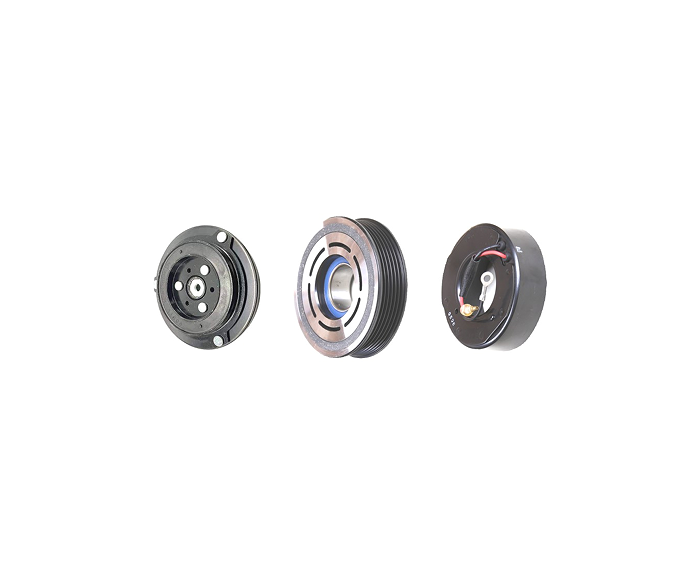
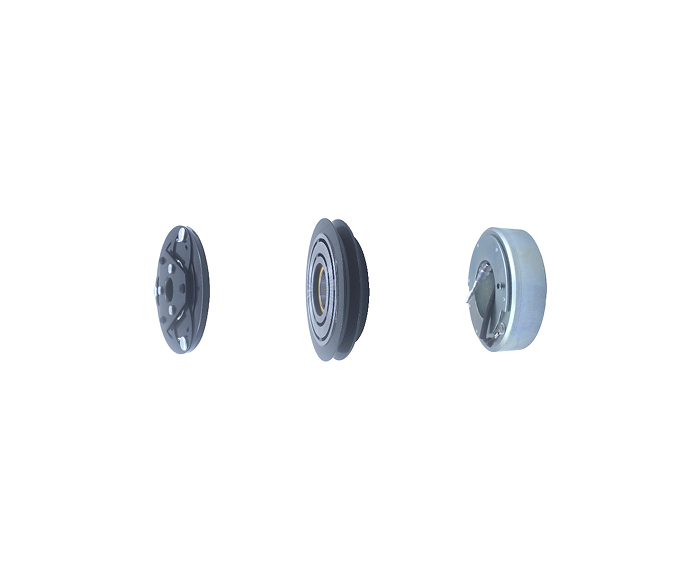
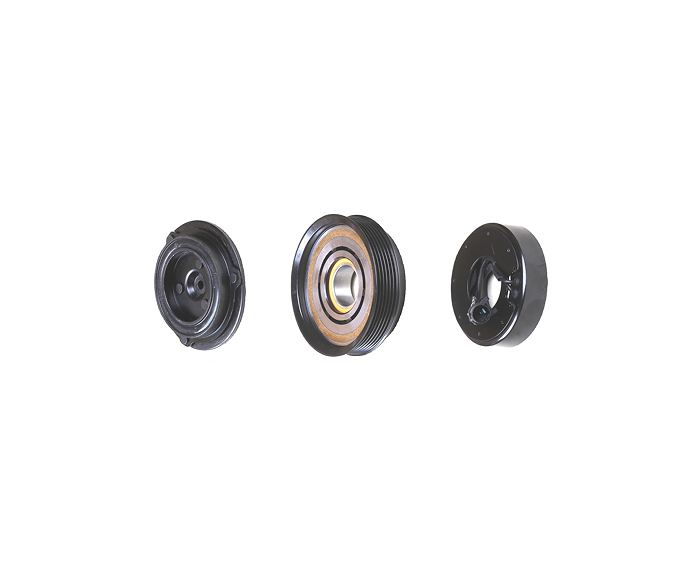
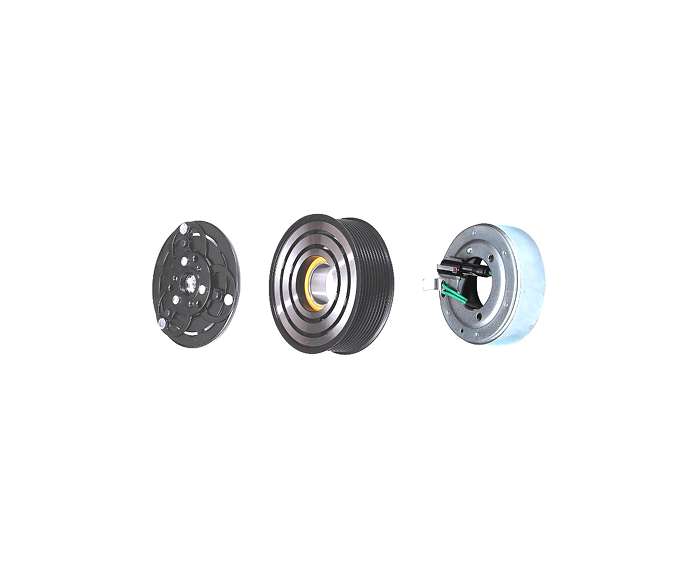
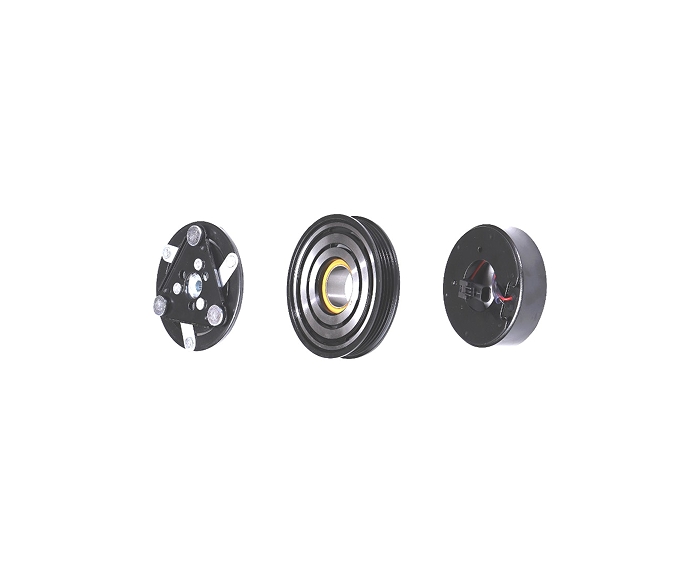
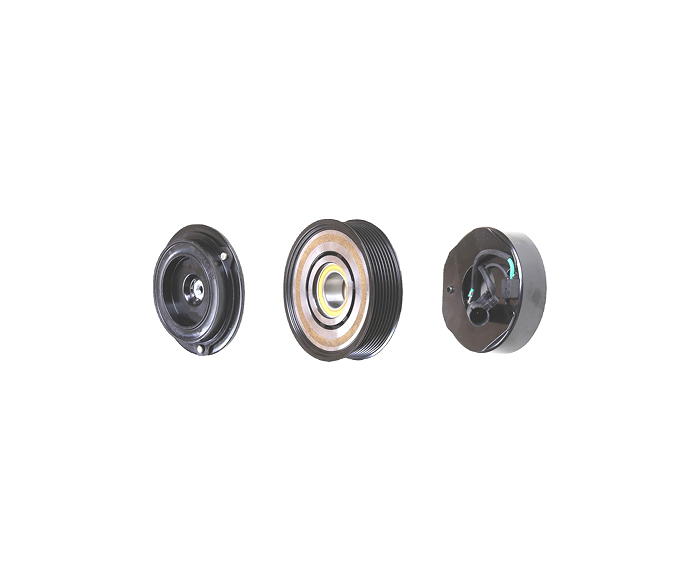
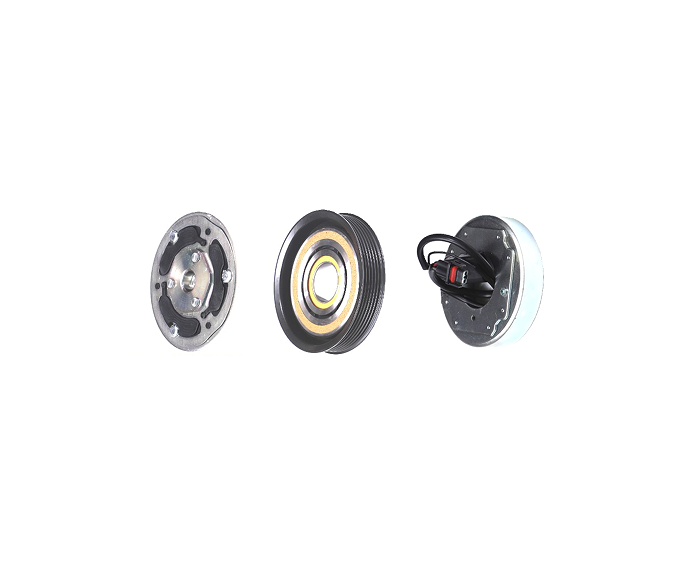
The automotive air conditioner clutch market shows multi-layered demand triggers:
-
Seasonal climate cycles
-
Regional temperature extremes
-
Vehicle age distribution
-
Hybrid vehicle penetration
-
Aftermarket repair intervals
Inventory planning must consider more than temperature curves. It must integrate vehicle population data and repair frequency modeling.
SKU Rationalization: Breadth vs Depth
One of the most common inventory mistakes is excessive SKU fragmentation.
Distributors often carry too many low-rotation part numbers while understocking high-frequency models.
A structured SKU strategy for automotive air conditioner clutch categories typically divides inventory into three tiers:
| Tier | Characteristics | Stock Depth Strategy |
|---|---|---|
| Core Models | High vehicle population | Deep stock |
| Secondary Models | Moderate turnover | Controlled stock |
| Rare Models | Low movement | Order-on-demand |
Data-driven SKU concentration improves warehouse efficiency and reduces slow-moving capital lockup.
Regional Demand Variability
Climate plays a decisive role.
-
Middle East & Southeast Asia: Continuous high demand
-
North America: Strong summer peak
-
Northern Europe: Shorter seasonal spike
-
Hybrid-dominant markets: Stable but moderate year-round demand
Regional planning influences buffer stock allocation.
In high-temperature zones, the automotive air conditioner clutch replacement cycle shortens due to thermal stress and heavy A/C usage.
Ignoring climate-driven wear patterns leads to understock risk.
Vehicle Age Structure and Repair Wave Timing
Inventory forecasting should align with vehicle lifecycle curves.
Clutch replacements commonly occur between 6–10 years of vehicle age depending on usage intensity.
Market analysis often reveals a predictable repair wave when a specific model reaches mass maturity.
Example forecast model inputs:
-
Annual vehicle sales data
-
Average lifespan of clutch assembly
-
Regional operating temperature
-
Urban vs highway driving ratio
Using these variables, distributors can forecast upcoming replacement demand peaks with greater precision.
Hybrid and New Energy Vehicle Influence
Hybrid vehicles introduce altered wear profiles. Engagement frequency increases. Cycling intensifies.
This gradually shifts demand patterns toward hybrid-compatible models.
Distributors should segment inventory into:
-
Conventional engine platforms
-
Hybrid vehicle platforms
-
Transitional models
An automotive air conditioner clutch compatible with hybrid systems may experience steadier replacement demand compared to traditional units.
Failing to anticipate hybrid growth can result in future stock imbalance.
Lead Time Risk Management
Global supply chains face volatility.
Shipping delays, material cost fluctuation, and production scheduling influence replenishment timing.
Inventory planning models should include:
-
Safety stock based on 1.5× average monthly demand
-
Dual-sourcing strategy for high-volume SKUs
-
Quarterly rolling forecast review
| Risk Factor | Mitigation Strategy |
|---|---|
| Shipping Delay | Increased buffer stock |
| Raw Material Price Rise | Contract pricing |
| Seasonal Surge | Pre-season stock build |
| OEM Model Update | SKU phase-out planning |
Effective planning reduces emergency procurement costs.
Warehouse Turnover and Capital Efficiency
Ideal turnover for clutch-related components typically ranges between 4–8 cycles annually depending on market size.
Overstock increases warehousing cost and capital stagnation.
Understock leads to lost sales and urgent shipping expenses.
Balancing these forces requires continuous data monitoring rather than annual static planning.
Modern ERP integration allows distributors to track sell-through velocity by model and region in real time.
Warranty and Return Rate Considerations
Inventory strategy must incorporate quality performance metrics.
Higher return rates increase safety stock requirements and reduce margin.
Monitoring:
-
Failure cause breakdown
-
Installation-related claims
-
Regional defect clustering
An automotive air conditioner clutch with stable durability metrics enables leaner inventory planning because safety stock buffers can be reduced.
Quality stability supports financial efficiency.
Off-Season Strategy: Capital Reallocation
Demand slows during cooler months in some regions. Instead of freezing capital, distributors can:
-
Shift stock between regional warehouses
-
Offer bundled kits to stimulate off-season sales
-
Prepare for next peak cycle
Strategic redistribution improves annual inventory productivity.
Building a Data-Driven Distribution Model
Inventory success depends on disciplined forecasting rather than reactive replenishment.
The automotive air conditioner clutch category requires integration of climate data, vehicle population analysis, hybrid penetration rates, and supplier lead time reliability.
Distributors who manage these variables systematically reduce financial risk and increase service responsiveness.
If you are evaluating stable supply partnerships or planning SKU optimization for the upcoming season, visit our homepage at
👉 https://www.gzkasen.com/
For distribution cooperation and bulk supply discussion, contact us directly via
👉 https://www.gzkasen.com/contact-us
Inventory planning is not guesswork. It is structured risk contro