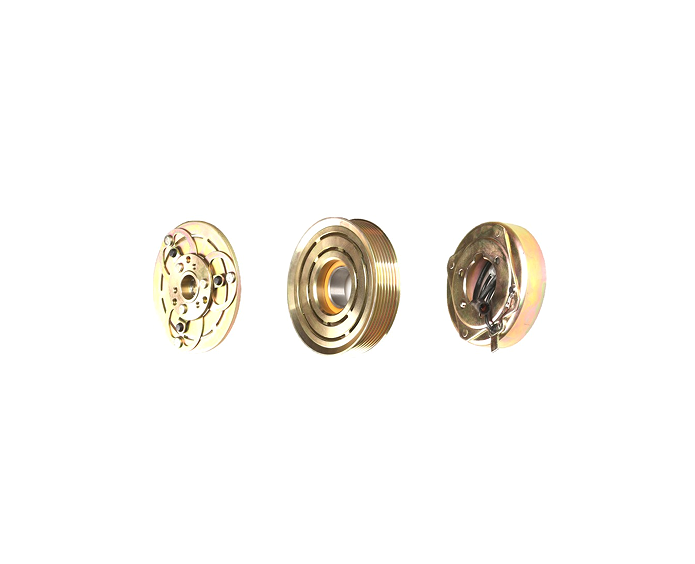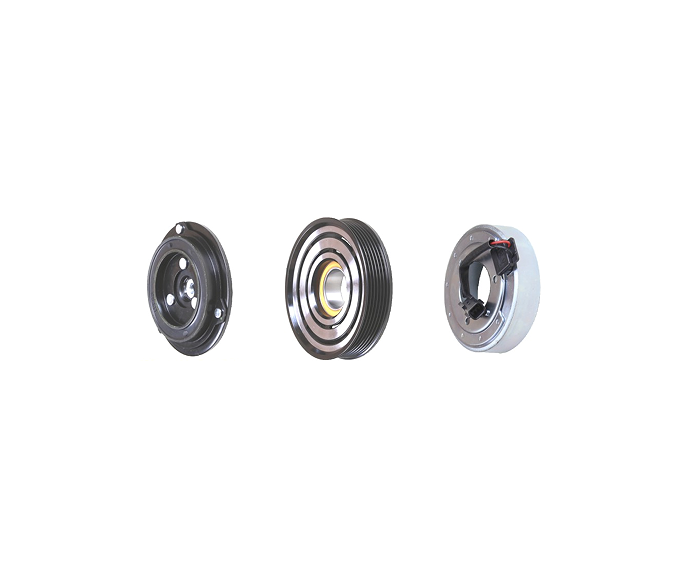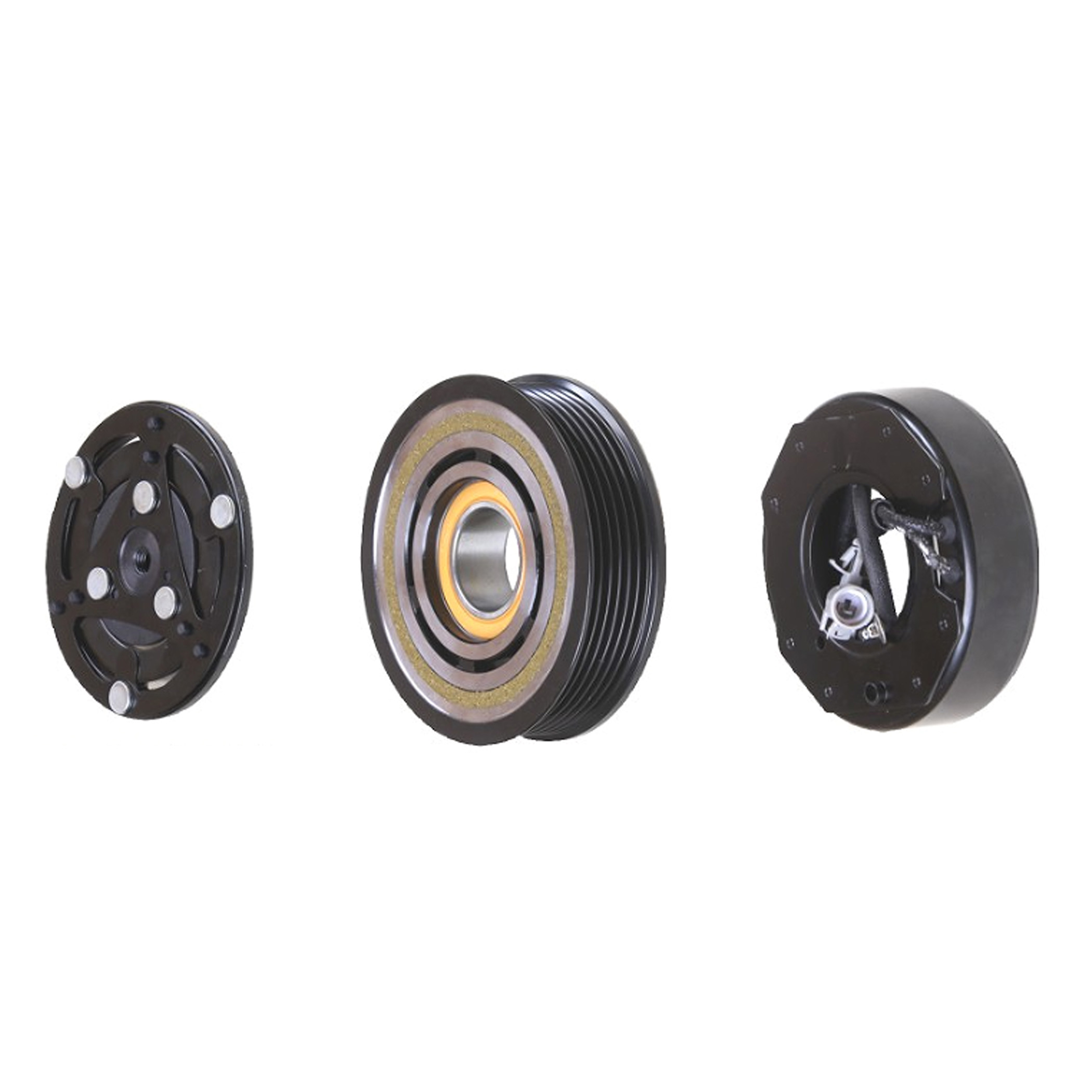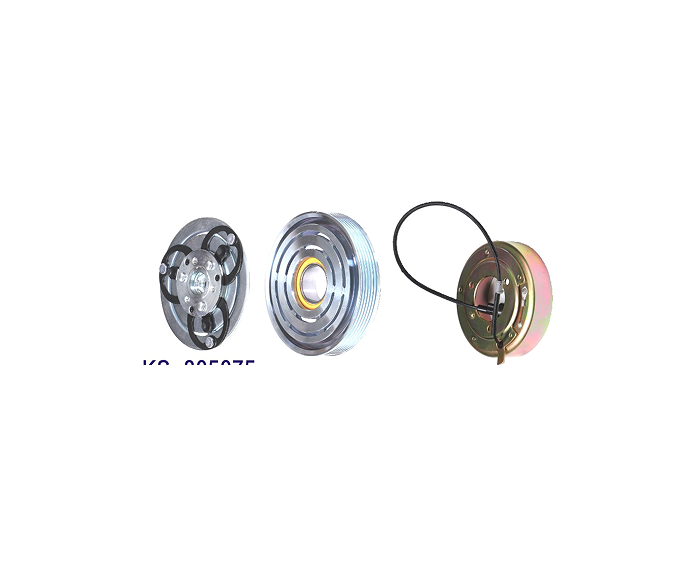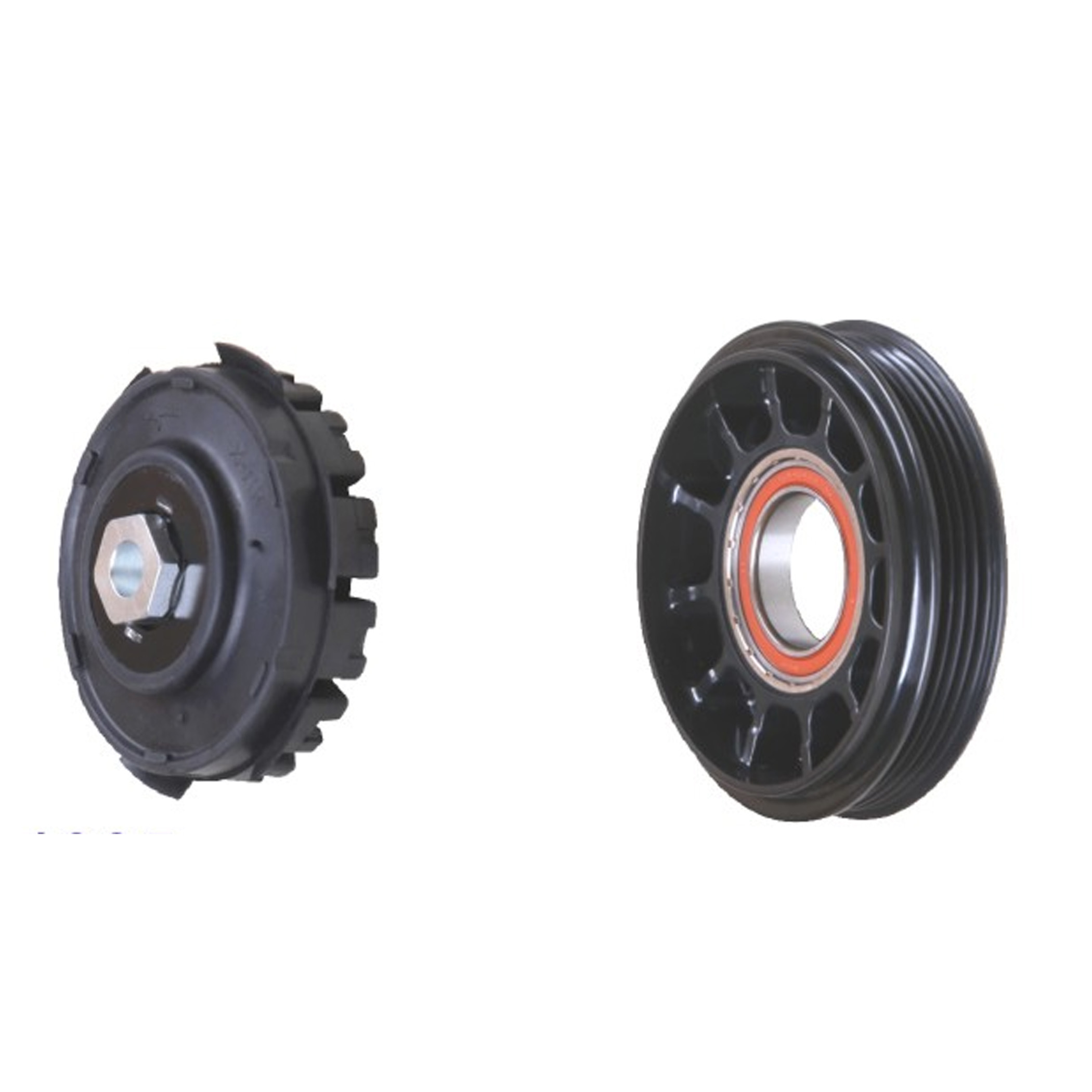

Automotive control valves are the "regulators" of a vehicle’s critical systems, ensuring fluid, gas, or pressure flows precisely to keep engines, brakes, and transmissions running smoothly. The FEIBI automotive control valve showcased in the image embodies precision engineering—and as a professional auto parts supplier, we’re here to provide the right valves and support to keep your vehicles or operations on track.
1. How Automotive Control Valves Work
At their core, automotive control valves manage the flow, pressure, or direction of fluids (like engine oil, coolant, or brake fluid) or gases (such as exhaust gases) in vehicle systems. Their working principle relies on three key steps:
- Signal Reception: The valve receives input from the vehicle’s ECU (Engine Control Unit) or mechanical triggers (e.g., brake pedal pressure). For example, a fuel control valve gets an ECU signal to adjust fuel flow based on engine load.
- Valve Actuation: Internal components (solenoids, diaphragms, or mechanical levers) respond to the signal, opening, closing, or adjusting the valve’s opening degree. Solenoid-controlled valves, common in modern cars, use electromagnetic force to move the valve core quickly.
- Flow Regulation: By adjusting the opening, the valve controls the volume, pressure, or direction of the medium (fluid/gas) passing through. This ensures the target system (e.g., engine, brakes) gets exactly what it needs—no more, no less—for optimal performance.
FEIBI’s control valves are engineered with tight tolerances, ensuring consistent response to signals and long-term reliability even under high-temperature or high-pressure conditions.
2. Key Functions of Automotive Control Valves
Control valves are integral to nearly every critical system in a vehicle, with functions that directly impact performance, safety, and efficiency:
- Engine Performance: Fuel control valves regulate fuel injection volume to match engine speed and load, optimizing combustion and reducing emissions. EGR (Exhaust Gas Recirculation) valves redirect exhaust gases back to the engine to lower nitrogen oxide emissions.
- Brake Safety: Brake pressure control valves (e.g., ABS valves) adjust pressure to individual wheels during hard braking, preventing lock-ups and maintaining steering control—critical for safe driving.
- Transmission Smoothness: Transmission control valves manage hydraulic fluid flow, dictating when gears shift. This ensures smooth acceleration and prevents harsh gear changes that damage the transmission.
- Cooling & Lubrication: Thermostatic control valves open or close to regulate coolant flow, keeping the engine at its ideal operating temperature. Oil control valves adjust oil pressure to lubricate engine parts without wasting energy.
Without well-functioning control valves, vehicles would suffer from poor fuel efficiency, unreliable braking, or even engine failure—making them non-negotiable for safe, efficient driving.
3. Why Choose Us as Your Automotive Control Valve Supplier
As a professional auto parts supplier specializing in high-quality components, we offer tailored support to meet your unique needs:
- Premium Valves: Our FEIBI automotive control valves are manufactured to OE (Original Equipment) standards, using durable materials (e.g., corrosion-resistant metals, high-temperature seals) and rigorous testing to ensure compatibility with most vehicle makes and models.
- Comprehensive Product Range: We stock control valves for all key vehicle systems—including fuel, brake, transmission, and cooling—covering passenger cars, commercial vehicles, and heavy-duty trucks. Whether you need a single replacement valve or bulk orders for production, we have you covered.
- Expert Technical Support: Our team of automotive engineers provides end-to-end support—from helping you select the right valve for your application (e.g., matching valve specs to your vehicle’s year/make/model) to offering installation guidance and troubleshooting tips.
- Timely Delivery: We understand downtime costs money. Our streamlined supply chain ensures fast order processing and delivery, minimizing delays for your repair shops, production lines, or maintenance teams.
- Competitive Pricing: We balance quality with affordability, offering transparent pricing and flexible bulk discounts—so you get reliable valves without overspending.
Conclusion
automotive control valves are the unsung heroes of vehicle performance and safety, working behind the scenes to regulate critical systems. As your trusted supplier, we’re committed to delivering the high-quality valves and expert support you need to keep vehicles running smoothly. Whether you’re an auto repair shop, a vehicle manufacturer, or a maintenance team, we’re here to be your one-stop solution for automotive control valves.