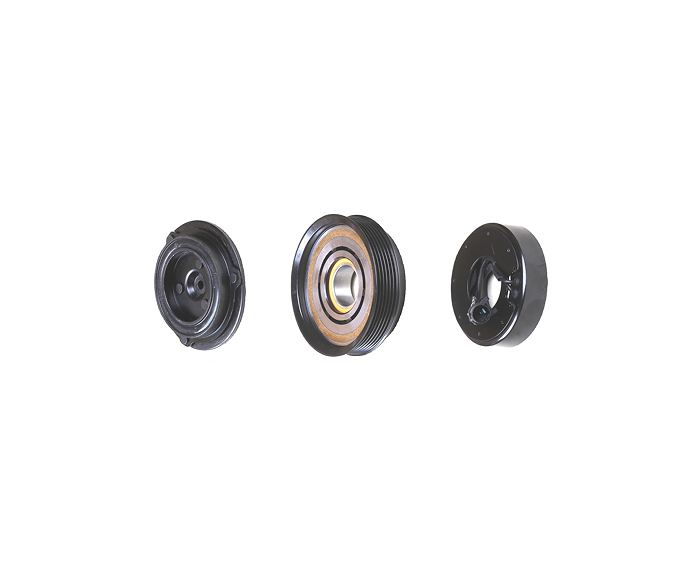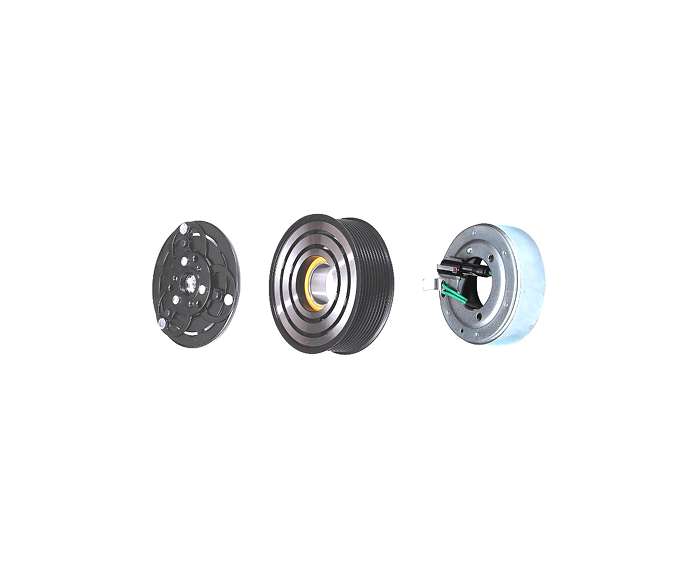

In automotive air conditioning systems, cooling output is not solely defined by compressor capacity. The true performance balance lies in refrigerant metering control.
Two dominant regulation mechanisms exist:
- Expansion valve (TXV / EXV) systems
- Control valve systems used in variable displacement compressors
Their design architecture directly influences:
- Compressor load behavior
- Fuel consumption
- Thermal stability
- Clutch cycling frequency
- Long-term durability
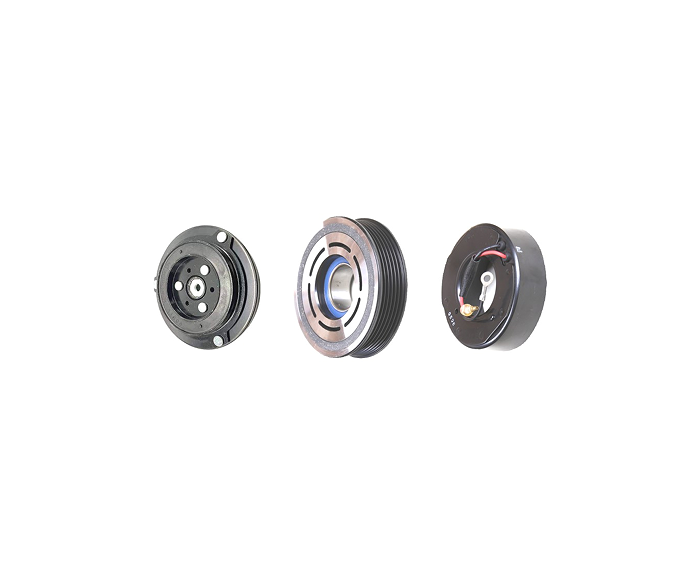
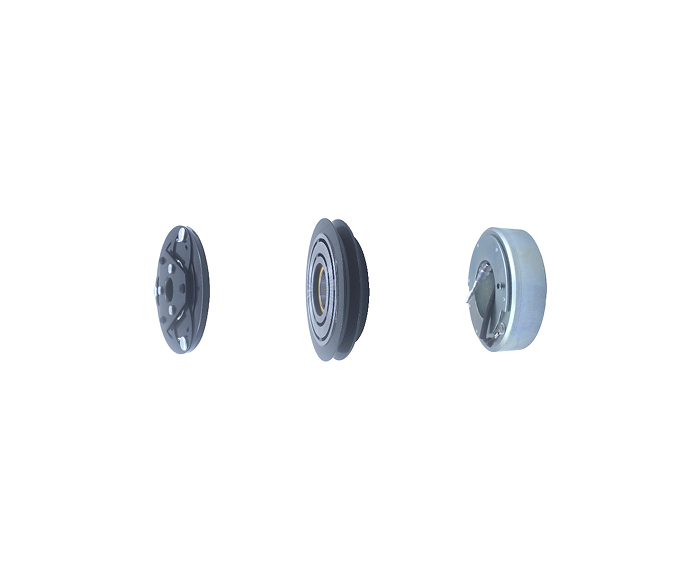
In belt-driven systems, refrigerant control also interacts closely with the automotive air conditioner clutch, which governs compressor engagement.
Understanding this relationship is critical for OEM engineers and aftermarket suppliers.
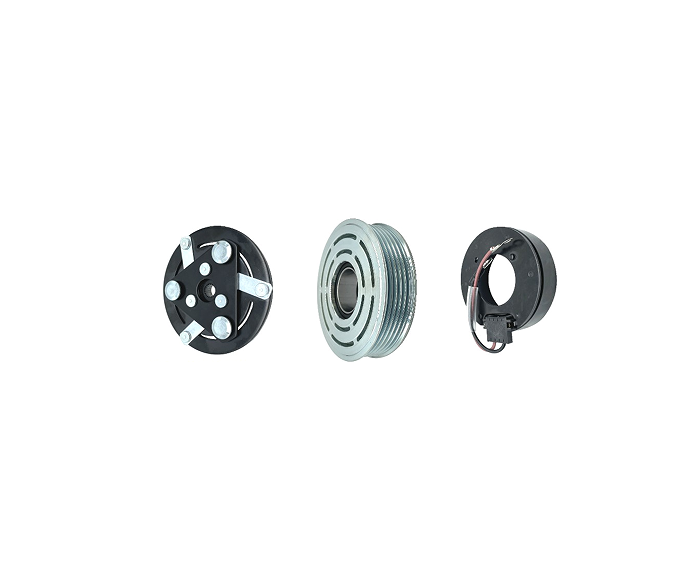
Expansion Valve Systems: Traditional but Widely Adopted
How Expansion Valve Systems Work
Expansion valve systems regulate refrigerant flow entering the evaporator by sensing temperature and pressure.
System behavior:
- Compressor driven by engine belt
- Automotive air conditioner clutch engages when cooling demand rises
- Refrigerant compressed
- Expansion valve meters refrigerant into evaporator
Cooling is controlled by cycling the compressor ON and OFF.
According to ASHRAE Handbook – HVAC Systems and Equipment (2022 Edition), traditional thermal expansion valves remain dominant in mechanically driven refrigeration systems due to reliability and cost efficiency.
Advantages
- Mature and proven architecture
- Lower initial system cost
- Simple mechanical control
- Easy replacement market compatibility
Limitations
- Frequent clutch cycling
- Increased wear on automotive air conditioner clutch
- Cooling fluctuations during engagement transitions
- Higher mechanical shock loads
Repeated clutch engagement can shorten component lifecycle if material design is insufficient.
Control Valve Systems: Variable Displacement Regulation
How Control Valve Systems Operate
Control valve systems are integrated inside variable displacement compressors.
Instead of turning the compressor on and off:
- Compressor remains continuously driven
- Swash plate angle adjusts internally
- Displacement volume changes
- Cooling output modulates smoothly
In these systems, the automotive air conditioner clutch experiences significantly reduced cycling frequency, or in some architectures, remains permanently engaged.
According to SAE International technical paper series on variable displacement compressors (SAE Technical Paper 2019-01-XXXX), displacement control improves energy efficiency by reducing parasitic engine load during partial cooling demand.
Advantages
- Stable cabin temperature
- Improved fuel efficiency
- Reduced NVH
- Lower clutch wear
Challenges
- Higher manufacturing complexity
- Sensitive internal control valve calibration
- Greater dependency on precision machining
Engineering Comparison: Performance and Durability
| Aspect | Expansion Valve System | Control Valve System |
|---|---|---|
| Compressor Mode | On-Off Cycling | Continuous Modulation |
| Clutch Engagement Frequency | High | Low |
| Fuel Efficiency | Moderate | Improved |
| Mechanical Stress | High on clutch | High on internal compressor |
| Maintenance Focus | Clutch durability | Valve precision |
In expansion valve systems, the durability of the automotive air conditioner clutch becomes the critical lifecycle factor.
In control valve systems, the internal compressor mechanism becomes the main stress point.
Which System Is More Efficient?
Efficiency depends on:
- Vehicle type
- Engine architecture
- Emission regulations
- Market cost sensitivity
In conventional internal combustion vehicles:
A high-quality automotive air conditioner clutch significantly improves expansion valve system reliability.
In hybrid platforms:
Control valve systems outperform due to continuous modulation capability.
Global trends toward electrification favor variable displacement technology. However, expansion valve systems remain highly relevant in developing markets.
Failure Modes and Risk Assessment
Expansion Valve System Risks
- Valve blockage
- Refrigerant imbalance
- Excessive clutch cycling
- Clutch overheating
Repeated cycling accelerates wear of the automotive air conditioner clutch friction surfaces.
Control Valve System Risks
- Internal valve sticking
- Pressure feedback malfunction
- Electronic miscalibration
Each system shifts stress concentration to different components.
Quality manufacturing and material engineering remain decisive.
Cost Considerations for OEM and Aftermarket
From a procurement perspective:
Expansion valve systems offer:
- Lower initial system cost
- Broad aftermarket compatibility
- Simplified repair structure
Control valve systems offer:
- Improved fuel economy
- Higher passenger comfort
- Reduced warranty claims in high-end vehicles
For belt-driven compressor platforms, optimizing the automotive air conditioner clutch remains a cost-effective strategy for improving system longevity.
Frequently Asked Questions
Q1: Which system lasts longer?
Durability depends on component quality. Expansion valve systems require high-performance automotive air conditioner clutch materials. Control valve systems require precision internal machining.
Q2: Which system is better for hot climates?
Control valve systems provide smoother continuous cooling, but well-designed expansion systems with durable clutch assemblies perform reliably in extreme heat.
Q3: Is one system replacing the other?
No. Both coexist globally. Market adoption depends on vehicle platform and regulatory requirements.
Conclusion: Architecture Defines Performance Strategy
Control valve and expansion valve systems represent two engineering philosophies:
- Cycling control
- Continuous modulation
For traditional systems, the automotive air conditioner clutch remains a core mechanical control interface.
For variable displacement systems, internal valve precision becomes central.
Manufacturers must evaluate:
- Target vehicle market
- Cost structure
- Energy regulations
- Lifecycle expectations
To explore high-durability automotive air conditioner clutch solutions and AC system components, visit:
https://www.gzkasen.com/
For OEM collaboration and technical consultation:
https://www.gzkasen.com/contact-us/