
Understanding Automotive Air Conditioning Compressor Systems
An automotive air conditioning compressor is the core power component of a vehicle cooling system. It compresses and circulates refrigerant, enabling the air conditioning system to remove heat from the passenger compartment and maintain comfortable cabin temperatures.
Unlike stationary air conditioning compressors, automotive compressors operate under more demanding conditions:
- Engine vibration
- Temperature fluctuations
- Limited installation space
- Frequent start-stop cycles
- Different vehicle operating environments
For OEM customers, distributors, and aftermarket brands, selecting an automotive compressor is not only a product decision but also a system compatibility decision.
A suitable compressor must match:
- Vehicle platform
- AC system design
- Refrigerant requirements
- Compressor control method
- Installation structure
- Long-term operating conditions
KASEN specializes in automotive air conditioning components, providing compressors, compressor clutches, electric compressors, valves, bearings, and related solutions. Buyers can explore the complete KASEN automotive AC product range.
The Role of Automotive Air Conditioning Compressor in Vehicle Systems
The automotive AC compressor works together with other components to complete the refrigeration cycle.
The main system components include:
- Compressor
- Condenser
- Expansion valve
- Evaporator
- Receiver dryer
- Refrigerant circuit
- Control system
The compressor performs the first critical step:
Refrigerant Compression
Low-pressure refrigerant gas enters the compressor.
The compressor increases:
- Refrigerant pressure
- Refrigerant temperature
- Refrigerant circulation efficiency
Refrigerant Circulation
The compressed refrigerant moves through the condenser, where heat is released before continuing through the cooling cycle.
Cabin Cooling Support
Through continuous refrigerant circulation, the system removes heat from inside the vehicle.
A compressor problem can therefore affect the entire AC system.
However, buyers should understand that poor cooling does not always mean compressor failure.
Possible causes include:
- Refrigerant leakage
- Electrical faults
- Control valve problems
- Condenser issues
- Incorrect oil
- Poor maintenance
Main Automotive Air Conditioning Compressor Technologies
Automotive compressor technology has evolved significantly with changes in vehicle design and energy requirements.
Belt-Driven Automotive Compressors
Traditional vehicles commonly use belt-driven compressors.
The engine provides mechanical power through the belt system.
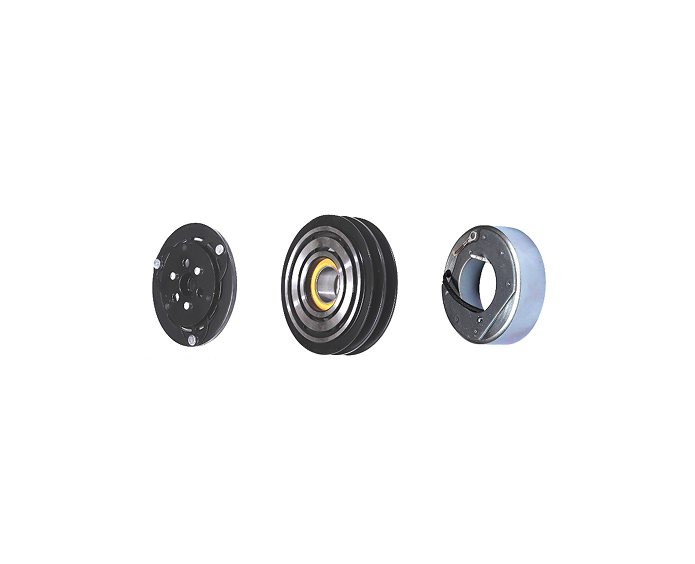
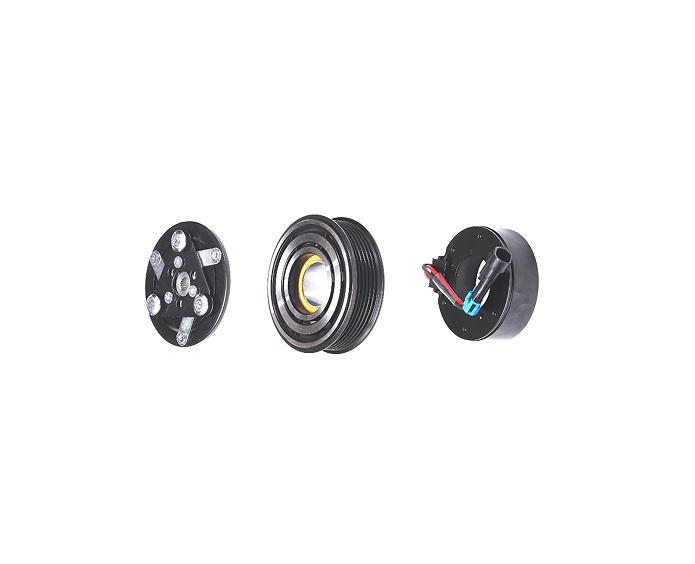
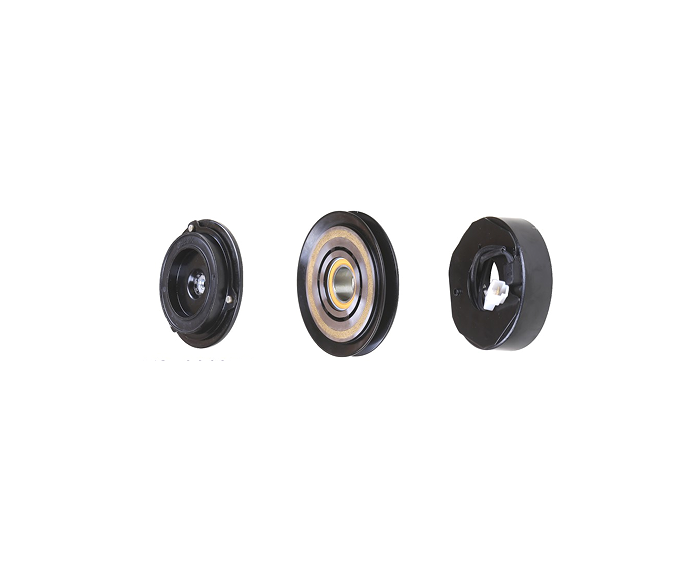
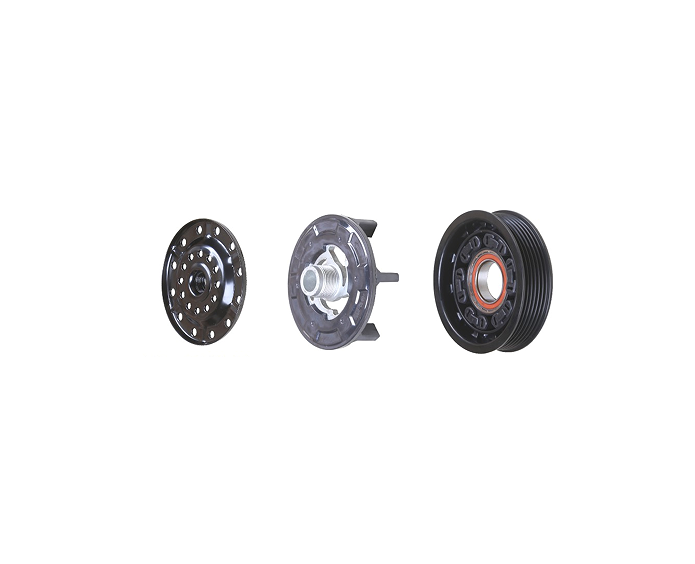
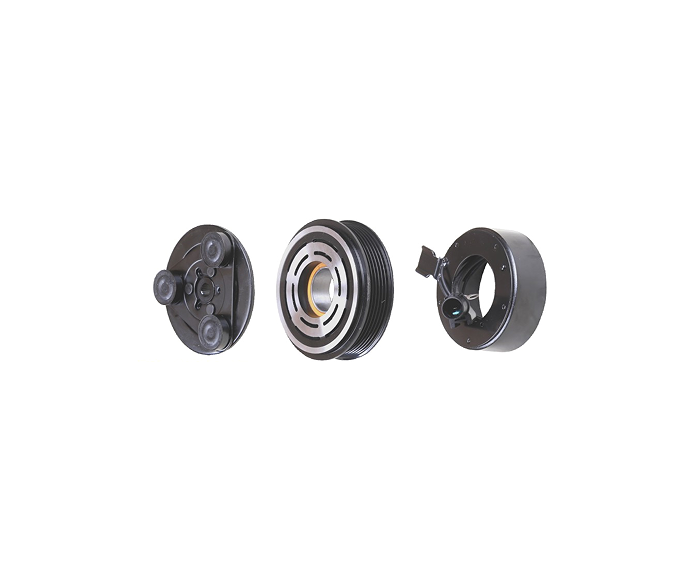
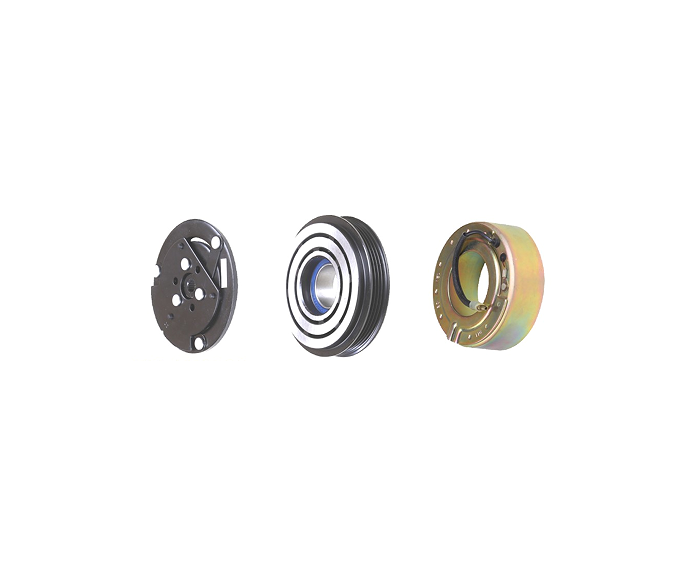
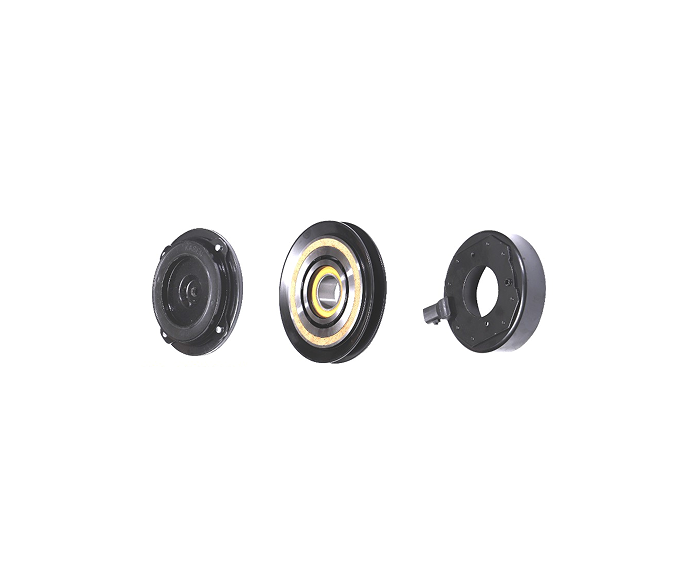
Typical components include:
- Compressor body
- Pulley
- Clutch assembly
- Coil
- Bearing
Advantages:
- Mature technology
- Wide aftermarket coverage
- Easy replacement
- Large application range
These compressors are widely used in:
- Passenger vehicles
- Commercial vehicles
- Trucks
- Buses
KASEN supplies related compressor components including auto AC compressor clutches.
Variable Displacement Compressors
Variable displacement compressors adjust output according to cooling demand.
Compared with fixed displacement designs, they can provide:
- Better efficiency
- More stable temperature control
- Reduced unnecessary compressor operation
These compressors require accurate system matching because they may rely on:
- Control valves
- Electronic regulation
- Vehicle ECU communication
For buyers, selecting a similar-looking compressor without confirming control specifications may result in incorrect application.
Electric Automotive Air Conditioning Compressors
Electric compressors are increasingly important for:
- Electric vehicles
- Hybrid vehicles
- New energy vehicles
Unlike traditional compressors, electric compressors do not rely on engine rotation.
They operate through integrated electric motors.
Important specifications include:
- Voltage
- Electrical connector
- Control communication
- Refrigerant
- Oil compatibility
- Thermal management integration
KASEN provides electric compressor solutions for new energy vehicle applications.
Automotive Compressor Applications Across Different Vehicles
A professional automotive compressor supplier must support different vehicle environments.
Passenger Vehicle Applications
Passenger cars require compressors that provide:
- Comfortable cooling
- Low noise
- Compact installation
- Stable operation
Common buyers include:
- Auto parts distributors
- Repair networks
- Aftermarket brands
Commercial Vehicle Applications
Commercial vehicles often operate longer hours.
Important requirements include:
- Durability
- Reliable cooling
- Easy maintenance
- Stable replacement supply
Examples:
- Vans
- Delivery vehicles
- Service vehicles
Truck Applications
Truck AC systems operate under more demanding conditions.
Buyers should consider:
- Long operating periods
- Heavy vibration
- Extreme climate
- Fleet maintenance requirements
A compressor failure can create significant operational downtime.
Bus Applications
Bus air conditioning systems require higher cooling capacity because they serve larger passenger areas.
Key factors include:
- Cooling performance
- Reliability
- Fleet standardization
- Long operating cycles
EV and Hybrid Applications
Electric vehicles require different compressor solutions.
The compressor must integrate with:
- Battery thermal management
- High-voltage systems
- Vehicle control architecture
This makes electric compressors a specialized category within automotive AC solutions.
How OEM and Aftermarket Buyers Select Automotive Compressors
Professional buyers should evaluate more than price.
A complete compressor selection process includes:
Vehicle Application Matching
Confirm:
- Vehicle brand
- Model
- Production year
- Engine type
- Market region
OE Reference Verification
OE numbers help identify:
- Original applications
- Replacement compatibility
- Compressor family
However, OE numbers should be combined with additional technical information.
Compressor Model Confirmation
Verify:
- Compressor series
- Displacement
- Control method
- Mounting structure
Refrigerant Compatibility
Confirm:
- Refrigerant type
- Oil specification
- System compatibility
Installation Requirements
Check:
- Mounting points
- Pulley
- Connector
- Refrigerant ports
- Overall dimensions
Technical Specifications for Automotive AC Compressor Purchasing
| Specification | Importance |
|---|---|
| OE Number | Replacement accuracy |
| Compressor Model | Product identification |
| Refrigerant | System compatibility |
| Oil Requirement | Compressor lubrication |
| Displacement | Cooling performance |
| Pulley Design | Belt matching |
| Voltage | Electrical compatibility |
| Connector | Installation |
| Mounting | Vehicle fitment |
| Control Valve | System operation |
OEM Automotive Compressor Solutions
For OEM and private-label buyers, a compressor supplier should provide more than standard products.
Important capabilities include:
Product Development
Support may include:
- Drawing-based development
- Sample matching
- OEM reference matching
- Technical consultation
Custom Packaging
Aftermarket brands may require:
- Brand packaging
- Labels
- Product identification
- Barcode requirements
Stable Production
OEM buyers need:
- Repeat consistency
- Controlled specifications
- Reliable delivery
KASEN supports OEM-related automotive AC requirements. Buyers can learn more through the KASEN About Us page.
Automotive AC Compressor Quality Control
A reliable supplier should have clear quality management processes.
Material Inspection
Important checks include:
- Metal components
- Bearings
- Electrical parts
- Purchased components
Production Control
Relevant controls include:
- Assembly accuracy
- Dimension verification
- Component matching
Performance Testing
Depending on compressor type, testing may include:
- Rotation
- Leakage
- Noise
- Electrical performance
- Functional inspection
Batch Consistency
For global buyers, repeat-order consistency is critical.
A good supplier should ensure that:
- Approved samples can be reproduced
- Product specifications remain stable
- Identification remains clear
Common Automotive Compressor Purchasing Risks
Incorrect Application Matching
A compressor may appear correct but fail because of:
- Wrong connector
- Different pulley
- Different control system
- Incorrect refrigerant
Ignoring System Compatibility
A compressor replacement should consider the entire AC system.
Choosing Only Based on Price
Low initial cost may lead to:
- Returns
- Warranty claims
- Customer complaints
- Additional logistics costs
Lack of Technical Communication
A supplier should help buyers confirm:
- Application
- Specification
- Replacement compatibility
How to Evaluate an Automotive Air Conditioning Compressor Supplier
A professional supplier evaluation should include:
Product Range
Can the supplier provide:
- Compressors
- Clutches
- Electric compressors
- Valves
- Bearings
Technical Support
Can they assist with:
- OE matching
- Product identification
- Sample confirmation
Manufacturing Capability
Evaluate:
- Production stability
- Quality systems
- Delivery capability
Export Experience
International buyers should consider:
- Documentation
- Packaging
- Communication
- After-sales support
Why Choose KASEN for Automotive Air Conditioning Compressor Solutions?
Guangzhou Kasen Auto Air Conditioner Co., Ltd. focuses on automotive air conditioning components and provides solutions for global OEM and aftermarket customers.
KASEN product categories include:
- Automotive AC compressors
- Compressor clutches
- Electric compressors
- Valves
- Bearings
Advantages include:
Complete Automotive AC Product Coverage
Buyers can source multiple related categories from one supplier.
Technical Matching Support
Customers can provide:
- OE numbers
- Compressor models
- Drawings
- Samples
OEM and Custom Support
Solutions may include:
- Product customization
- Packaging
- OEM-related development
Explore:
- KASEN Products
- Automotive AC Compressor Products
- Electric Compressor Solutions
- About KASEN
- Contact KASEN
Frequently Asked Questions About Automotive Air Conditioning Compressors
What is an automotive air conditioning compressor?
An automotive air conditioning compressor is the main component that compresses refrigerant and enables the vehicle AC system to produce cooling.
What types of automotive compressors are available?
Common types include belt-driven compressors, variable displacement compressors, scroll compressors, and electric compressors.
How do I choose the correct automotive compressor?
Verify vehicle application, OE number, compressor model, refrigerant, oil specification, mounting, pulley, and electrical requirements.
Are automotive compressors interchangeable between vehicles?
No. Different vehicles may require different compressors even when they appear similar.
What causes automotive compressor failure?
Common causes include incorrect lubrication, refrigerant issues, contamination, electrical problems, and incorrect installation.
Can suppliers provide OEM automotive compressor solutions?
Professional suppliers may provide OEM-related services including product matching, customization, packaging, and development support.
What information is needed for an automotive compressor quotation?
Provide:
- OE number
- Vehicle information
- Compressor model
- Quantity
- Photos
- Technical requirements
Are aftermarket automotive compressors reliable?
Reliability depends on supplier manufacturing capability, quality control, technical matching, and repeat supply consistency.
What is the difference between mechanical and electric automotive compressors?
Mechanical compressors are driven by engine power, while electric compressors use integrated motors and are common in EV and hybrid vehicles.
How can I contact KASEN for automotive compressor sourcing?
Send product requirements through the KASEN contact page.
Conclusion
An automotive air conditioning compressor is not simply a replacement component. It is a critical system solution that affects vehicle comfort, efficiency, and reliability.
For OEM customers, distributors, and aftermarket brands, successful compressor sourcing requires accurate application matching, stable manufacturing, technical support, and reliable long-term supply.
KASEN provides automotive air conditioning compressor solutions covering conventional compressors, electric compressors, compressor clutches, and related AC components.
Explore the KASEN automotive AC product range or contact KASEN for OEM and aftermarket compressor requirements.