
What Is an Auto Compressor Clutch?
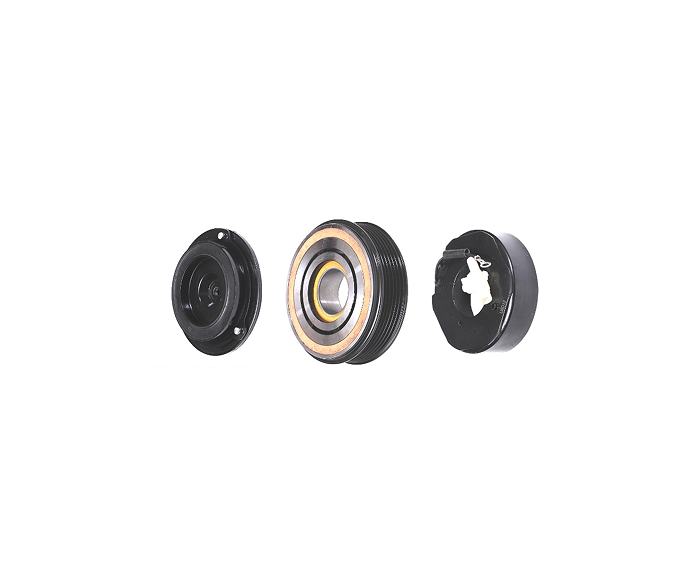
An auto compressor clutch is a key component in traditional vehicle air conditioning systems that controls when the AC compressor connects with engine power.
When the vehicle air conditioning system is activated, the clutch allows the compressor to receive mechanical power from the engine and begin refrigerant circulation. When cooling is not required, the clutch disengages and the compressor stops operating.
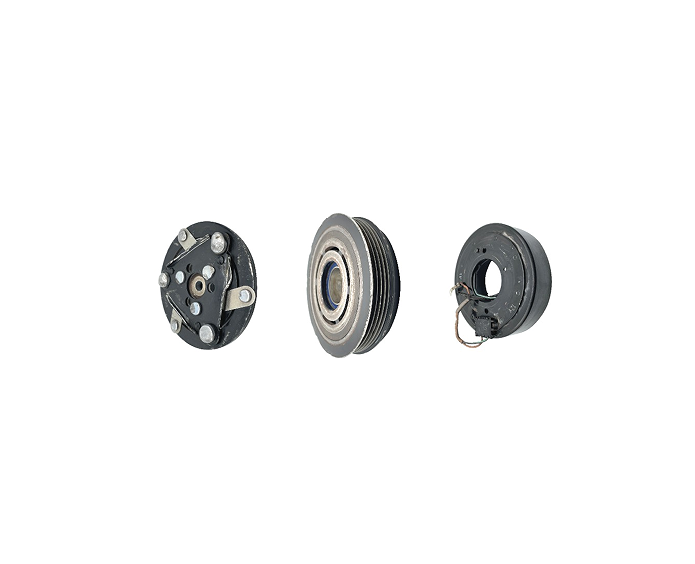
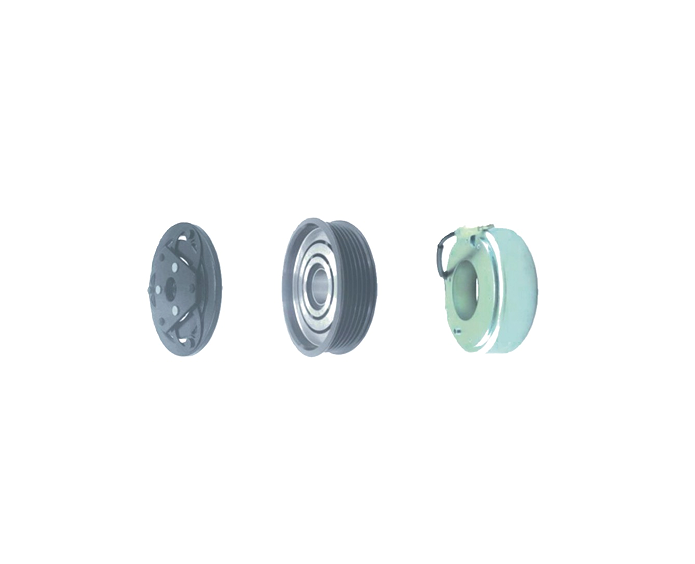
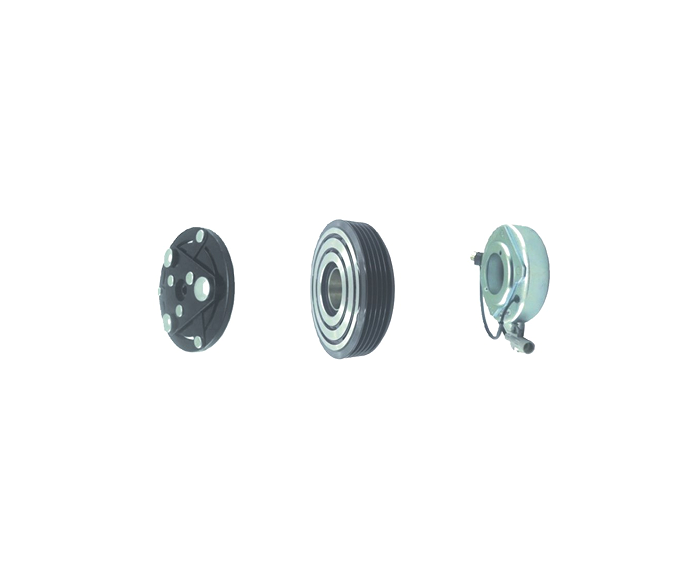
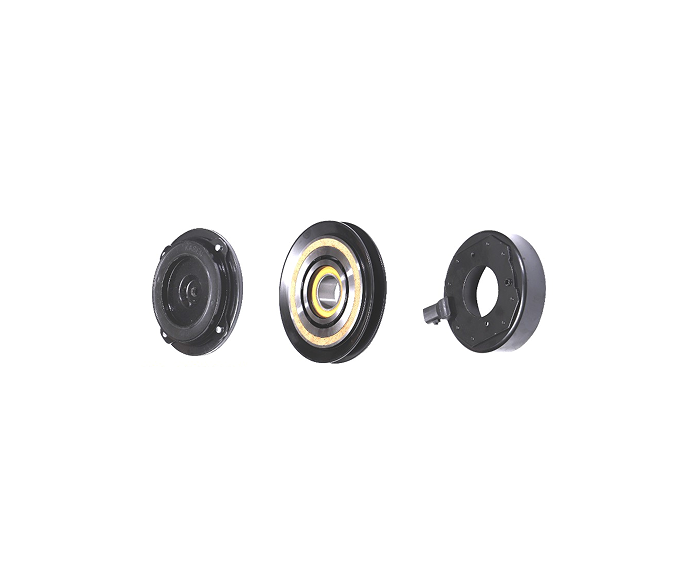
A typical auto compressor clutch assembly includes:
- Pulley
- Electromagnetic coil
- Hub or armature plate
- Bearing
- Clutch plate
- Mounting components
Although the clutch is a relatively small component within the AC system, its performance directly affects:
- Compressor operation
- Cooling stability
- System reliability
- Vehicle comfort
For automotive parts distributors, aftermarket brands, and repair suppliers, selecting the correct clutch requires more than checking appearance. Accurate matching of compressor type, vehicle application, and technical specifications is essential.
KASEN provides automotive AC components including compressors, compressor clutches, electric compressors, valves, and related parts.Buyers can explore the KASEN automotive AC product range.
How Does an Auto Compressor Clutch Work?
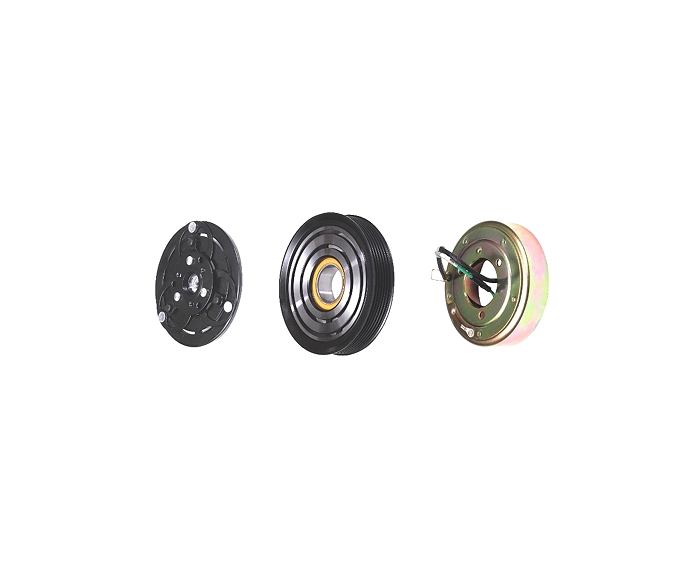
The auto compressor clutch operates through an electromagnetic engagement process.
AC System Sends a Cooling Request
When the driver turns on the air conditioning system:
- The vehicle control system sends an electrical signal
- Power reaches the clutch coil
- The coil generates a magnetic field
Clutch Engagement
The magnetic force pulls the clutch plate toward the rotating pulley.
This allows:
- Engine belt power transfer
- Compressor shaft rotation
- Refrigerant compression
Compressor Operation
After engagement, the compressor starts operating and supports the vehicle cooling cycle.
Clutch Disengagement
When cooling demand stops:
- Electrical power is removed
- Magnetic force disappears
- The clutch separates from the pulley
This repeated engagement cycle requires accurate component design and reliable manufacturing quality.
Main Components of an Auto Compressor Clutch
Understanding clutch components helps buyers make better replacement decisions.
Pulley
The pulley transfers engine belt rotation to the clutch system.
Important specifications include:
- Pulley diameter
- Groove number
- Belt compatibility
- Bearing position
A wrong pulley design can cause:
- Belt alignment problems
- Noise
- Premature wear
Electromagnetic Coil
The coil creates the magnetic force needed for engagement.
Buyers should verify:
- Voltage specification
- Connector type
- Coil dimensions
- Electrical performance
A damaged coil may cause the clutch to stop engaging even if the compressor itself remains functional.
Bearing
The bearing supports smooth pulley rotation.
Quality bearing performance helps reduce:
- Noise
- Vibration
- Rotation resistance
Bearing problems are among the common reasons for clutch-related replacement.
Hub and Clutch Plate
The hub transfers torque from the pulley to the compressor shaft.
Important factors include:
- Shaft matching
- Hub dimensions
- Friction surface quality
- Assembly accuracy
Common Signs That an Auto Compressor Clutch Needs Replacement
A damaged clutch may create several noticeable problems.
AC Compressor Clutch Not Engaging
This is one of the most common symptoms.
Possible causes include:
- Coil failure
- Electrical problems
- Incorrect air gap
- Relay or wiring issues
If the clutch does not engage, the compressor cannot operate normally.
Noise From the Clutch Area
Unusual sounds may indicate:
- Bearing wear
- Pulley damage
- Clutch plate problems
Noise should be diagnosed carefully because compressor issues may create similar symptoms.
Intermittent Cooling Performance
A worn clutch may cause:
- Unstable engagement
- Compressor cycling problems
- Reduced cooling consistency
Compressor Does Not Start
Possible reasons include:
- Failed clutch coil
- Insufficient electrical supply
- Damaged clutch assembly
- AC system protection
Before replacing the clutch, technicians should confirm the actual failure source.
When Should You Replace an Auto Compressor Clutch?
Replacing only the clutch is often suitable when the compressor body remains functional.
Common replacement situations include:
| Problem | Recommended Solution |
|---|---|
| Coil failure | Replace coil or clutch assembly |
| Bearing damage | Replace bearing or clutch assembly |
| Pulley damage | Replace clutch assembly |
| Clutch plate wear | Replace clutch assembly |
| Internal compressor damage | Replace complete compressor |
A correct diagnosis helps avoid unnecessary compressor replacement.
For complete compressor requirements, buyers can review the KASEN auto AC compressor solutions.
Auto Compressor Clutch Replacement vs Complete Compressor Replacement
Different repair situations require different solutions.
| Factor | Clutch Replacement | Compressor Replacement |
|---|---|---|
| Cost | Lower | Higher |
| Repair scope | Component level | Complete system component |
| Installation | Requires matching | Easier complete replacement |
| Suitable for | Clutch-related failure | Internal compressor failure |
| Inventory | More component SKUs | Simpler product management |
For distributors and repair networks, understanding this difference helps provide the correct replacement recommendation.
How to Choose the Correct Auto Compressor Clutch
Correct matching is critical for aftermarket purchasing.
Confirm Compressor Model
The clutch must match the compressor structure.
Verify:
- Compressor model
- Compressor series
- Mounting design
- Shaft configuration
Check Vehicle Application
Important information includes:
- Vehicle brand
- Vehicle model
- Production year
- Engine type
- Market region
Different vehicle versions may use different compressor clutch specifications.
Verify Pulley Specifications
Confirm:
- Pulley diameter
- Groove number
- Belt type
- Bearing dimensions
Check Coil Voltage
Electrical compatibility is essential.
Verify:
- Voltage
- Connector type
- Electrical specification
A physically compatible clutch may still fail if electrical parameters are incorrect.
Confirm OE Reference
OE numbers help buyers:
- Identify original applications
- Cross-reference replacements
- Reduce incorrect orders
Key Specifications for Auto Compressor Clutch Buyers
| Specification | Importance |
|---|---|
| Compressor Model | Ensures system matching |
| OE Number | Supports replacement identification |
| Pulley Diameter | Belt compatibility |
| Groove Number | Correct belt fit |
| Coil Voltage | Electrical matching |
| Bearing Size | Mechanical compatibility |
| Hub Design | Shaft connection |
| Air Gap | Engagement performance |
| Vehicle Application | Correct usage |
Auto Compressor Clutch Applications
Auto compressor clutches are widely used in traditional vehicle AC systems.
Passenger Vehicles
Passenger vehicle applications usually focus on:
- Reliable cooling
- Low noise
- Compact structure
- Cost-effective replacement
Commercial Vehicles
Commercial vehicle applications require:
- Longer operating cycles
- Stable performance
- Easy maintenance
- Reliable supply
Trucks
Truck applications often face:
- Extended operation
- Vibration
- High-temperature environments
Durable clutch components help reduce vehicle downtime.
Fleet Vehicles
Fleet operators usually prioritize:
- Consistent replacement parts
- Fast availability
- Standardized specifications
- Supplier reliability
How to Select an Auto Compressor Clutch Supplier
For professional buyers, supplier evaluation is as important as product selection.
Product Coverage
A capable supplier should support:
- Compressor clutches
- Complete compressors
- Electric compressors
- Related AC components
KASEN provides multiple automotive AC categories through its product portfolio.
Technical Matching Support
A reliable supplier should assist with:
- OE references
- Compressor models
- Samples
- Photos
- Technical specifications
Quality Control Capability
Important quality factors include:
- Dimensional accuracy
- Coil testing
- Bearing inspection
- Assembly consistency
- Air gap control
OEM and Aftermarket Capability
Professional buyers may require:
- Private label
- Custom packaging
- Product identification
- Bulk supply programs
KASEN supports automotive AC sourcing requirements and OEM-related cooperation. Buyers can learn more through the KASEN About Us page.
Common Mistakes When Buying Auto Compressor Clutches
Choosing Only by Appearance
Similar-looking clutches may have different:
- Pulley dimensions
- Voltage specifications
- Bearing structures
- Hub designs
Ignoring Compressor Compatibility
The clutch must match the compressor, not only the vehicle model.
Buying Without Sample Verification
For bulk orders, sample approval helps confirm:
- Fitment
- Performance
- Product consistency
Selecting Only the Lowest Price
Low-cost products may create additional costs through:
- Returns
- Warranty issues
- Customer complaints
- Inventory problems
Why Choose KASEN for Auto Compressor Clutch Solutions?
Guangzhou Kasen Auto Air Conditioner Co., Ltd. focuses on automotive air conditioning components and provides solutions for global aftermarket and OEM-related customers.
KASEN supplies:
- Auto compressor clutches
- Automotive AC compressors
- Electric compressors
- Valves
- Bearings
- Related AC components
Key advantages include:
Automotive AC Specialization
KASEN focuses on automotive air conditioning products and understands compressor system matching requirements.
Product Matching Support
Customers can provide:
- OE numbers
- Compressor models
- Product photos
- Technical drawings
OEM and Bulk Supply Support
KASEN supports:
- OEM requirements
- Customized packaging
- Long-term supply programs
Explore:
- KASEN Products
- Auto AC Compressor Clutch Products
- Auto AC Compressor Products
- KASEN About Us
- Contact KASEN
Frequently Asked Questions About Auto Compressor Clutch
What is an auto compressor clutch?
An auto compressor clutch is the component that connects and disconnects engine power from the vehicle AC compressor.
How do I know if my compressor clutch needs replacement?
Common signs include no clutch engagement, unusual noise, intermittent cooling, and compressor operation problems.
Can I replace only the clutch instead of the compressor?
Yes, if the compressor itself remains functional and the problem is limited to clutch-related components.
What information is needed to order an auto compressor clutch?
Buyers should provide:
- Compressor model
- OE number
- Vehicle information
- Pulley specifications
- Coil voltage
- Quantity requirements
Are all auto compressor clutches interchangeable?
No. Different compressor systems require different clutch designs and specifications.
What causes auto compressor clutch failure?
Common causes include coil damage, bearing wear, incorrect air gap, electrical issues, and long-term operation.
Does KASEN supply aftermarket compressor clutches?
Yes. KASEN provides automotive AC components for aftermarket distributors, repair suppliers, and OEM-related customers.
Can KASEN support private-label requirements?
KASEN can evaluate OEM-related requirements including product customization and packaging solutions.
How can I contact KASEN for auto compressor clutch sourcing?
Buyers can send requirements through the KASEN contact page.
Conclusion
An auto compressor clutch is a critical replacement component that directly affects automotive air conditioning performance.
For aftermarket buyers, distributors, and repair suppliers, successful sourcing requires accurate compressor matching, reliable component quality, stable specifications, and professional supplier support.
Choosing the correct clutch solution can reduce replacement risks, improve repair efficiency, and support long-term customer satisfaction.
KASEN provides auto compressor clutches, automotive AC compressors, electric compressors, and related components for global automotive customers.
Explore the KASEN automotive AC product range or contact KASEN for auto compressor clutch sourcing requirements.