
What Is an AC Compressor Clutch?
An AC compressor clutch is an important component in traditional automotive air conditioning systems. It controls when the compressor connects with engine power and starts circulating refrigerant.
Unlike the compressor itself, the clutch works as an engagement mechanism between the engine and compressor.
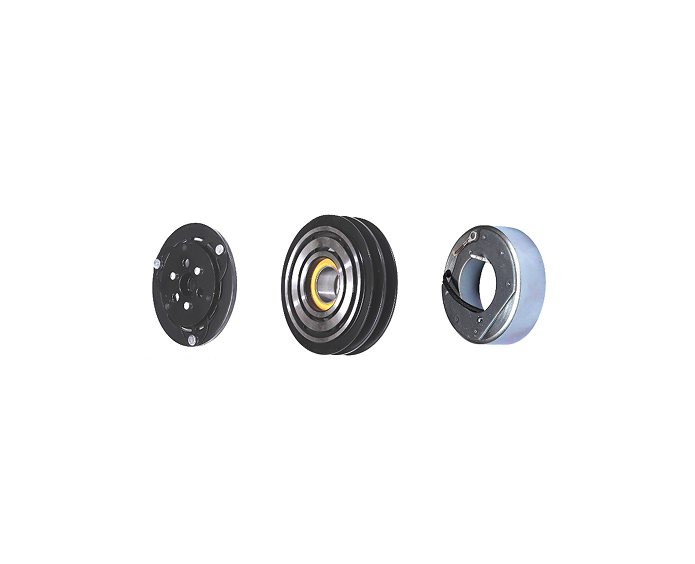
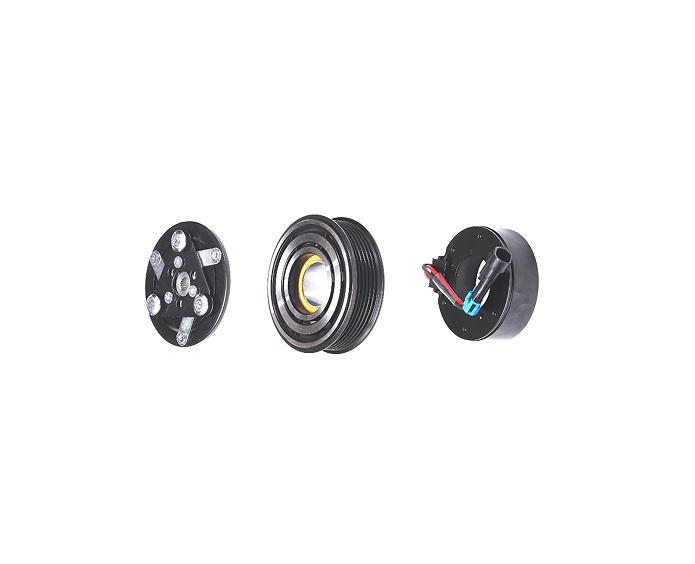
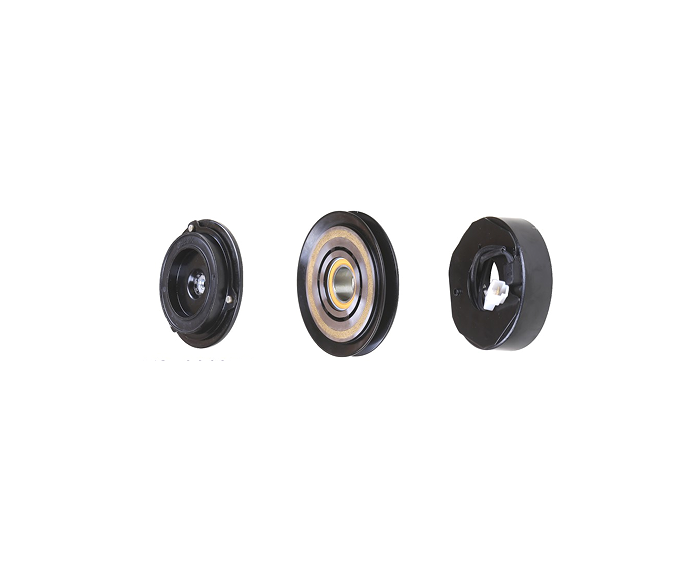
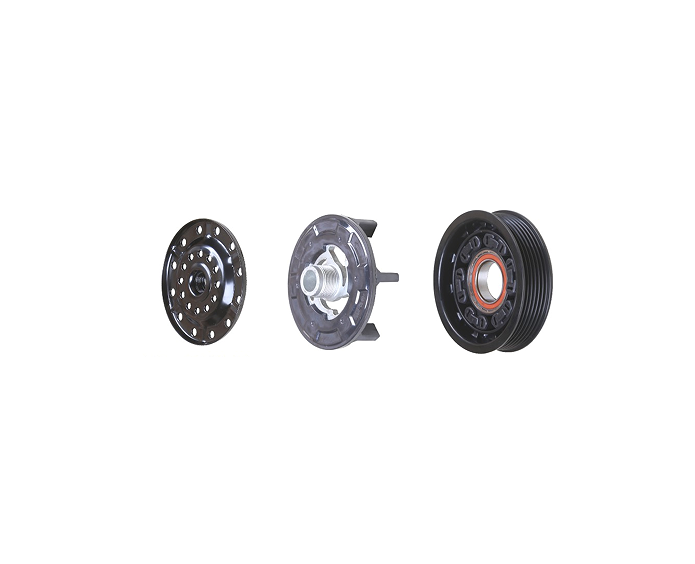
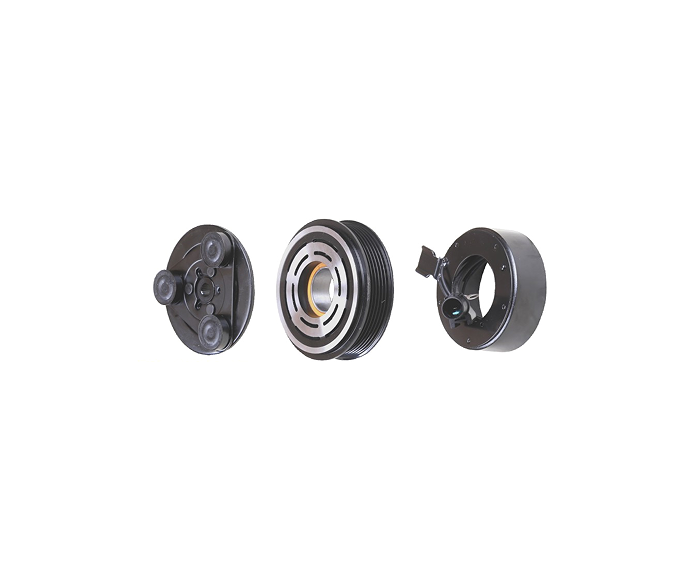
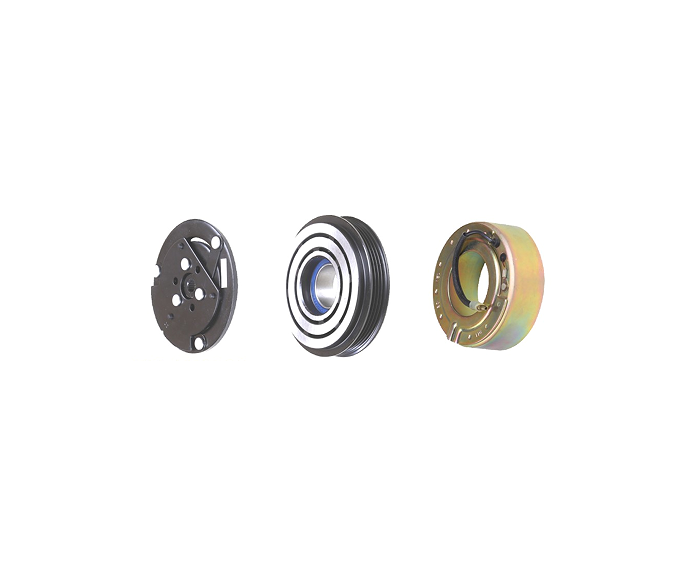
A typical AC compressor clutch assembly includes:
- Pulley
- Electromagnetic coil
- Hub plate
- Bearing
- Clutch plate
- Related mounting components
When the vehicle air conditioning system is activated, the clutch receives an electrical signal. The electromagnetic coil creates a magnetic force that engages the clutch plate with the pulley, allowing the compressor to operate.
When the AC system is turned off, the clutch disengages and the compressor stops receiving mechanical power.
For automotive distributors, repair suppliers, and aftermarket brands, understanding AC compressor clutch functions helps identify whether a vehicle requires a clutch replacement or a complete compressor replacement.
KASEN provides automotive AC components including compressors, compressor clutches, electric compressors, valves, and related parts. Buyers can explore the KASEN automotive AC product range.
How Does an AC Compressor Clutch Work?
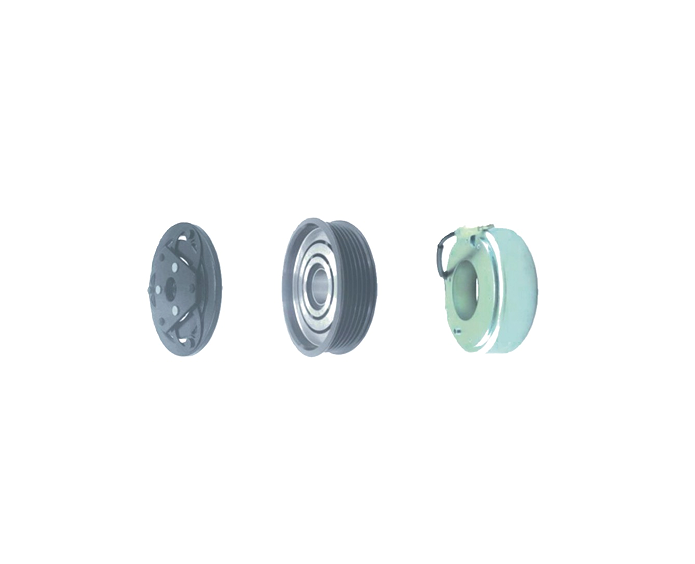
The operation process of an automotive AC compressor clutch includes several steps.
AC System Activation
When the driver turns on the air conditioning system:
- The control system sends an electrical signal
- Voltage reaches the clutch coil
- The electromagnetic field is generated
Clutch Engagement
The magnetic force pulls the clutch plate toward the rotating pulley.
This connection allows:
- Engine power transmission
- Compressor shaft rotation
- Refrigerant circulation
Compressor Operation
Once engaged, the compressor begins compressing refrigerant and supporting vehicle cooling performance.
Clutch Disengagement
When cooling demand decreases or the AC system is switched off:
- Electrical power stops
- Magnetic force disappears
- The clutch separates from the pulley
This cycle happens repeatedly during normal vehicle operation.
A properly functioning clutch ensures:
- Efficient compressor operation
- Stable cooling
- Reduced unnecessary wear
Common Signs of a Failing AC Compressor Clutch
A damaged AC compressor clutch may affect overall air conditioning performance.
Common symptoms include:
AC Compressor Clutch Not Engaging
This is one of the most common issues.
Symptoms:
- Compressor does not start
- No cold air from vents
- Clutch plate does not move
Possible causes include:
- Failed clutch coil
- Electrical problems
- Incorrect voltage
- Control system failure
Clicking Noise From the AC Clutch
Abnormal clicking sounds may indicate:
- Bearing wear
- Clutch plate problems
- Improper clutch clearance
A damaged bearing may affect pulley rotation and create additional stress on the compressor system.
Weak Cooling Performance
When the clutch cannot properly engage, the compressor may not operate normally.
Possible results:
- Reduced cooling efficiency
- Intermittent cooling
- Unstable AC performance
Compressor Runs Intermittently
A clutch problem may cause:
- Random engagement
- Frequent cycling
- Unstable compressor operation
This can be caused by electrical issues or worn clutch components.
Why Is My AC Compressor Clutch Not Engaging?
There are several possible reasons why an AC compressor clutch fails to engage.
Failed AC Compressor Clutch Coil
The electromagnetic coil is responsible for generating the magnetic force required for engagement.
If the coil fails:
- Magnetic force cannot be created
- Clutch plate cannot connect with pulley
- Compressor cannot start
Common causes:
- Electrical overload
- Aging components
- Internal coil damage
- Excessive heat exposure
In many cases, replacing the clutch coil or clutch assembly can restore normal operation.
Electrical System Problems
The clutch depends on a stable electrical supply.
Possible electrical issues include:
- Blown fuse
- Faulty relay
- Damaged wiring
- Poor electrical connection
- Insufficient voltage
Before replacing components, technicians should verify the electrical system.
Incorrect Clutch Air Gap
The air gap between the clutch plate and pulley affects engagement.
If the gap is too large:
- Magnetic force may not be enough
- Clutch cannot engage properly
If the gap is too small:
- Continuous contact may occur
- Excessive wear may develop
Proper clearance is important for reliable operation.
Low Refrigerant Pressure Protection
Some automotive AC systems prevent compressor operation when refrigerant pressure is too low.
Possible causes:
- Refrigerant leakage
- Insufficient refrigerant
- Pressure sensor signal
In this situation, the clutch may be working correctly, but the system prevents engagement.
Worn Pulley Bearing
The pulley bearing supports smooth pulley rotation.
When the bearing wears out, symptoms may include:
- Noise
- Vibration
- Difficult rotation
- Pulley damage
A worn bearing can eventually affect the clutch assembly.
Damaged Clutch Plate or Hub
The clutch plate and hub transfer mechanical power to the compressor.
Damage may result from:
- Long-term wear
- Overheating
- Incorrect installation
- Excessive load
How to Diagnose AC Compressor Clutch Problems?
Before replacing an AC compressor clutch, proper diagnosis is necessary.
Check Electrical Supply
Technicians should verify:
- Voltage reaching the coil
- Fuse condition
- Relay operation
- Wiring connections
If the coil receives no power, the problem may not be the clutch itself.
Inspect Clutch Components
Check:
- Pulley condition
- Coil appearance
- Bearing rotation
- Clutch plate condition
- Air gap
Physical inspection helps identify damaged components.
Test Clutch Coil
A coil test can identify:
- Open circuit
- Resistance abnormalities
- Electrical failure
A failed coil may require clutch replacement.
Check Compressor Condition
Before replacing only the clutch, confirm whether the compressor itself remains functional.
If internal compressor damage exists, replacing only the clutch may not solve the problem.
AC Compressor Clutch Replacement vs Complete Compressor Replacement
Choosing between clutch replacement and compressor replacement depends on the failure condition.
| Problem | Recommended Solution |
|---|---|
| Coil failure | Replace clutch coil or clutch assembly |
| Bearing damage | Replace clutch-related components |
| Clutch plate wear | Replace clutch assembly |
| Pulley damage | Replace pulley or clutch assembly |
| Internal compressor failure | Replace complete compressor |
Replacing only the clutch can be a cost-effective solution when the compressor body remains in good condition.
However, complete compressor replacement may be required when internal components are damaged.
KASEN provides auto AC compressor clutch solutions for automotive replacement applications.
How to Choose the Right AC Compressor Clutch?
For distributors and aftermarket buyers, correct matching is critical.
Confirm Vehicle Application
Important information includes:
- Vehicle brand
- Model
- Production year
- Engine type
- Market region
Verify Compressor Model
The clutch must match the compressor system.
Confirm:
- Compressor model
- Mounting structure
- Shaft design
- Clutch configuration
Check Clutch Specifications
Important specifications include:
- Pulley diameter
- Groove number
- Coil voltage
- Bearing size
- Hub design
Confirm OE Reference
OE numbers help buyers:
- Identify original applications
- Reduce incorrect orders
- Improve replacement accuracy
Evaluate Supplier Quality
Professional buyers should consider:
- Component quality
- Production consistency
- Testing process
- Supply stability
AC Compressor Clutch Applications
AC compressor clutches are widely used in traditional vehicle air conditioning systems.
Passenger Vehicles
Requirements include:
- Reliable engagement
- Low noise
- Compact structure
- Long service life
Commercial Vehicles
Commercial applications require:
- Durability
- Frequent operation capability
- Stable performance
Trucks
Truck AC systems operate under demanding conditions:
- Long driving hours
- Heavy vibration
- Temperature changes
Reliable clutch components help reduce vehicle downtime.
Buses
Bus applications require:
- High reliability
- Long operating cycles
- Fleet maintenance efficiency
Why Choose KASEN AC Compressor Clutch Solutions?
Guangzhou Kasen Auto Air Conditioner Co., Ltd. specializes in automotive air conditioning components and provides solutions for global aftermarket and OEM customers.
KASEN supplies:
- AC compressor clutches
- Automotive AC compressors
- Electric compressors
- Valves
- Related AC components
Advantages include:
Professional Automotive AC Experience
KASEN focuses on automotive air conditioning systems and related components.
Product Matching Support
Customers can provide:
- OE numbers
- Compressor models
- Samples
- Technical requirements
KASEN helps buyers identify suitable replacement solutions.
OEM and Custom Solutions
KASEN supports:
- OEM requirements
- Product customization
- Packaging solutions
- Bulk supply programs
Learn more about company capabilities through the KASEN About Us page.
Frequently Asked Questions About AC Compressor Clutch
What is an AC compressor clutch?
An AC compressor clutch is the component that connects and disconnects engine power from the automotive AC compressor.
Why is my AC compressor clutch not engaging?
Common causes include failed clutch coil, electrical problems, low refrigerant pressure, incorrect air gap, bearing damage, or clutch wear.
Can I replace only the AC compressor clutch?
Yes. If the compressor itself is functioning correctly, replacing the clutch assembly may restore normal operation.
How do I know if the clutch coil is damaged?
Common signs include no clutch engagement, incorrect electrical resistance, or no magnetic response when power is applied.
Does a bad clutch mean the compressor is damaged?
Not always. The clutch and compressor are separate components, and diagnosis should confirm the actual failure point.
What information is needed to order an AC compressor clutch?
Provide:
- Vehicle model
- Year
- Compressor model
- OE number
- Clutch specifications
- Quantity requirement
Are AC compressor clutches interchangeable?
No. Different compressors may require different clutch designs, voltages, pulleys, and mounting specifications.
Can KASEN supply OEM AC compressor clutches?
Yes. KASEN supports OEM-related automotive AC component requirements and bulk supply solutions.
What causes AC clutch failure?
Common causes include electrical problems, bearing wear, overheating, incorrect installation, and long-term operation.
How can I contact KASEN for AC compressor clutch sourcing?
Send your requirements through the KASEN contact page.
Conclusion
An AC compressor clutch is a critical component that controls compressor operation in traditional automotive air conditioning systems.
When a clutch fails to engage, the problem may come from electrical issues, coil failure, bearing wear, incorrect clearance, or other system conditions. Accurate diagnosis helps buyers and technicians choose the correct replacement solution.
For automotive distributors, repair suppliers, and aftermarket brands, selecting a reliable AC compressor clutch supplier requires attention to product matching, quality control, technical support, and long-term supply capability.
KASEN provides automotive AC compressor clutches, compressors, electric compressors, and related components for global customers.
Explore the KASEN automotive AC products or contact KASEN for AC compressor clutch sourcing requirements.