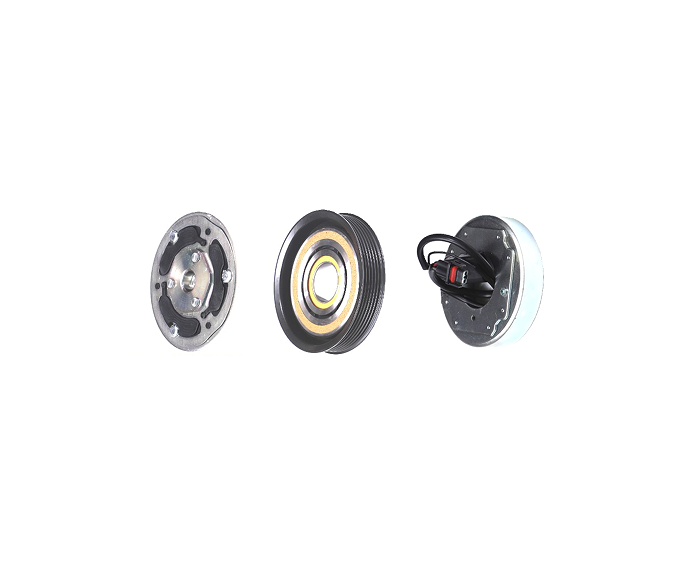

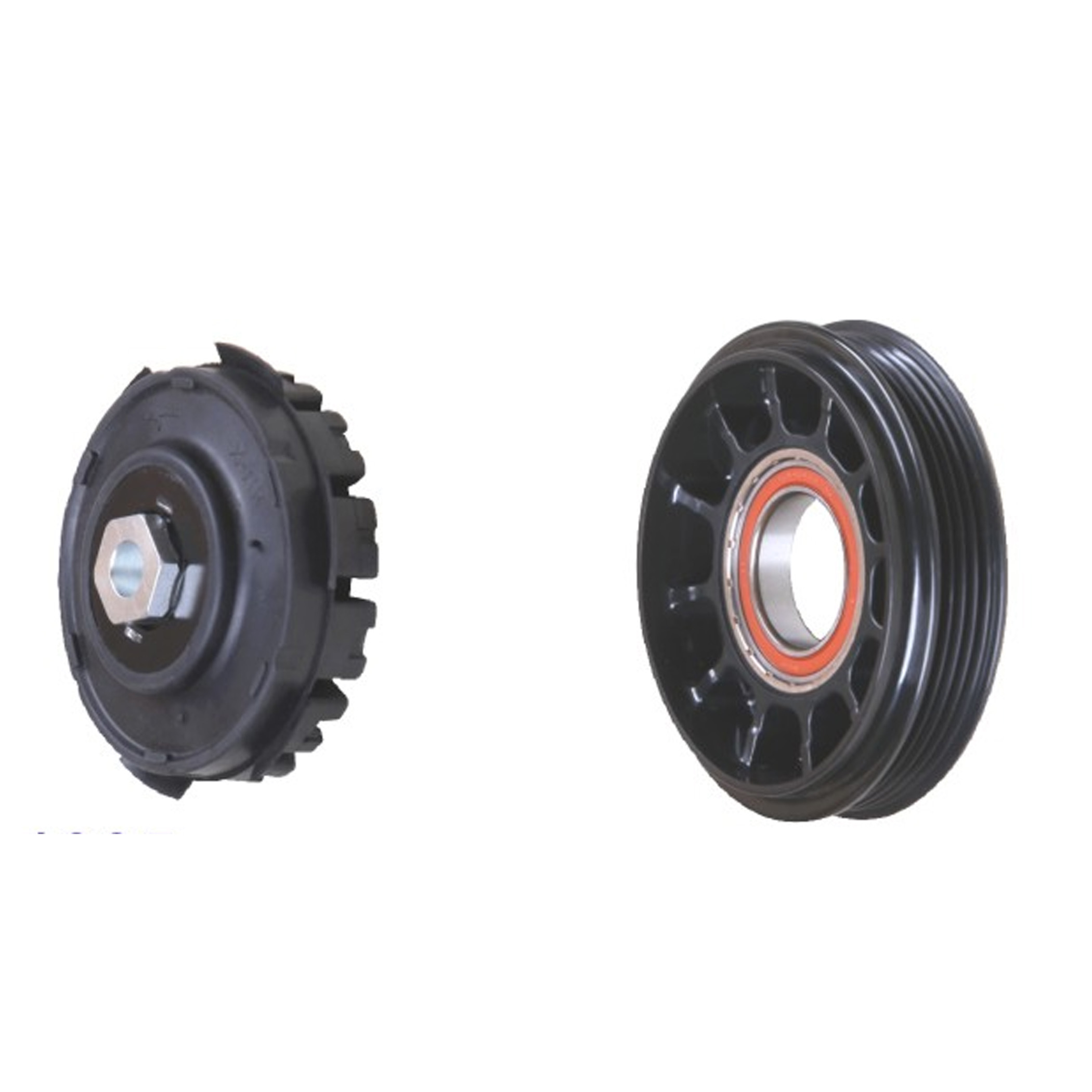
Vehicles Are Staying on the Road Longer Than Expected
The global vehicle fleet is aging. Quietly. Persistently.
In many developed markets, average vehicle age now exceeds 11 years. In some regions, it is approaching 13. That shift changes the rhythm of the aftermarket.
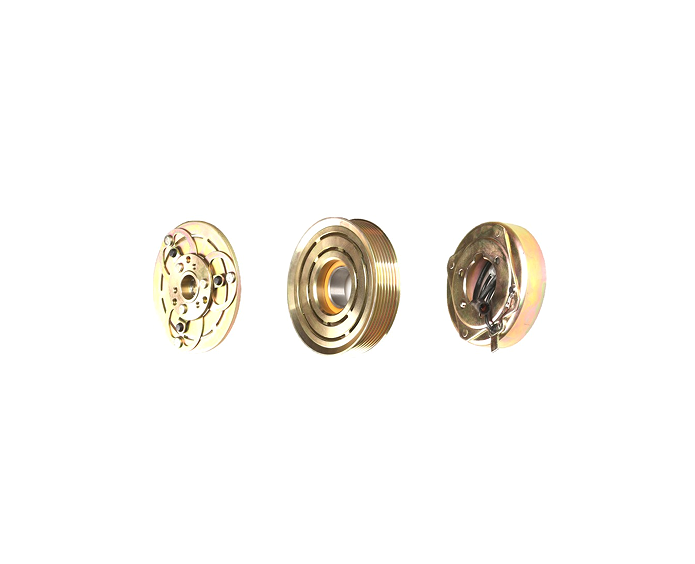
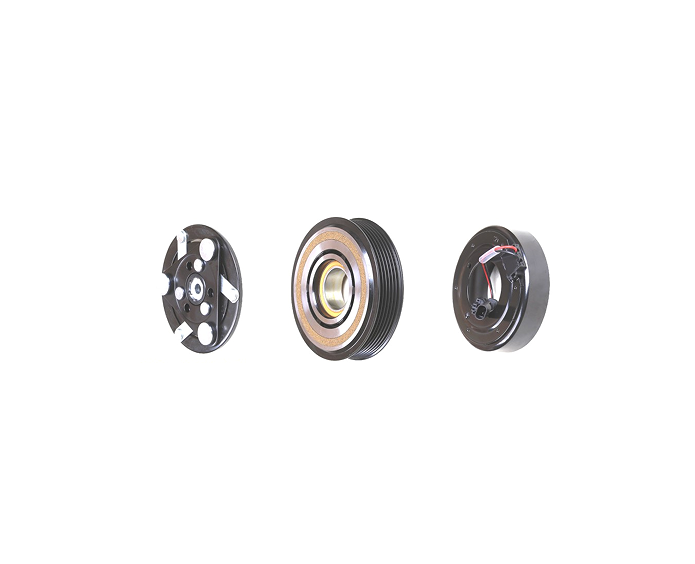
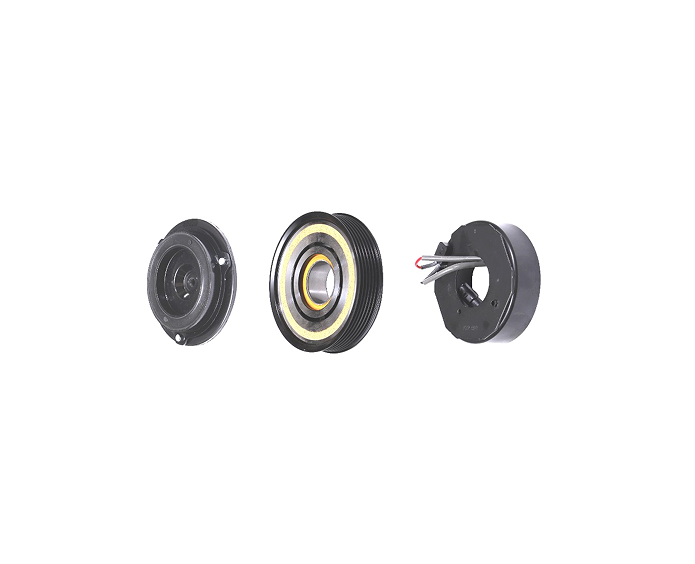
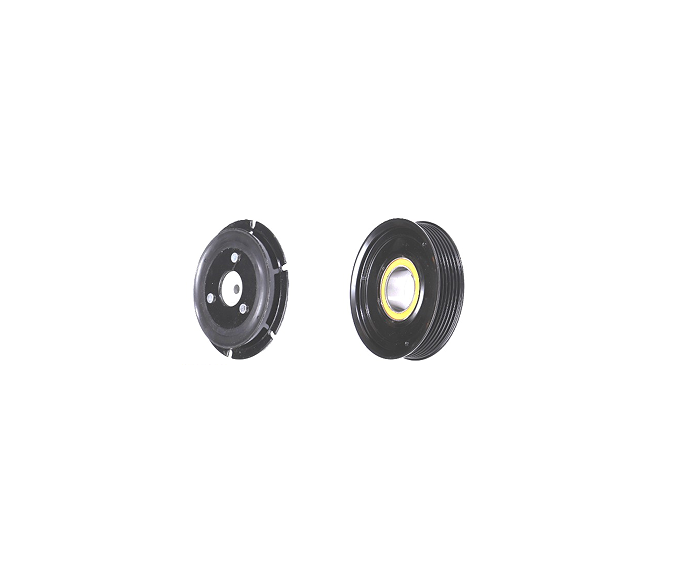
As vehicles move beyond warranty cycles, component replacement becomes inevitable. The automotive air conditioner clutch enters its primary demand window between years 6 and 12, depending on climate and usage intensity.
Aging fleets do not create sudden spikes. They create sustained baseline demand.
Replacement Cycles Become Predictable Waves
When a high-volume model reaches maturity, its repair cycle clusters. Demand does not appear randomly; it forms patterns.
For example:
| Vehicle Age | Replacement Probability Trend |
|---|---|
| 0–5 years | Minimal |
| 6–8 years | Moderate increase |
| 9–12 years | Peak replacement |
| 13+ years | Gradual decline |
These waves drive consistent turnover in the automotive air conditioner clutch aftermarket.
Fleet aging therefore enhances forecast visibility. It reduces volatility.
Heat Exposure Accelerates Aging Impact
Climate intensifies the effect.
Vehicles operating in high-temperature regions experience:
-
Longer annual A/C operating hours
-
Higher thermal cycling stress
-
Increased friction wear
In hot regions, aging fleets generate accelerated replacement demand. A vehicle at 7 years in the Middle East may exhibit wear comparable to a 10-year-old vehicle in temperate climates.
The automotive air conditioner clutch becomes a climate-sensitive replacement category.
Regional temperature profiles matter as much as fleet age.
Used Vehicle Export Reinforces Secondary Markets
Another structural factor often overlooked: cross-border used vehicle trade.
Older vehicles from Europe, Japan, and North America frequently enter developing markets. These vehicles often arrive just before or during their high-maintenance phase.
The result? Emerging economies inherit mature repair cycles.
This redistribution strengthens global aftermarket demand even as OEM production gradually shifts toward electrification.
The automotive air conditioner clutch therefore maintains relevance through secondary market flows.
Aging does not disappear. It migrates.
Hybrid Growth Does Not Offset Aging Effect
Even as hybrid adoption increases, the installed base of conventional vehicles remains substantial.
Legacy fleets will require maintenance for many years. Hybrid growth introduces structural diversification, but it does not erase aging ICE vehicles already in circulation.
This dual structure creates overlapping demand streams.
The automotive air conditioner clutch aftermarket remains supported by:
-
Legacy ICE vehicles
-
Transitional hybrid platforms
-
Exported used vehicles
The aging fleet effect outweighs electrification decline in many regions over the medium term.
Aftermarket Profitability Stabilizes with Age
As vehicles age, owners often shift from dealership service centers to independent repair networks.
Margins may become more competitive, but volume steadiness increases. Parts suppliers benefit from:
-
Reduced OEM dominance
-
Broader distributor participation
-
Flexible sourcing channels
The automotive air conditioner clutch category becomes less dependent on OEM production cycles and more driven by installed fleet behavior.
Structural demand replaces launch-driven demand.
Inventory Planning Benefits from Fleet Maturity
For distributors, aging fleets create clearer demand modeling.
Key variables include:
-
Vehicle parc size by model
-
Regional temperature index
-
Historical failure rate
-
Service interval data
This data-driven framework reduces speculative inventory planning.
An aging fleet simplifies forecasting logic.
Long-Term Industry Implications
Fleet aging influences industry structure in several ways:
-
Sustained aftermarket revenue base
-
Increased distributor role relative to OEM
-
Greater importance of regional climate segmentation
-
Reduced volatility compared to new vehicle production cycles
The automotive air conditioner clutch market benefits from this stability.
Demand may not surge dramatically. It does not collapse either.
It persists.
Strategic Positioning in an Aging Market
Companies that align product coverage with high-population aging models will capture stable turnover.
Success requires:
-
Platform mapping
-
Regional demand analysis
-
Climate-adjusted SKU strategy
-
Long-term distributor relationships
The automotive air conditioner clutch aftermarket over the next decade will be shaped more by fleet longevity than by new vehicle sales alone.
Aging fleets create endurance demand.
If you are planning long-term aftermarket supply strategy or regional distribution expansion, explore our full product portfolio at
👉 https://www.gzkasen.com/
For partnership discussion or supply planning consultation, connect directly at
👉 https://www.gzkasen.com/contact-us
Fleet aging is not temporary. It is structural.