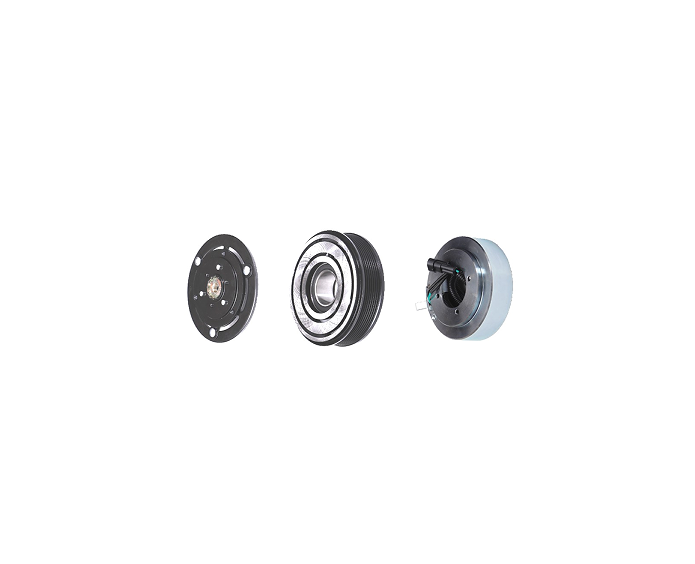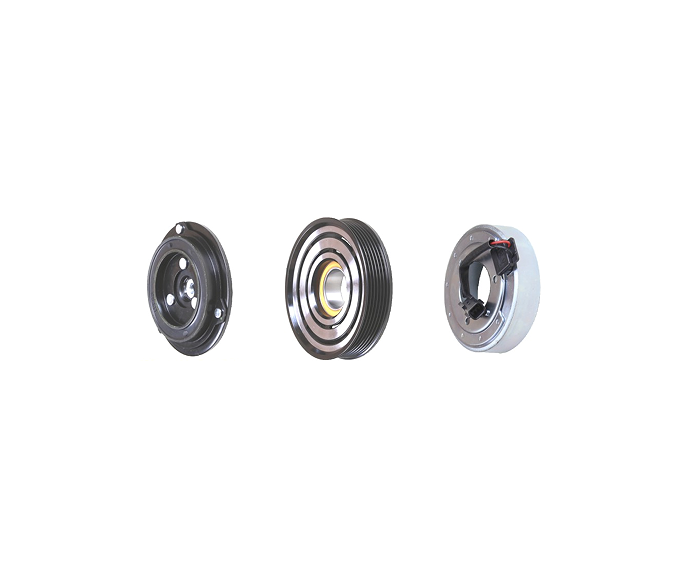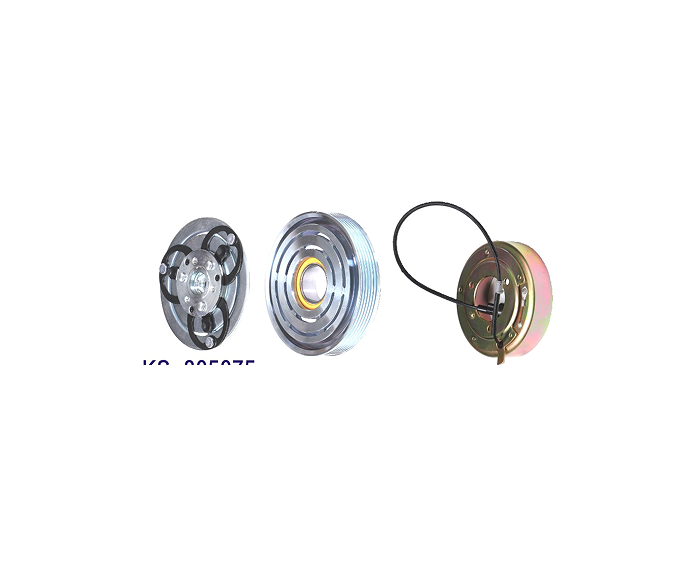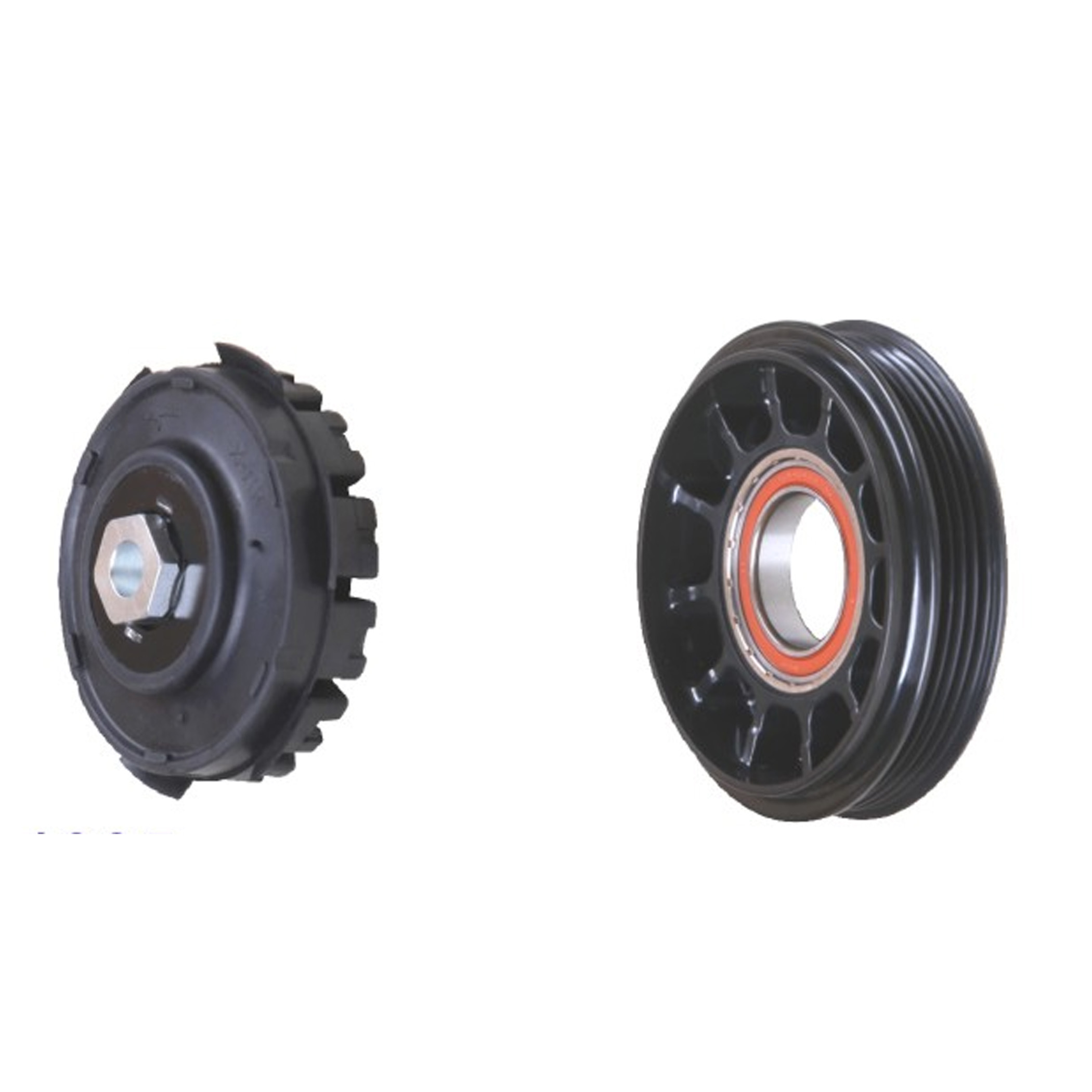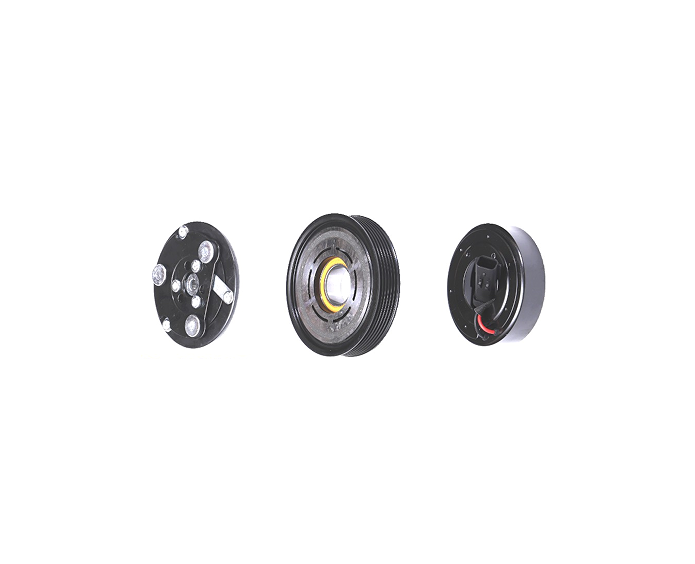

Analysis of the Technological Upgrading Trends of Friction Materials for Automotive Air Conditioning Clutches
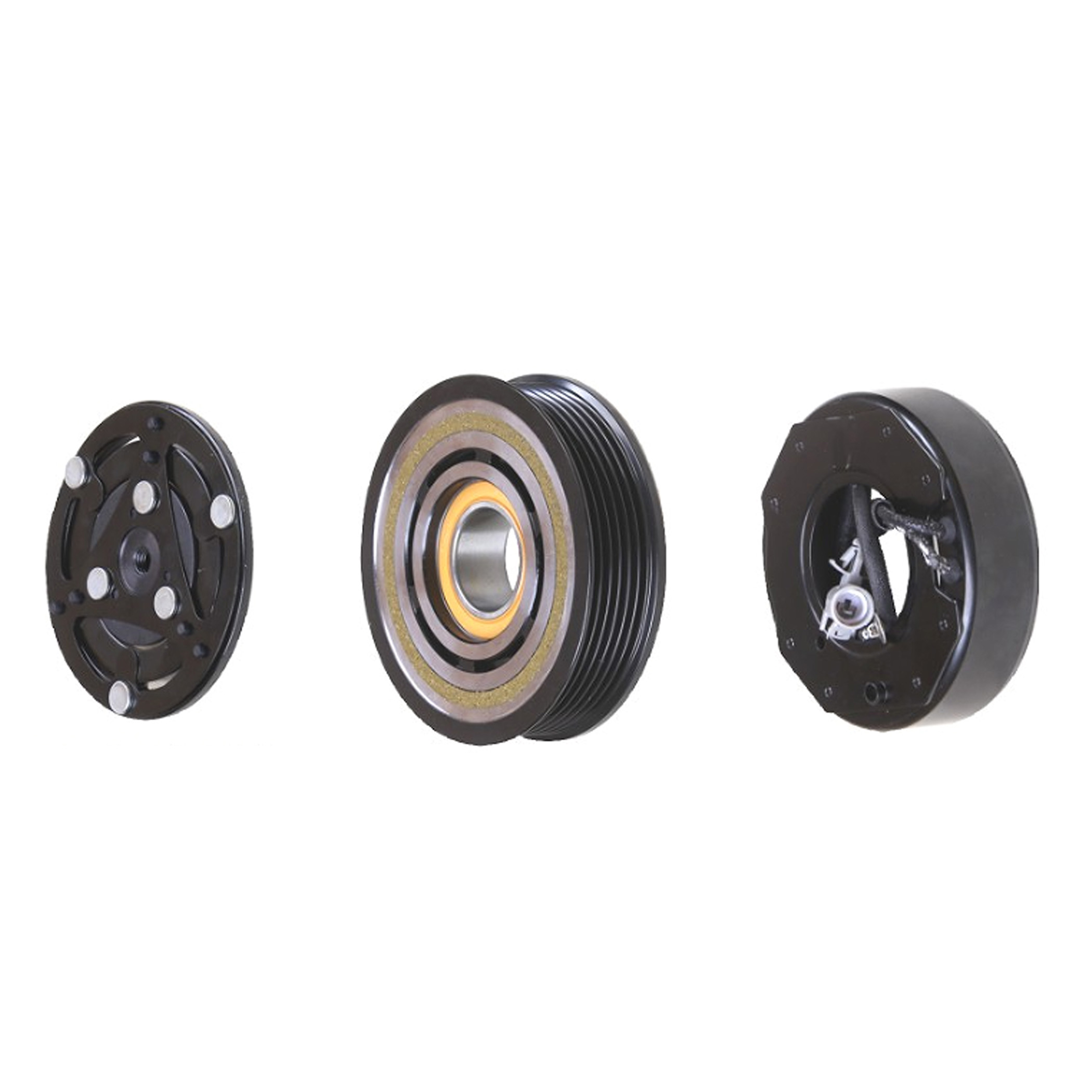
Friction interface is now the performance bottleneck
As vehicle cooling systems operate over longer periods and at higher ambient temperatures, the friction layer inside the automotive air conditioning clutch has become a major durability limiting factor.
While magnetic efficiency and structural strength are important, the interface determines torque stability, resistance to attenuation, and service life. High-frequency activation, urban congestion, and increased engine compartment temperatures all exacerbate thermal and mechanical stresses.
Therefore, material formulations are shifting from cost-oriented blends to engineered composite systems optimized for thermoelasticity, abrasion resistance, and NVH (noise, vibration, and harshness) improvements.
Tribochemistry is entering an era of precision.
Evolution of Resin Matrix: From Traditional to High-Temperature Hybrid
Traditional phenolic adhesives have long been the dominant material in clutch friction material formulations due to their mature technology and economic feasibility. However, their limitations become apparent when exposed to surface temperatures of 250–300°C for extended periods.
- Adhesive microcracks
- Reduced crosslinking integrity
- Volatile emissions during heat waves
- Friction coefficient drift
The next-generation upgrade includes:
- High crosslinking density modified phenolic system
- Epoxy-phenolic mixed adhesives
- High Tg thermosetting resins
- Low-volatility, environmentally friendly curing system
These improvements enhance the cohesiveness of the structure under repeated thermal cycling. In modern automotive air conditioning clutches , the upgraded resin system maintains stable torque transmission under continuous load conditions.
The increased upper limit of thermal performance defines the next stage of reliability.
Hybrid reinforced structures and shear stability
The mechanical integrity within the friction layer depends on the geometry of the fiber reinforcement. Single-fiber systems are gradually being replaced by hybrid composite networks.
Common structural configurations include:
- Aramid fibers have tensile load resistance.
- Carbon fiber for wear-resistant stabilization
- Heat-resistant glass fiber
- Mineral reinforcement materials are used to ensure dimensional consistency.
Multi-fiber dispersion enhances crack resistance and shear stability during the bonding process, thereby reducing the risk of delamination under repeated activation cycles.
In high-cycle operating environments, reinforced automotive air conditioning clutch friction materials can significantly extend maintenance intervals.
The synergistic effect of composite materials replaces the individuality of materials.
Advanced packing engineering for thermal regulation
Localized heat accumulation can accelerate the aging of glass and its surfaces. Emerging filler technologies aim to distribute heat more evenly across the friction interface.
Key advancements include:
- Graphite microplate lubrication system
- Ceramic microparticle reinforcement
- Metal conductivity enhancer
- Nanoscale mineral densifying additives
Optimizing packing dispersion can reduce hot spot formation and maintain coefficient stability under thermal gradient.
By improving heat dissipation management, the automotive air conditioning clutch can maintain stable engagement performance even in hot urban or desert climates.
Thermal uniformity improves the predictability of the life cycle.
NVH-oriented formulation improvement
As standards for passenger cabin comfort rise, vibrations caused by friction become increasingly unacceptable. Microslippage and uneven torque output can both generate engagement noise.
The formula improvements now include the following:
- Controllable abrasive balancing
- Microtextured surface engineering
- Damping Reinforced Resin Chemistry
- Precise curing curve optimization
These measures can reduce meshing vibration and stabilize the torque transmission curve.
A well-calibrated friction layer in an automotive air conditioning clutch directly contributes to improved acoustic performance and perceived quality.
Material tuning can affect sound characteristics.
Environmental compliance and copper-free transition
Global regulatory pressures are reshaping the field of friction materials chemistry. Copper content restrictions and heavy metal bans necessitate finding alternative solutions without sacrificing durability.
Technological upgrades are increasingly focusing on:
- Copper-free formula
- Reduce particulate matter emissions
- Low VOC adhesive system
- Additives that comply with RoHS and REACH standards
Maintaining torque performance while transitioning to environmentally responsible compounds is one of the most significant formulation challenges facing the automotive air conditioning clutch industry.
Compliance is redefining composite architecture.
Electrification and high-frequency communication requirements
Hybrid platforms introduce more frequent engagement cycles and variable torque requirements. Friction materials must be able to withstand rapid temperature fluctuations and precise torque adjustment.
The priorities for material upgrades are as follows:
- Quickly participate in stability
- Reduce parasitic resistance
- Thermal fatigue strength
- Coefficient retention rate under fast cycling
As drivetrain architectures evolve, automotive air conditioning clutches must provide consistent friction response across various operating modes.
Platform diversification requires precise formulation.
Data-driven material verification and simulation
Modern compound development relies on predictive modeling and accelerated lifecycle validation.
The main methods include:
- Finite element thermal model
- Surface wear process simulation
- High-cycle fatigue durability mapping
- Coefficient stability tracking across temperature range
Digital modeling can reduce formulation uncertainty before mass production.
The design of automotive air conditioning clutches is increasingly focused on predictive engineering rather than reactive redesign.
Simulation enhances the ability to predict reliability.
Strategic significance for manufacturers and distributors
The upgrading of friction materials is no longer a gradual improvement, but a differentiating factor with competitive advantage.
Manufacturers who invest in advanced compound technologies can gain the following advantages:
- Reduce warranty risks
- Improved durability statement
- Greater OEM integration potential
- Enhancing Reputation under Extreme Climate Conditions
Dealers offer upgraded automotive air conditioning clutch friction plates tailored for regional high-temperature or high-turnover markets, thereby differentiating their product portfolio and improving customer retention.
Materials innovation is shaping clutch reliability for the next decade.
Engineering cooperation for advanced friction systems
If you are evaluating durable, eco-friendly, or hybrid-compatible automotive air conditioning clutch components, our engineering team can provide expertise in formulation optimization and validation.
Learn about our product features:
👉 https://www.gzkasen.com/
For discussions regarding technical cooperation and development, please contact us through the following methods:
👉 https://www.gzkasen.com/contact-us
The evolution of performance began at the friction interface and has been continuously advanced through the precision of materials science.