
Why Clutch Quality Determines Cooling System Reliability
In belt-driven air conditioning systems, the automotive air conditioner clutch acts as the mechanical switch between engine power and compressor operation.
When clutch quality is compromised, the entire cooling system becomes unstable.
Common consequences of poor-quality clutches include:
- Slipping engagement
- Overheating
- Excessive noise
- Premature compressor damage
- Increased fuel consumption
For OEM manufacturers, distributors, and aftermarket buyers, selecting a high-quality clutch is not optional — it is a risk-control decision.
Understanding the Core Function of an Automotive AC Clutch
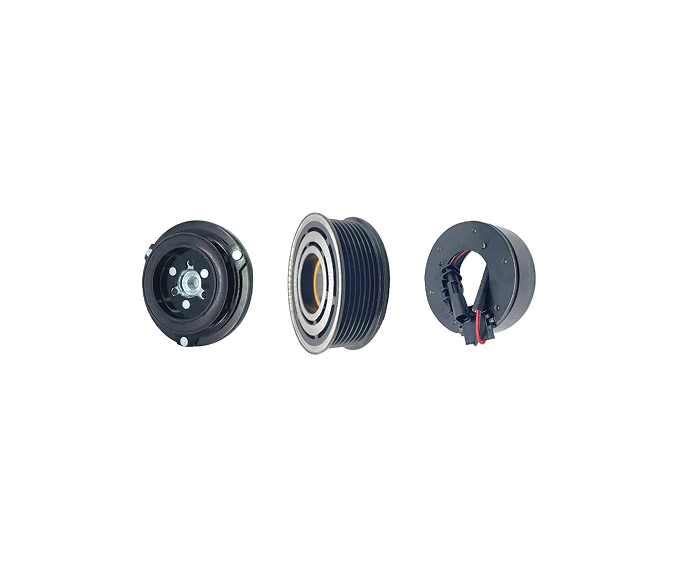
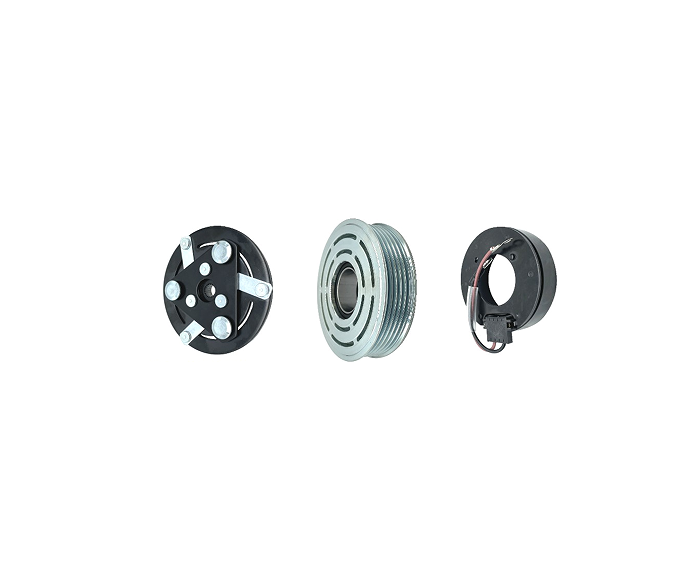
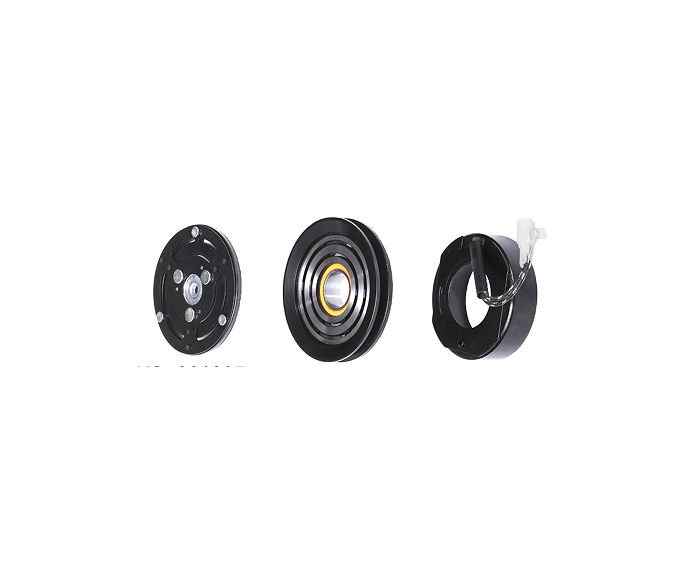
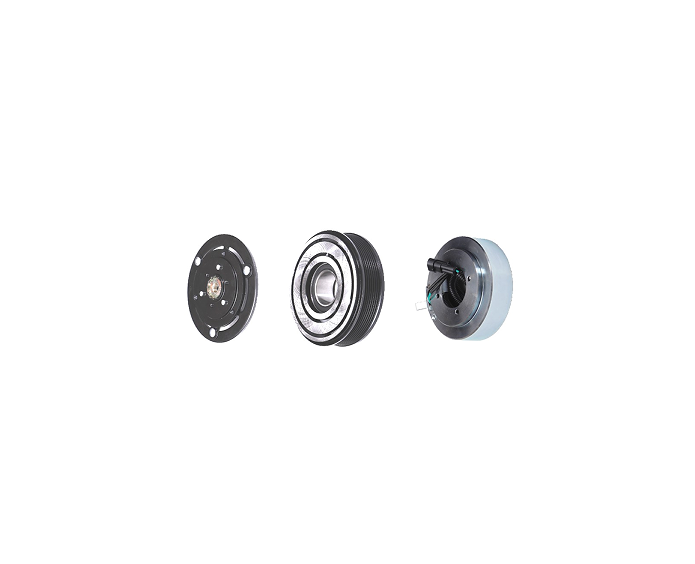
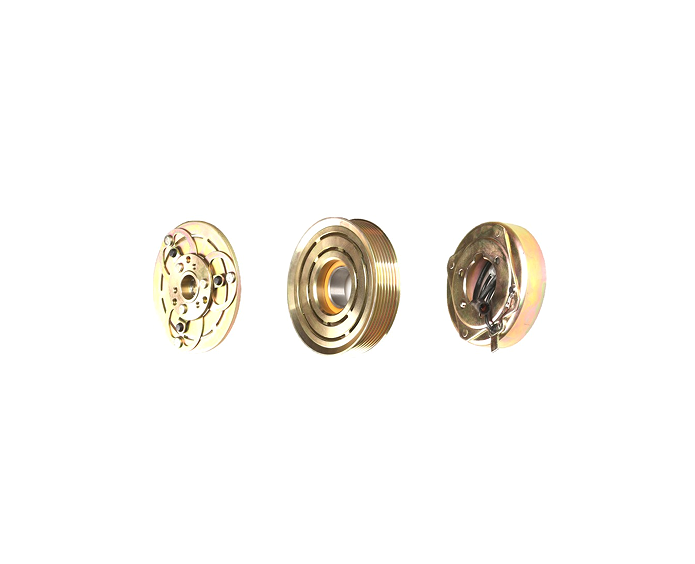
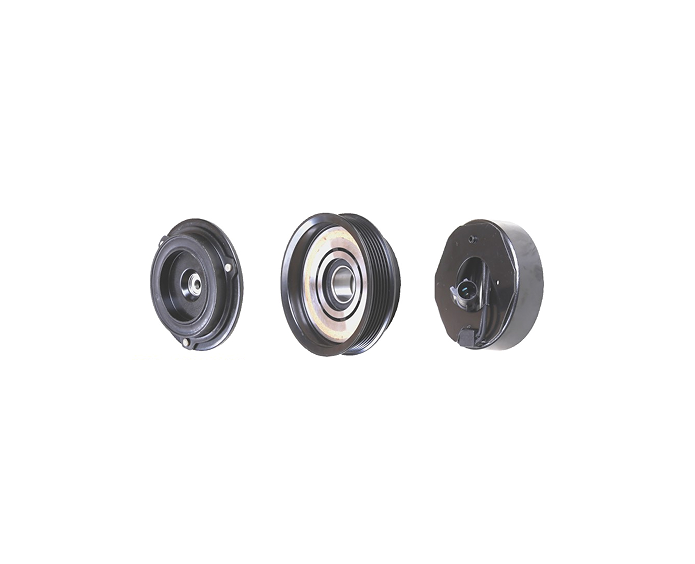
The automotive air conditioner clutch consists of:
- Pulley assembly
- Electromagnetic coil
- Armature plate
- Bearing
When voltage is applied, the magnetic field pulls the armature plate toward the pulley, transmitting torque to the compressor shaft.
According to SAE International automotive component standards, electromagnetic clutch systems must withstand repeated engagement cycles under variable thermal and load conditions.
Quality is defined by durability under stress — not just initial performance.
Key Factors That Define a High-Quality Automotive Air Conditioner Clutch
1. Friction Material Performance
The clutch friction surface must:
- Withstand high surface temperatures
- Resist glazing
- Maintain stable friction coefficient
Low-grade materials degrade quickly, causing slippage and heat buildup.
A quality automotive air conditioner clutch maintains consistent torque transfer even after thousands of engagement cycles.
2. Coil Stability and Heat Resistance
Electromagnetic coil integrity determines reliable engagement.
Evaluation criteria:
- Copper purity level
- Insulation class (Class F or above recommended)
- Thermal endurance testing
Poor insulation leads to coil burnout.
According to ISO 6722 (Road Vehicle Electrical Wiring Standard), insulation materials must tolerate high-temperature engine environments without breakdown.
3. Bearing Precision and Load Capacity
The pulley bearing rotates continuously when the engine runs.
Critical parameters:
- Dynamic load rating (ISO 281 standard)
- Runout tolerance
- High-temperature grease stability
Bearing misalignment causes uneven wear in the automotive air conditioner clutch system.
4. Manufacturing Precision
Dimensional tolerance impacts:
- Air gap consistency
- Engagement smoothness
- Noise reduction
Precision machining ensures stable magnetic pull and reduces engagement shock.
Tolerance deviation increases vibration and premature wear.
Durability Testing Standards You Should Ask Suppliers About
A professional supplier should provide testing data for:
- Engagement cycle testing (50,000+ cycles minimum)
- High-temperature endurance testing
- Salt spray corrosion resistance
- Coil resistance stability testing
- Dynamic balance testing
Without validated data, long-term durability cannot be guaranteed.
High-quality automotive air conditioner clutch manufacturers will document lifecycle simulation testing.
Common Red Flags When Evaluating Suppliers
Be cautious if:
- No documented testing procedures are provided
- Coil insulation rating is unspecified
- Bearing brand or grade is unclear
- Friction material composition is undisclosed
- Engagement gap tolerance is inconsistent
Low-cost units often compromise on materials and testing.
This leads to early failure — often within 20,000–30,000 km.
OEM vs Aftermarket: What Buyers Should Consider
For OEM Buyers
Focus on:
- Lifecycle durability
- Compliance with ISO and SAE standards
- Supply chain stability
- Warranty risk reduction
For Aftermarket Distributors
Focus on:
- Replacement compatibility
- Noise control
- Cost-performance balance
- Return rate management
In both cases, selecting a proven automotive air conditioner clutch supplier reduces long-term operational risk.
Frequently Asked Questions
Q1: How long should an automotive air conditioner clutch last?
Under normal operating conditions, a high-quality clutch can last 80,000–120,000 km.
Q2: What causes early clutch failure?
Common causes include:
- Poor friction material
- Overheating
- Bearing misalignment
- Excessive cycling
Q3: Is cheaper always worse?
Not always — but without durability testing data, cost savings may translate into higher warranty claims.
Long-Term Value: Why Quality Saves Money
A premium automotive air conditioner clutch may cost slightly more upfront.
However, it delivers:
- Lower replacement frequency
- Reduced compressor damage
- Improved cooling consistency
- Lower customer complaint rate
In fleet operations and OEM production, durability equals profitability.
Selecting the right supplier is a strategic decision.
Conclusion: A Buyer’s Decision Framework
When evaluating an automotive air conditioner clutch, focus on:
- Material quality
- Thermal resistance
- Bearing precision
- Manufacturing tolerance
- Durability testing documentation
Quality is measurable. Testing data and engineering transparency matter more than price alone.
To explore high-durability automotive air conditioner clutch solutions engineered for OEM standards, visit:
https://www.gzkasen.com/
For technical consultation or quotation inquiries:
https://www.gzkasen.com/contact-us/