
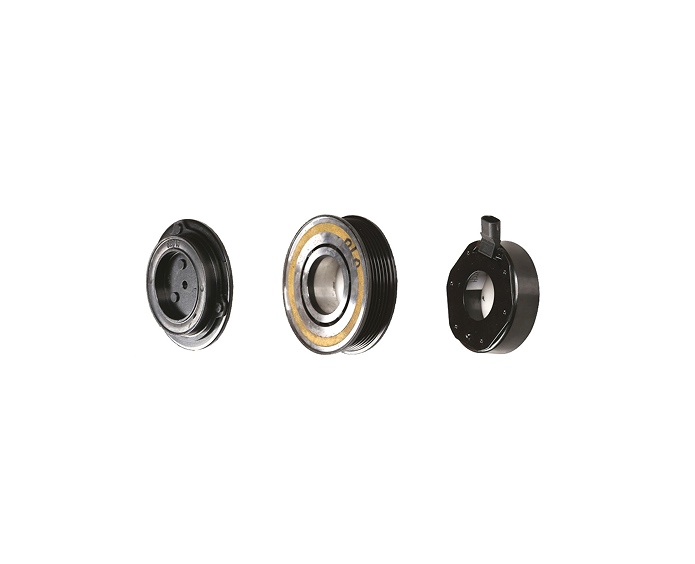
Why Friction Materials Are Critical
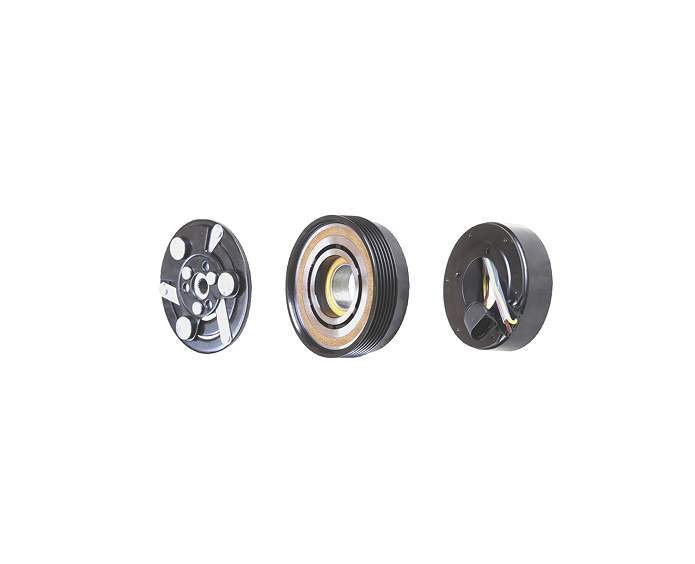
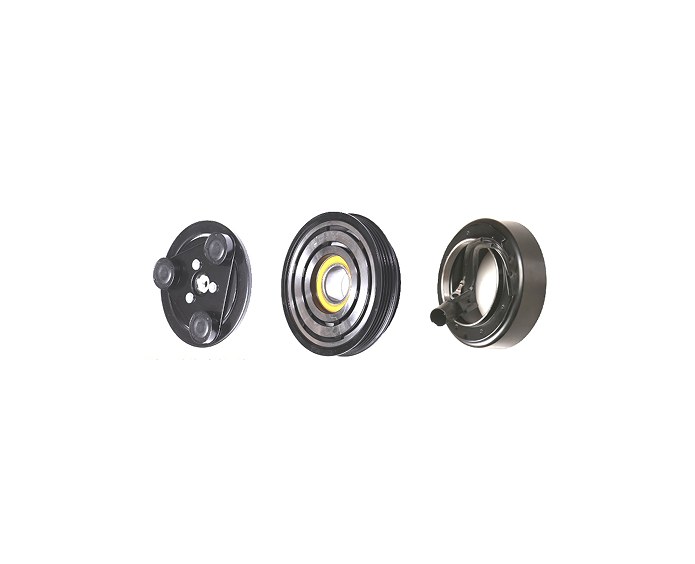
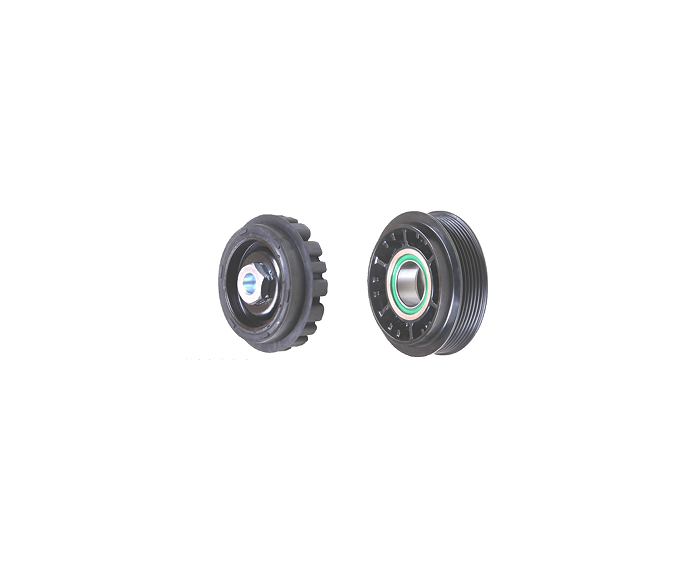
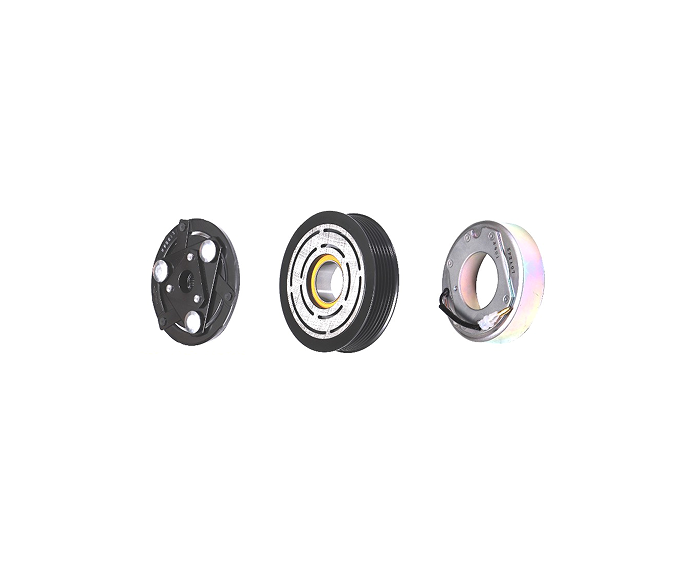
The automotive air conditioner clutch relies on friction materials to transfer torque efficiently from the pulley to the compressor shaft. Quality, durability, and thermal stability of these materials directly influence:
- Engagement precision
- Heat resistance
- Noise and vibration reduction
- Lifecycle durability
- Energy efficiency
Even minor material inconsistencies can cause slippage, heat buildup, and premature wear.
Types of Friction Materials
1. Organic Compounds
- Common in standard passenger vehicles
- Advantages: low cost, moderate wear resistance
- Limitations: lower thermal tolerance under high-duty cycles
2. Semi-Metallic Composites
- Blend of metallic fibers and resin
- Advantages: improved heat dissipation, higher torque transfer
- Limitations: slightly higher wear on mating surfaces
3. Sintered Metallic Materials
- Typically used in heavy-duty and commercial applications
- Advantages: excellent thermal stability, long lifespan
- Limitations: higher manufacturing cost
Selection depends on vehicle type, duty cycle, and expected thermal load.
Performance Characteristics of Friction Materials
Key properties influencing clutch performance:
| Property | Impact on Automotive AC Clutch |
|---|---|
| Coefficient of Friction | Determines torque transfer efficiency |
| Thermal Conductivity | Reduces heat accumulation during engagement |
| Wear Resistance | Extends lifecycle and reduces maintenance |
| Hardness | Prevents glazing and slippage under high load |
| Surface Uniformity | Ensures smooth engagement and disengagement |
Proper material selection ensures consistent automotive air conditioner clutch operation across varying environmental conditions.
Thermal Management and Durability
Engagement generates heat. Excessive temperature can:
- Degrade friction material
- Reduce magnetic coil efficiency
- Increase wear on the bearing and pulley
High-quality friction materials with thermal fade resistance preserve torque transfer even after repeated cycles, maintaining clutch durability over 80,000–120,000 km.
Impact on Energy Efficiency
Efficient friction materials reduce engagement slippage, which:
- Minimizes engine load
- Reduces parasitic drag
- Improves vehicle fuel efficiency
Material selection is therefore a critical factor in both performance and energy efficiency for modern vehicles.
Maintenance Considerations
Regular inspection of friction material condition is essential:
- Look for glazing or uneven wear
- Monitor engagement response time
- Replace worn plates before coil or pulley damage occurs
Proactive maintenance prevents costly repairs and maintains optimal performance of the automotive air conditioner clutch.
OEM vs Aftermarket Considerations
High-quality friction materials distinguish OEM and premium aftermarket products:
- OEM: strict material specifications, lifecycle-tested, consistent performance
- Aftermarket: varies by supplier; quality verification required
Choosing a reliable supplier ensures consistent torque transfer, thermal stability, and extended clutch lifespan.
Frequently Asked Questions
Q1: How long do friction materials last?
Depending on material type and operating conditions, friction surfaces last 80,000–120,000 km.
Q2: Can worn friction material damage the clutch?
Yes. It increases slippage, heat buildup, and bearing stress, accelerating overall wear.
Q3: Are high-temperature materials always better?
Not necessarily. Material must match vehicle duty cycle and engagement load for optimal performance.
Conclusion: Material Quality Drives Clutch Reliability
Friction materials are the heart of the automotive air conditioner clutch. Correct selection, thermal resilience, and consistent surface properties ensure:
- Reliable engagement
- Extended service life
- Reduced maintenance costs
- Optimal energy efficiency
For OEM manufacturers and distributors seeking high-quality automotive air conditioner clutch assemblies with premium friction materials, explore:
https://www.gzkasen.com/
For technical consultation or quotation requests:
https://www.gzkasen.com/contact-us/