
Electrification Is Structural — But Not Instant
Electrification is advancing. EV sales rise year after year. Government policy accelerates adoption. Headlines often imply immediate displacement of legacy mechanical systems.
Reality is slower.
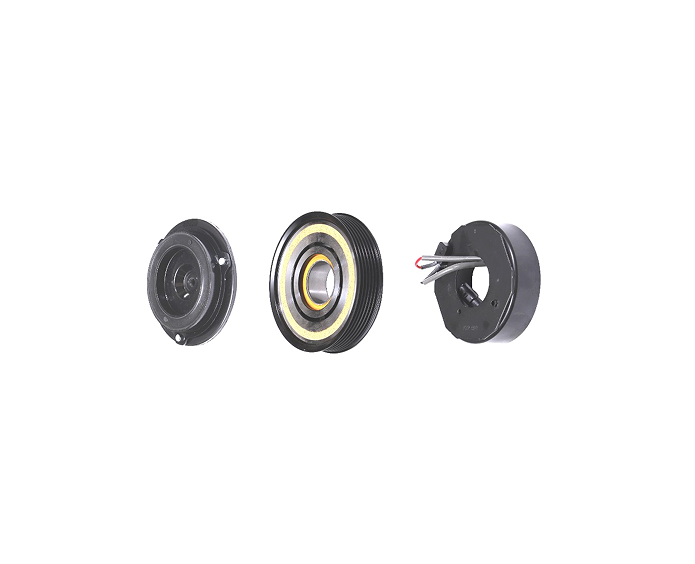
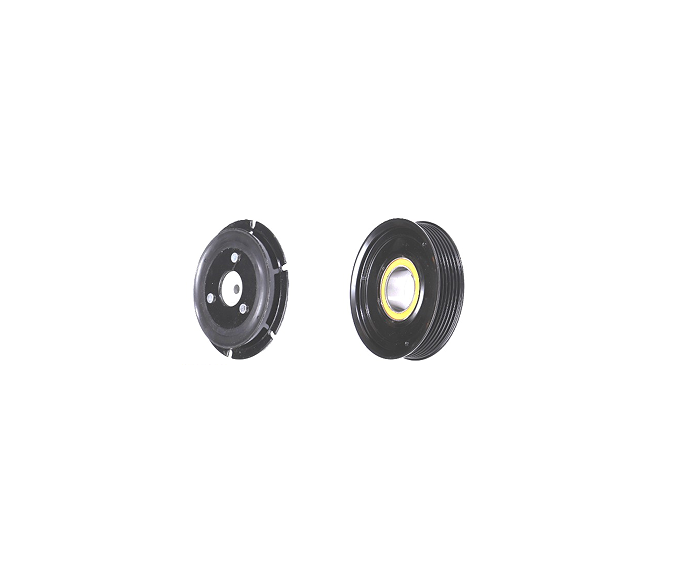
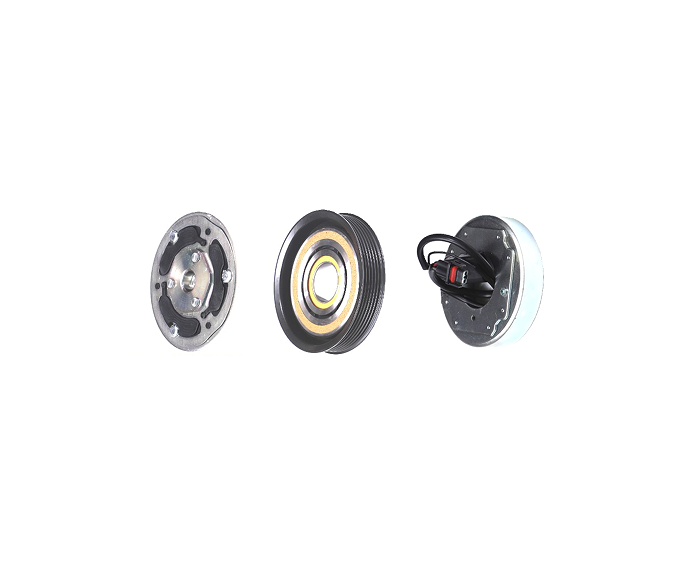
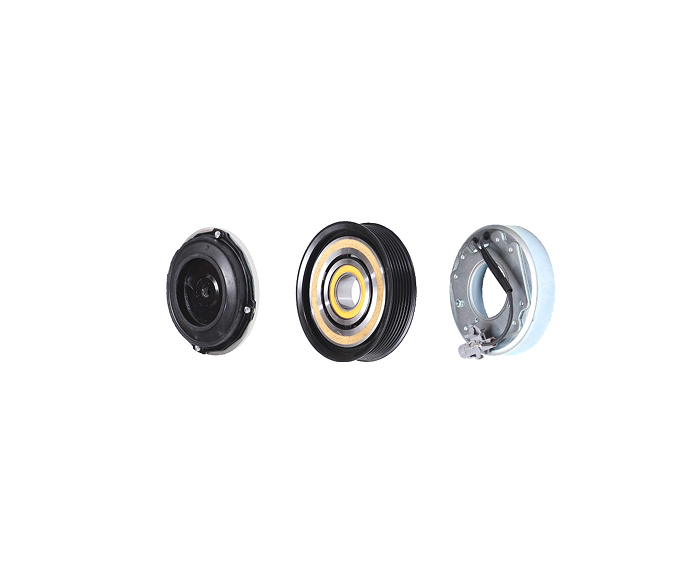
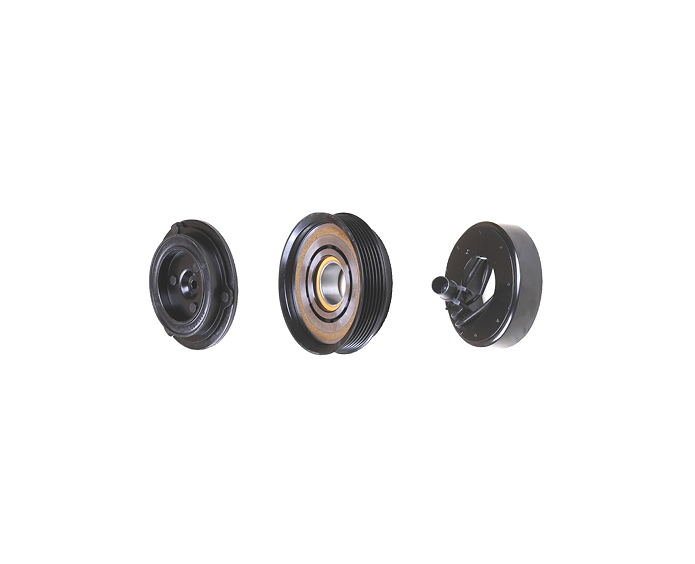
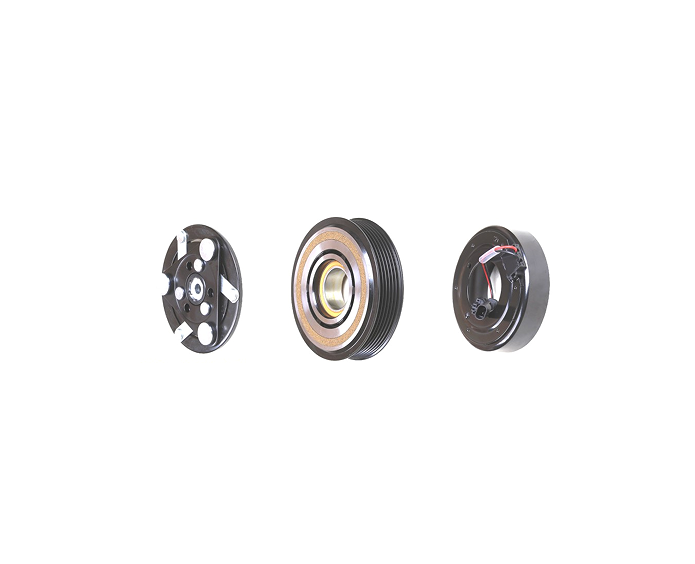
The automotive air conditioner clutch operates within a global vehicle fleet measured in billions. Internal combustion engines will not vanish in a single product cycle. Hybrid systems, transitional platforms, and cost-sensitive markets sustain mechanical architectures longer than forecasts often assume.
The future is not binary. It is layered.
EV Adoption Rate vs Global Fleet Composition
Electric vehicle growth is rapid in percentage terms. Absolute fleet replacement is gradual.
Projected global vehicle composition over the next decade suggests:
| Powertrain Type | Growth Trend | Impact on Clutch Demand |
|---|---|---|
| Full EV | Accelerating | Mechanical clutch eliminated |
| Hybrid | Growing | Partial retention |
| ICE | Declining share | Still dominant volume |
| Emerging Market ICE | Stable | Sustained replacement demand |
Even if EV penetration accelerates, the installed base of ICE vehicles ensures continuing aftermarket requirements.
The automotive air conditioner clutch market will contract in some segments while remaining resilient in others.
Hybrid as the Transitional Anchor
Hybrid vehicles represent the bridge between full electrification and legacy ICE.
Many hybrid platforms retain belt-driven compressors paired with revised control strategies. Cost control, serviceability, and platform reuse influence this choice.
In these transitional architectures, the automotive air conditioner clutch remains embedded within system design.
The pace of hybrid expansion therefore becomes a decisive variable in mid-term demand projections.
Hybrid growth tempers abrupt contraction.
Regional Electrification Divergence
Electrification progresses unevenly.
-
Europe: Rapid EV policy adoption
-
China: Strong EV manufacturing push
-
North America: Mixed adoption rates
-
Southeast Asia & Africa: Slower electrification
-
Middle East: ICE-dominant fleet remains strong
Because global adoption speeds vary, the automotive air conditioner clutch market will not decline uniformly.
In slower-transition regions, demand may remain structurally stable for a decade or more.
Geographic segmentation replaces global uniformity.
Aftermarket Inertia
Vehicle fleets age gradually. Components do not disappear simply because new vehicles adopt different systems.
Aftermarket dynamics show that parts tied to legacy powertrains maintain demand long after OEM production shifts.
Even under aggressive electrification scenarios, replacement demand for ICE-based systems persists due to:
-
Fleet longevity
-
Export of used vehicles
-
Secondary markets
-
Developing economies absorbing older vehicles
This inertia sustains baseline volume.
Industry Consolidation and Capacity Realignment
Electrification introduces supply chain recalibration.
Manufacturers must evaluate:
-
Capacity allocation between legacy and EV components
-
Tooling amortization timelines
-
Regional warehouse repositioning
-
Investment pacing
The automotive air conditioner clutch segment may experience supplier consolidation as some players exit while others optimize efficiency.
Lower-volume specialization may emerge as a strategy.
Technology Stratification Rather Than Elimination
Electrification changes demand composition.
Mechanical systems will:
-
Decline in EV-exclusive markets
-
Persist in hybrid platforms
-
Remain dominant in developing regions
Future differentiation will likely focus on:
-
Hybrid-optimized specifications
-
Enhanced durability
-
Region-specific product portfolios
-
Cost-optimized manufacturing models
The automotive air conditioner clutch becomes a more segmented product category rather than a disappearing one.
Long-Term Structural Outlook
Over the next 10–15 years, three structural phases are likely:
-
Transitional coexistence
-
Regional divergence
-
Gradual volume rebalancing
Mechanical clutch systems will not vanish abruptly. They will taper in specific markets while stabilizing in others.
Electrification reshapes structure. It does not erase legacy instantly.
The automotive air conditioner clutch market remains relevant during this transition — provided suppliers align with geographic and platform segmentation.
Strategic Implications for Industry Participants
Companies operating in this space must:
-
Map regional electrification timelines
-
Diversify product portfolios
-
Optimize cost efficiency
-
Anticipate hybrid growth patterns
-
Adjust capacity gradually, not reactively
Electrification introduces transformation, not immediate extinction.
If you are evaluating long-term supply positioning or regional demand forecasting, explore our product portfolio at
👉 https://www.gzkasen.com/
For strategic cooperation discussions and OEM supply planning, contact us at
👉 https://www.gzkasen.com/contact-us
Transition favors those who plan structurally rather than respond emotionally.