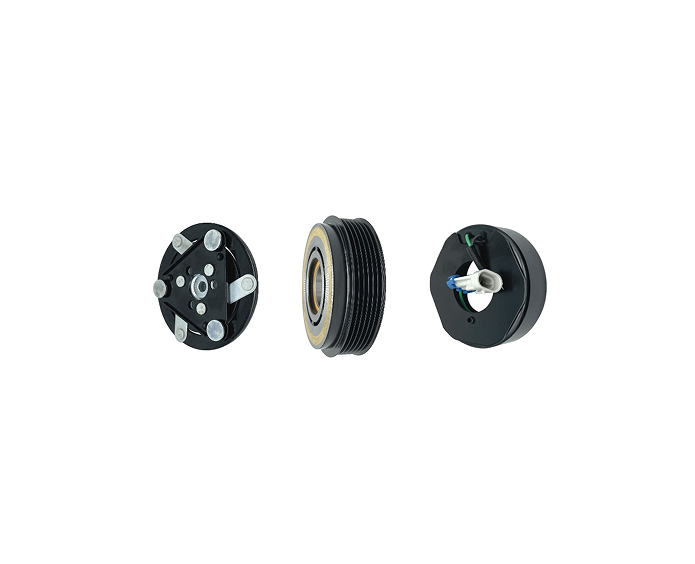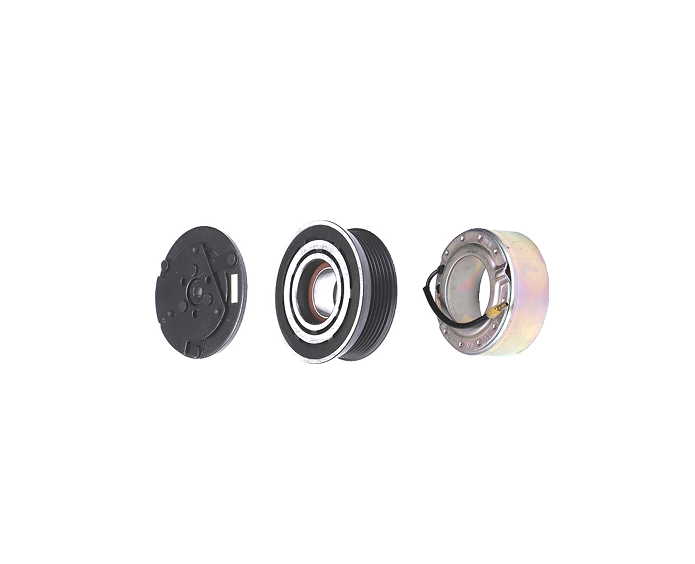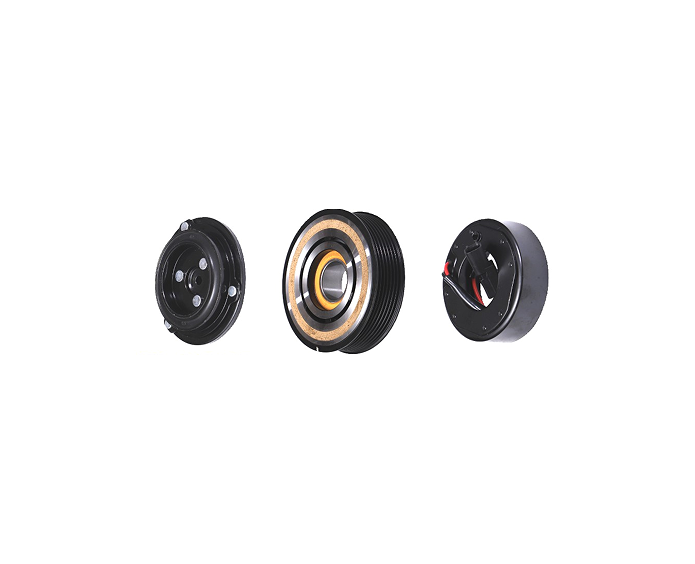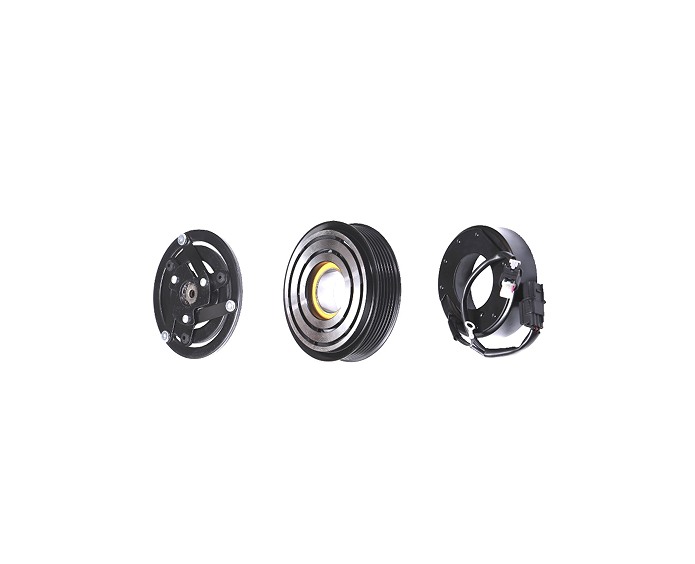

When a buyer searches for compressor valve parts, the real purchasing question is rarely just “What is a valve?” The important question is whether the part is a compressor control valve, an expansion valve, a pressure switch, a sensor, a loose replacement component, or part of a repair kit—and whether it matches the exact compressor, connector, calibration and sealing interface. A reliable sourcing decision starts with a reference-specific application matrix, a defined supply scope, physical sample approval and batch controls. Guangzhou Kasen supplies automotive AC control valves and related air-conditioning components, but the final fitment, electrical data, materials, MOQ, lead time and inspection evidence must be confirmed for each requested SKU and market.
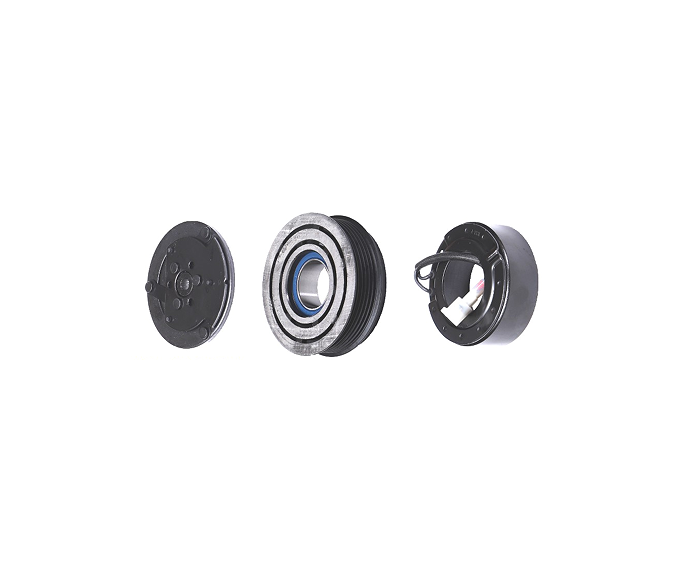
What Are Compressor Valve Parts?
Compressor valve parts are components that regulate or support refrigerant and compressor operation in an automotive air-conditioning system. In aftermarket purchasing, the phrase can describe an internal or externally mounted control valve for a variable-displacement compressor, a valve supplied with seals, or a broader package of compressor-related service parts. It is not a universal part number. Two valves may look similar while differing in body diameter, insertion depth, spring behavior, connector, coil or control strategy.
The first task is therefore to define the component by function and supply scope. A buyer who needs a variable-displacement compressor control valve should not receive a generic expansion valve quote. A repairer replacing a pressure switch should not receive a control valve that fits inside the compressor body. A distributor asking for a “valve kit” should state whether the kit includes O-rings, screens, clips, seals, connector hardware or only the valve itself.
| Term used in an RFQ | Typical function | Information required before quotation |
|---|---|---|
| Compressor control valve | Modulates compressor displacement or pressure response in a compatible compressor architecture. | Compressor model, OE/OEM number, valve geometry, electrical interface and application. |
| Expansion valve | meters refrigerant into the evaporator; it is located in the refrigeration circuit rather than being the compressor control valve. | TXV/EXV type, inlet and outlet ports, sensing method, vehicle or system reference. |
| Pressure switch or sensor | Reports or switches system pressure for control and protection. | Pressure range, connector, thread or mounting, switching logic and vehicle application. |
| Valve repair kit | Combines a valve with selected sealing or installation components. | Exact contents, seal material, quantity per kit, packaging and installation instructions. |
For a buyer, this distinction is more than terminology. It protects the quotation from scope drift and prevents a low unit price from hiding missing seals, connectors or installation parts. Kasen's product catalogue shows the wider automotive AC component range, while the control-valve versus expansion-valve comparison explains the system-level difference. Use those pages for orientation, then send the actual reference and photographs for a technical match.
Which Buyers Need Compressor Valve Parts?
Compressor valve parts are usually purchased by four groups. Importers and aftermarket distributors need repeatable references, packaging and a clean interchange record. Compressor rebuilders need a valve that matches the internal mechanism and a seal package that can survive installation. Repair networks and fleet workshops need fast identification, stable replenishment and a clear claim route. OEM or private-label buyers need drawing control, sample approval and change notification.
Each group evaluates risk differently. A distributor may accept a mixed opening order while a rebuilder may require a sample teardown before adding a new valve to its repair process. A fleet team may prioritize a short, stable list of vehicle-specific references rather than a large catalogue. A private-label buyer may need neutral cartons, barcode fields and a lot number that can be traced back to the approved sample.
When the article is not the right buying path
A compressor valve enquiry is not the right path when the actual need is a complete belt-driven clutch, an electric compressor, an expansion valve at the evaporator, or a pressure sensor. Those are related products but have different interfaces, tests and warranty risks. State the system location and failure symptom before requesting a quote. “AC valve” alone is not enough to select the part.
Define the Supply Scope Before Comparing Prices
Many sourcing disputes begin because the buyer and supplier use the same word for different packages. Put the supply scope in the RFQ and on the quotation. A useful scope has a product name, reference, included components, excluded components, condition and packaging unit.
| Supply scope | What may be included | Commercial risk to control |
|---|---|---|
| Loose control valve | Valve body, plunger or regulating element, spring or electrical actuator as applicable. | Seal, screen, connector and installation tool may be excluded. |
| Valve plus seal set | Valve with specified O-rings, gasket, filter or retaining parts. | Seal material and quantity must be recorded; equivalent seals need approval. |
| Repair kit | Valve, seals and installation accessories packaged as one repair SKU. | Kit contents can change unnoticed unless a controlled bill of materials is used. |
| Complete compressor-related assembly | Valve installed or supplied with a compressor or service assembly. | Assembly compatibility and test responsibility differ from a loose component. |
Ask the supplier to identify every included item with a quantity and part number. If a seal, connector or clip is not included, show it as excluded rather than leaving the field blank. For private-label orders, keep the technical bill of materials separate from artwork and carton design. This makes it possible to change a carton language without accidentally changing a valve or seal.
If you need a reference-specific quote, send the proposed scope through the Kasen message page. Include whether you want loose valves, valve-and-seal kits or a complete service package; this allows the commercial response to compare like with like.
Match the Valve to the Exact Compressor
A compressor valve should be matched to the compressor architecture, not selected from a photograph alone. Variable-displacement compressors can use different control strategies, valve positions and electrical interfaces. A visually similar part may have a different pressure response, insertion depth or connector keying. The correct match normally combines the compressor model, OE/OEM reference, vehicle or equipment application, old-part evidence and measurable interface fields.
| Matching group | Fields to collect | Why it matters |
|---|---|---|
| Identity | Compressor brand, model, OE/OEM number, vehicle, engine, model year and market. | Prevents a catalogue match from being treated as universal interchangeability. |
| Mechanical interface | Body diameter, overall length, insertion depth, shoulder, groove, retaining method and port or seat geometry. | Controls installation fit, sealing and valve travel. |
| Electrical interface | Connector shape, pin count, polarity, resistance or control signal information where documented. | Prevents a physically fitting valve from receiving the wrong signal. |
| System behavior | Compressor type, control mode, pressure response, operating refrigerant and lubricant information when available. | Links the replacement part to the system's control logic. |
| Evidence | Old-part photographs, measurements, drawing, teardown notes and approved sample result. | Creates a traceable basis for the next order and a claim investigation. |
Use the compressor model as the primary reference and the old valve as supporting evidence. If the old part is damaged, photograph the mounting cavity, connector and surrounding hardware before removal. Record orientation marks and any shim, clip or filter. Do not clean away evidence that may explain contamination or mechanical damage before taking photographs.
Mechanical Interface Checks for Compressor Valves
Mechanical fit is the first gate, but it is not the only gate. Measure the valve body at the same points used on the drawing. Record tolerances and measurement tools rather than only writing “same size.” Check the insertion depth, shoulder position, O-ring groove, tip geometry and retaining feature. A small difference in shoulder location can alter valve travel or prevent the seal from sitting in its intended land.
Body, seat and seal areas
The valve body must sit squarely in the compressor seat. Inspect for burrs, dents, plating damage and contamination. The seal groove should be free of sharp edges that can cut an O-ring during insertion. If the kit includes an O-ring, record its cross-section and material status in the inspection plan. A supplier should not substitute a different seal solely because its outside diameter appears similar.
Retaining and orientation features
Some assemblies use a clip, retainer, threaded feature or defined orientation. The RFQ should show how the valve is held and whether the connector must face a particular direction. Ask for an installation drawing or marked sample when the orientation is not obvious. The goal is not to demand a drawing for every catalogue item; it is to remove ambiguity before a bulk order.
Contamination and cleanliness
Control valves operate in a closed refrigerant and lubricant environment. The buyer should agree on cleanliness expectations, protective caps, bagging and the handling of open ports. If the failure history includes debris, ask the supplier how the part is protected after inspection and before packing. Do not claim a universal cleanliness level unless a defined method and record exist.
Electrical and Control Checks
Many compressor valve parts are electrically controlled, so a mechanical match does not prove functional compatibility. Confirm connector shape and keying, terminal count, lead exit direction and the control method documented for the compressor. Where resistance, current, PWM or pressure-response values are part of the reference specification, put the required range and test conditions in the inspection sheet. If the value is not provided, mark it as TBC rather than inventing a nominal number.
Ask whether the supplier is quoting an equivalent valve, a replacement for a named OE reference, or a custom-development sample. Those are different commercial propositions. An equivalent may require an application test before release. A named OE reference still requires confirmation that the compressor model, connector and mounting are the same. A custom sample should have a drawing revision, sample quantity and approval owner.
| Electrical question | Buyer action | Release decision |
|---|---|---|
| Does the connector physically key and lock? | Compare the old part, mating harness and photos from more than one angle. | Reject or hold if the connector requires field modification. |
| Is the control specification documented? | Request the applicable resistance, signal or functional test method. | Approve only when the method and acceptance range are defined. |
| Is polarity or pin assignment relevant? | Record the pin map and confirm with the compressor application. | Do not infer pin function from wire color alone. |
| Has the part passed an application test? | Ask for sample test conditions, compressor reference and result record. | Separate a bench check from a vehicle or system validation. |
Flow, Leakage and Functional Evidence
For compressor valve parts, the useful evidence is reference-specific. A supplier may be able to perform dimensional inspection, electrical checks, leakage checks or functional testing, but the method, fixture and acceptance criteria should be stated. “Tested” is not enough to compare two quotations. Ask what was tested, at what condition, on what sample size and with what result record.
Leakage evidence should identify the test boundary. Is the valve tested alone, installed in a fixture, or installed in the compressor? Is the result a pass/fail screen or a measured leak rate? The buyer should not convert a supplier's internal screening result into a universal field-life guarantee. The same caution applies to flow or pressure response. A bench value is useful only when the test condition represents the intended compressor control system.
Sample approval sequence
- Freeze the reference identity and supply scope.
- Record the drawing or specification revision and open questions.
- Receive samples with part labels and a packing list.
- Check mechanical and electrical interfaces against the old part and compressor.
- Run the agreed bench, leakage or application checks.
- Record accepted deviations, photographs and approval owner.
- Use the approved sample and bill of materials as the batch reference.
A sample is not approved merely because it can be installed. The approval record should identify the exact valve, seal, connector and packaging condition. If the buyer changes the compressor application, refrigerant, lubricant or installation process, the sample may need a new review.
Materials and Seal Compatibility
Material questions should be answered at the component level. Buyers may need the valve body material, surface treatment, spring or actuator material, seal material and lubricant compatibility. The correct material depends on the refrigerant, oil, temperature range, pressure environment and compressor design. Do not treat a generic “high temperature” statement as a material certificate or a service-life guarantee.
For seals, request the proposed material and any temperature or fluid compatibility information that the supplier can document for the reference. If the supplier proposes an equivalent seal, make the change visible in the approval record. The seal may look identical while its hardness, chemical resistance or temperature capability differs. A low-cost substitution can create leakage, sticking or installation damage that is only discovered after the part is in the field.
For valve bodies and machined surfaces, check critical dimensions, burr control and finish where those fields affect sealing or movement. If a coating is used, record its purpose and inspection method. If the material is confidential, ask for a controlled declaration that identifies the required performance or compliance basis without exposing proprietary formulation. The article should not promise a material grade that is not confirmed for the selected SKU.
Quality Control for Compressor Valve Parts
Quality control should connect incoming material, process checks, final inspection and traceability. A buyer does not need the same inspection for every field. Focus the plan on features that can cause a wrong-fit or field claim: body dimensions, seal groove, connector, electrical response, leakage, cleanliness, labeling and packaging.
| Control point | Example record | Buyer question |
|---|---|---|
| Incoming components | Supplier lot, seal or connector identity, quantity and inspection status. | Can the component source and lot be traced if a claim occurs? |
| Machining or forming | Critical body dimensions, groove and retaining features with tool or gauge reference. | Are measurements taken at the features that affect installation? |
| Assembly | Valve, seal and accessory bill of materials with revision. | Does the packed kit match the approved scope? |
| Functional screen | Leakage, electrical or movement check with method and pass range. | Can the result be linked to the lot and sample? |
| Final packing | SKU, quantity, lot, carton label, protective cap and packing photograph. | Can warehouse staff identify the part without opening every carton? |
Request a certificate or inspection report only when it has a defined field and date. A generic certificate with no SKU or lot may be useful as background but cannot replace a release record. Kasen's public company profile and product pages identify its automotive AC component scope; a buyer should request target-SKU evidence for the specific valve program through the About Kasen page and technical enquiry route.
Packaging, Labels and Warehouse Control
Valve parts are small, easy to mix and sensitive to missing seals or connectors. Packaging is therefore part of the technical specification. Define the inner bag, protective cap, kit quantity, carton quantity, label fields, barcode, language, lot and moisture or contamination protection. If a valve is supplied with a seal, keep the seal with the valve and show the kit contents on the label.
For a mixed-SKU shipment, require a packing list that separates each reference and quantity. The carton should not combine visually similar valves without a divider or clear inner label. Ask for a photograph of the packed sample before the first production shipment. This small step often reveals missing accessories, unclear labels or a carton that cannot be stacked safely.
Use one master record for the approved part, package artwork and warehouse code. When a connector, seal, material or process changes, the supplier should notify the buyer before shipment. A packaging change may be harmless, but an unannounced technical change can make a repeat order non-equivalent even when the printed part number stays the same.
MOQ, Lead Time and Repeat Wholesale Planning
There is no universal MOQ or lead time for all compressor valve parts. The commercial terms depend on the reference, tooling or development status, stock position, seal and connector supply, packaging, inspection level, mixed-SKU quantity and destination. Ask for terms against the actual SKU list rather than a catalogue-wide promise.
| Planning field | What to specify | What to confirm with the supplier |
|---|---|---|
| Opening order | Reference list, quantity per SKU and sample quantity. | MOQ per SKU, mixed-order rule and sample credit policy if offered. |
| Replenishment | Forecast, target safety stock and delivery window. | Production trigger, stock basis and change-notice timing. |
| Packaging | Neutral or private label, carton quantity, barcode and pallet requirement. | Artwork approval, packing lead time and carton dimensions. |
| Inspection | Incoming, final or third-party inspection scope. | Sampling level, report format, witness timing and cost responsibility. |
For a repeat program, create a SKU master with the approved drawing, sample photographs, component list, inspection points, packaging and claim route. A forecast is not a guarantee of availability unless the supplier confirms the capacity or stock arrangement in writing. Likewise, a quoted lead time should state whether it starts after deposit, artwork approval, sample approval or final technical release.
How to Compare Compressor Valve Suppliers
Compare suppliers on evidence and process, not only on unit price. A capable supplier should ask for the compressor model and old-part data, identify open matching risks, explain the proposed supply scope, provide a sample route and return a quotation that separates confirmed information from pending information.
- Technical matching: Does the supplier record mechanical, electrical and application fields?
- Evidence: Can the supplier show a sample inspection, leakage or functional method for the requested reference?
- Change control: Will a change to the valve, seal, connector, process or packaging be notified?
- Traceability: Are lot, SKU and bill-of-material records linked to cartons and inspection reports?
- Commercial clarity: Are MOQ, lead time, sample terms, packaging and claims stated for the actual SKU list?
- Communication: Can the supplier explain what is confirmed, equivalent, pending or not available?
The public auto AC compressor clutch category and control-valve product references such as KS-64 and KS-70 can help a buyer understand Kasen's product-family scope. They do not replace a SKU-level approval. Ask for the exact reference, application and inspection evidence before placing a bulk order.
Prepare an RFQ for Compressor Valve Parts
A useful RFQ gives the supplier enough information to match, sample and quote without guessing. Copy the following fields into your purchasing request:
| RFQ field | Buyer input | Why the supplier needs it |
|---|---|---|
| Compressor identity | Brand, model, OE/OEM number, vehicle, engine, year and market. | Sets the application and prevents a generic catalogue match. |
| Old-part evidence | Clear photos, measurements, connector view, seal and damage notes. | Confirms geometry and highlights failure or contamination risks. |
| Product scope | Loose valve, valve plus seals, repair kit or installed assembly. | Aligns the quotation, BOM, packaging and warranty responsibility. |
| Quantity | Sample, opening order, annual forecast and mixed-SKU list. | Determines MOQ, production planning and packaging economics. |
| Quality evidence | Dimensional, electrical, leakage, cleanliness or application test needs. | Lets the supplier price and schedule the right inspection. |
| Commercial terms | Destination, delivery window, Incoterm, payment, label and carton rules. | Creates a comparable quotation and avoids hidden assumptions. |
Ask the supplier to reply in the same field order and to mark each item as confirmed, proposed equivalent, pending or not applicable. This makes an engineering review faster and gives purchasing a defensible comparison. For samples, request a part label and packing list so that the sample remains identifiable after teardown or installation.
To request a quotation, samples or technical review from Kasen, send the RFQ through the message page or the Contact Us page. Include the compressor model, OE/OEM number, old-part photographs, quantity, destination and packaging requirements. A complete enquiry is more likely to produce a reference-specific answer than the phrase “compressor valve parts wholesale” alone.
Common Sourcing Mistakes
Buying by appearance
A similar body or connector does not prove the same control behavior. Photograph-based matching should be followed by measurements and compressor confirmation.
Mixing control valves with expansion valves
Both affect refrigerant control, but they occupy different system locations and have different interfaces. Put the location and function in the RFQ.
Leaving the kit contents undefined
“Valve kit” can mean a valve with one O-ring or a complete service set. List every included and excluded component.
Approving only the first piece
A sample proves one piece under one condition. A repeat program needs lot controls, inspection records and a change-notice process.
Assuming a universal MOQ or warranty
MOQ, lead time and warranty depend on the reference and commercial terms. Confirm them for the actual SKU list and market.
FAQ: Compressor Valve Parts
What are compressor valve parts used for?
They are replacement or service components used to regulate or support automotive AC compressor operation. The phrase most often refers to a compressor control valve, but it can also be used loosely for a valve-and-seal kit or related pressure-control part. Confirm the function and compressor reference before ordering.
Are compressor control valves and expansion valves interchangeable?
No. A compressor control valve regulates compressor behavior in a compatible compressor architecture, while an expansion valve meters refrigerant into the evaporator. They have different locations, interfaces and control roles. Use the correct product family and application reference.
Can I select a valve using the OE number only?
An OE number is an important starting point, but verify the compressor model, connector, mechanical interface, application and old-part photographs. Some catalogues contain supersessions or market variations. Treat the OE number as a matching field, not a universal guarantee.
What should a compressor valve sample include?
The sample should be identified by part number and revision and should include the agreed valve scope. If the quotation includes seals, clips or a connector, they should be packed and listed with the sample. Keep the packing list, photographs, inspection results and approval decision together.
What tests should buyers request for compressor valve parts?
Request tests that match the risk: dimensional checks, connector and electrical checks, leakage screening, movement or functional checks, cleanliness inspection and, where practical, an application test. Require the method, condition, acceptance range and lot reference. A generic “tested” statement is not enough.
Does Kasen publish one material specification for every compressor valve?
No universal material grade should be assumed. Body, spring, actuator and seal materials can vary by reference and application. Ask for the material or controlled performance information for the exact SKU, and record any approved equivalent or substitution.
What information affects compressor valve parts MOQ and lead time?
Reference complexity, tooling or development status, component supply, stock, packaging, inspection, mixed-SKU quantity and destination can all affect commercial timing. Request MOQ and lead time for the exact list, and ask when the lead-time clock starts.
Can compressor valve parts be supplied under a private label?
Private-label supply can be discussed when the buyer defines the approved technical SKU, packaging, barcode, quantity and artwork process. Keep the bill of materials and drawing revision separate from the carton design, and require change notification before shipment.
How should a buyer handle a valve that leaks after installation?
Record the part number, lot, compressor, seal, installation method, refrigerant and lubricant, photos and the point at which the leak was found. Separate product evidence from damaged seats, contamination, incorrect insertion or installation force. Send the complete record to the supplier before making a final warranty conclusion.
What makes a good compressor valve parts supplier?
A good supplier can define the component scope, match the valve to the compressor, explain open risks, provide a sample and inspection plan, protect the part in export packaging, and trace the approved specification into repeat orders. Commercial terms should be reference-specific rather than universal promises.
Conclusion
Compressor valve parts should be sourced as a controlled application, not as a generic catalogue keyword. Start by separating control valves from expansion valves, pressure switches and sensors. Then define whether the order is a loose valve, valve-and-seal set, repair kit or installed assembly. Match the part to the exact compressor using OE/OEM identity, mechanical and electrical fields, old-part evidence and an approved sample. Finally, connect the bill of materials, inspection method, packaging, lot label, MOQ, lead-time trigger, change notice and claim route to the same SKU record.
Kasen's Guangzhou-based automotive AC product range provides a starting point for control-valve and related component enquiries, but final fitment and evidence must be confirmed for the requested reference. For a quotation, sample request or technical consultation, send your compressor model, OE/OEM number, photographs, measurements, quantity, destination, packaging and inspection requirements through the Kasen message page or Contact Us. That information gives engineering and purchasing teams a clear basis for approving the first shipment and repeating the same valve specification later.