
What Should an Automotive Compressor Clutch Factory Deliver?
An automotive compressor clutch factory should be evaluated on its ability to reproduce an approved assembly, not simply present a convincing sample. For long-term purchasing, focus on three questions: what specification defines the product, how production keeps it within that specification, and what happens when a component or process changes. Guangzhou Kasen Auto Air Conditioner Co., Ltd. has focused on automotive air-conditioning parts since 2007 and welcomes manufacturing discussions based on customer drawings or OEM numbers, as described in the KASEN company profile. The qualification approach below helps buyers turn that initial discussion into documented requirements for samples, production and repeat orders.
Define the Product Scope and the Buyer’s Requirements
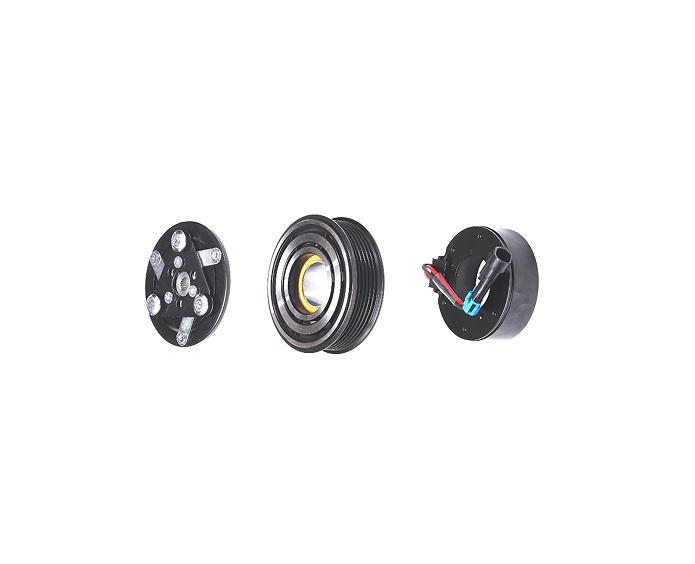
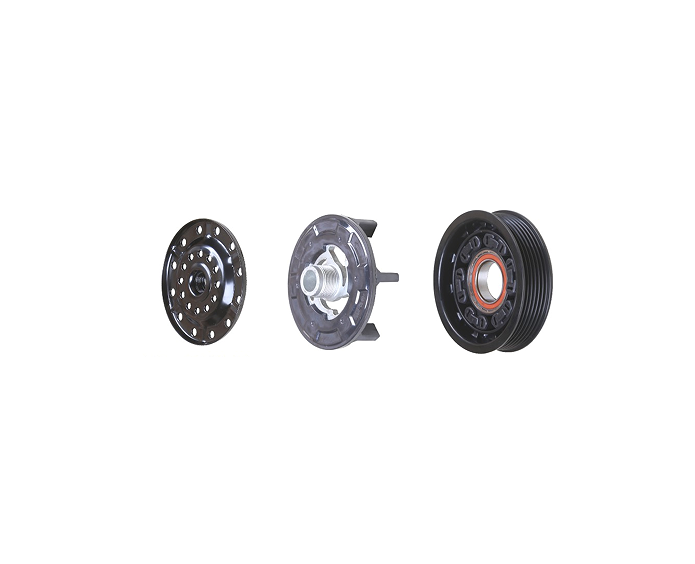
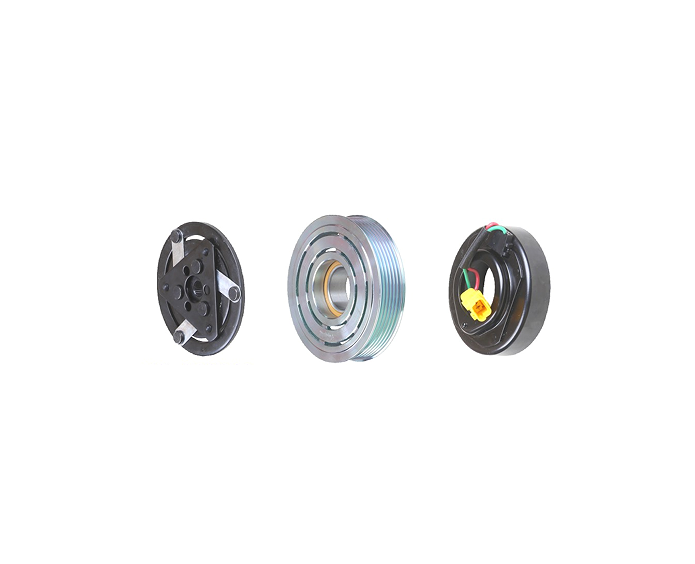
This guide concerns electromagnetic clutch assemblies used with compatible belt-driven automotive AC compressors. In this arrangement, the energized coil attracts the clutch plate, allowing the pulley to transmit drive to the compressor shaft; the bearing and mounting components support the assembly. KASEN explains these relationships in its compressor clutch operating guide. For aftermarket importers, use the qualification process to establish stable replacement references; for private-label brands, include product identification and packaging; for compressor rebuilders, define component compatibility with the assemblies being repaired. This is not a selection guide for electric compressors or a diagnosis of every no-cooling complaint. Where the repair scope is unclear, obtain a qualified technical assessment before ordering clutch components.
Translate the Application Into a Validation Brief
Give the factory more than a vehicle name. Describe whether the programme supports passenger-car repairs, a commercial-vehicle fleet or a specialized rebuilding operation, and identify the corresponding compressor references. Include relevant operating conditions—such as extended daily service, repeated engagement, hot-climate operation, dust exposure or humid storage—as questions for technical review. Ask which conditions the proposed product has been evaluated against and request the supporting test method. Do not assume that a passenger-car sample establishes suitability for a commercial fleet, or that a description such as “heat resistant” supplies a usable temperature rating. The purpose of the application brief is to define what needs confirmation before production approval.
Create One Controlled Specification for Each Reference
Before asking an automotive compressor clutch factory to scale production, agree on a specification record that both purchasing and production teams can identify. It should connect the buyer’s stock code, KASEN reference, compressor application, drawings and approved sample. Include the revision date and clarify which document takes precedence when a photograph, catalogue description and drawing differ. The following specification checklist is a proposed purchasing framework, not a statement that every model uses the same dimensions, materials or testing limits.
| Specification Area | Information to Approve | Production Evidence to Request |
|---|---|---|
| Application and supply scope | Compressor reference, confirmed fitment, assembly or component supply, included hardware | Matched part number and component list |
| Pulley and mounting geometry | Diameter, groove specification, offset, mounting features and drawing tolerances | Dimensional results against the approved drawing |
| Coil and electrical connection | Rated voltage, resistance limits, test temperature, connector and protection requirements | Applicable electrical inspection results |
| Bearing | Full identification, dimensions and agreed construction | Component identification and incoming acceptance record |
| Hub and engagement surfaces | Shaft interface, locating features and relevant surface requirements | Dimensional and assembly checks |
| Assembled condition | Applicable air gap, runout and operating acceptance criteria | Results using the agreed measurement or test setup |
| Identification and revision | Buyer code, supplier code, batch information and approved revision | Matching product, inspection and packaging records |
Control Materials and Component Substitutions
Use the material review to establish requirements that can be checked later. Ask for the relevant metal specifications, coil construction, insulation information, bearing specification and surface treatment for the selected reference. Separate confirmed requirements from optional preferences, and identify any approved alternatives. A statement such as “same size” should not, by itself, authorize a different component specification. For repeat orders, agree which changes require notification, which require sample approval and who may authorize them. Include changes to supplied components as well as work performed by the automotive compressor clutch factory. An approved sample is a reference point; it is not permission to change the product silently after the first order.
Follow the Production Process Beyond the Factory Tour
KASEN’s AC compressor clutch manufacturing overview outlines material preparation, machining, coil winding, assembly, testing and packaging. Use these stages to structure a factory discussion, while requesting evidence applicable to the specific reference under evaluation rather than treating general process descriptions as model-level approval.
Establish Who Performs and Controls Each Operation
Ask which operations are performed internally and which are purchased or subcontracted. Request a process flow showing where components enter production, where they are inspected and who approves their release. For externally supplied work, review how the specification is communicated and how a supplier change is authorized. Do not make producing every component in-house your only qualification criterion: the purchasing requirement is clear responsibility and effective control over the supplied assembly.
Review Machining, Winding and Assembly Records
Choose a proposed production reference and ask the team to show its drawing revision, applicable work instructions and inspection records. For machining, review the features measured and how measuring equipment is checked for suitability. For winding, ask which electrical characteristics and test conditions are recorded. At assembly, review how components are identified, fixtures are selected and the required checks are completed. Ask how pulley geometry, bearing installation, hub alignment and the applicable air-gap requirements are addressed for that reference. A machine photograph identifies equipment; a reference-specific record shows what was actually checked.
Check What Happens Between Different Product Runs
For a mixed-reference programme, ask how the previous job’s components, labels and instructions are removed before the next job starts. Review first-piece approval after a changeover and the method for handling rejected or reworked parts. Request that reworked items be reassessed against the agreed criteria before release. These questions make the factory review relevant to your order mix instead of leaving it as a general tour of equipment.
Separate Sample Approval, Batch Inspection and Validation
When qualifying an automotive compressor clutch factory, define three distinct approval activities. Sample approval establishes the proposed configuration and its suitability for the intended application. Batch inspection checks production against the agreed requirements. Product validation evaluates specified performance or environmental conditions using a defined test programme. Do not accept one activity as an automatic substitute for another. For each report, request the product reference, revision, sample identity, method, conditions, results and acceptance criteria. For an engagement-cycle report, ask how a cycle is defined and what load, speed, supply voltage and temperatures were used. Where certificates form part of the supplier review, examine the named organization, covered scope and validity separately from product test evidence. The agreed report should make clear what was evaluated and what remains outside its scope.
Use a Production Trial to Check the Sample-to-Batch Transition
Before a major repeat-order commitment, consider a trial made through the intended production route, subject to an agreed quantity and schedule. Compare selected trial units with the approved drawing and sample, and record any differences before commercial release. Ask whether the reference sample was a prototype, a specially prepared sample or a unit from normal production. As a practical traceability exercise, select a finished item and request its connection to the inspection record, component information and shipment identification. Agree on the traceability level required; do not assume individual serialization is available or necessary for every project.
Confirm Capacity for Your References and Order Mix
Ask the automotive compressor clutch factory to quote available output for the proposed references, quantities and packaging requirements—not only a headline monthly capacity. Request separate milestones for sample preparation, approval, material readiness, production, inspection and dispatch. Clarify what starts the quoted lead time and whether mixed-reference orders can ship together. KASEN’s low-MOQ ordering guidance makes minimum quantities dependent on the selected reference, so confirm current conditions for each item and any customized packaging. Treat a request for earlier delivery as a scheduling discussion, not authorization to remove agreed inspections. Record revised dates and any proposed split shipment before accepting a schedule change.
Compare Actual Models Before Sharing Production Requirements
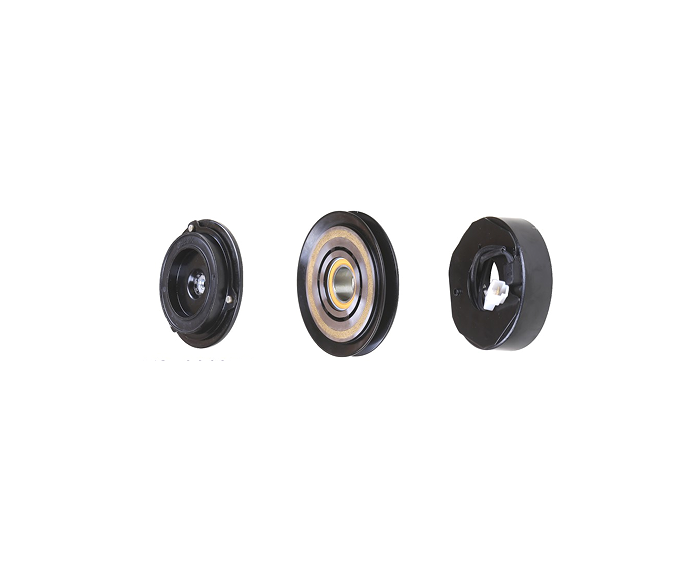
Three published KASEN references illustrate why factory approval should remain model-specific. The table reproduces selected catalogue fields; application labels are starting references, not confirmation of every vehicle configuration. Bearing codes are retained as published rather than expanded into unverified specifications.
All three list 12 V, but their pulley and bearing fields differ. KS-801011 and KS-818001 both list 6PK, yet the published diameters and bearing codes are different. These catalogue differences support a clear purchasing conclusion: do not approve one model and automatically extend that approval to the others. Ask the factory to explain which components, fixtures and inspection requirements are shared and which are specific to each reference. The table establishes no ranking for durability, price or service life, and it does not replace complete compressor-fitment confirmation.
Evaluate Cost Through Change Control, Not Unit Price Alone
Consider an illustrative purchasing situation: a repeat batch is offered with a different bearing specification after the original component becomes unavailable. This is a hypothetical review example, not a reported KASEN incident. Ask whether the alternative is already approved, what comparison evidence is available and whether further sample evaluation is needed. Then compare the proposed saving with the additional inspection, approval work and delivery impact. Apply the same approach to changes involving packaging, supplied hardware or surface treatment. When assessing an automotive compressor clutch factory, compare quotations on the same agreed scope and document exclusions. Also agree how reported defects will be investigated, which records and returned samples are needed, and what remedies are available.
Define OEM and Private-Label Scope Before Development
KASEN invites buyers to discuss custom production using drawings or OEM numbers. Use that invitation to separate three requests: supply of an existing reference, private-label packaging, and a technical product change. Each requires its own confirmation; a packaging approval should not be treated as approval of altered dimensions or electrical characteristics. For a development project, agree on the drawing revision, feasibility review, sample plan, charges and approval responsibilities before work begins. Where tooling or confidential customer drawings are involved, document the intended ownership, permitted use and access arrangements. Specific customization capabilities should be confirmed for the project rather than assumed from the general availability of OEM cooperation.
Prepare a Factory Enquiry That Can Be Evaluated
Start an automotive compressor clutch factory enquiry with a manageable set of priority references. Provide compressor identification, OE numbers, available drawings or photographs, intended application, quantity by reference, target market and packaging requirements. State whether you are evaluating a replacement product, transferring an existing supply programme or discussing a new configuration. Add the inspection documents and approval stages your organization requires, then ask the supplier to identify what is confirmed and what still needs review. Browse the KASEN compressor clutch range and use the KASEN enquiry page to begin the discussion. Keep the final technical agreement, quotation and approved revisions together so production does not depend on scattered messages.
FAQ: Qualifying an Automotive Compressor Clutch Factory
1. What should I examine first during a factory evaluation?
Start with one proposed reference and follow it from specification to finished product. Request its component list, process flow, inspection requirements and approval record. This gives the review a concrete subject before you assess broader facilities, capacity and commercial terms.
2. Must the factory manufacture every component internally?
Do not use in-house production as the sole pass-or-fail criterion. Establish which operations are internal, how purchased components are approved and who remains responsible for meeting the specification. Require clear change control and inspection arrangements regardless of where a component is made.
3. Is an approved sample enough to release a large order?
Use sample approval together with agreed production inspections and any required validation. For a new programme, consider a trial through the intended production route. Record the approved configuration and unresolved conditions before authorizing larger quantities.
4. How should I compare test reports from different factories?
Compare the product configuration, test method, operating conditions, sample quantity and acceptance criteria—not just the final number. Where those differ, request clarification before treating results as equivalent. A report should identify exactly which reference and revision it covers.
5. What should be agreed about component substitutions?
Identify approved alternatives and define changes that require written authorization or renewed sample approval. Include the notification timing and the first affected batch. Keep the approved component list with the product record so later purchasing decisions can be checked against it.
6. Can one voltage or pulley description establish compatibility?
No. The model comparison above shows the same voltage alongside different pulley and bearing fields. Confirm the complete compressor application, mounting arrangement and approved specification. Use a single matching field as an enquiry aid, not as release approval.
7. What minimum order quantity and lead time should I use for planning?
Use the current written quotation for your selected references, quantities and packaging. Confirm sample timing separately from production and transit. Do not apply the conditions for a standard item to a customized product without a new confirmation.
8. Does an OEM offer prove original-equipment approval?
Do not treat an OEM service description as evidence of approval by a named vehicle manufacturer. Request documentation for any specific approval claim. Separately confirm whether the proposed cooperation concerns an existing replacement reference, packaging or technical development.
9. How should warranty and quality complaints be handled?
Agree on reporting requirements, investigation responsibilities and remedies before shipment. Retain order and batch details, installation information, photographs and relevant findings. Define how returned samples will be assessed and how an identified production issue will be checked in subsequent orders.
10. What information helps KASEN evaluate a project?
Provide the compressor or OE reference, product photographs, available drawings, quantity breakdown, market and requested changes. Clearly mark unknown specifications. Begin with the KASEN contact page to discuss the information and approval steps needed for your enquiry.
Conclusion
Choosing an automotive compressor clutch factory is a decision about repeatable production, not merely an attractive first sample. Establish the product specification, review how each operation is controlled, distinguish validation from batch inspection and agree how changes are approved. Use model-specific evidence rather than extending one successful sample across unrelated references. For importers, aftermarket brands and repair suppliers, the objective is straightforward: know what was approved, know what will be supplied and know how differences will be resolved. Send KASEN your priority references and project requirements to begin a focused discussion about fitment, samples and production conditions.