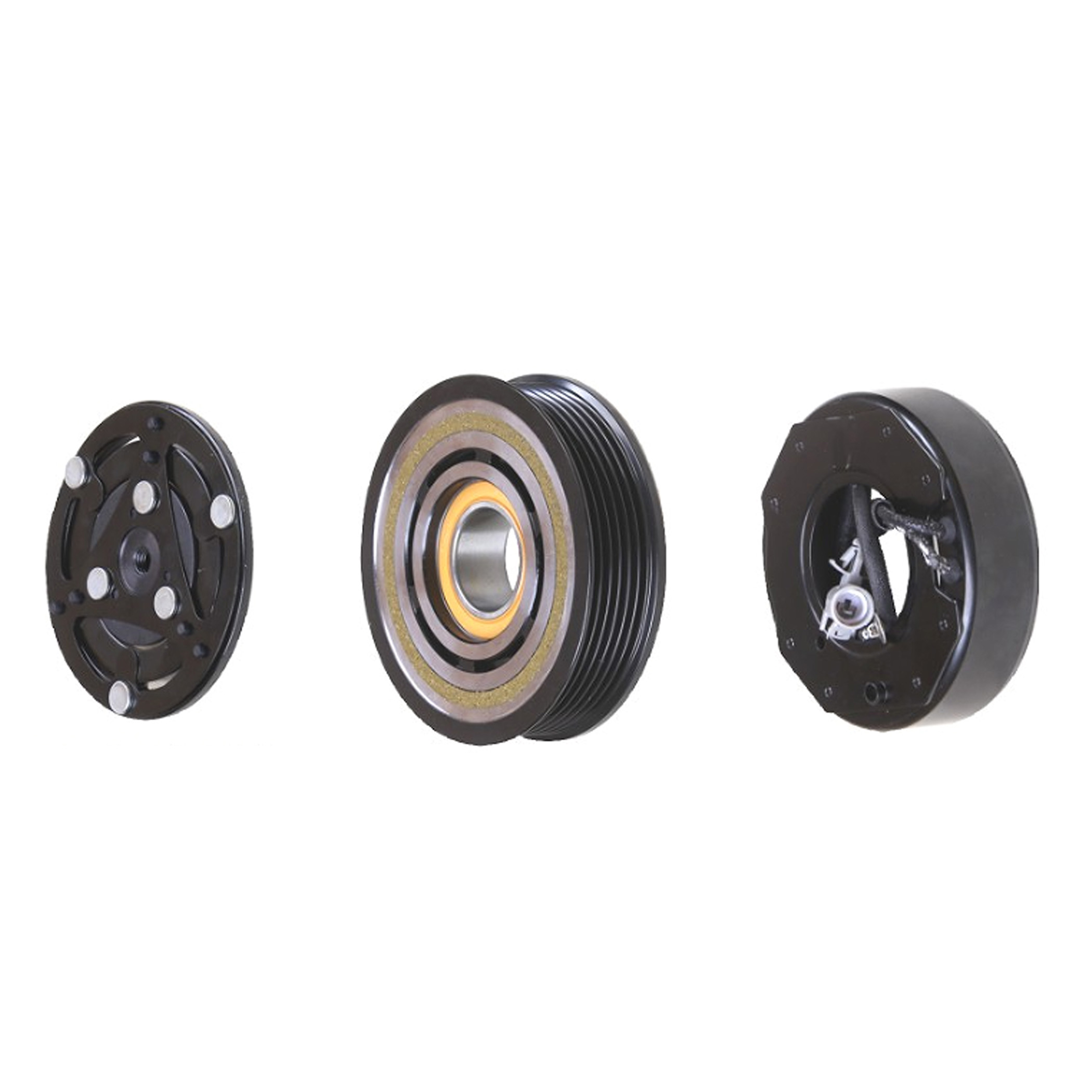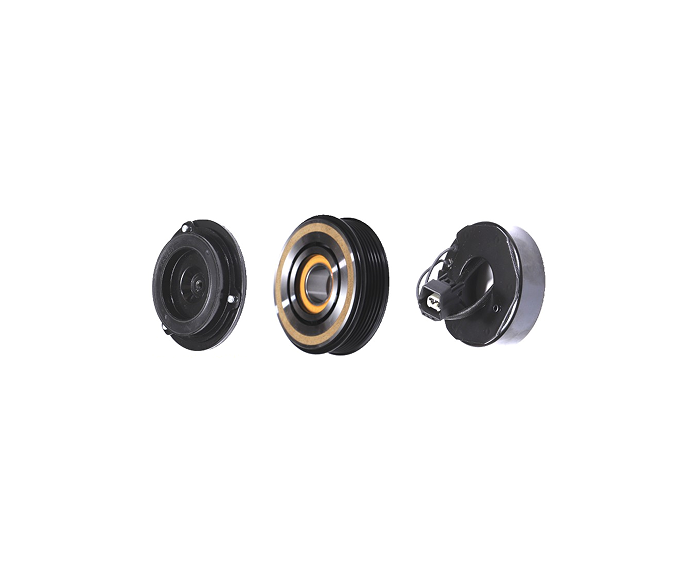

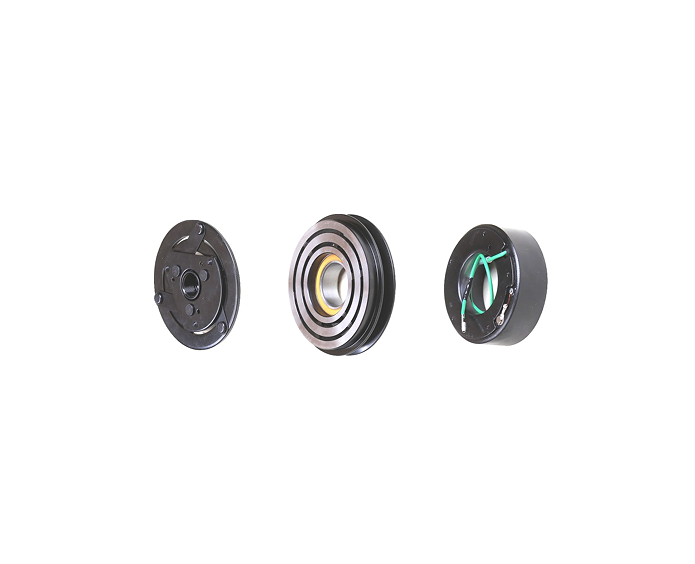
Price Is Visible. Risk Is Not.
When sourcing an automotive air conditioner clutch, buyers typically compare price lists first. It is understandable. Margins matter. Inventory turnover matters.
But the visible cost per unit rarely tells the full story. Differences in dimensional tolerance, coil insulation grade, friction material density, and magnetic calibration accumulate over time — often surfacing months after installation.
The real selection strategy is not OEM versus aftermarket. It is stability versus uncertainty.
Dimensional Consistency and Fitment Accuracy
OEM-grade manufacturing emphasizes repeatability. Aftermarket production sometimes prioritizes cost flexibility.
Fitment precision directly affects installation time and long-term performance.
| Parameter | OEM-Oriented Supply | Low-Cost Aftermarket |
|---|---|---|
| Air Gap Control | ±0.03 mm | ±0.08 mm |
| Pulley Concentricity | ≤0.02 mm | Up to 0.1 mm |
| Coil Resistance Tolerance | ±0.05 Ω | ±0.2 Ω |
| Bearing Specification | Named-brand or equivalent | Mixed sourcing |
Even small variations can influence engagement smoothness. A misaligned pulley increases belt wear. An inconsistent air gap changes magnetic response.
In high-volume distribution, these micro-variances translate into warranty claims.
Material Grade and Thermal Performance
The durability of an automotive air conditioner clutch depends heavily on material selection.
OEM-level supply typically includes:
-
Class H (180°C) insulation
-
High-carbon alloy steel hub
-
Controlled copper winding density
-
Balanced pulley machining
Some aftermarket options may use lower insulation classes or blended conductive materials to reduce cost.
Short-term functionality may appear identical. Long-term thermal stability often diverges under continuous operation, especially in hot climates or fleet use.
Lifecycle Cost vs Purchase Price
Procurement strategy must account for replacement cycles.
| Scenario | Unit Price | Average Service Life | Replacement Frequency (5 Years) |
|---|---|---|---|
| Lower-tier aftermarket | 100% baseline | 2–3 years | 2 times |
| OEM-level supply | +5–10% | 6–8 years | 0–1 time |
The visible savings at purchase can dissolve once labor, logistics, and downtime are factored in.
For fleet operators or commercial vehicles, downtime cost often exceeds component price.
A reliable automotive air conditioner clutch reduces operational interruption and preserves customer trust.
Quality Control Infrastructure
OEM-focused manufacturers operate under structured quality systems such as IATF 16949 or ISO-based frameworks.
This usually includes:
-
Full traceability
-
100% coil resistance testing
-
Pull-force validation
-
Torque calibration sampling
-
Batch-level durability checks
Aftermarket suppliers vary significantly in inspection depth. Some conduct random sampling; others rely on supplier self-certification.
The risk profile changes accordingly.
Supply Chain Stability and Long-Term Partnership
Price fluctuations in copper and steel affect clutch manufacturing directly.
OEM-level suppliers often secure long-term contracts to stabilize cost and ensure continuous supply.
Distributors relying on spot-market aftermarket sources may experience:
-
Batch inconsistency
-
Delayed shipments
-
Changing internal components without notification
Stable sourcing protects brand reputation and planning accuracy.
An automotive air conditioner clutch is not a seasonal accessory. It is a recurring demand component.
Application Context Matters
Not all buyers require OEM-level specification.
For older vehicle fleets with short residual lifespan, lower-tier aftermarket may suffice.
However, for:
-
Export distribution
-
Commercial fleets
-
High-temperature regions
-
Warranty-backed sales channels
-
Long-term brand positioning
OEM-grade sourcing reduces systemic risk.
The correct decision depends on customer profile, warranty exposure, and market positioning.
Strategic Evaluation Checklist for Buyers
Before finalizing a supplier, evaluate:
-
Coil insulation class
-
Magnetic pull force data
-
Torque retention test results
-
Salt spray and humidity resistance
-
Production tolerance records
-
Batch traceability capability
These factors define reliability more than a price column ever could.
Selecting With Long-Term Perspective
Choosing an automotive air conditioner clutch supplier is ultimately a strategic decision.
Short-term cost reduction may increase operational variability. Structured OEM-level manufacturing may carry slightly higher upfront pricing but delivers stability in fitment, durability, and brand trust.
If you are evaluating sourcing strategies, distributor partnerships, or OEM collaboration models, visit our homepage at
👉 https://www.gzkasen.com/
For technical data sheets or supply discussions, connect directly via
👉 https://www.gzkasen.com/contact-us
In component selection, precision and consistency define sustainable advantage.