
Aftermarket Maintenance and Service Guide: Extending the Lifespan of Your A/C Compressor Clutch
The Importance of Proper Maintenance
An A/C compressor clutch may appear small, but it’s the mechanical heart of the air-conditioning system’s power transfer.
When neglected, even minor issues—such as incorrect air gaps, worn bearings, or coil overheating—can lead to compressor damage or complete cooling failure.
Regular inspection and proper maintenance not only prevent breakdowns but also prolong service life by 30–50%, saving significant costs in aftermarket repairs.
1. Understanding the A/C Compressor Clutch System
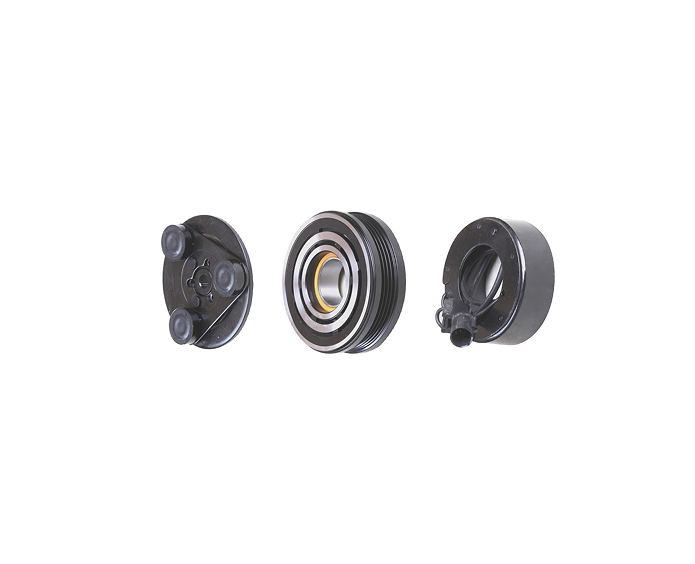
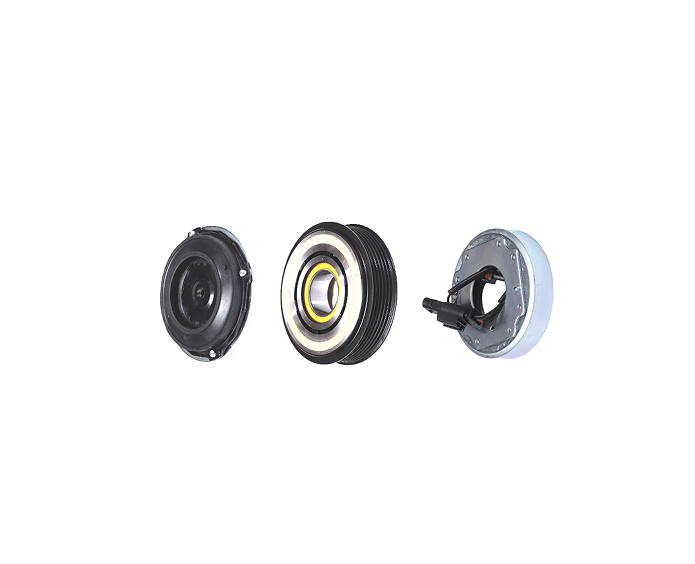
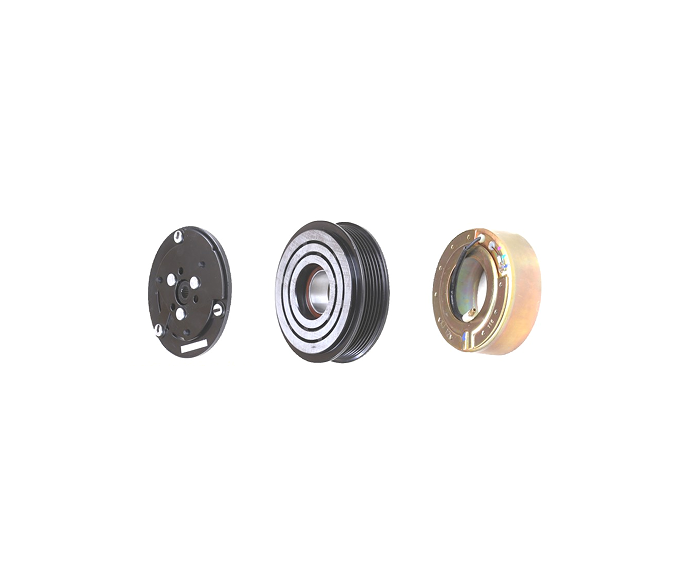
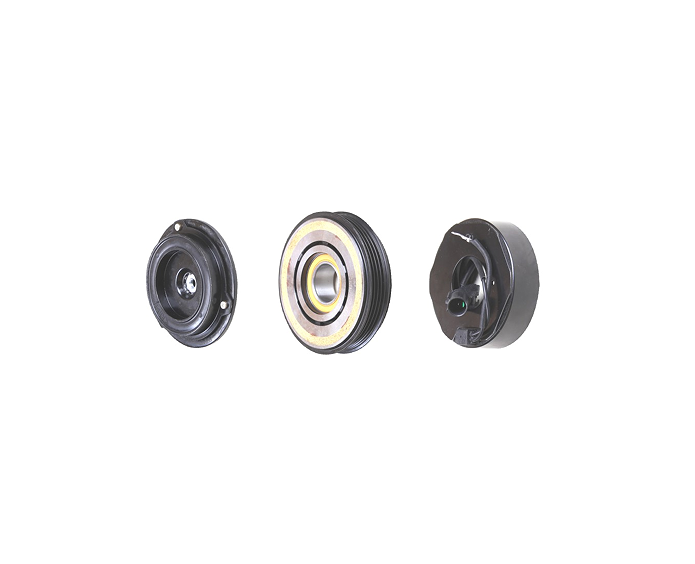
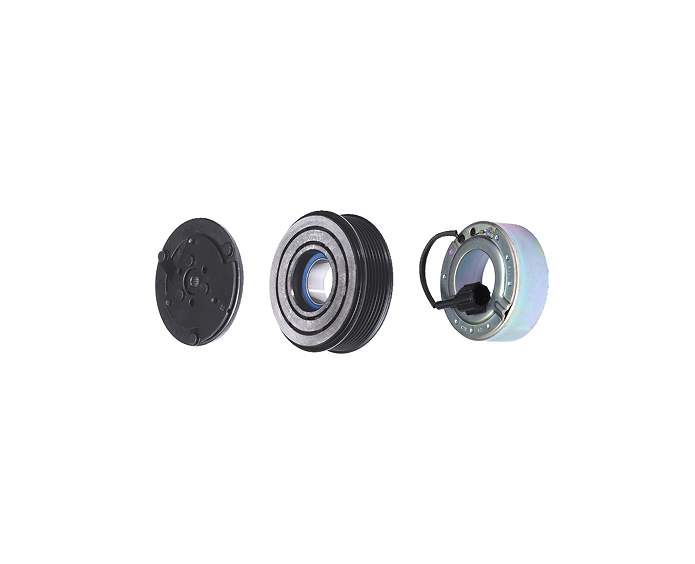
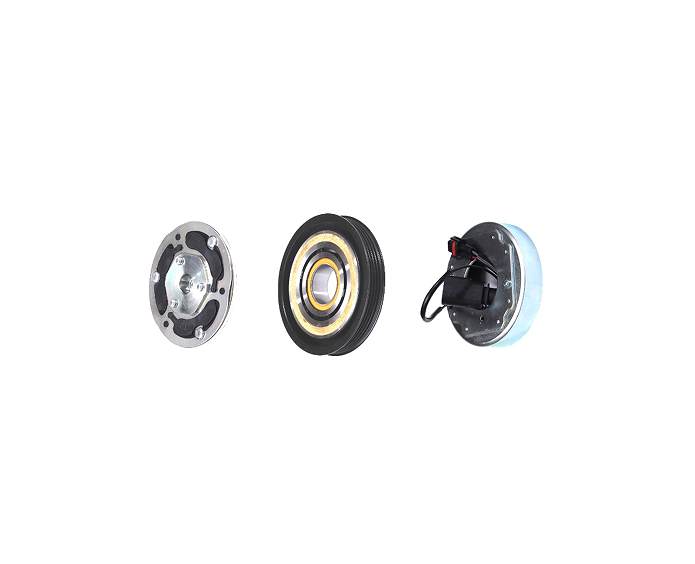
The clutch assembly consists of three main components:
-
Pulley and Bearing Unit – Always rotating with the engine belt.
-
Electromagnetic Coil – Engages the clutch plate when current is applied.
-
Friction Plate / Hub Assembly – Transfers torque to the compressor shaft.
When the A/C switch is activated, the coil magnetizes, pulling the plate against the pulley—starting refrigerant compression.
When deactivated, the clutch disengages to save power.
Understanding this mechanism helps technicians identify which component is failing during diagnostics.
2. Typical Service Intervals and Inspection Steps
KASEN recommends inspection every 30,000–40,000 km or once per year, depending on driving conditions.
Inspection Checklist:
-
Visual Check: Examine clutch plate for glazing, oil contamination, or rust.
-
Belt Tension: Ensure proper belt alignment and tension (5–7 mm deflection typical).
-
Noise Test: Listen for bearing whine, grinding, or intermittent clicking.
-
Electrical Test: Measure coil resistance (3.8–4.2 Ω at 20°C).
-
Air Gap Measurement: Use a feeler gauge—ideal gap is 0.4–0.6 mm.
Regular preventive checks reduce premature wear and prevent secondary compressor failures.
3. Early Signs of Wear or Failure
Early detection can prevent full system breakdown. Look for these common warning signs:
| Symptom | Possible Cause | Action |
|---|---|---|
| Loud clicking or knocking | Bearing wear or pulley imbalance | Replace bearing assembly |
| Clutch not engaging | Coil burnout or wiring issue | Test voltage, replace coil |
| Slipping or weak cooling | Worn friction plate | Replace clutch plate |
| Burning smell | Excessive slip or contamination | Clean or replace assembly |
| Belt squeal under load | Misalignment or excessive drag | Check pulley alignment |
Ignoring these indicators can cause compressor seizure, refrigerant leakage, or belt failure.
4. Cleaning and Preventive Care
Routine cleaning prevents corrosion and maintains magnetic efficiency.
Maintenance Tips:
-
Clean pulley grooves with a soft wire brush—remove dirt and metallic particles.
-
Avoid oil or lubricant spills on the friction plate.
-
Use only non-conductive cleaners near the coil area.
-
Keep electrical connectors dry and secure.
For fleets or tropical regions, apply a light anti-corrosion spray on exposed clutch surfaces after cleaning.
5. When to Replace the Clutch Assembly
Replacement should be considered when:
-
The clutch coil shows open circuit or burnt odor.
-
Friction surface wear exceeds 0.3 mm.
-
Pulley wobble exceeds 0.05 mm runout.
-
Engagement delay exceeds 0.1 seconds after voltage application.
KASEN recommends full clutch replacement instead of partial repair when the compressor is older than 5 years or has experienced bearing seizure—ensuring both safety and long-term reliability.
6. Step-by-Step Replacement Overview
Required Tools: Torque wrench, puller kit, feeler gauge, snap ring pliers, multimeter.
Procedure Summary:
-
Disconnect the battery and release A/C system pressure.
-
Remove serpentine belt and clutch retaining bolts.
-
Extract the pulley using a puller; avoid striking it manually.
-
Replace coil assembly and confirm resistance values.
-
Reinstall components, torque to spec (25–30 N·m clutch bolt).
-
Set proper air gap with OEM shims (0.4–0.6 mm).
-
Reconnect electrical terminals and test operation.
Always verify alignment and listen for abnormal sound during the first engagement cycle.
7. Common Maintenance Mistakes to Avoid
| Mistake | Result | Correct Approach |
|---|---|---|
| Over-tensioning the drive belt | Premature bearing failure | Adjust per vehicle spec |
| Ignoring air gap | Delayed or no engagement | Use precision feeler gauge |
| Using contact cleaners near coil | Electrical short or insulation damage | Use dry air or non-reactive solvent |
| Lubricating friction plate | Torque slippage | Never apply lubricants |
| Mixing old and new components | Imbalanced operation | Replace full kit if worn |
Adhering to professional practices ensures the A/C system performs as designed.
8. Storage and Handling Guidelines
If storing spare clutches for distribution or service:
-
Keep units in dry environments (RH < 60%).
-
Store horizontally to prevent bearing preload deformation.
-
Avoid stacking over 10 units per layer to prevent pressure marks.
-
Rotate inventory every 12 months to maintain grease integrity.
Proper handling safeguards product quality through the supply chain.
9. Service Partner Support and OEM Compatibility
KASEN supports distributors and service centers with:
-
OEM-compatible clutch models for Denso, Sanden, Delphi, and Valeo systems.
-
Technical bulletins and wiring diagrams.
-
Custom coil configurations (12V / 24V).
-
On-site installation guidance for partners.
This ensures seamless fitment across diverse vehicle platforms and climates.
KASEN’s Service Commitment
At KASEN, we believe service quality equals product reliability.
By following our inspection and replacement standards, technicians and distributors can maintain cooling efficiency, reduce return rates, and extend compressor service life.
To request a detailed maintenance manual or technical support, visit the KASEN homepage or contact our support team via the contact page.
FAQ: A/C Compressor Clutch Maintenance and Replacement
Q1. How often should the A/C clutch be replaced?
Under normal operation, every 80,000–100,000 km or when signs of wear appear.
Q2. Can a damaged clutch be replaced without changing the compressor?
Yes—if the compressor is functional and free of internal noise or oil leakage.
Q3. What’s the most common cause of clutch failure?
Overheating due to coil resistance drift or improper air gap adjustment..