



Auto AC Compressor for Vehicle Air Conditioning Repair
An auto ac compressor is the core pump in a vehicle’s cooling loop, and when it starts to fail, the cabin air often turns warm, uneven, or completely stops cooling. For repair shops, fleet maintenance teams, and parts buyers, the main problem is simple: getting the correct replacement unit that restores refrigerant circulation without forcing extra rework. This compressor assembly is designed for automotive air-conditioning service and replacement applications where a belt-driven compressor with pulley, clutch area, mounting points, and refrigerant ports is needed.
Product Overview
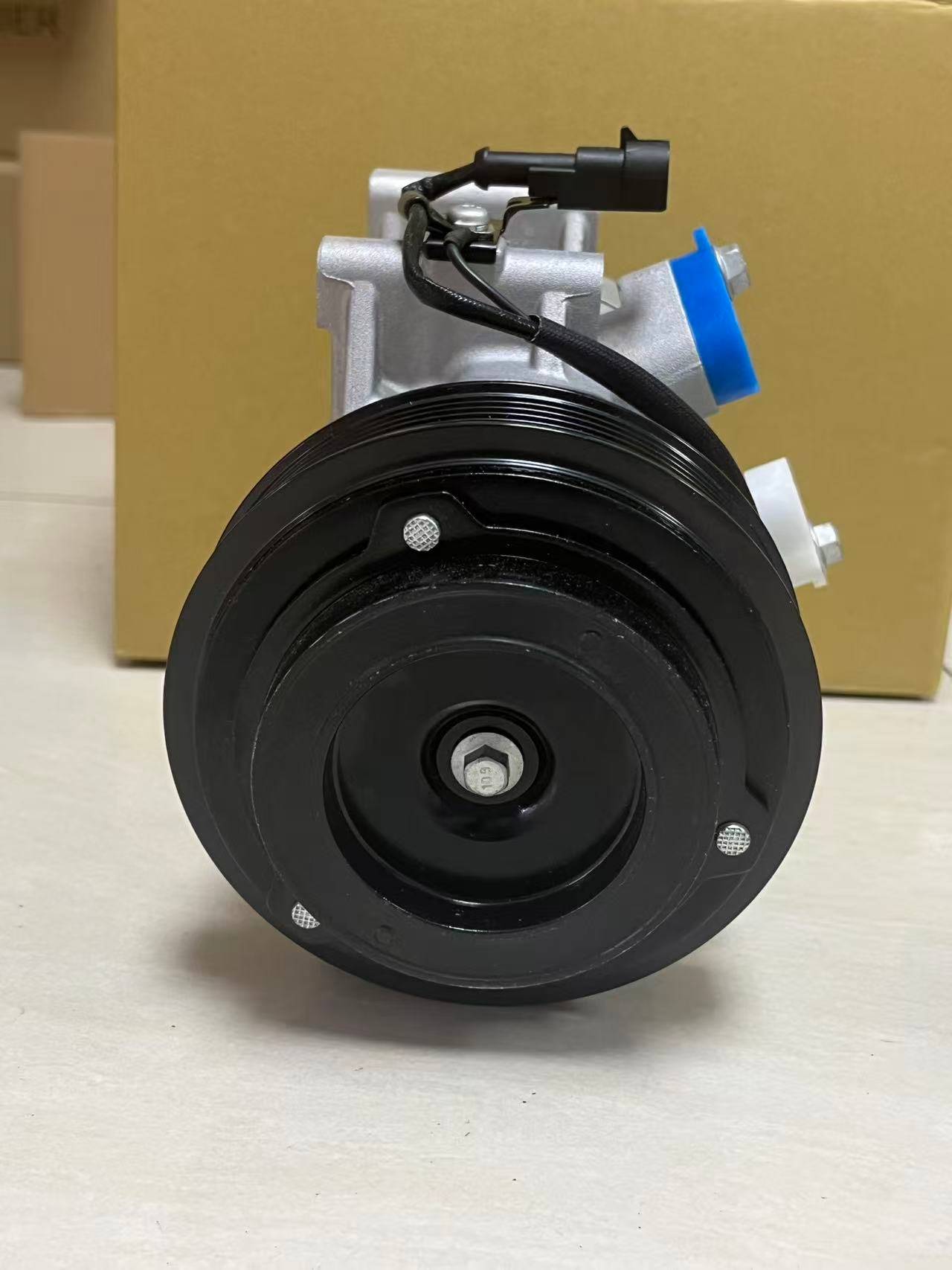
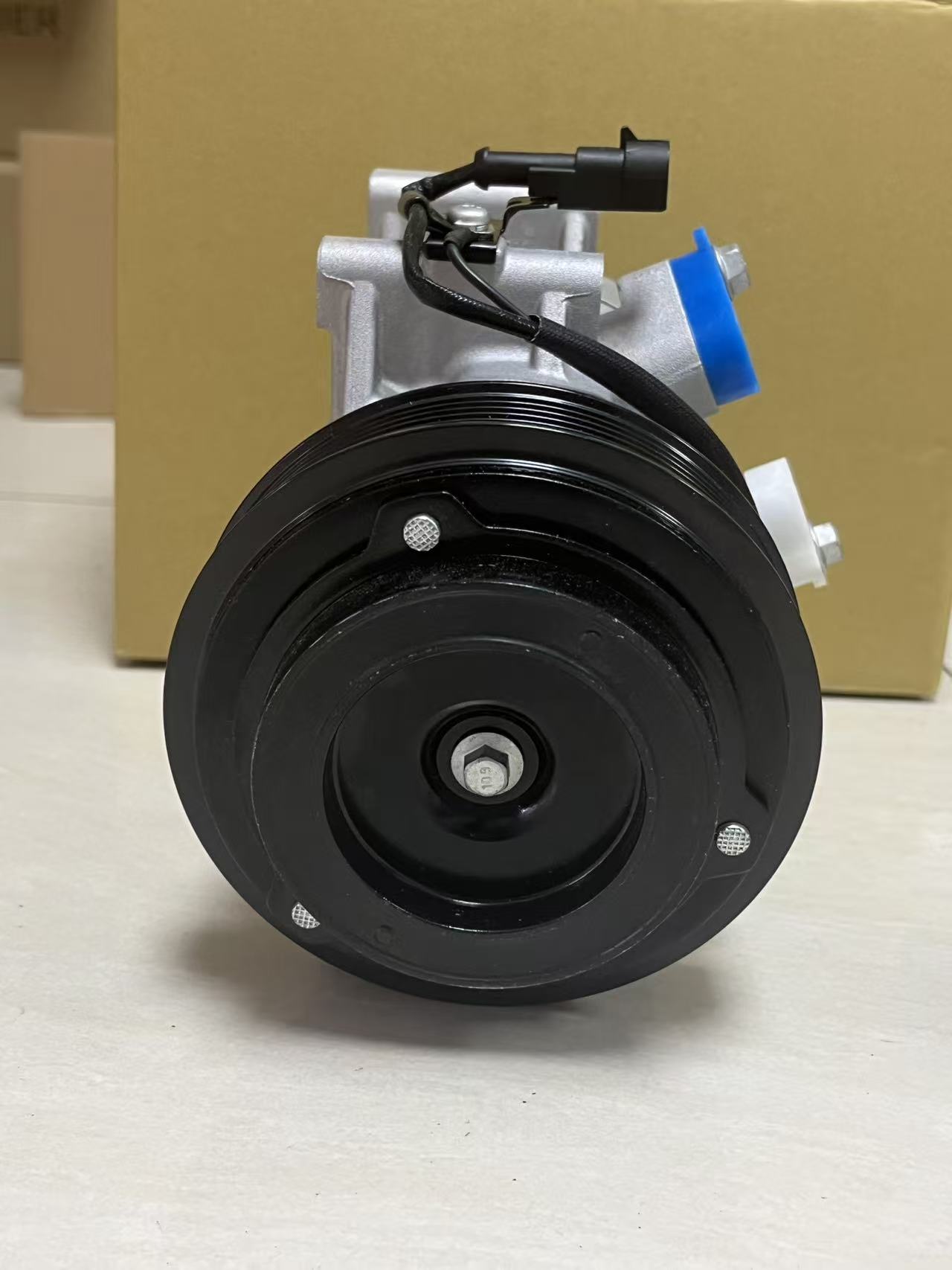
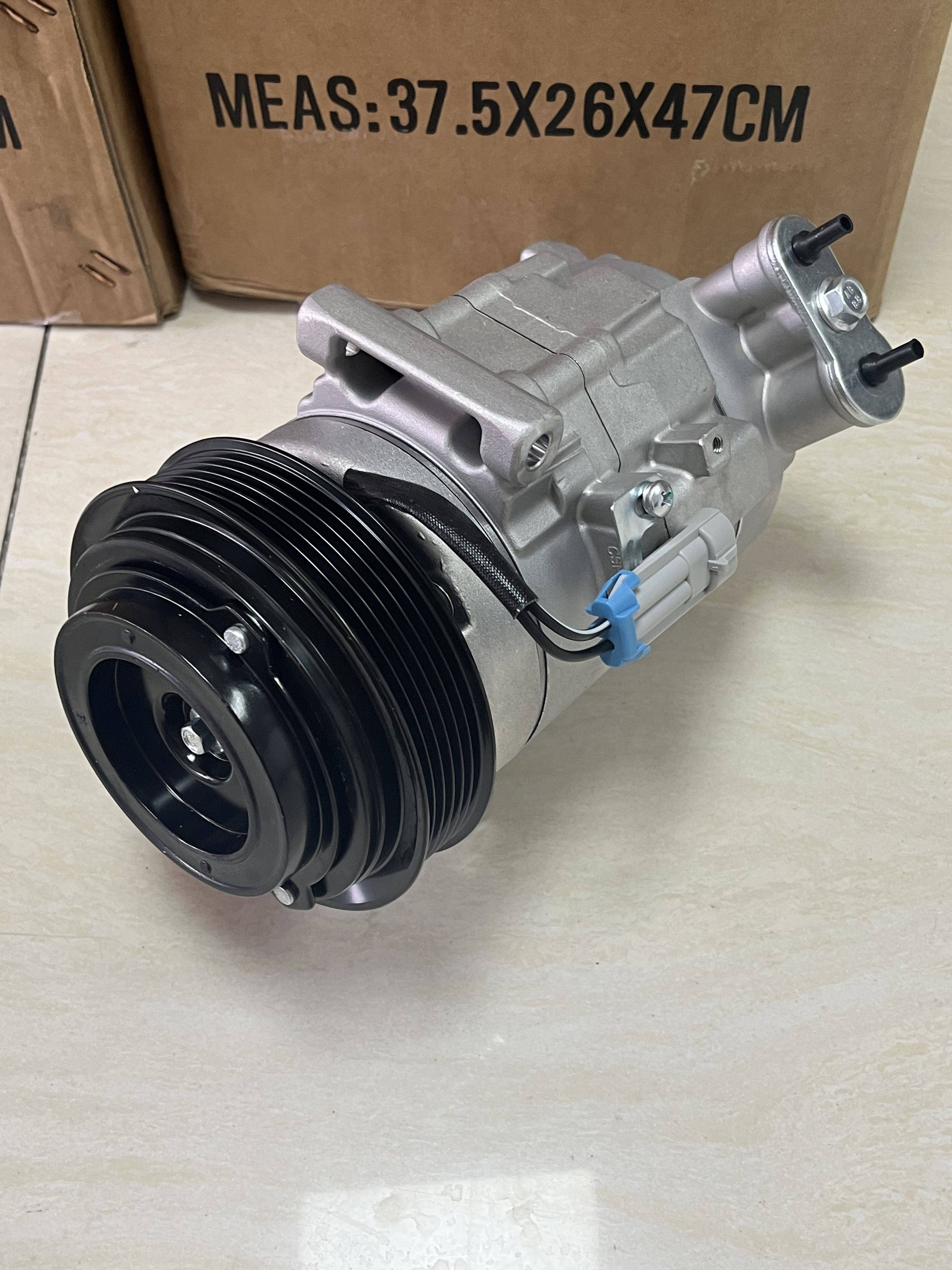
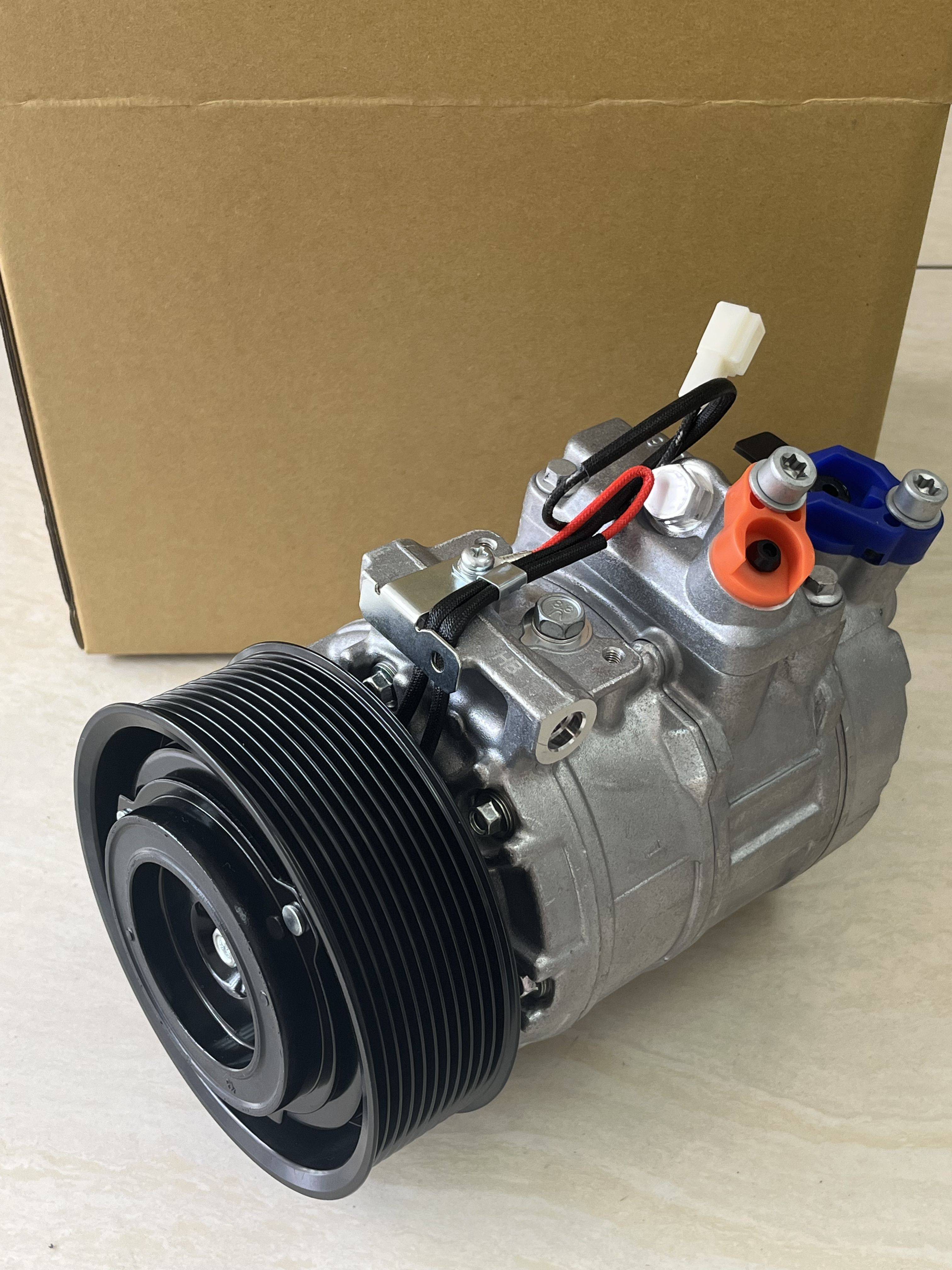
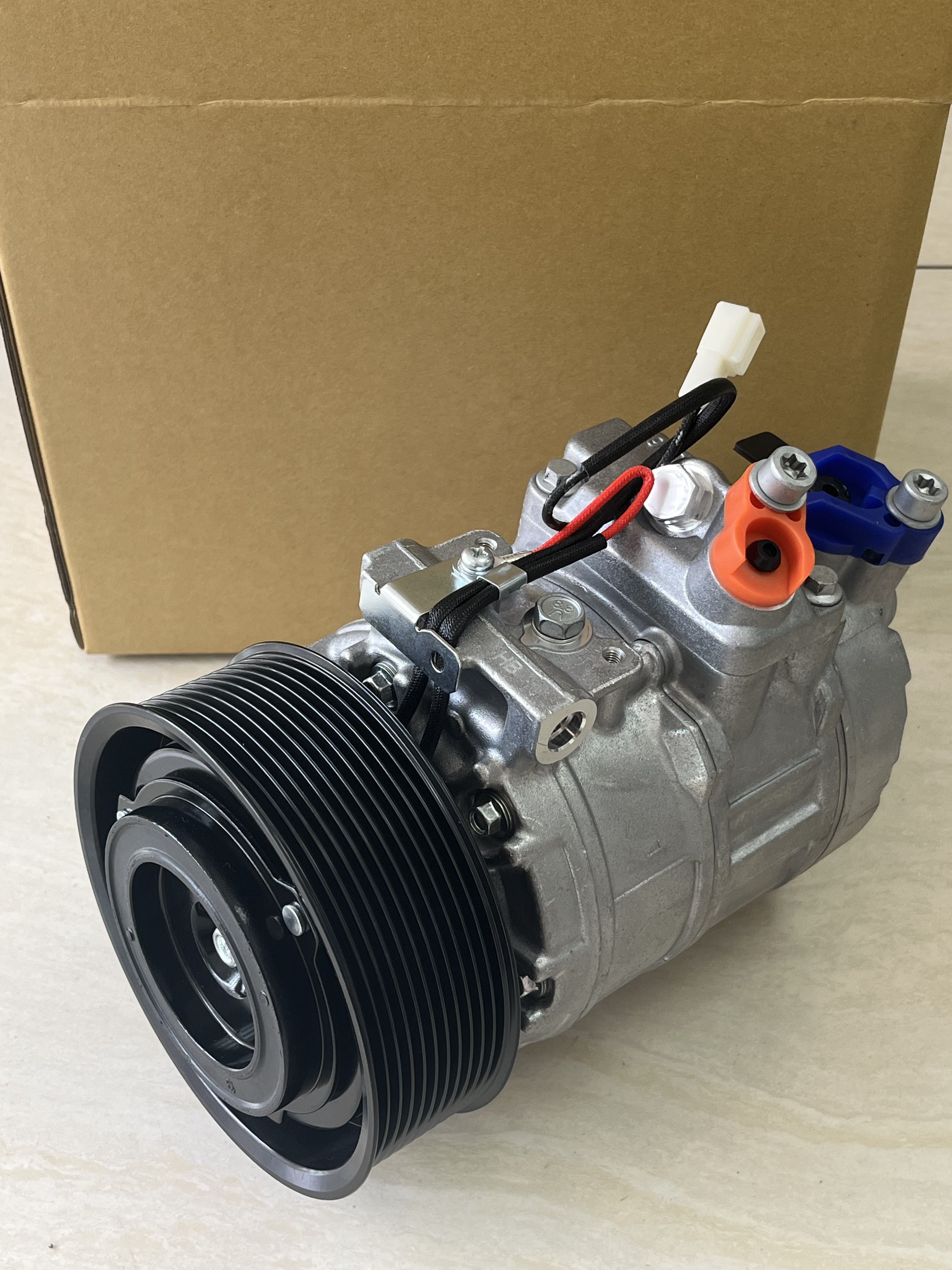
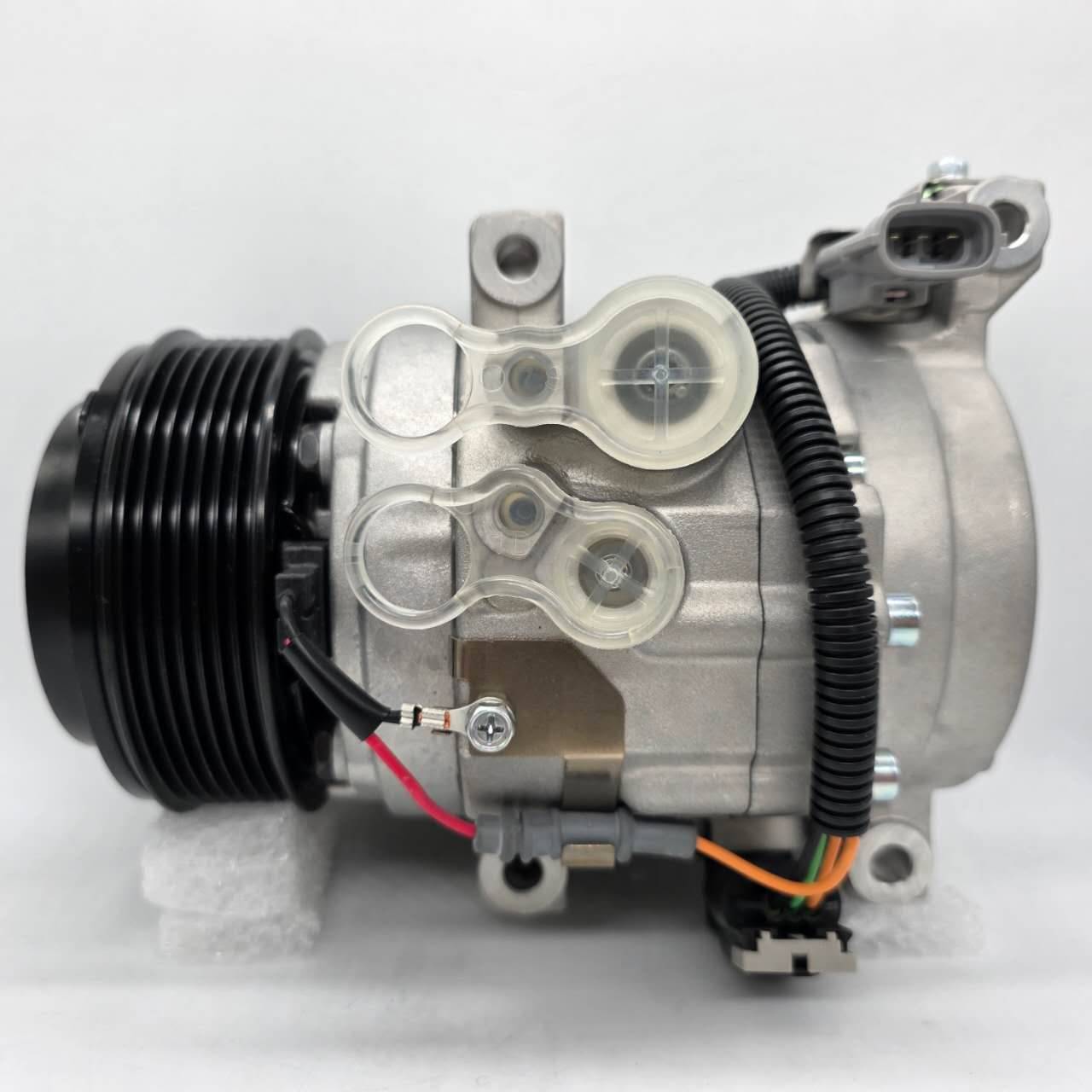
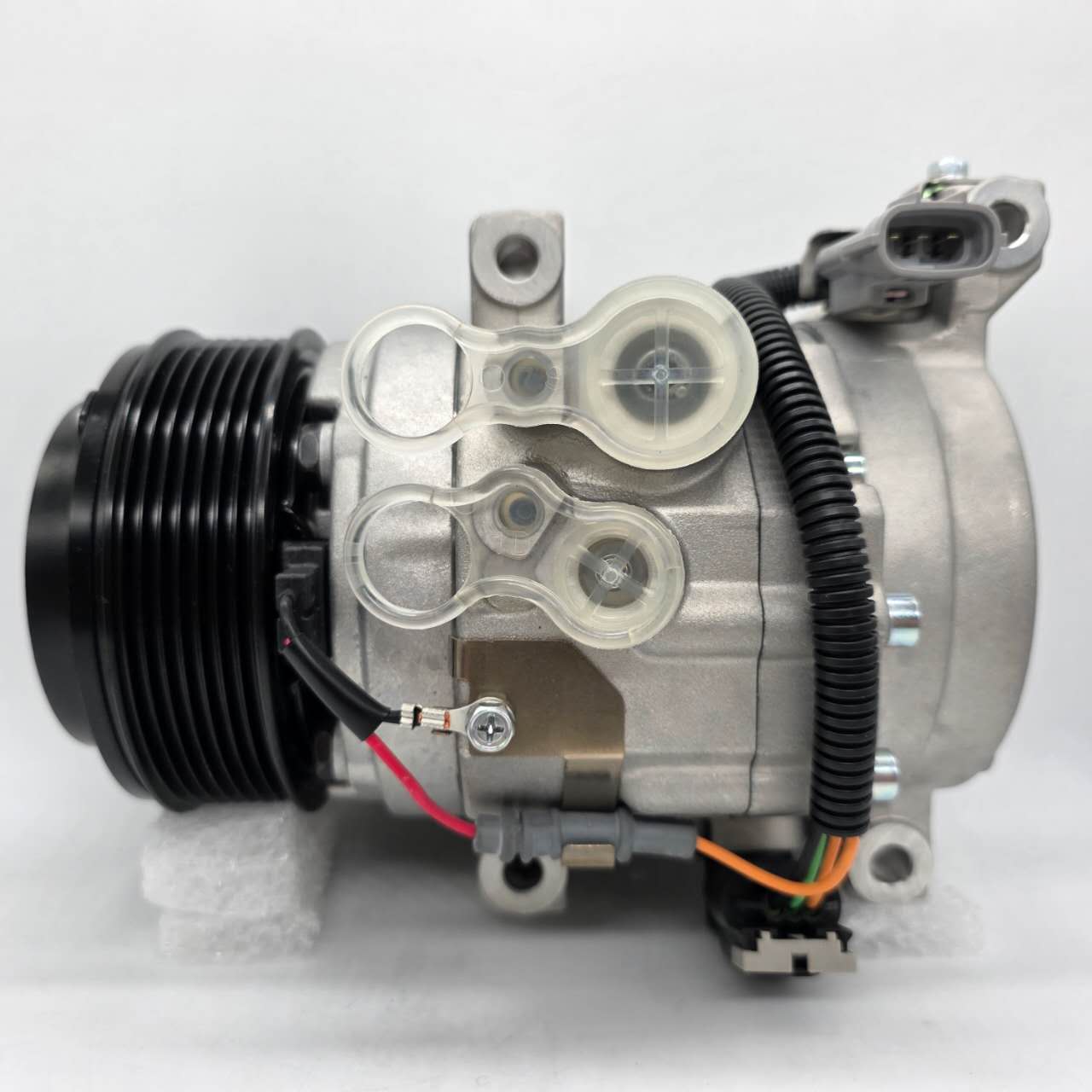
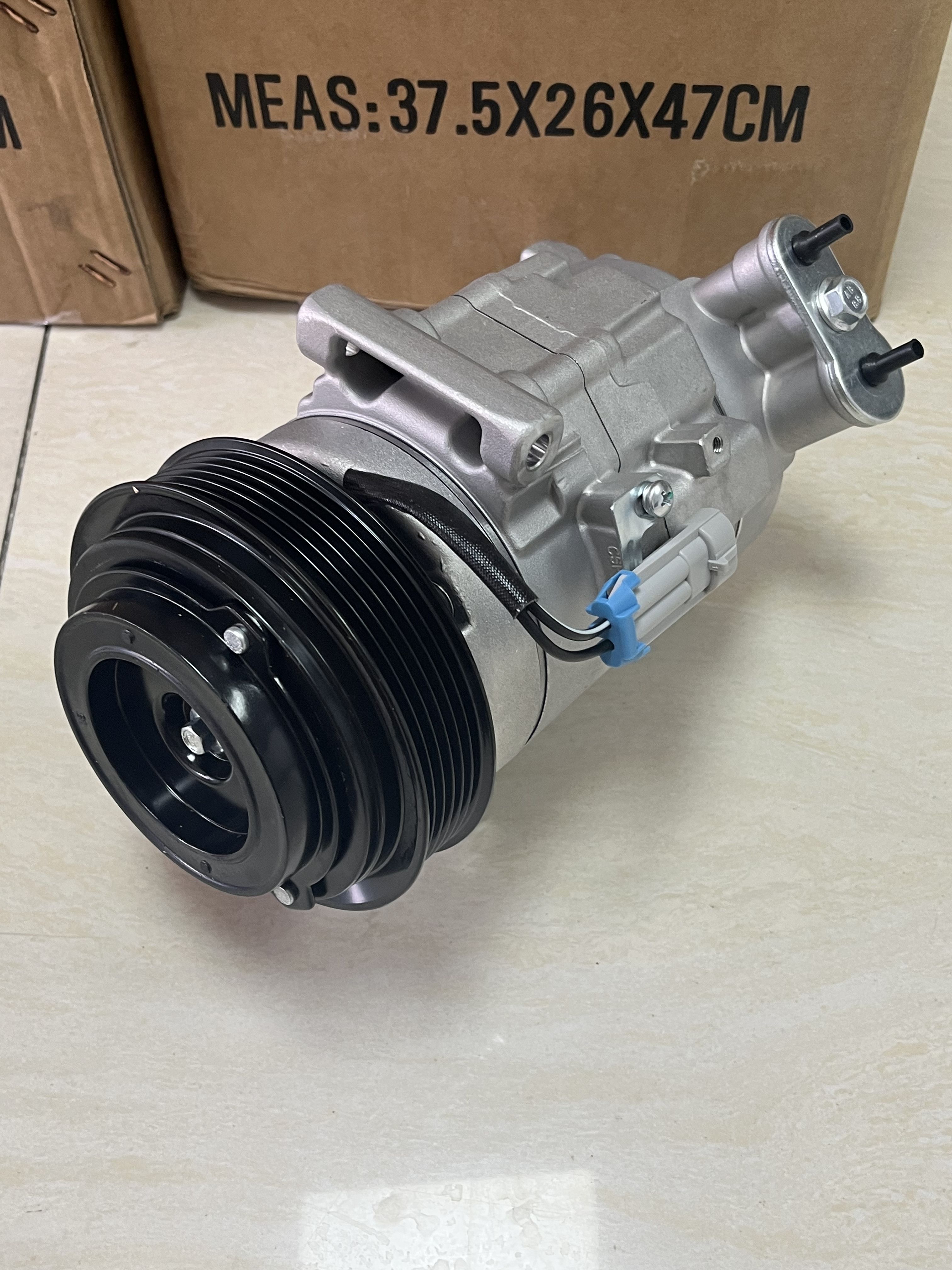
This unit appears to be a complete automotive air-conditioning compressor assembly. Based on the visible design, it includes a machined or cast aluminum alloy housing, a black multi-rib serpentine pulley, a front clutch face, mounting ears or brackets, an electrical connector, and refrigerant line ports. Those visible elements make it a practical option for vehicle HVAC repair because the buyer can evaluate the hardware layout before installation. From the image alone, the exact model, refrigerant specification, and vehicle compatibility cannot be confirmed, so fitment should always be checked against the target platform.
Key Specifications and Visible Features
Construction
The main body looks like cast aluminum or aluminum alloy, a common choice for a vehicle air conditioner compressor because it balances weight, corrosion resistance, and machinability. The front section is black coated metal, with a serpentine belt pulley visible at the nose of the assembly.
Assembly Details
Visible features include the clutch face, mounting ears, connector interface, and refrigerant connection points. These components matter during service work because technicians need a compressor that aligns with the belt drive, bracket system, and hose routing of the vehicle.
Packaging Size
The box marking shows an overall package size of 37.5 x 26 x 47 cm, which is useful for warehouse handling, shipping planning, and shelf allocation.
Materials and Finish Options
The compressor housing appears to use aluminum or aluminum alloy, while the pulley and front drive area are darker coated metal. That material mix is typical in auto air conditioning parts because it supports strength and heat dissipation while keeping the assembly manageable for service installation. Finish details visible in the image include a silver machined/cast exterior and a black coated drive end. Any internal coatings, seals, or surface treatments are not identifiable from the image and should be confirmed with the supplier.
Manufacturing and Assembly Considerations
In a compressor for car AC applications, manufacturing quality is not only about the housing. Shaft alignment, pulley concentricity, seal integrity, and the fit of the electrical connector all affect installation and service life. A unit that is fully assembled with the pulley/clutch set and ports in place can reduce labor time during replacement, especially in busy repair environments. If this is an OEM-style replacement or aftermarket assembly, the buyer should verify the mounting geometry, connector style, and hose port arrangement before ordering in quantity.
Typical Application Scenarios
This type of car AC replacement compressor is used in passenger car A/C repair, light-duty vehicle HVAC maintenance, and compressor swap jobs where the original unit has seized, lost efficiency, or developed clutch-related issues. It may also be selected for service centers that keep frequently replaced automotive air conditioning compressor units in stock to reduce vehicle downtime. Because compatibility is not identifiable from the image alone, it should be matched to the specific vehicle platform rather than chosen by appearance only.
Quality Control and Fitment Checks
Before installation, buyers and technicians should inspect connector orientation, mounting ear positions, pulley alignment, and refrigerant port configuration. For any car AC compressor, proper flushing, correct oil management, and system evacuation are important parts of the repair process, although the exact service procedure depends on the vehicle and compressor type. Since exact displacement and refrigerant type are unknown here, those details must be confirmed from the application data or supplier documentation.
Customization and Buyer Decision Factors
When sourcing auto air conditioning parts, the most important decision factors are fitment, connector style, pulley configuration, bracket geometry, and whether the unit is intended as an OEM replacement or an aftermarket alternative. Buyers should also confirm if the compressor is new or remanufactured, check the refrigerant compatibility, and review any required accessories such as seals or oil. For bulk purchasing, packaging dimensions and installation readiness are also important.
Request the Right Replacement Unit
If you are sourcing an auto ac compressor for repair or inventory, share the vehicle model, year, engine details, and existing compressor part number with the supplier. That information helps verify compatibility and prevents installation delays. Contact us to confirm fitment and discuss the right compressor replacement for your vehicle air-conditioning service needs.