

 AUTO AC COMPRESOR MANUFACTURER for Vehicle Cooling Replacement Needs
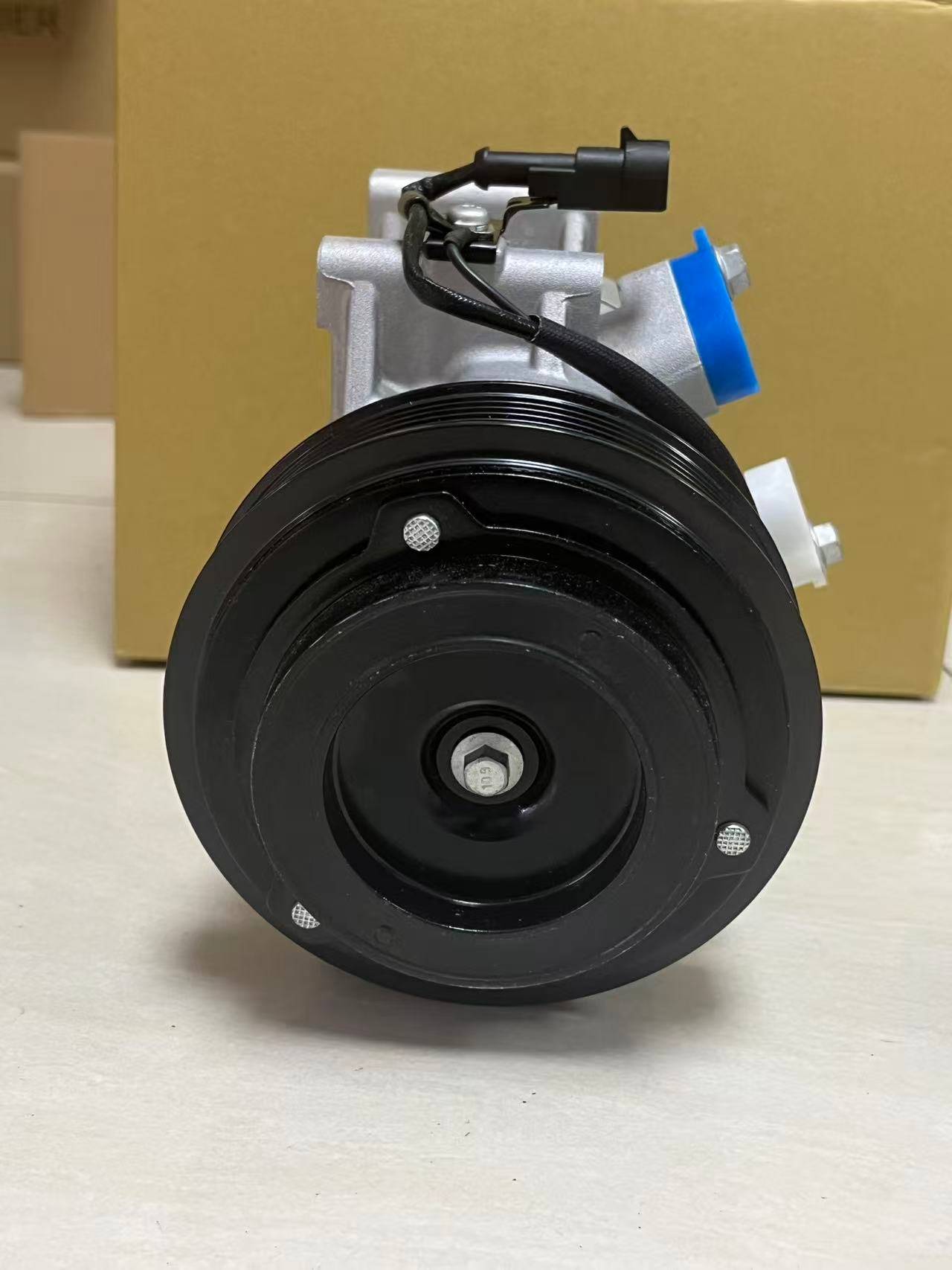
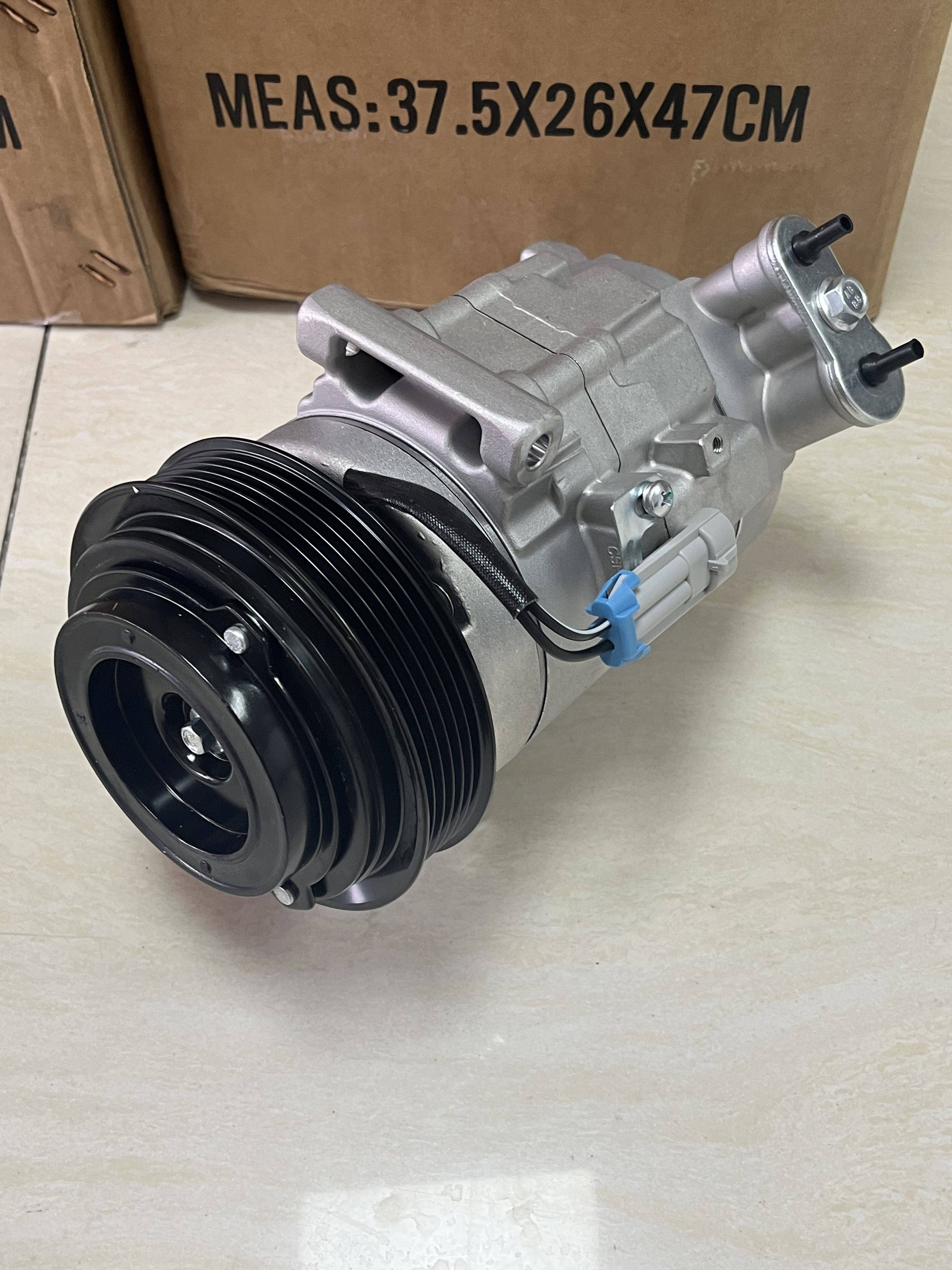
An AUTO AC COMPRESOR MANUFACTURER helps buyers solve a practical problem: restoring cabin cooling when the original compressor is worn, noisy, leaking, or no longer building pressure correctly. In vehicle air-conditioning repair, downtime often comes from finding a compressor assembly that matches the system layout and fits the available installation space. This automotive belt-driven compressor is presented as a compact replacement-style unit with a front pulley/clutch assembly, cast aluminum housing, and visible refrigerant ports, making it relevant for aftermarket supply and workshop maintenance.
Product Overview
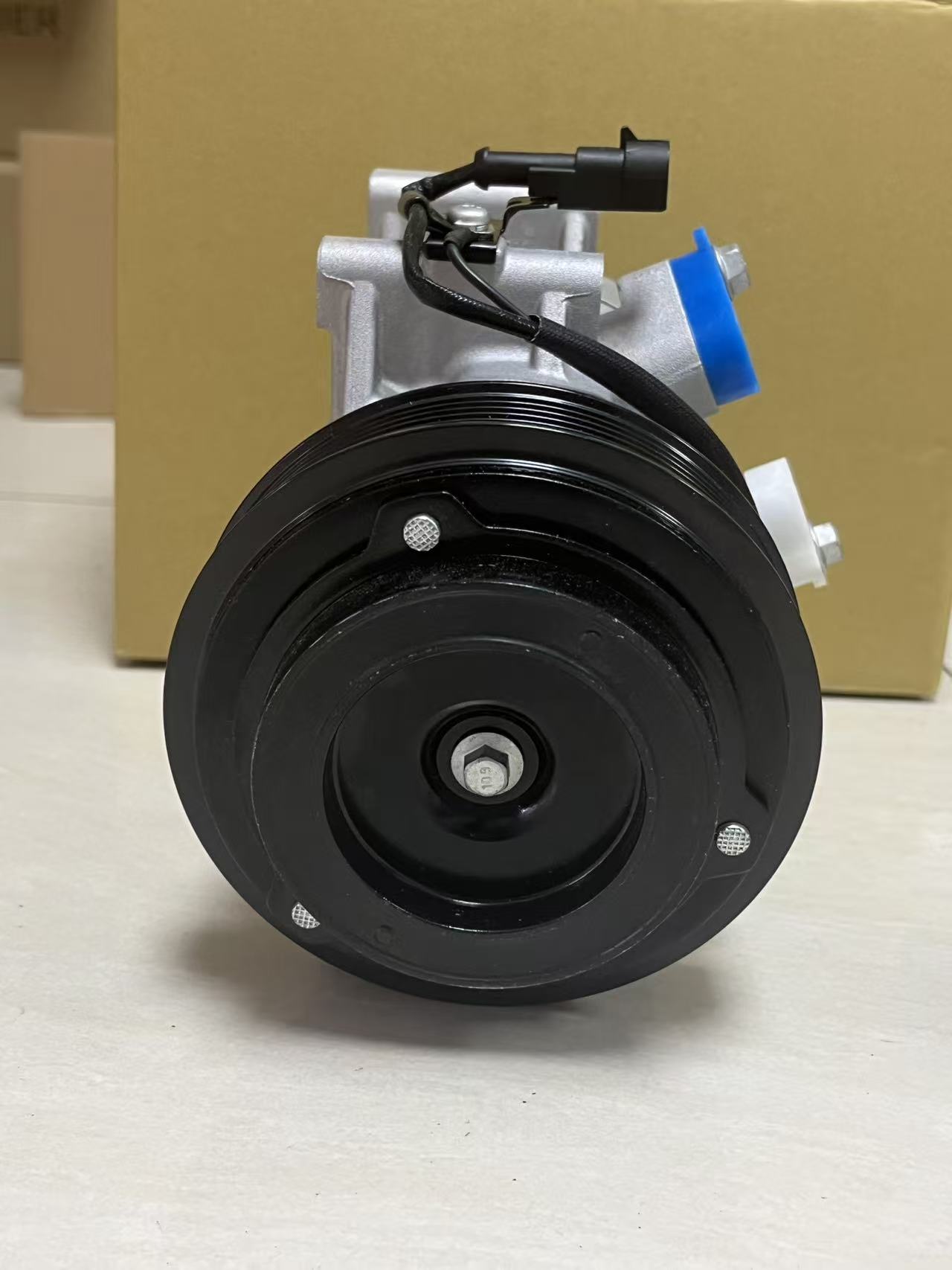
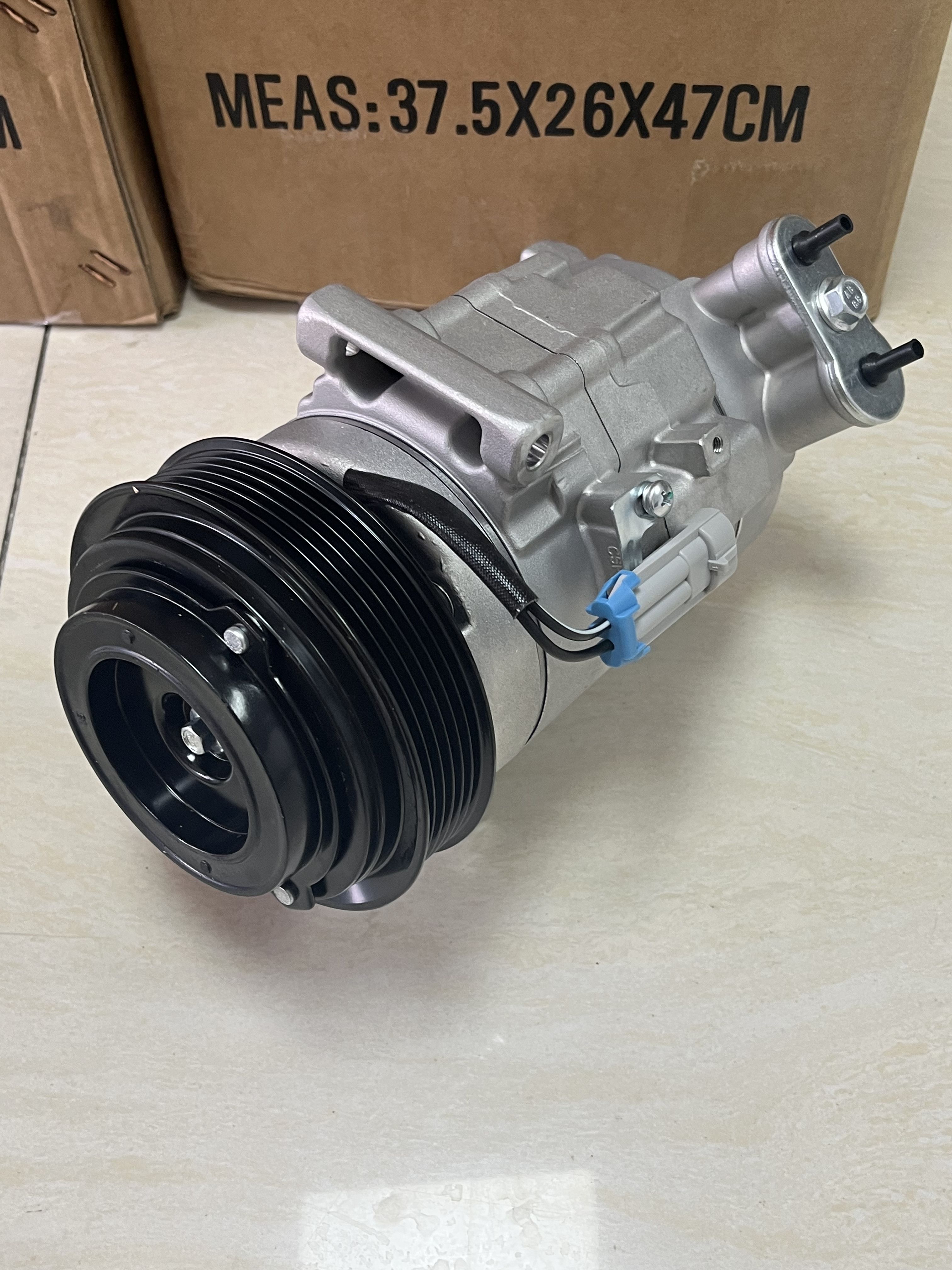
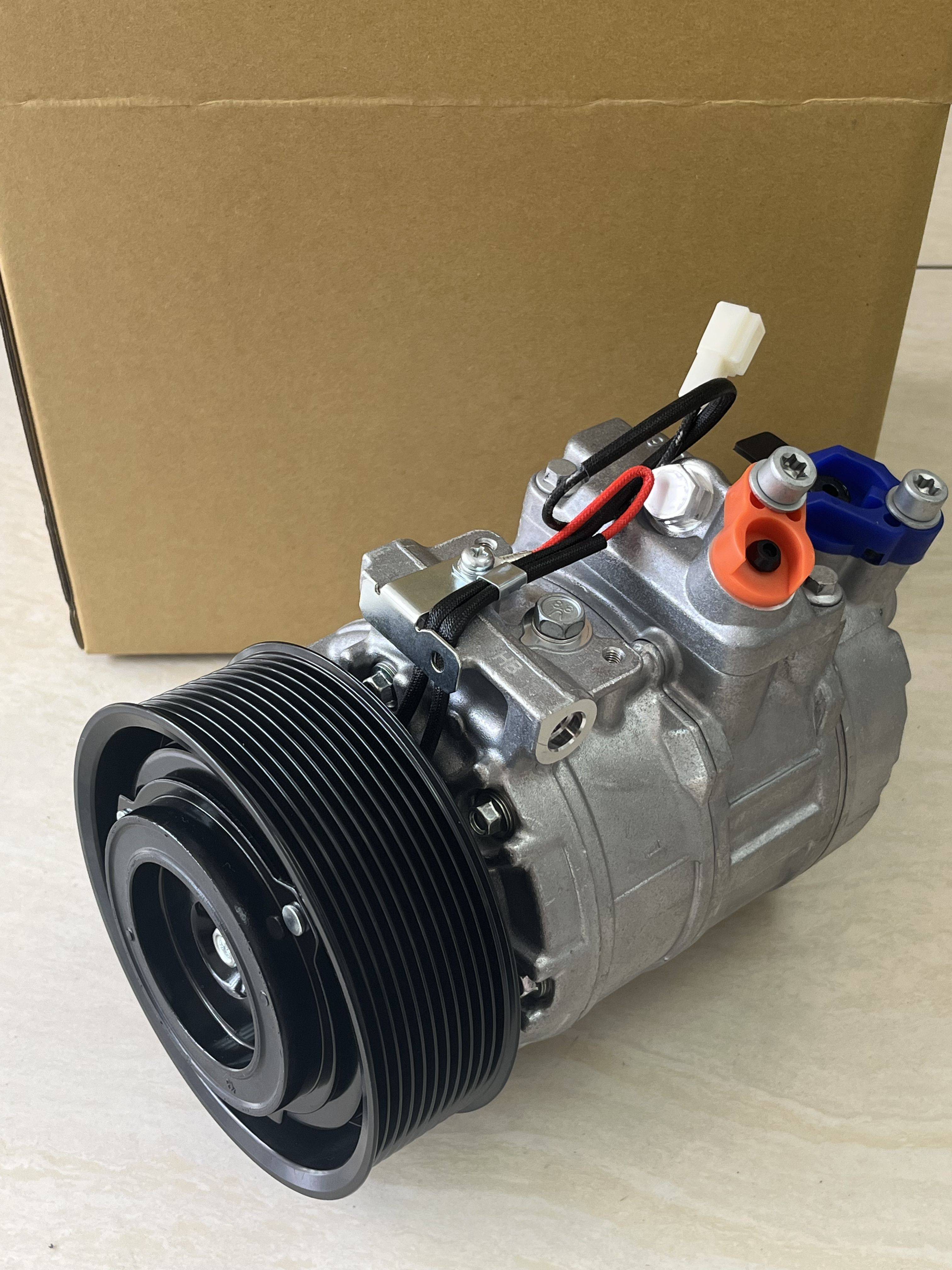
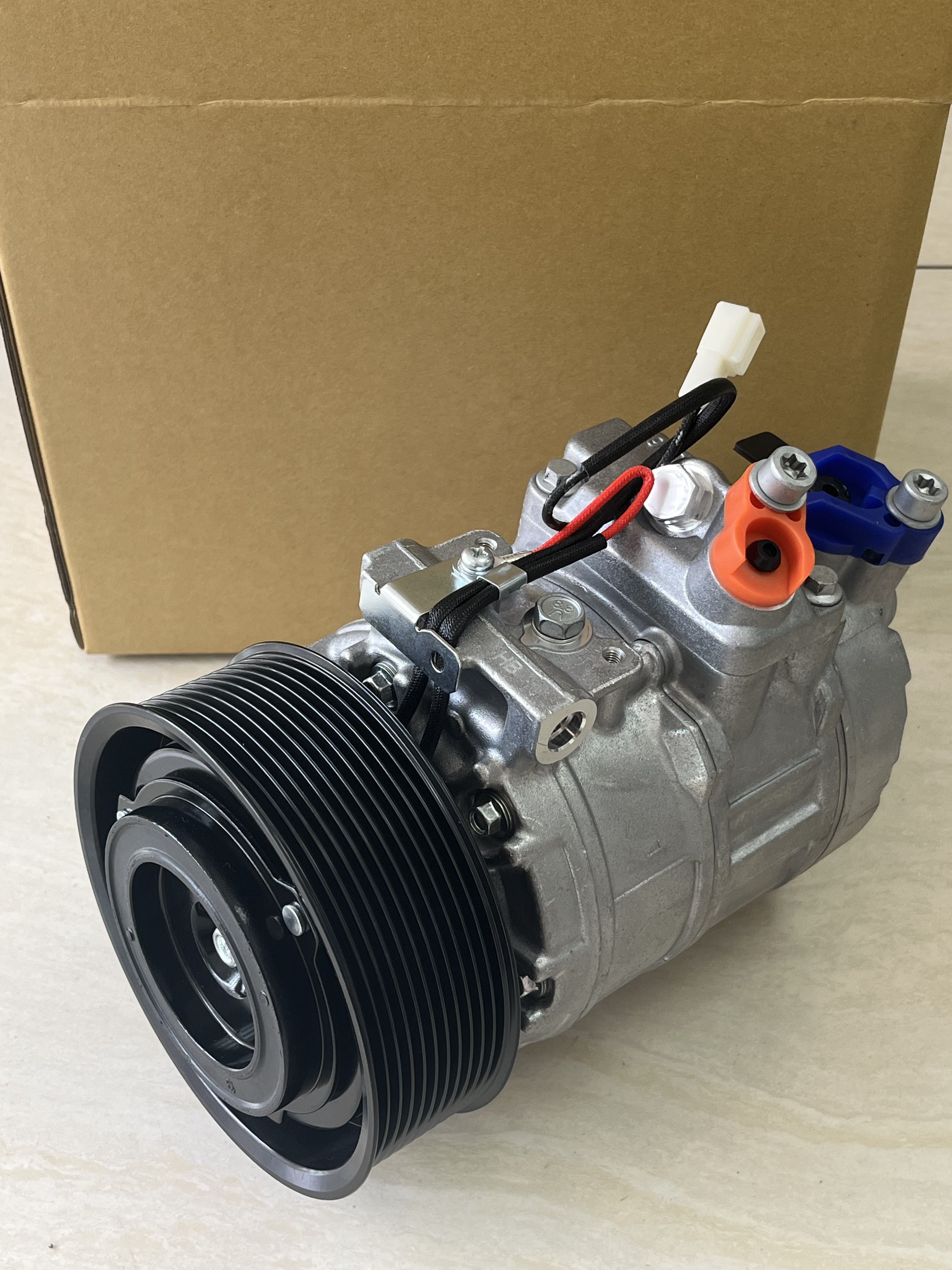
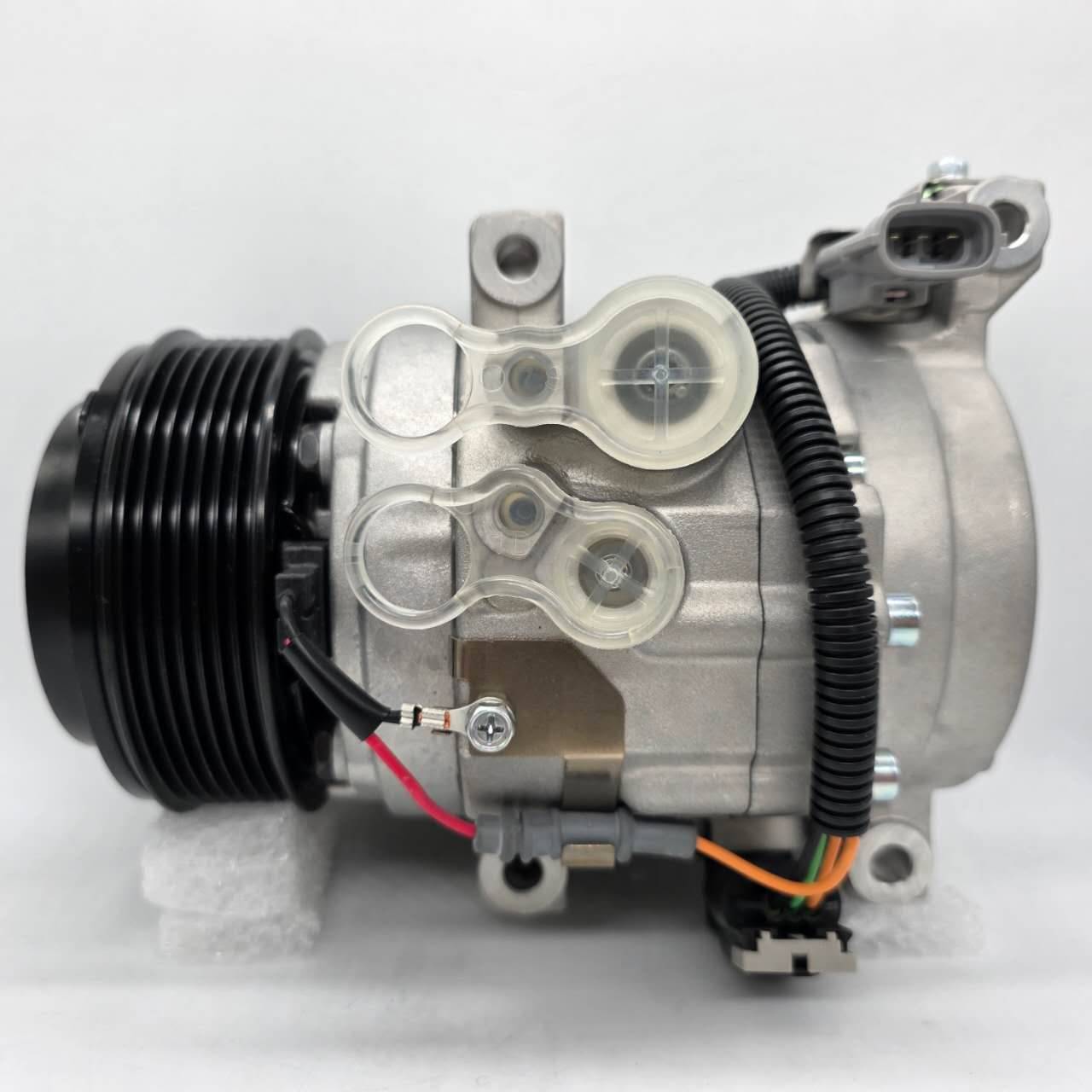
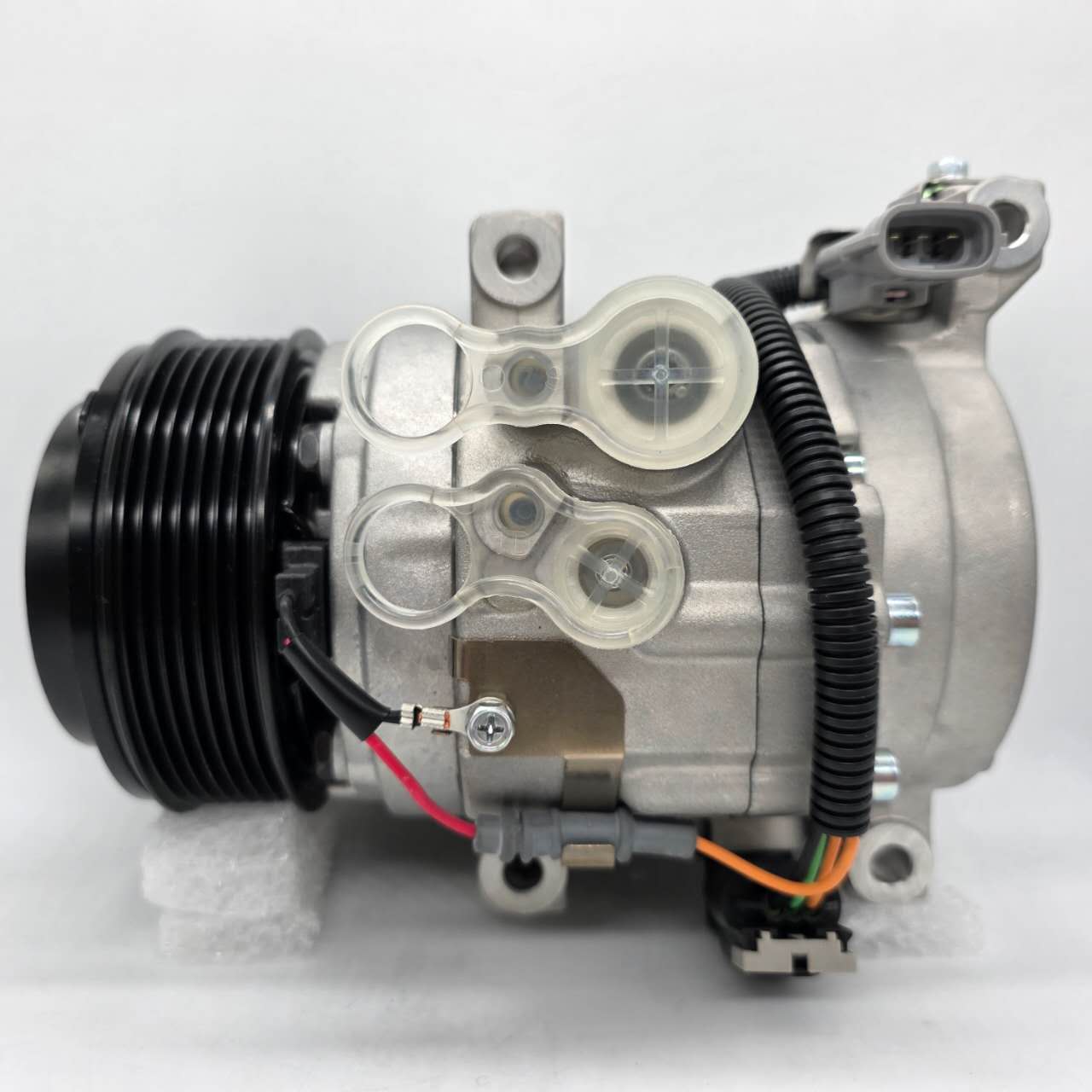
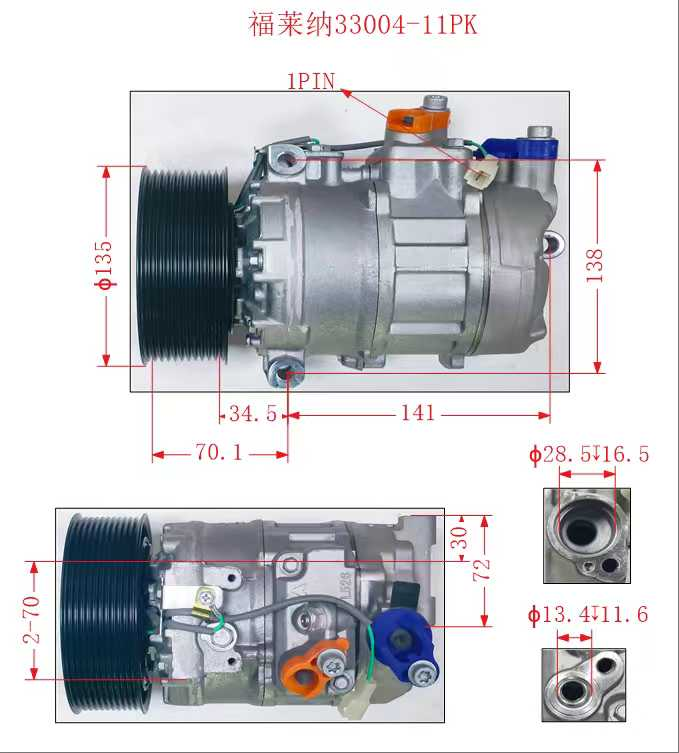
This AUTO AC COMPRESSOR is a belt-driven automotive HVAC component intended for use in a vehicle A/C system. Based on the visible design, it includes a cylindrical cast body, front drive pulley, mounting lugs, and multiple connection points for refrigerant lines and control interfaces. The image suggests an OEM-equivalent or replacement-grade assembly, but the exact compressor type, vehicle compatibility, and internal displacement are not confirmed here and should be verified against the buyer’s application.
For buyers, the main value is straightforward: replace a failed compressor with a unit that matches the external form, port arrangement, and installation envelope as closely as possible. That helps reduce workshop rework, avoids unnecessary hose modification, and supports a faster return to service.
Visible Specifications and Dimensional Reference
The provided image shows several measurable external dimensions that can be useful during sourcing and fit-checking. Visible marked values include an overall front-side dimension of about 141 mm, overall height of about 138 mm, and pulley outside diameter of Ø135 mm. Additional marked values include 70.1 mm, 34.5 mm, 72 mm, and port-related dimensions such as Ø28.5 / Ø16.5 and Ø13.4 / Ø11.6 in inset views.
These figures are helpful for preliminary comparison, especially when a service technician needs to verify whether the compressor will clear brackets, belts, guards, and adjacent engine-bay components. However, they should not be treated as a complete fitment specification because exact mounting pattern, groove count, shaft details, and internal performance data are not supplied.
Materials and External Construction
The housing appears to be silver/gray cast aluminum, a common choice for automotive compressor bodies because it balances strength, weight, and corrosion resistance. The front pulley/clutch assembly appears black and multi-ribbed, which is typical of belt-driven drive systems used in passenger and light commercial vehicles.
Visible fittings include at least two refrigerant ports and a top-side connector area marked “1PIN” in the image. A blue/orange cap or connector detail is also visible near the rear/top section. Since the exact electrical function is not confirmed, buyers should check whether the connector is for clutch control, sensor input, or another system interface before ordering in volume.
Manufacturing and Assembly Considerations
As an automotive HVAC component, this type of compressor is generally produced through casting, machining, sealing, bearing assembly, pulley installation, and final leak/rotation checks. For an AUTO AC COMPRESOR MANUFACTURER, the important manufacturing priorities are dimensional consistency, shaft and bearing alignment, refrigerant port integrity, and smooth pulley engagement. These factors directly affect service life and noise levels.
In procurement, it is also worth asking whether the unit is new, remanufactured, or built as an aftermarket equivalent. That distinction affects replacement strategy, warranty handling, and service expectations. The image alone does not confirm production route, so buyers should request clarification before purchase.
Application Scenarios
This kind of AUTO AC COMPRESSOR is suitable for vehicle air-conditioning repair, fleet maintenance, and aftermarket parts distribution. Workshops may use it when replacing a compressor that has seized, lost efficiency, or developed excessive bearing noise. Parts suppliers may stock it for common service demand where the external geometry matches an existing platform, though exact vehicle applications must be matched separately.
Because compressor installation often involves system flushing, receiver-drier replacement, belt inspection, and refrigerant recharge, the compressor should be considered one part of a complete repair plan rather than a standalone fix.
Quality Control and Buyer Checks
Before selecting this product, buyers should compare the visible dimensions, port layout, pulley alignment, and connector style with the removed unit. Important decision factors include mounting lug position, refrigerant port orientation, electrical interface, and available engine-bay space. If the application is sensitive, ask for a technical drawing, hole-center distances, and side-view photos.
Since exact pressure rating, refrigerant compatibility, and displacement are not provided, those details must be confirmed through supplier documentation or vehicle service data. That is especially important in automotive HVAC sourcing, where a visually similar compressor may still differ in connection pattern or control method.
Customization and Sourcing Guidance
For bulk buyers, an AUTO AC COMPRESOR MANUFACTURER can usually support application-specific packaging, label requirements, connector confirmation, and dimensional verification. If you need an AUTO AC COMPRESSOR for a particular workshop program or aftermarket catalog, request part comparison photos, technical drawings, and sample validation before mass ordering.
When sending an inquiry, include the old compressor photo, mounting details, port size measurements, pulley dimensions, and any visible connector markings. That information reduces mismatch risk and speeds up cross-reference work.
Contact for Technical Matching
If you are sourcing a replacement AUTO AC COMPRESSOR or evaluating this compressor for your catalog, contact us with your vehicle application details and dimensional requirements. We can help you confirm whether the external form and connection layout are suitable for your repair or distribution need.