

Auto AC Compressor for Vehicle Air Conditioning Repair
An auto ac compressor is the core component that moves refrigerant through a vehicle’s air-conditioning system. When the compressor wears out, seizes, leaks, or loses efficiency, the cabin cooling cycle breaks down and the driver is left with weak airflow or warm air from the vents. For repair shops, fleet operators, and parts buyers, the main job is finding a replacement that matches the vehicle’s belt drive layout, line connections, and mounting points without adding installation problems.
Product Overview
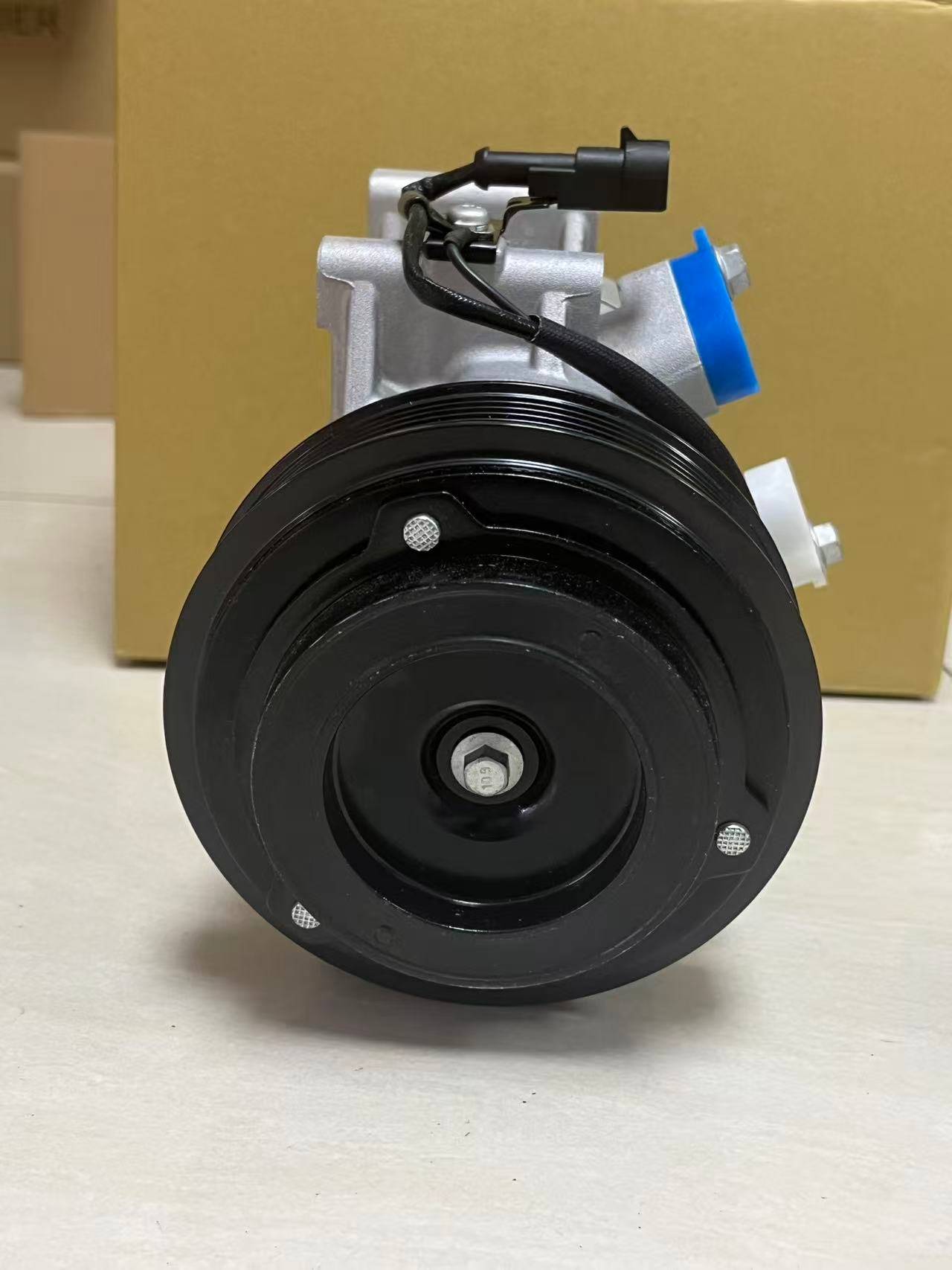
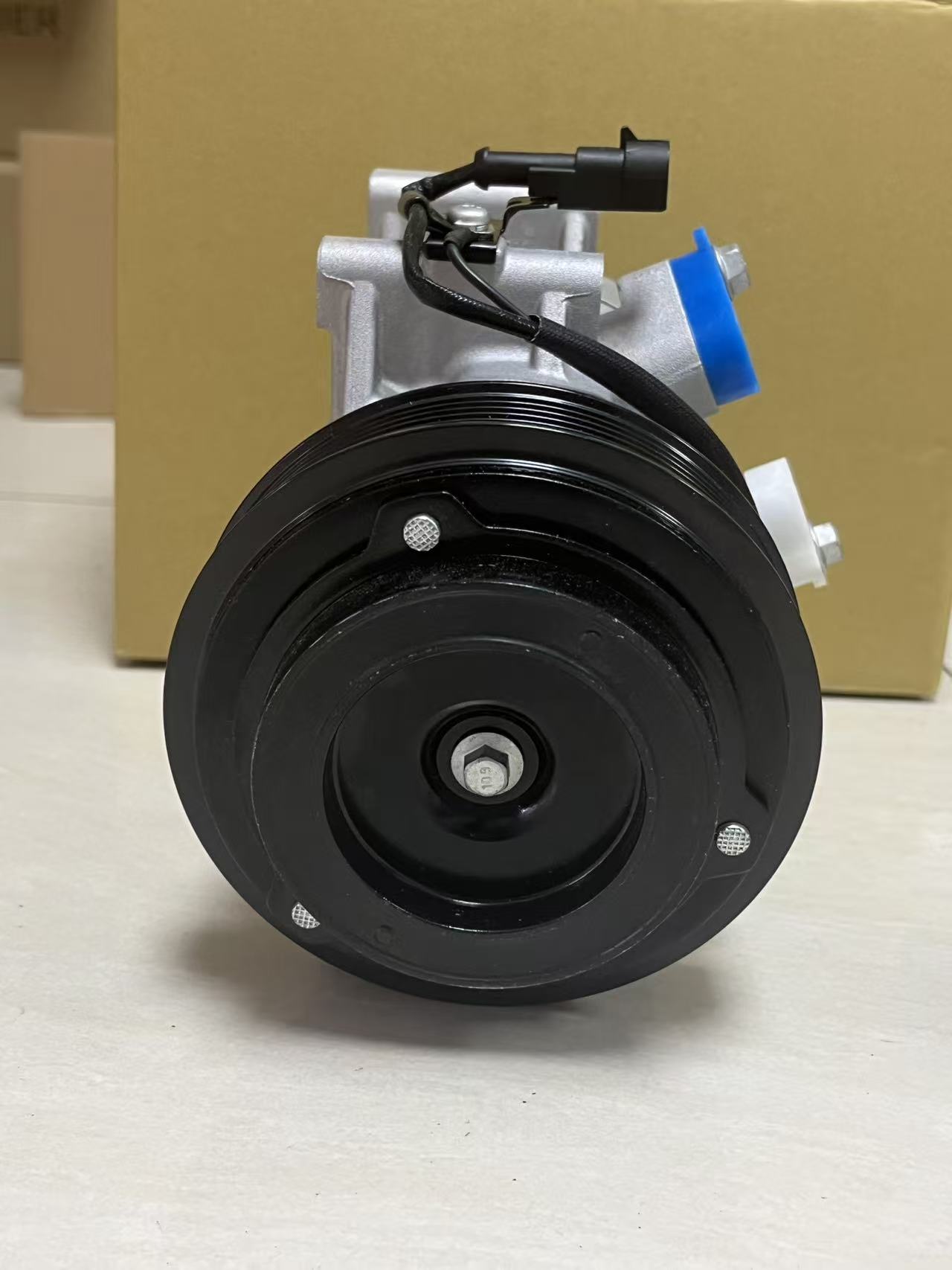
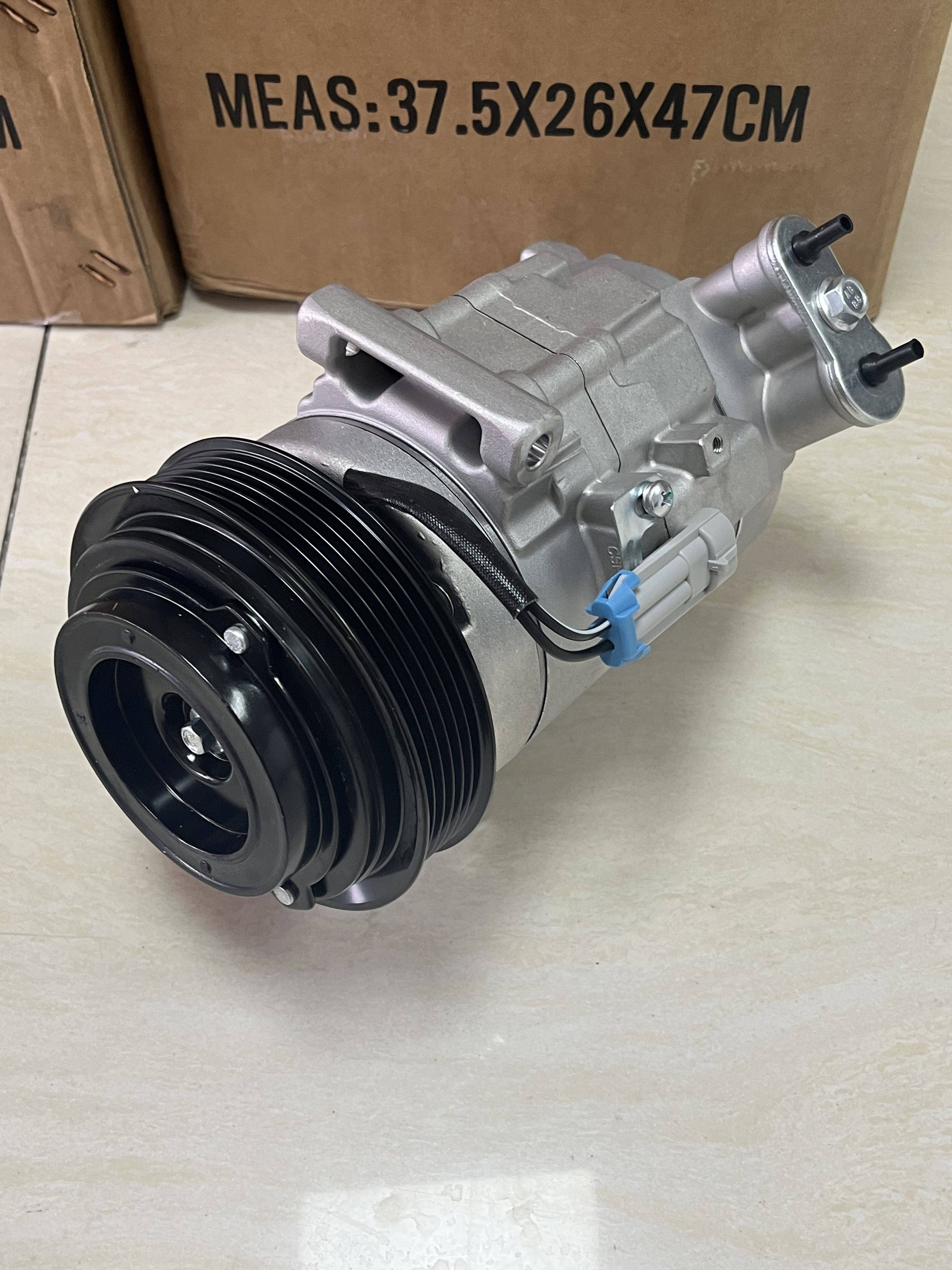
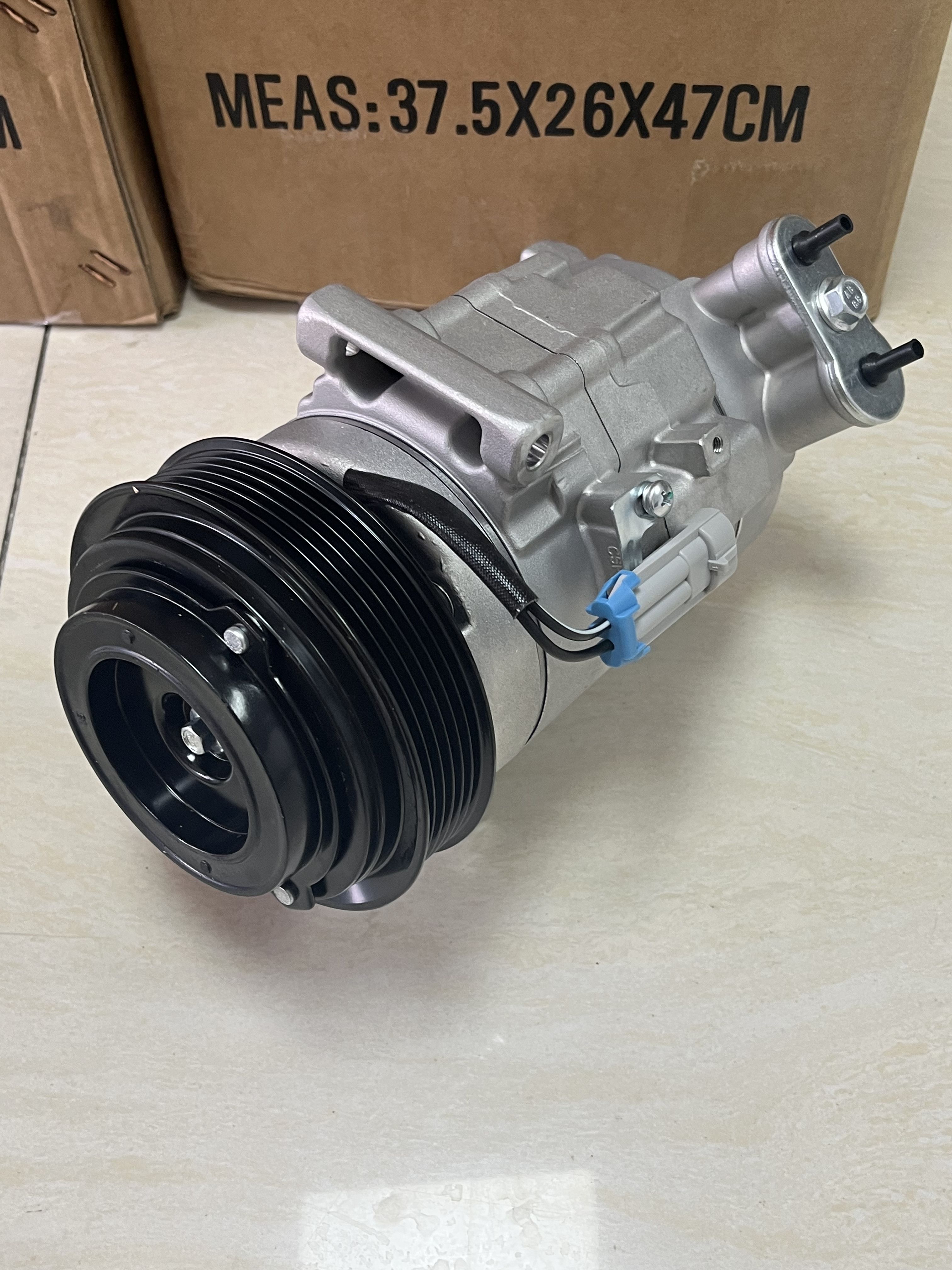
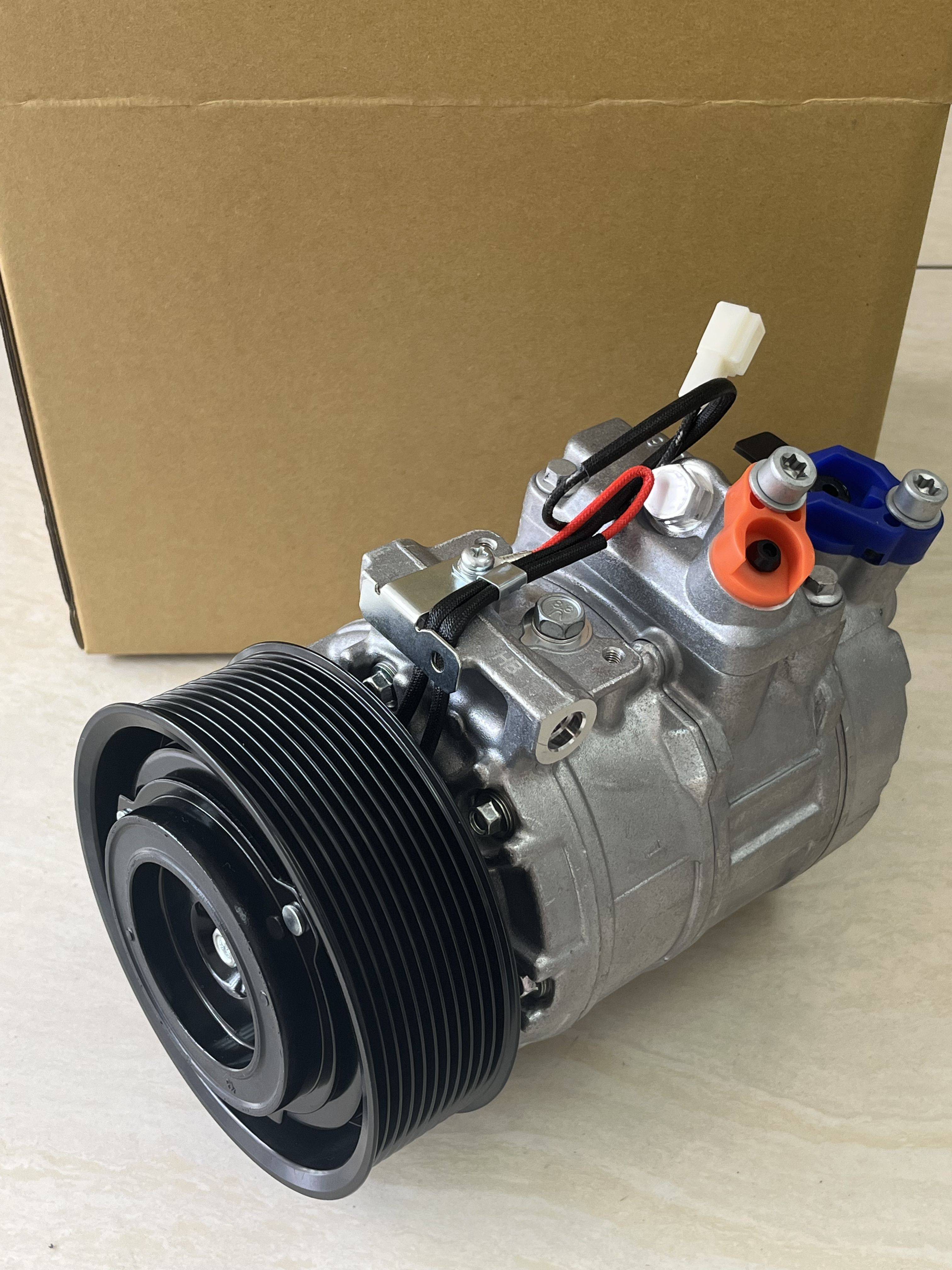
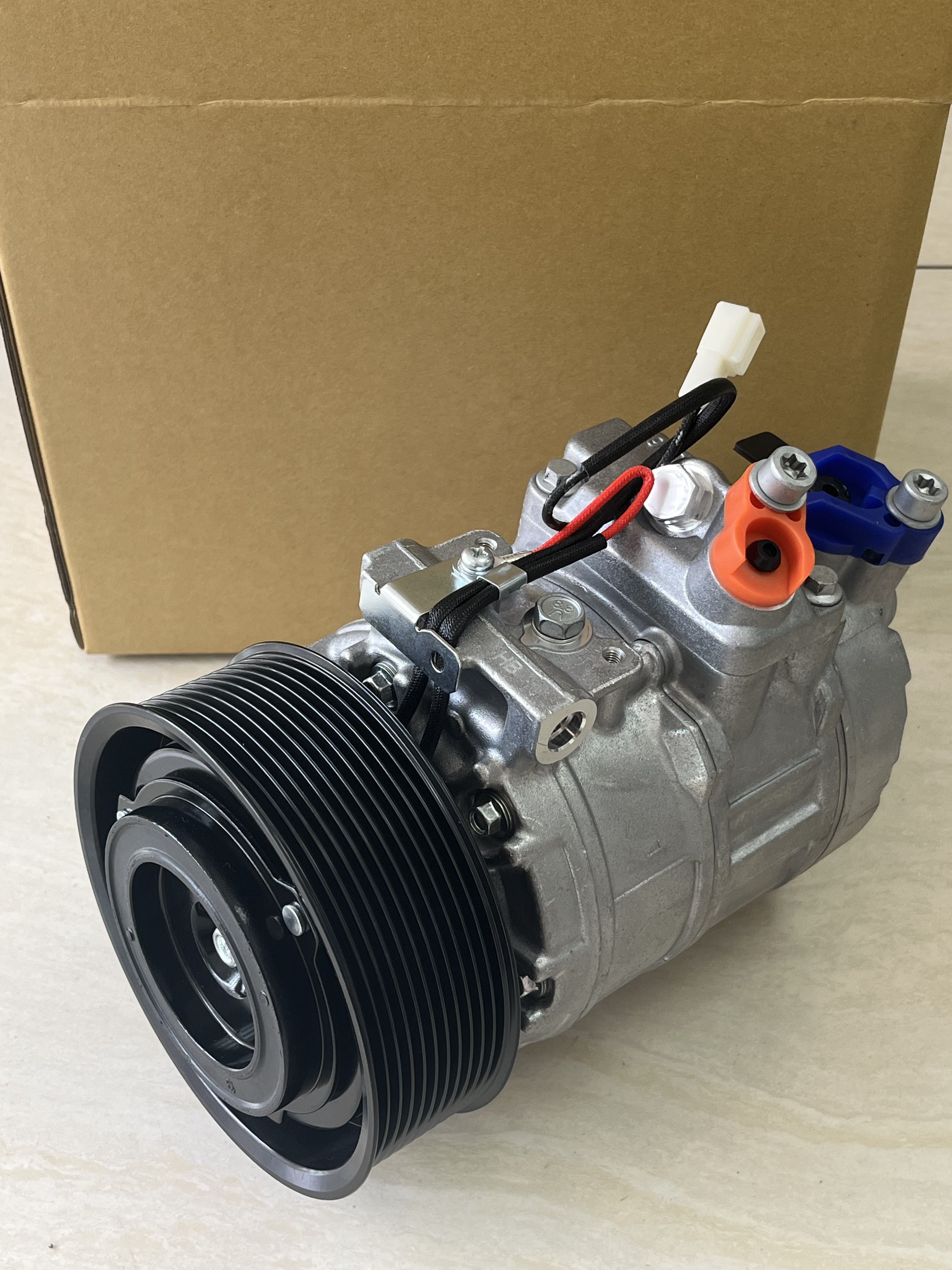
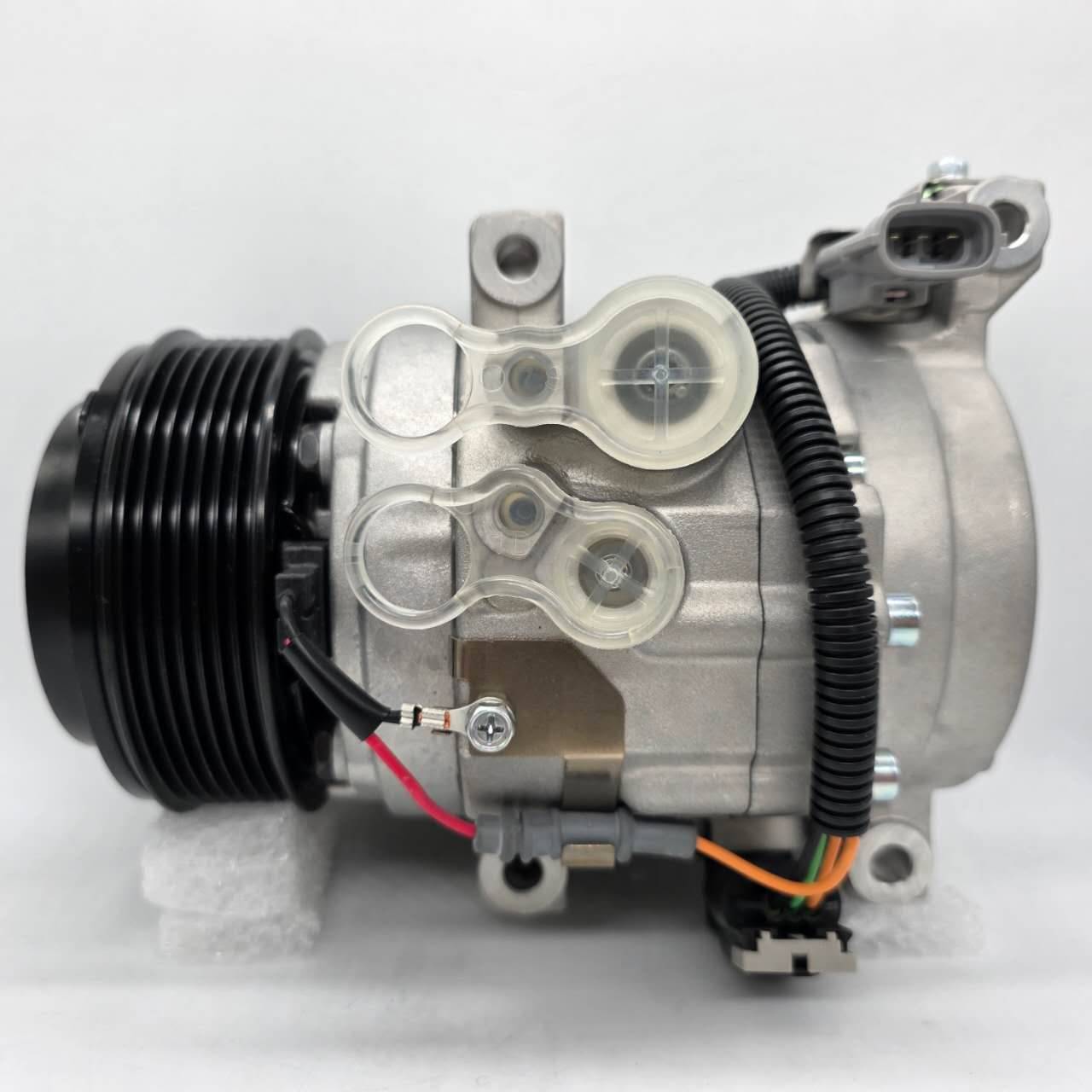
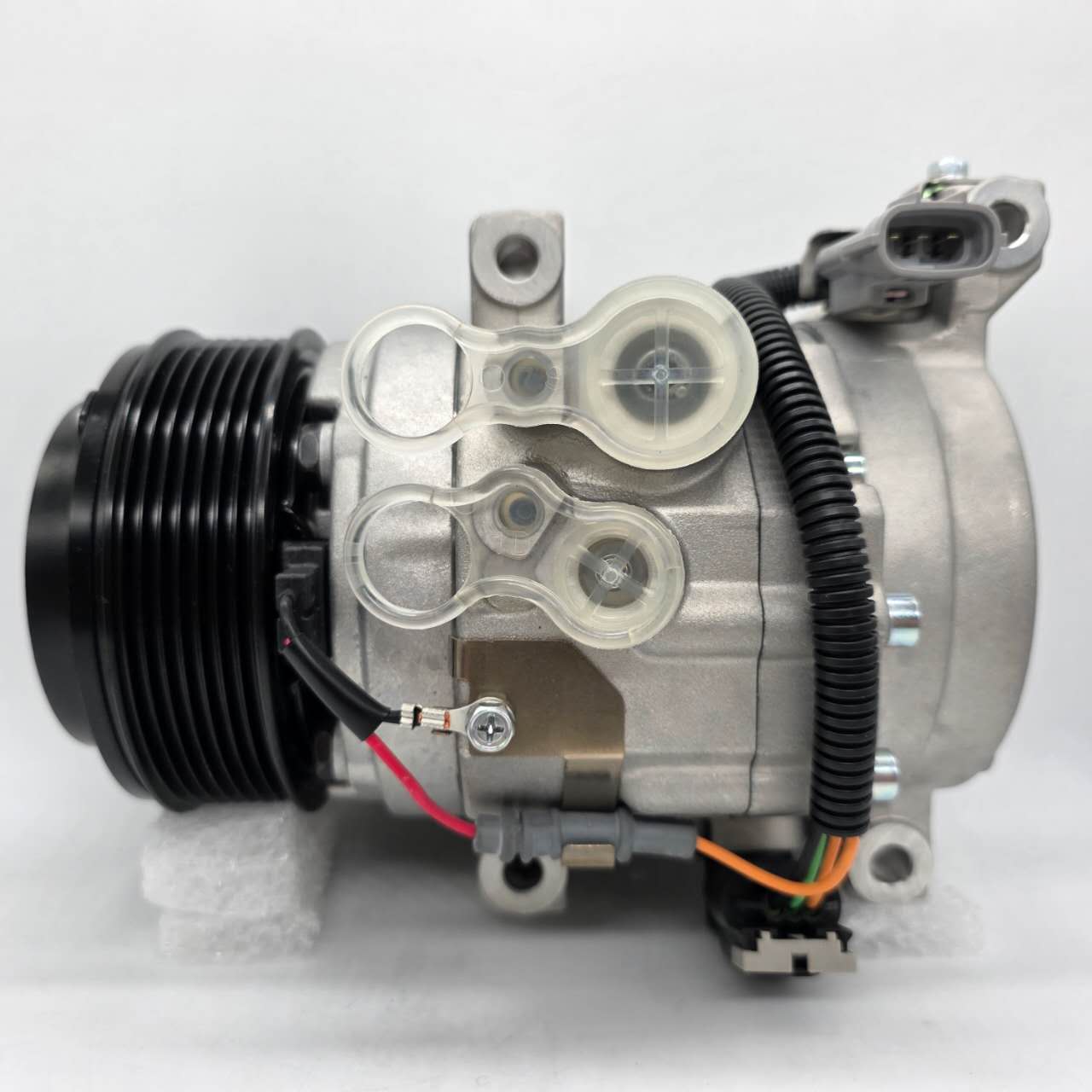
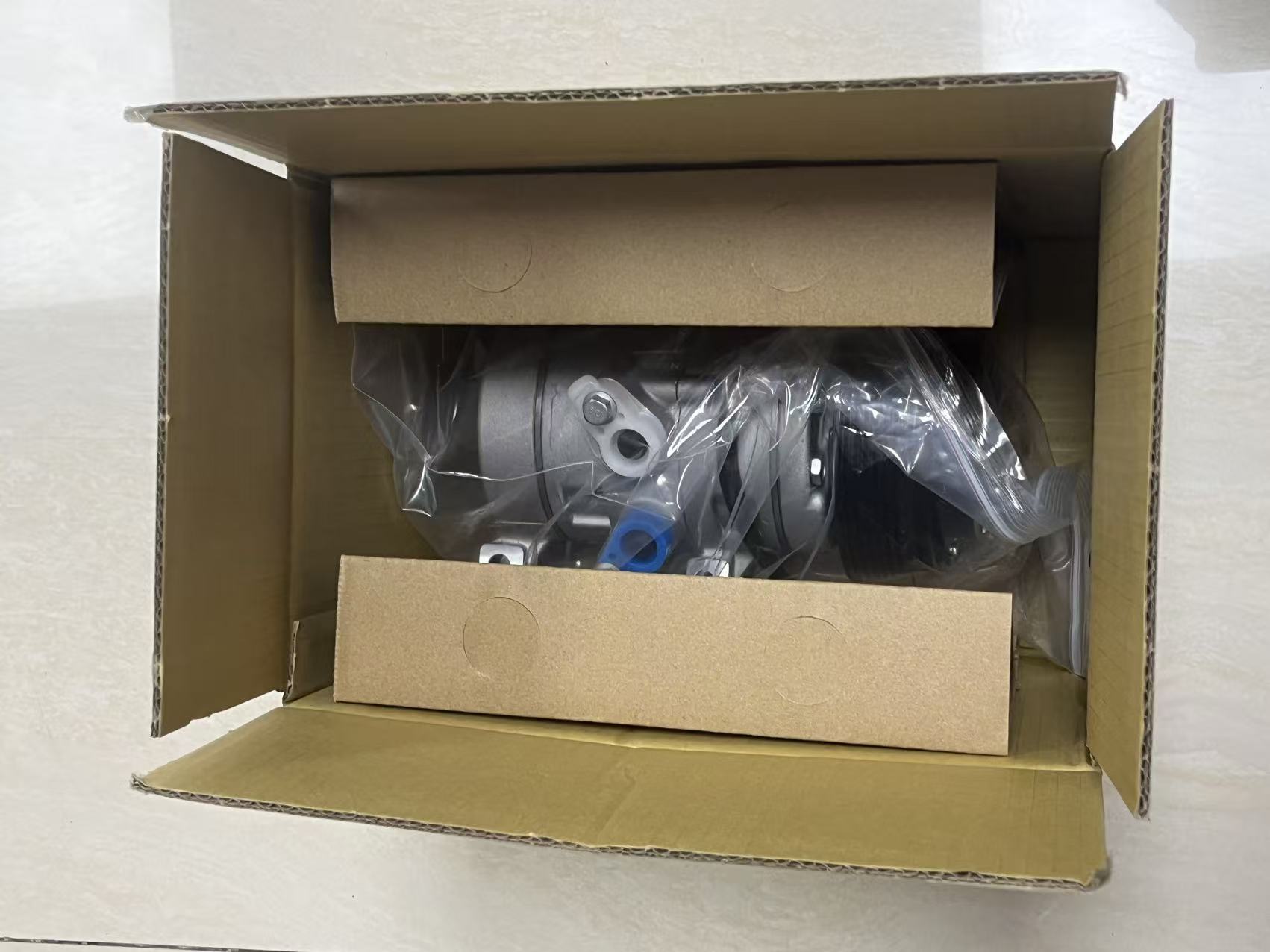
This unit is an automotive belt-driven air-conditioning compressor designed for vehicle HVAC systems. Based on the visible construction, it features a cast aluminum housing, machined mounting ears, a front serpentine pulley/clutch assembly, and protected refrigerant ports. The layout suggests a complete compressor assembly intended for replacement use in passenger cars, light trucks, or off-road vehicles that use a serpentine-belt accessory drive.
Because exact make, model, displacement, and refrigerant type are not supplied, compatibility should be confirmed by part number, connector style, port shape, and mounting pattern before purchase. That is especially important for anyone planning an AC compressor replacement on a vehicle with limited service access.
Visible Construction and Key Features
Housing and Mounting
The body appears to be a cast aluminum compressor shell with machined surfaces for accurate installation. Multiple mounting points are visible, which helps the compressor sit securely in the engine bay and align with the belt drive system.
Pulley and Front Drive Section
A black multi-rib serpentine pulley is visible at the front. This indicates a belt-driven design commonly used in modern vehicles. The clutch or drive section is integrated at the front face, allowing the compressor to be driven by the engine accessory belt when the A/C system is engaged.
Refrigerant Ports and Electrical Connection
The compressor shows refrigerant line ports with protective blue and white caps or inserts. Those covers help keep dirt and moisture out during shipping and storage. An electrical connector or sensor lead is also visible, which may be used for control, monitoring, or clutch operation depending on the vehicle system. The exact function cannot be confirmed from the image alone.
Materials and Finish Options
Visible parts suggest a metal housing with a silver-gray machined finish, black pulley components, and plastic protection caps on the ports. In this category, buyers often look for clean machined surfaces, corrosion-resistant exterior treatment, and accurate port sealing during storage and transit. If you need a new AC compressor for vehicle service, these details matter because they reduce contamination risk during installation.
Manufacturing Process
From the visible construction, the compressor likely involves casting, machining, assembly, and functional sealing steps. A typical process in this product category includes:
- casting the main housing
- machining the mounting and sealing surfaces
- assembling the pulley, clutch area, and shaft components
- installing ports, sensors, and protective fittings
- checking sealing points before packaging
The exact internal compressor design is not confirmed, so it should not be assumed to be a specific type without documentation.
Application Scenarios
This automotive AC compressor is suitable for practical repair and maintenance use in several settings:
- air conditioning restoration for daily-use passenger vehicles
- fleet maintenance where downtime must be minimized
- repair shops handling refrigerant circuit faults
- aftermarket distribution for shops and parts resellers
- off-road or utility vehicles with belt-driven HVAC systems
For anyone searching to buy car AC compressor components, the key question is whether the port arrangement and bracket geometry match the existing vehicle.
Quality Control Considerations
Without test data, it is best to focus on inspection points that can be verified before installation. Check the housing for casting defects, make sure the pulley rotates smoothly by hand if appropriate, inspect the ports for clean sealing surfaces, and confirm that the connector is intact. Proper packaging with protective caps is also important because contamination inside the refrigerant circuit can damage the entire system.
Customization and Buyer Guidance
Buyers comparing an air conditioner compressor for cars should review the following before ordering:
- mounting hole pattern and bracket orientation
- pulley rib count and belt alignment
- refrigerant line port shape and size
- electrical plug configuration
- vehicle model, engine type, and year reference
If you are evaluating auto AC compressor price, compare more than cost alone. Installation fit, port compatibility, and return risk usually matter more than a small price difference.
When to Replace the Compressor
Common reasons include shaft noise, belt drag, refrigerant leakage, poor cooling, seized pulley behavior, or metal contamination in the system. If the compressor has failed internally, the repair may require flushing related components and replacing the receiver-drier or accumulator depending on the vehicle’s service procedure.
Request a Matching Part
If you need help identifying this car AC compressor for a specific vehicle, share the OEM number, photos of the old unit, port layout, connector view, and mounting side. That information makes it easier to confirm the correct replacement and avoid installation delays.