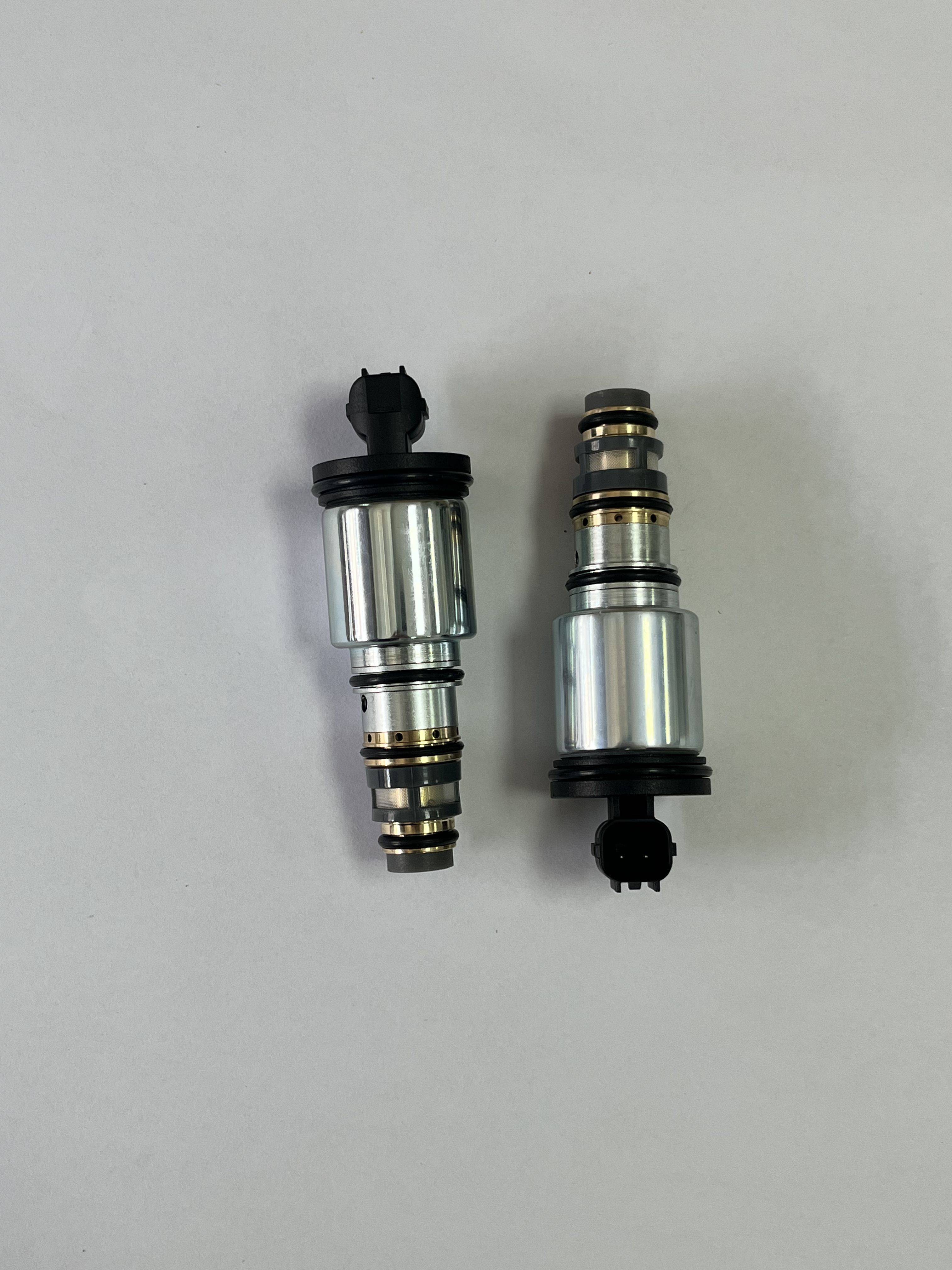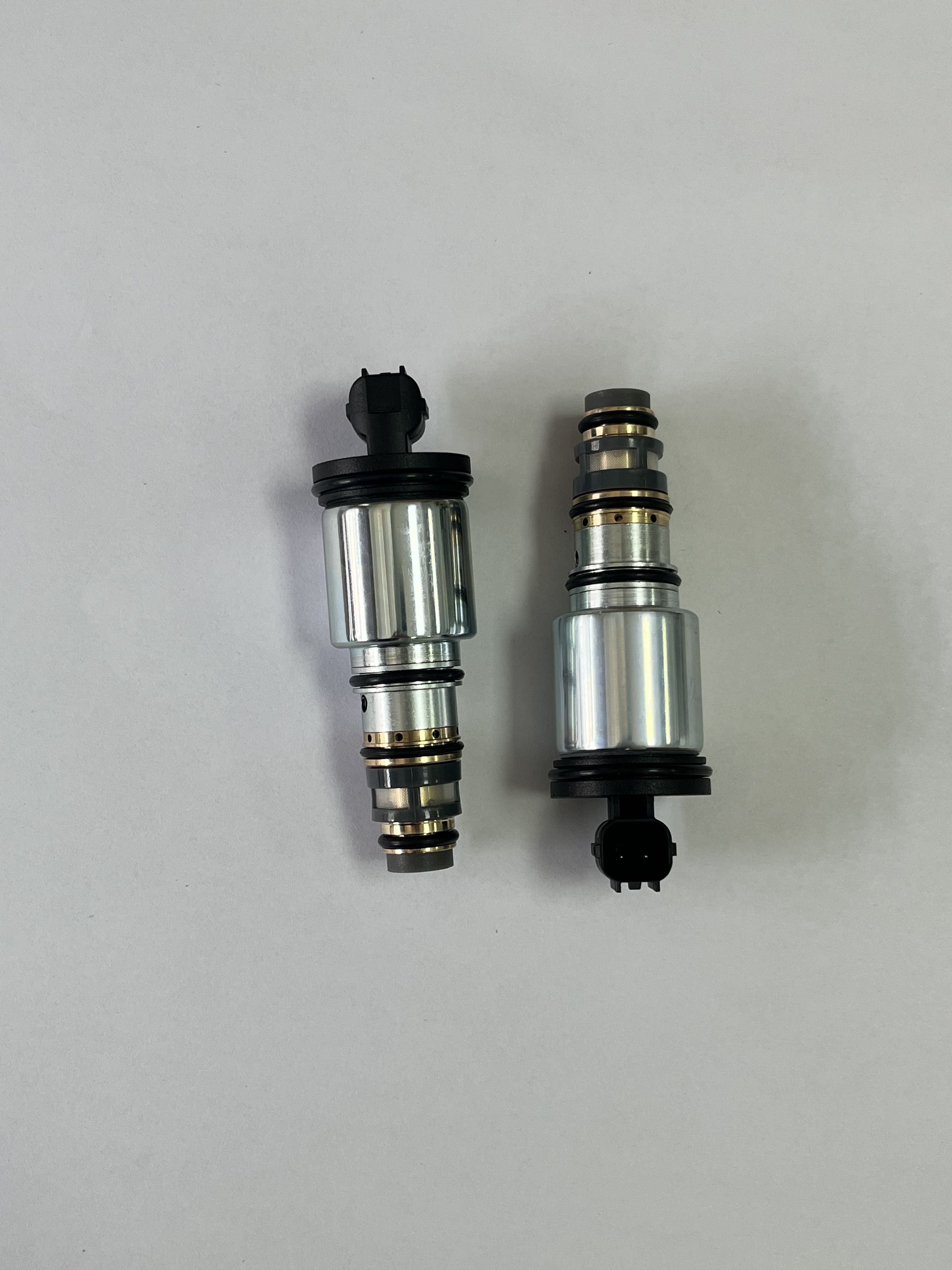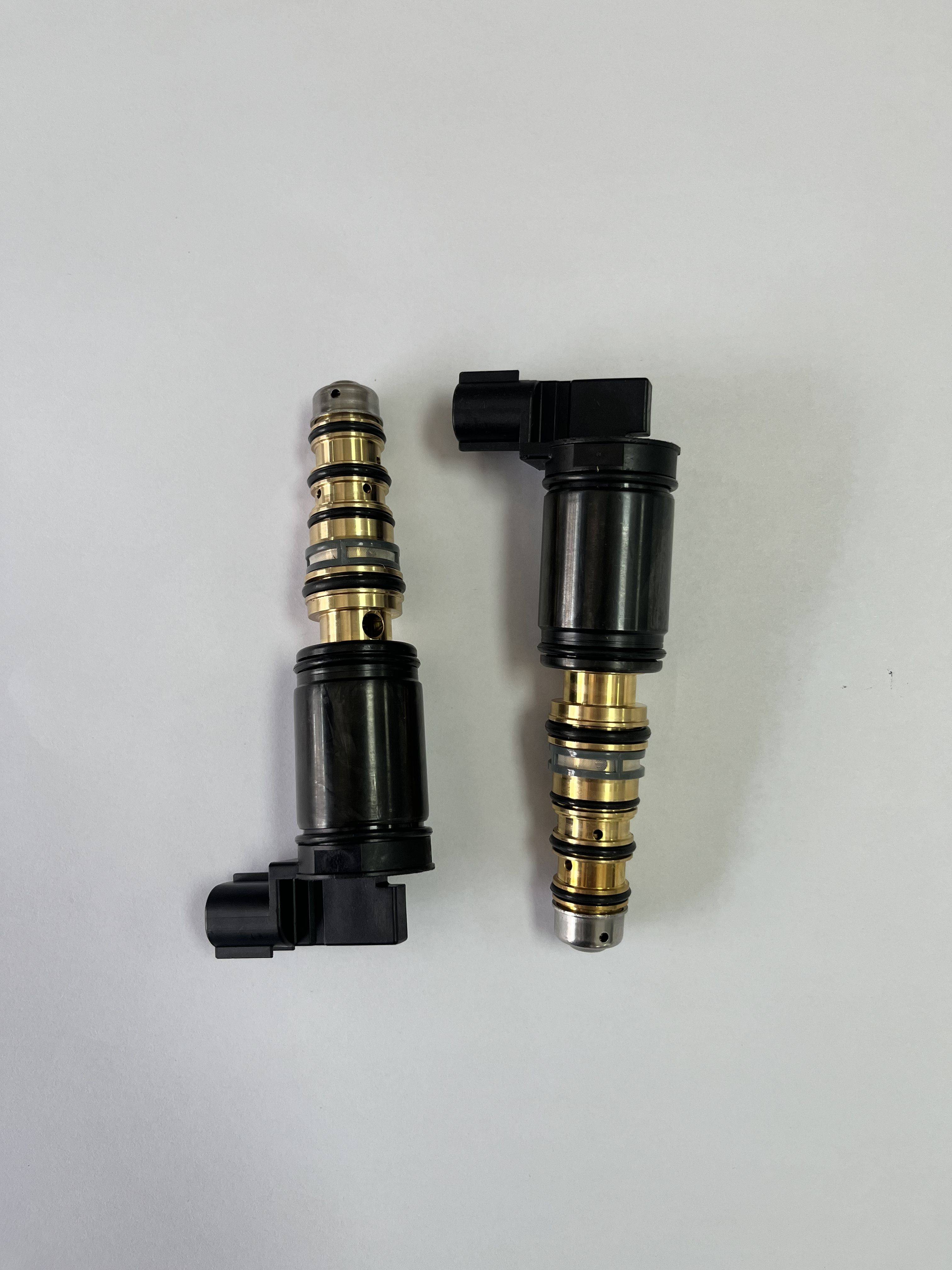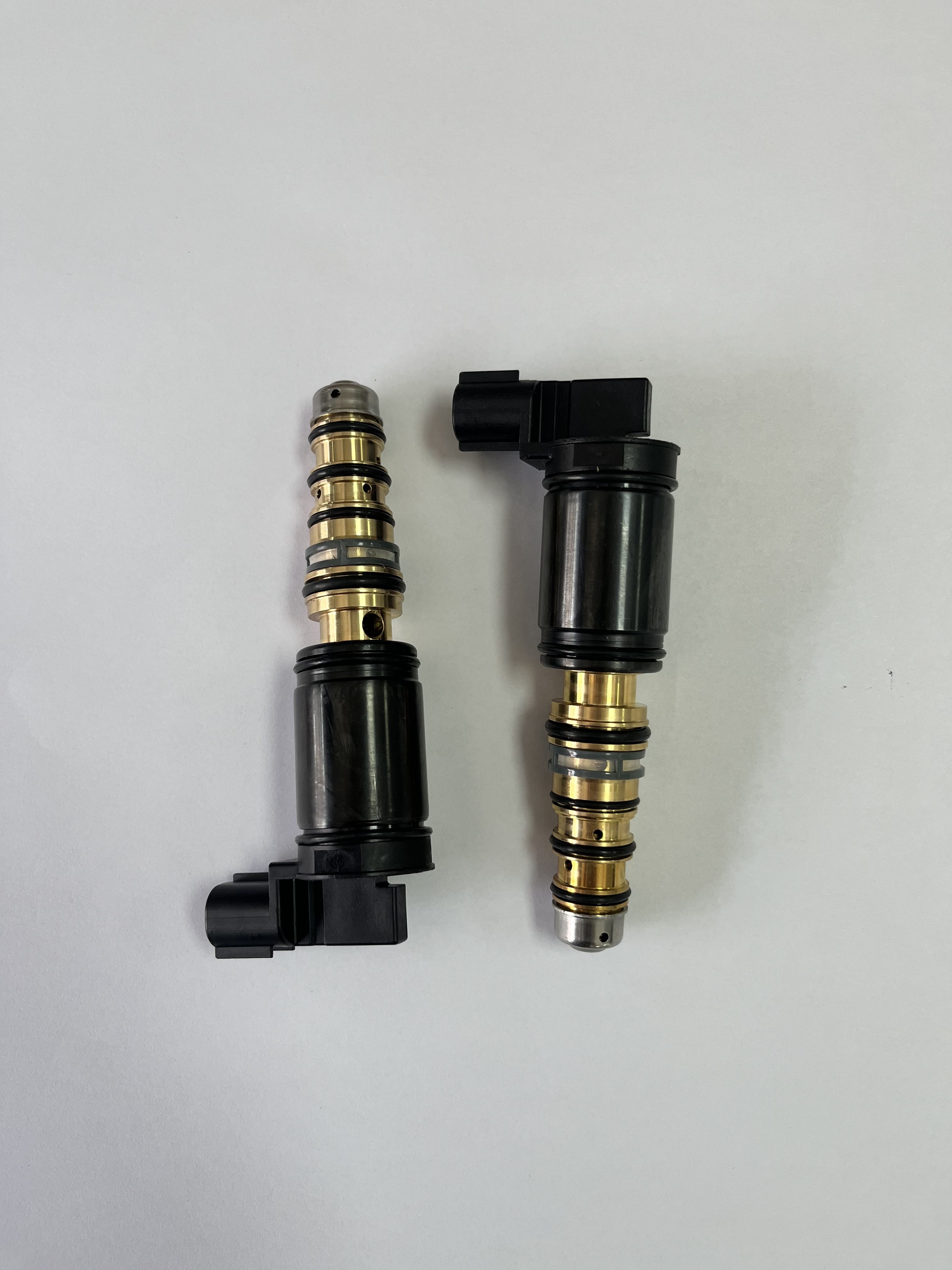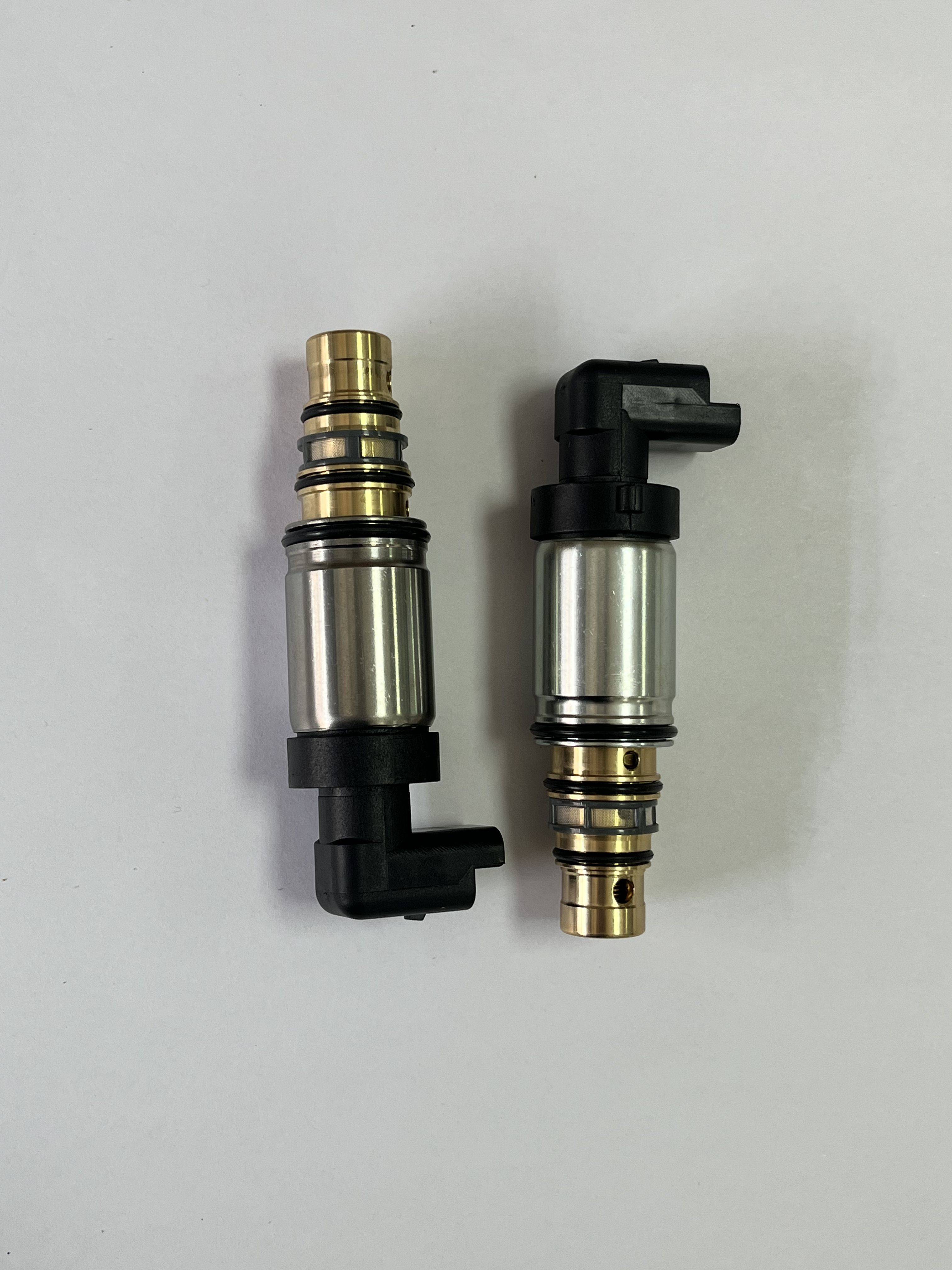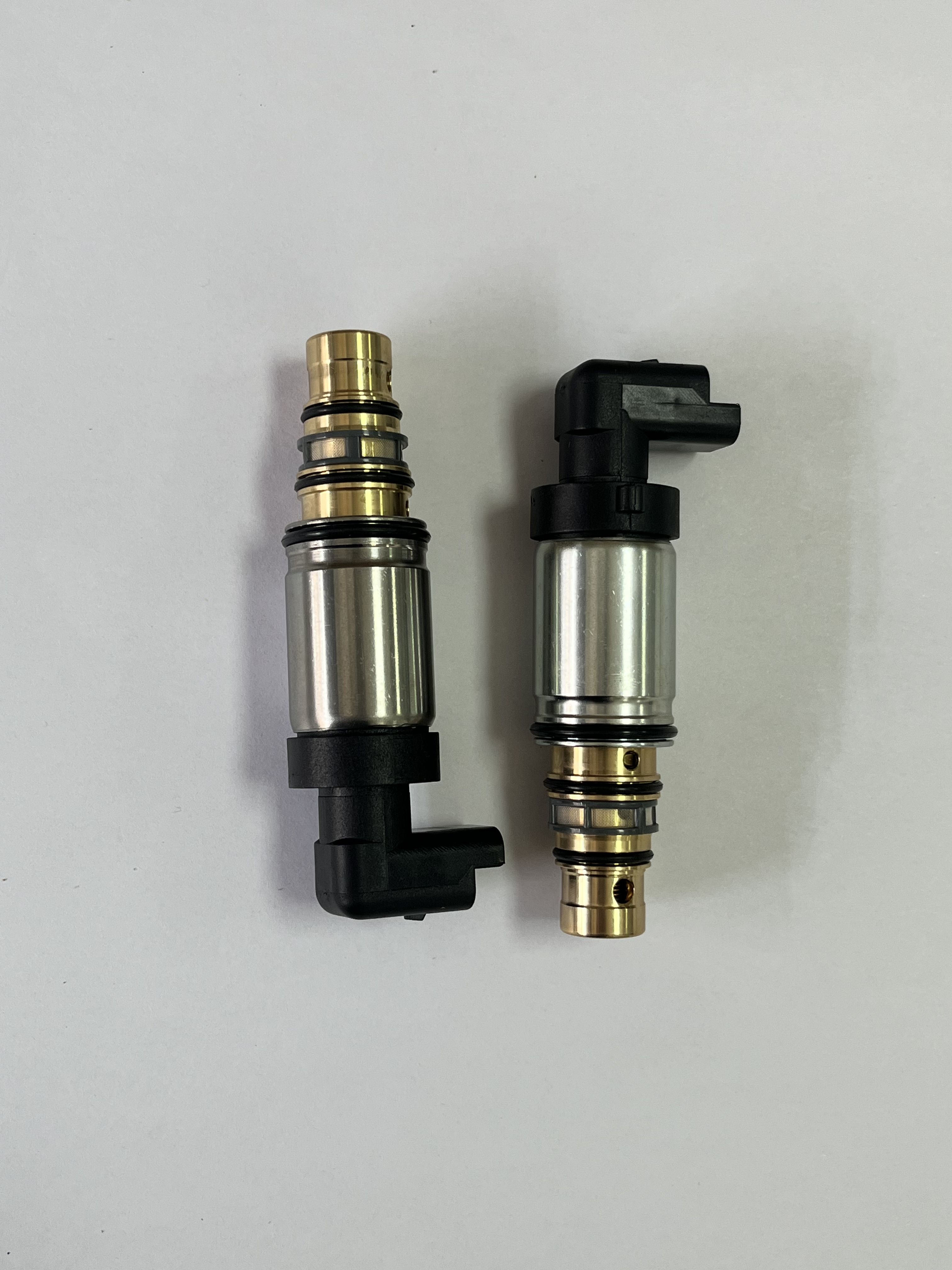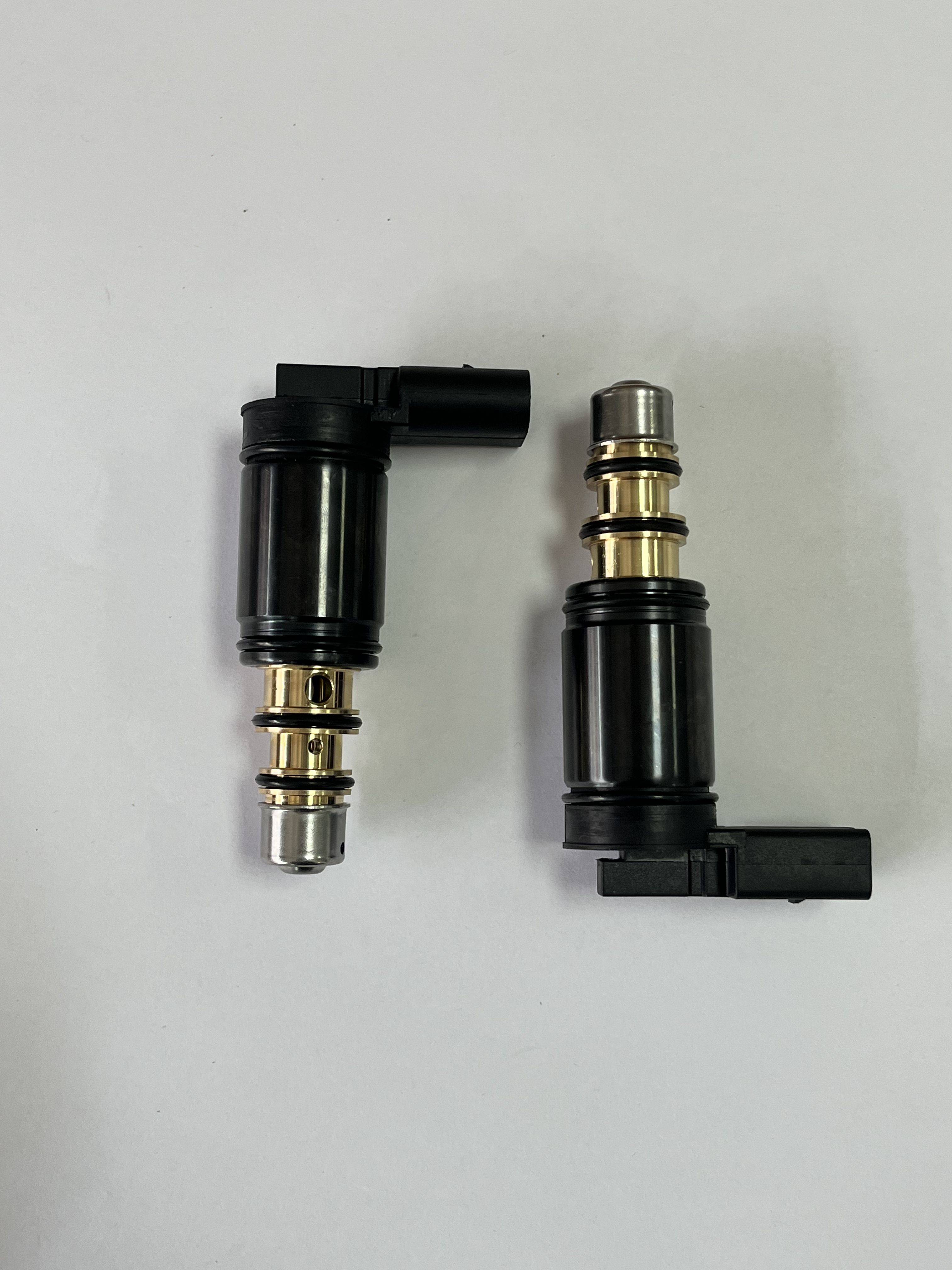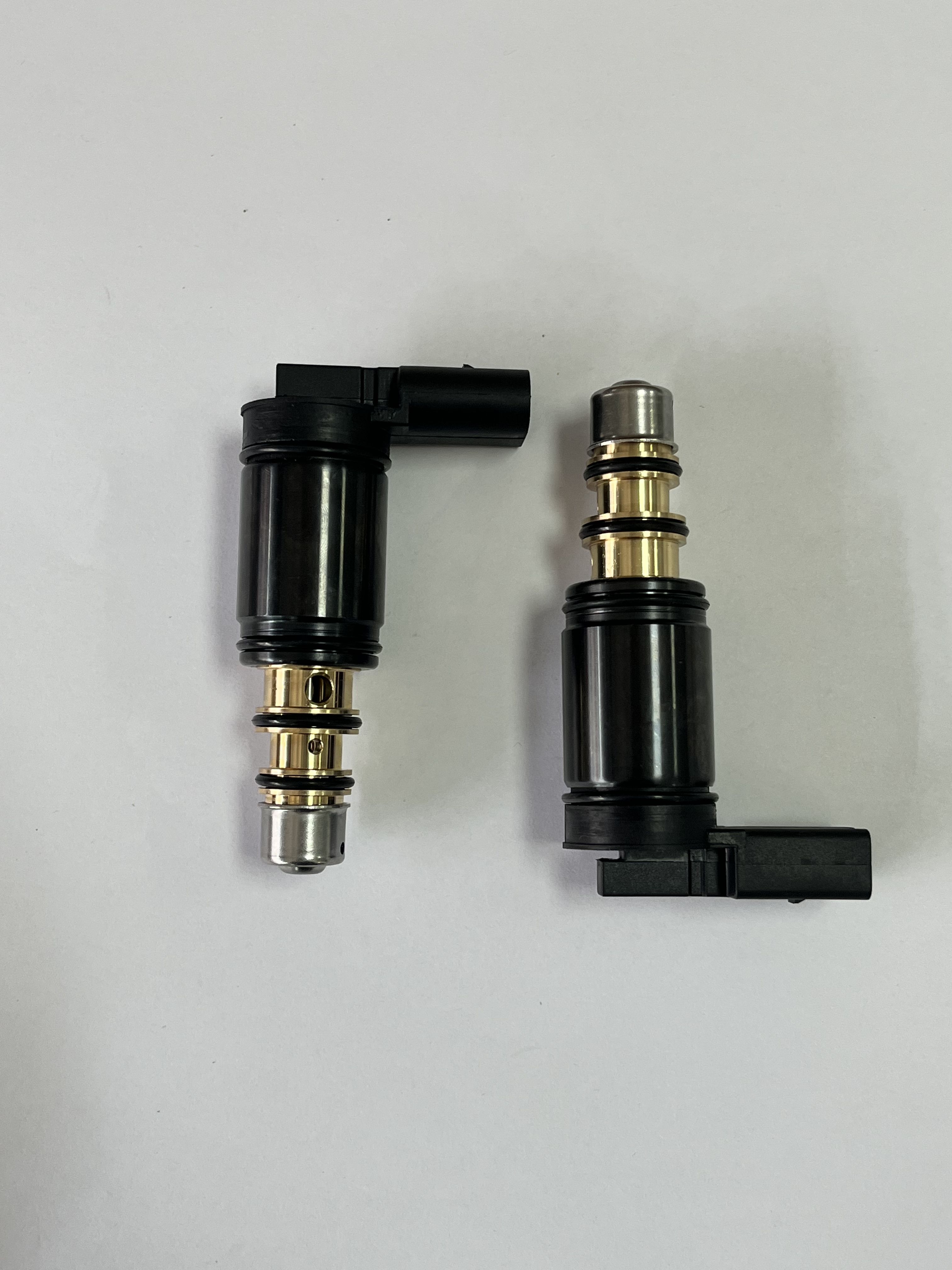


Solenoid Control Regulator Valve Product Overview
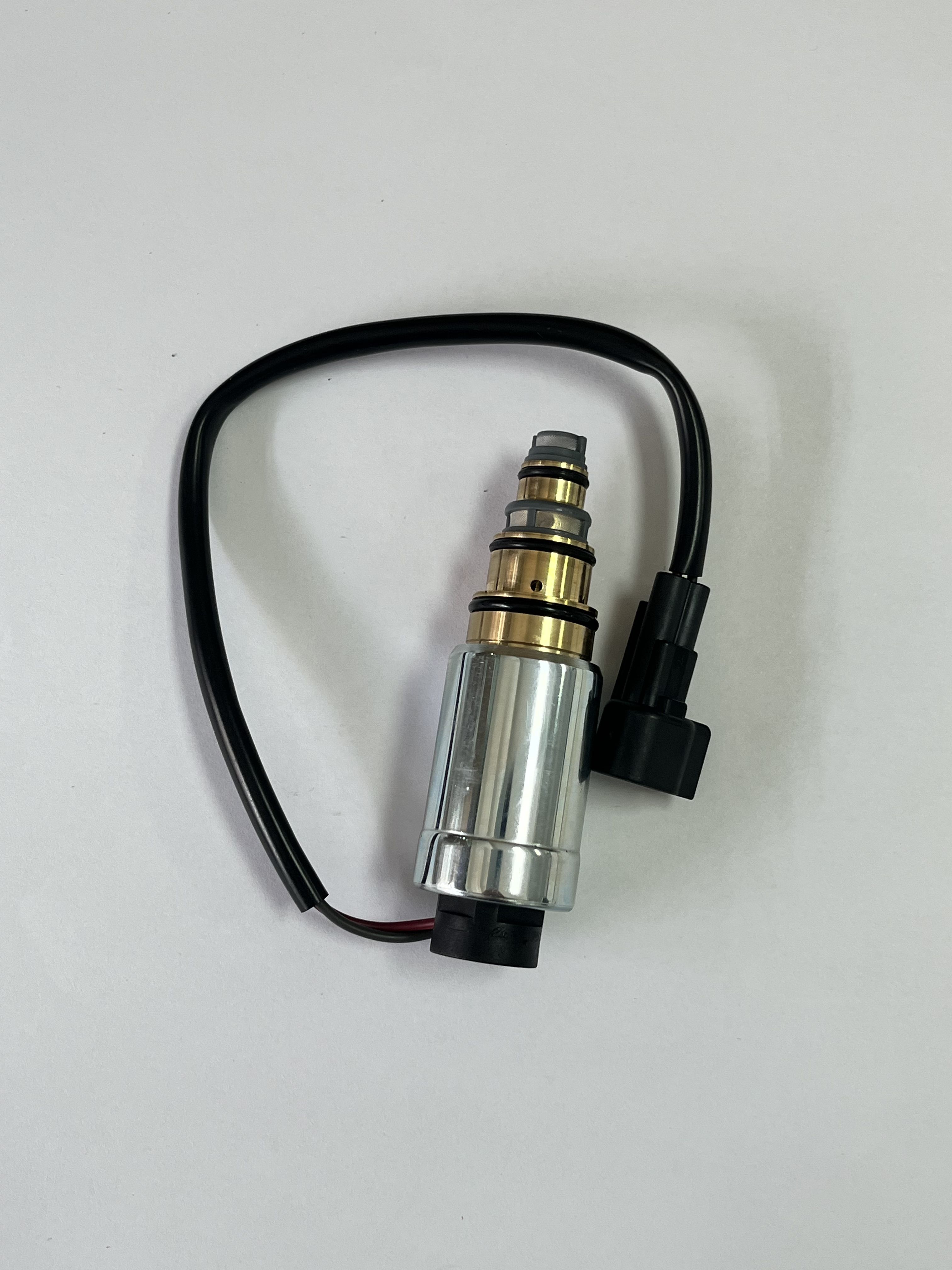
This Solenoid Control Regulator Valve is presented as a compact cylindrical fluid-control cartridge or valve assembly for equipment that needs controlled liquid flow in a confined installation space. Based on the visible construction, it may help solve a common buyer problem: replacing or integrating a small electrically actuated valve into an appliance, plumbing device, dispenser, or other fluid-handling system without using a large external valve body. The exact valve identity and operating principle cannot be confirmed from the partial product view, so application and compatibility should be verified against the equipment design.
The visible assembly includes gold-colored machined brass sections, a smooth metallic outer sleeve, several black elastomer O-rings, molded black polymer components, and insulated electrical wiring. Its elongated, rotationally symmetrical shape suggests that it may be inserted into a matching bore or housing. A black side-mounted component appears to be an actuator, sensor, or electrical connector, but this function is not confirmed.
Key Specifications and Capabilities
The main visible capability is compact fluid control with integrated electrical hardware. Stepped cylindrical diameters and circumferential grooves indicate a design intended to locate the assembly and support sealing at more than one interface. Multiple O-rings may help isolate fluid passages from the surrounding housing when the cartridge is installed correctly.
No dimensions, port standard, pressure rating, flow rate, temperature range, voltage, current, normally open or normally closed state, connection type, or fluid compatibility information is visible in the supplied data. These values should not be assumed. A buyer evaluating this Control Regulator Valve should request a dimensional drawing, electrical specification, operating schematic, and interface details before approving a replacement or production part.
Materials and Finish Options
The visible internal or central sections appear to be machined brass, while the lower outer sleeve appears polished or chrome-plated. The actual alloy and surface-treatment specification remain unverified. Black molded polymer parts and insulated wiring are also visible. The sealing elements appear to be black elastomer O-rings; however, the compound, hardness, temperature capability, and chemical resistance have not been supplied.
For a production version, material selection should match the fluid, pressure, temperature, electrical environment, and housing design. Buyers may also need to compare brass, plated metal, and polymer options for corrosion exposure, appearance, assembly behavior, and service requirements. Finish selection should be documented by a drawing or purchase specification rather than inferred from color alone.
Manufacturing Process and Assembly
The geometry is consistent with a precision-turned brass component that may receive secondary machining for sealing grooves and stepped diameters. A metallic sleeve may be polished, plated, or otherwise finished, although the exact treatment is unknown. Polymer components may be molded separately, followed by installation of O-rings and assembly of the electrical hardware.
For an OEM program, the manufacturing review should cover turning, deburring, groove inspection, sleeve fit, seal installation, wiring protection, and final assembly. The mating bore and insertion depth are especially important because a small dimensional mismatch can affect sealing, insertion force, or actuator alignment.
Application Scenarios
The assembly may be suitable for investigation as a replacement cartridge or internal component in an electronic faucet, shower control, water dispenser, appliance, or compact fluid-handling system. It may also serve as an OEM subassembly where a sealed cylindrical interface and electrical actuation are required. Maintenance buyers could consider it when an existing valve cartridge has failed, provided the replacement matches the original bore, wiring, fluid path, and control signal.
It should not be selected solely by external appearance. A Pressure Regulator Valve, Flow Control Valve, or electronically actuated cartridge can look similar while operating differently. Confirm the intended fluid medium, shutoff behavior, control method, and installation orientation before purchase.
Quality Control Considerations
Recommended inspection points include brass dimensions, groove location, sleeve surface condition, O-ring presence, seal damage, connector retention, cable routing, and overall concentricity. Functional testing should be defined according to the final specification and may include leak testing, actuation verification, electrical continuity, and flow or pressure testing. No test results, certifications, tolerances, service-life data, or production quality records were provided for this product.
Customization Guidance
To develop or source this assembly, provide the supplier with the housing drawing, bore diameter, sealing locations, required insertion depth, fluid type, operating temperature, pressure conditions, flow requirement, electrical voltage, connector arrangement, and control logic. If the component is intended to work as a Pneumatic Solenoid Valve or another gas-control device rather than a water valve, the material and seal requirements must be reviewed separately; the supplied image does not establish that use.
Useful customization topics include brass alloy, sleeve finish, O-ring compound, wire length, connector style, actuator configuration, and mounting features. An Electronic Control Valve or Industrial Solenoid Valve program may also require traceability, inspection documentation, and defined end-of-line tests, but those requirements should be agreed before quotation.
Buyer Decision Factors
Before selecting this product, compare the installation envelope, fluid compatibility, sealing arrangement, actuation requirements, electrical interface, expected maintenance method, and replacement access. Ask whether the black side-mounted component is a Solenoid Pilot Valve, sensor, connector, or another actuator, since that distinction affects system integration. Confirm whether the visible sleeve is a structural housing or only a protective finish, and request section drawings if internal passages are critical.
Request Technical Details
Contact the supplier with photos of the existing assembly, equipment model information, interface dimensions, and known operating conditions. Request confirmation of product identity, drawings, materials, seal specifications, electrical data, compatibility, and applicable inspection documents. This information will allow the Solenoid Control Regulator Valve to be evaluated as a replacement part or OEM component without relying on uncertain visual assumptions.