
Material Innovation Trends in Automotive Air Conditioner Clutch Components
Material Science Is Becoming a Competitive Frontier
In earlier decades, clutch design improvements focused primarily on structural geometry and electromagnetic tuning. Today, material science is driving the next phase of performance differentiation.
Heat exposure is rising. NVH requirements are tightening. Hybrid vehicles demand quieter engagement. Extended vehicle lifespans demand longer component endurance.
Under these pressures, the automotive air conditioner clutch has become a material engineering problem as much as a mechanical one.
Innovation now begins at the compound level.
Next-Generation Friction Materials for Thermal Stability
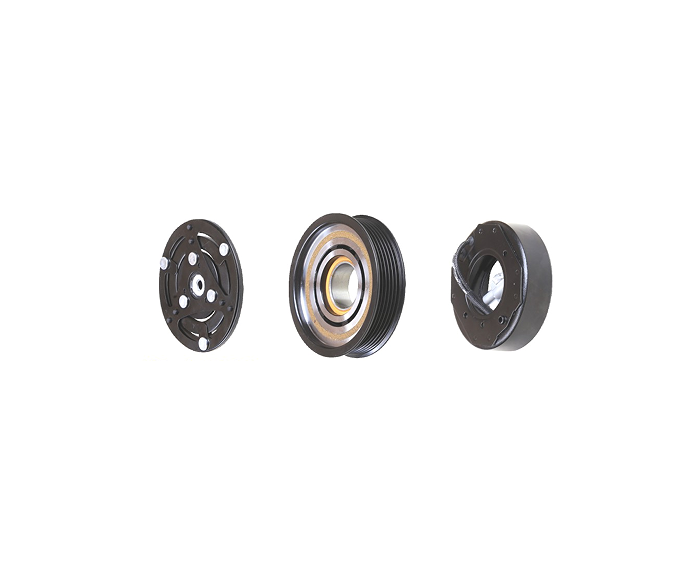
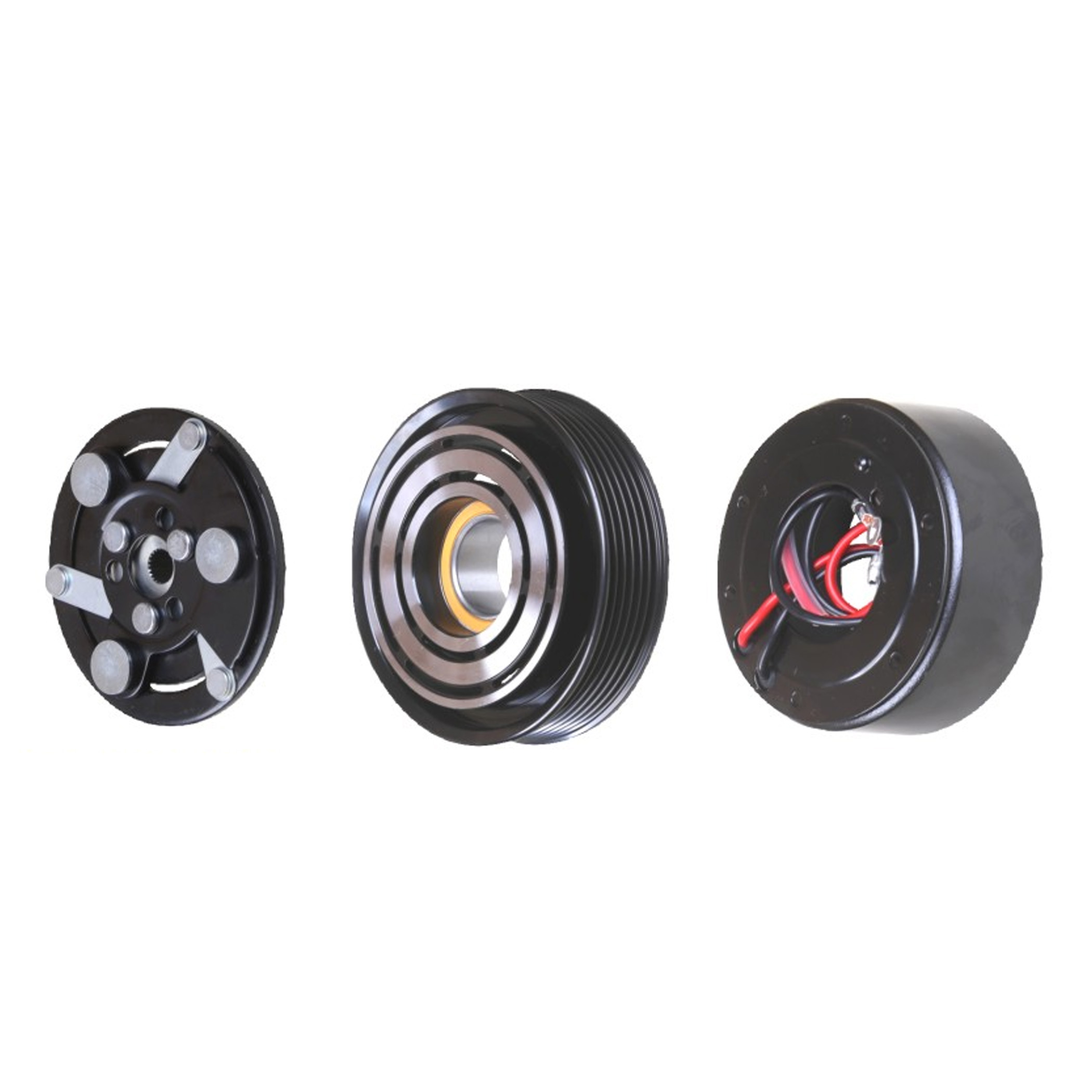
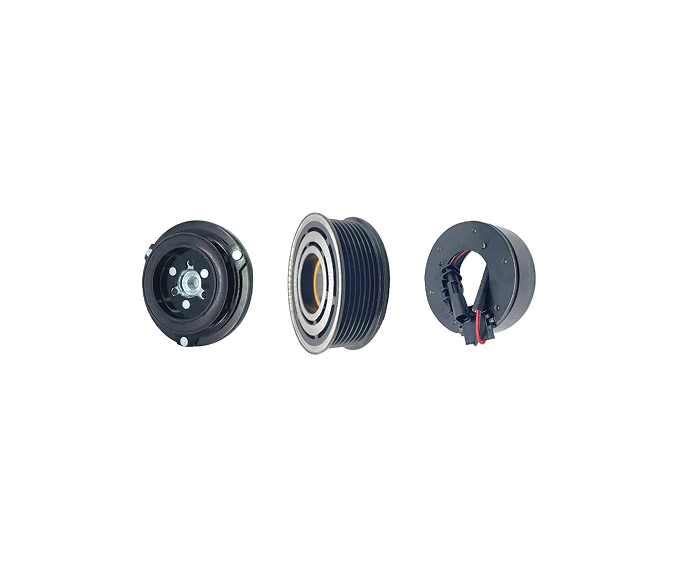
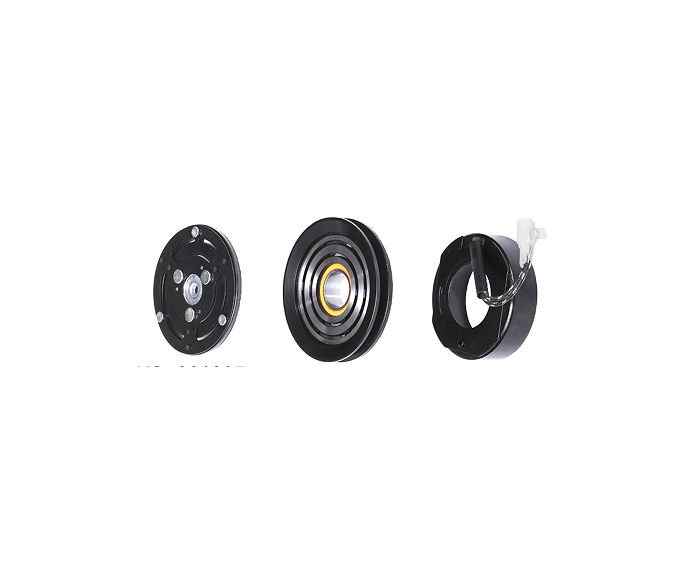
Friction plates remain the core wear element within the automotive air conditioner clutch system.
Traditional organic-based friction materials face accelerated degradation under extreme thermal cycling. In response, manufacturers are adopting:
- High-temperature resin composites
- Carbon fiber reinforced friction surfaces
- Enhanced binder stabilization chemistry
- Improved wear particle dispersion matrices
These upgrades reduce glazing, improve engagement consistency, and extend service intervals.
Material stability now directly influences replacement rate curves.
Electromagnetic Coil Insulation Upgrades
The electromagnetic coil operates under sustained thermal and electrical stress. Insulation breakdown historically contributed to premature failure.
Emerging trends include:
- High-grade enamel-coated copper windings
- Multi-layer thermal insulation wrapping
- Enhanced dielectric breakdown resistance materials
- Heat-resistant epoxy encapsulation
Improved insulation ensures consistent magnetic engagement under elevated ambient conditions.
In modern applications, the automotive air conditioner clutch must maintain precise activation thresholds despite prolonged thermal load.
Electrical durability has become as critical as mechanical strength.
Lightweight Structural Materials and Efficiency
Automakers continue to pursue lightweight vehicle strategies.
Component suppliers respond by optimizing pulley and hub materials:
- High-strength aluminum alloys
- Advanced forged steel microstructures
- Surface-treated lightweight composites
Weight reduction improves rotational balance and reduces parasitic load.
While seemingly incremental, structural material optimization enhances both fuel efficiency and NVH behavior in the automotive air conditioner clutch assembly.
Every gram matters at scale.
Corrosion Resistance in Humid and Coastal Regions
Global distribution introduces varied environmental stress profiles.
Salt exposure, humidity, and seasonal condensation accelerate corrosion risk.
Material upgrades now include:
- Zinc-nickel plating systems
- Advanced powder coatings
- Corrosion-resistant alloy blends
- Improved seal interface materials
In humid tropical regions, corrosion resistance extends product lifecycle dramatically.
For distributors operating in coastal markets, corrosion-resistant automotive air conditioner clutch components offer a distinct durability advantage.
Climate-specific material tailoring is becoming common.
NVH-Optimized Surface Engineering
As cabin noise standards tighten, clutch engagement smoothness gains importance.
Material innovation contributes through:
- Precision-ground friction surfaces
- Controlled micro-texture optimization
- Damped hub interface materials
- Reduced resonance metallurgy
Hybrid vehicles magnify NVH sensitivity due to quieter powertrains.
Material-level damping becomes a differentiator.
The automotive air conditioner clutch must now meet comfort expectations previously reserved for high-end platforms.
Heat Dissipation and Thermal Path Optimization
Increasing ambient temperatures and longer HVAC usage cycles intensify thermal accumulation.
Material engineers are enhancing:
- Thermal conductivity of pulley substrates
- Surface area optimization through metallurgical selection
- Heat-resistant adhesive bonding agents
Efficient thermal pathways reduce friction fade and coil overheating.
The automotive air conditioner clutch increasingly integrates thermal engineering principles previously associated with brake systems.
Heat control equals durability control.
Sustainability and Environmental Compliance Pressure
Regulatory frameworks continue evolving toward lower emissions and environmentally compliant materials.
Material innovation now incorporates:
- Reduced heavy metal content
- Eco-compliant friction compounds
- Recyclable metal alloys
- Lower VOC resin systems
Sustainable material sourcing is becoming part of supplier evaluation criteria.
Future-proofing the automotive air conditioner clutch includes compliance with emerging environmental standards.
Material innovation aligns with regulatory direction.
Long-Term Industry Implications
Material innovation trends suggest several structural shifts:
- Higher baseline durability expectations
- Extended service interval positioning
- Climate-adaptive product segmentation
- NVH-focused design differentiation
- Increased R&D investment requirements
Suppliers unable to invest in material science advancement risk commoditization.
Material evolution is redefining competitive positioning in the automotive air conditioner clutch segment.
Durability and refinement are no longer optional attributes. They are baseline requirements.
Engineering-Led Supply Strategy
Material selection determines long-term performance stability.
Manufacturers integrating advanced friction composites, improved insulation systems, corrosion-resistant alloys, and NVH-damping solutions are better positioned for evolving market demands.
If you are evaluating upgraded material specifications or durability-focused sourcing strategies in the automotive air conditioner clutch category, explore our full engineering capabilities at
👉 https://www.gzkasen.com/
For technical discussions and specification alignment, connect directly at
👉 https://www.gzkasen.com/contact-us
Material science is shaping the next generation of component performance.