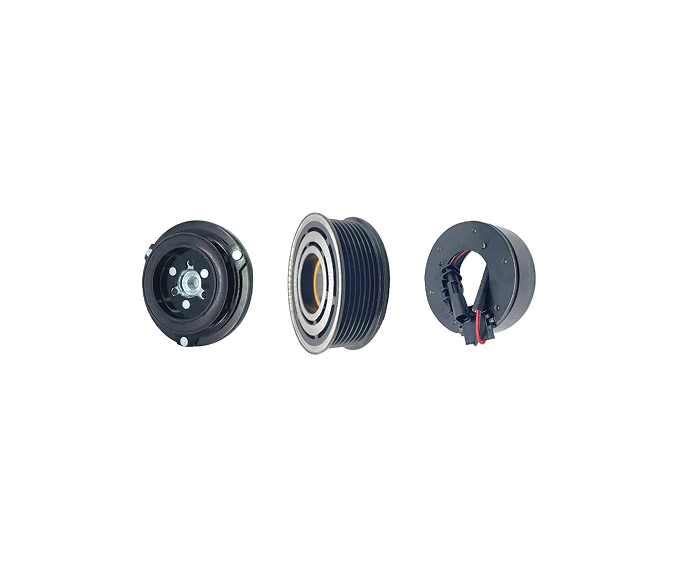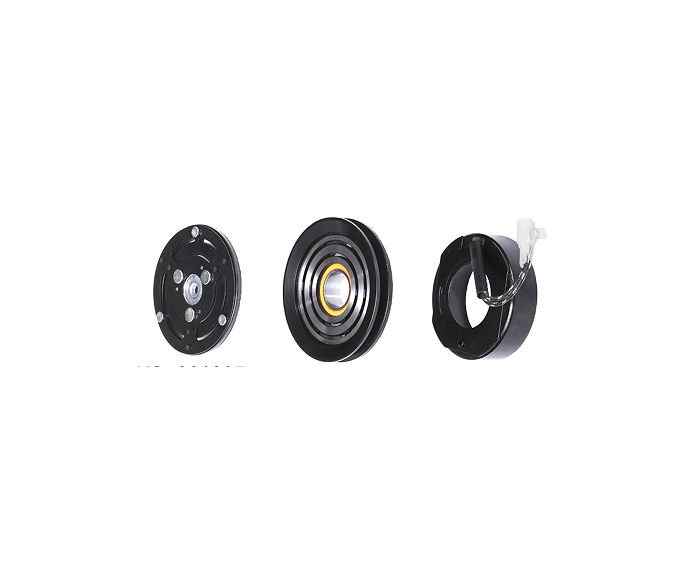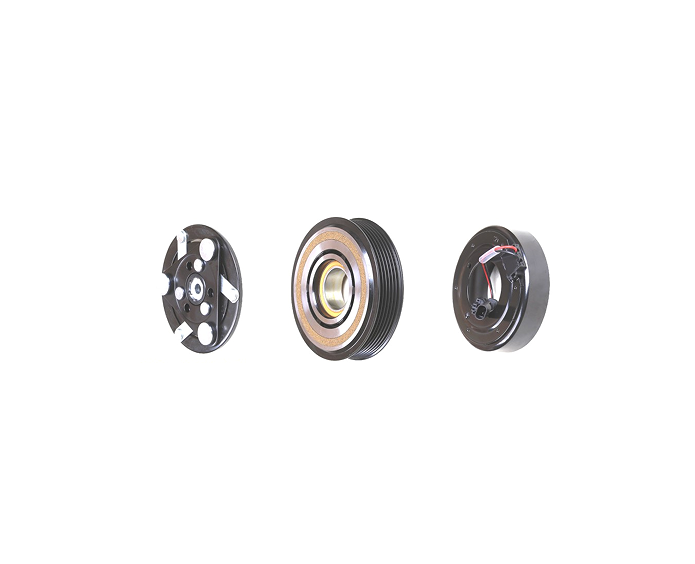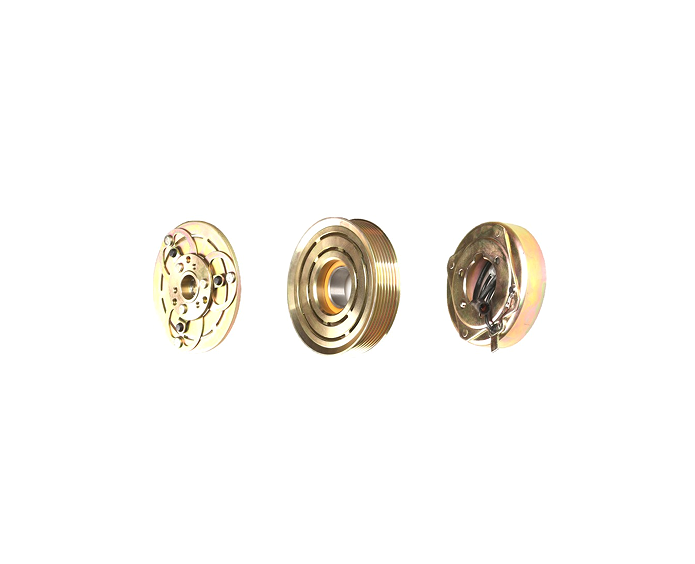

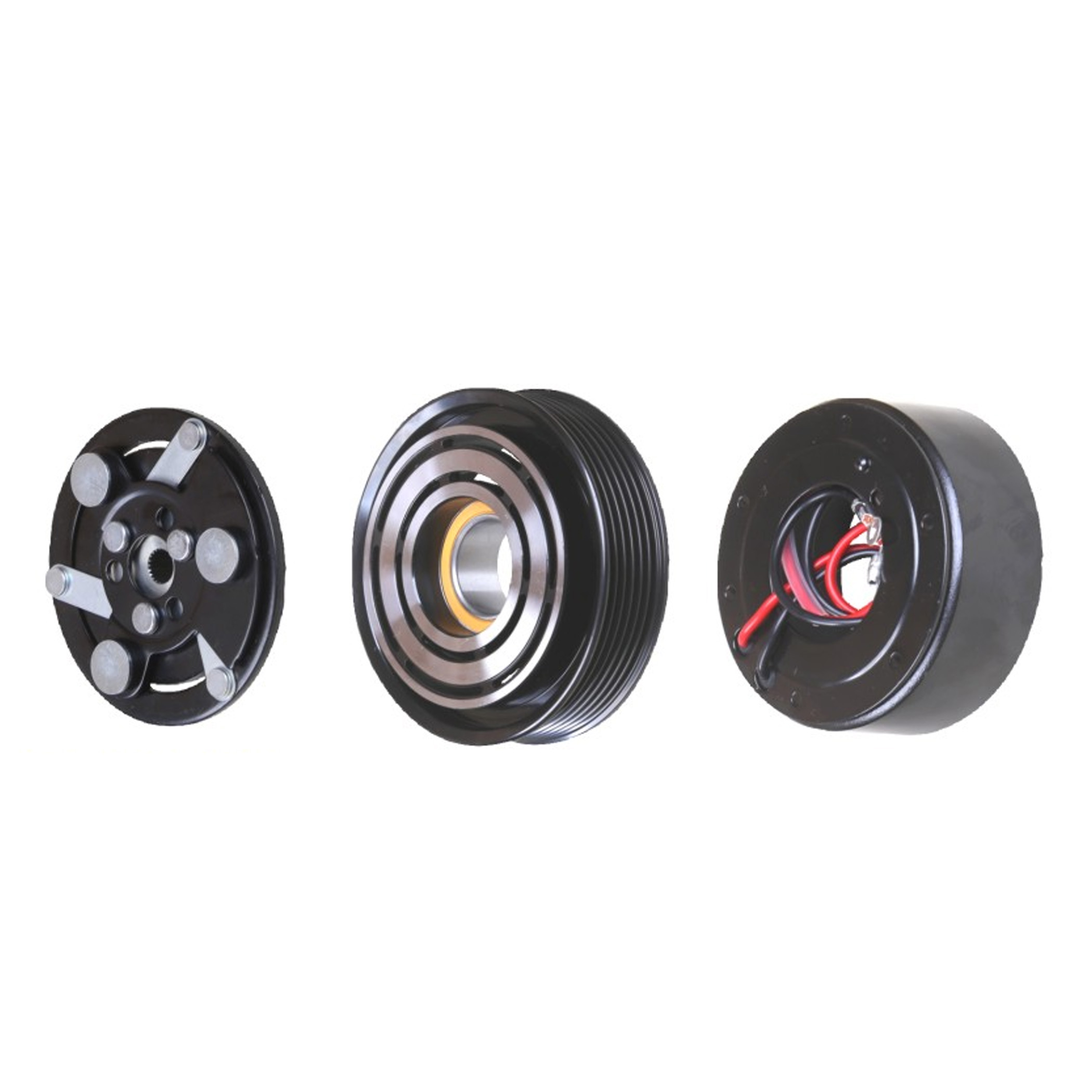
Seasonal Demand Pattern Modeling for Automotive Air Conditioner Clutch
Cooling Demand Does Not Rise Gradually — It Surges
In many markets, replacement demand for HVAC components does not increase smoothly. It spikes.
Temperatures climb. Workshops fill rapidly. Distributors experience compressed order cycles.
The automotive air conditioner clutch aftermarket reflects this surge behavior clearly.
Seasonality is not minor variation. It is concentrated acceleration.
Understanding this surge pattern is essential for stable margin management.
Temperature Threshold Trigger Points
Demand activation typically follows temperature thresholds rather than calendar dates.
When average daytime temperatures consistently exceed certain ranges (often 25–28°C in temperate markets), service centers observe rapid growth in HVAC repair volume.
Demand curve characteristics:
- Pre-season buildup: Gradual inquiry increase
- Trigger phase: Rapid order spike
- Peak phase: High-volume replenishment
- Decline phase: Inventory correction
The automotive air conditioner clutch category mirrors this threshold-driven curve.
Temperature, not month, drives activation.
Northern vs Southern Hemisphere Counter-Cycle Opportunities
Seasonality creates geographic balancing potential.
When demand peaks in the Northern Hemisphere (May–August), Southern Hemisphere markets may be in cooling off-cycle.
This counter-seasonality enables:
- Inventory rotation across regions
- Production smoothing
- Freight capacity balancing
- Revenue stabilization
Global distributors handling automotive air conditioner clutch portfolios can use hemispheric season offsets to stabilize cash flow.
Seasonality becomes a strategic lever.
Pre-Season Procurement Behavior
Experienced distributors rarely wait for peak heat.
They front-load purchasing based on:
- Historical climate data
- Previous summer sales velocity
- Fleet age density
- Regional service workshop capacity
In many markets, March–April procurement volume for automotive air conditioner clutch can exceed immediate sales need in preparation for peak demand.
Forecasting accuracy directly influences profit margin.
Understock leads to lost opportunity. Overstock erodes cash flow.
Emergency Replacement vs Preventive Maintenance
Seasonal demand contains two sub-patterns:
- Preventive maintenance prior to heat peak
- Emergency repair during extreme temperature spikes
Emergency replacements tend to:
- Accept shorter lead times
- Tolerate higher pricing
- Require faster logistics
The automotive air conditioner clutch aftermarket sees pricing elasticity during heatwave-triggered emergency cycles.
Peak urgency increases transaction velocity.
Inventory Compression During Peak Window
Peak season can compress 4–5 months of volume into 8–10 weeks.
If distributors misjudge velocity, replenishment lag causes:
- Backorders
- Lost workshop trust
- Channel substitution
In seasonal modeling, safety stock must reflect compressed demand bursts.
The automotive air conditioner clutch is particularly sensitive because cooling failure immediately affects drivability comfort.
Delay equals dissatisfaction.
Data Inputs for Seasonal Forecast Modeling
Effective modeling integrates:
- Historical monthly sales
- Degree-day climate data
- Regional heatwave frequency
- Fleet size by vehicle segment
- Competitive pricing trends
Seasonal forecasting should avoid simple linear extrapolation.
The automotive air conditioner clutch demand curve often shows asymmetric peaks—rapid rise, gradual decline.
Understanding asymmetry improves procurement timing.
Climate Variability Adds Volatility Layer
Beyond predictable seasonality, irregular heatwaves introduce volatility.
Unusually early heat can:
- Trigger premature demand surge
- Exhaust inventory faster than expected
Late-season heat spikes can create secondary mini-peaks.
For the automotive air conditioner clutch aftermarket, flexible replenishment agreements with manufacturers reduce exposure to weather unpredictability.
Agility complements forecasting.
Strategic Takeaways for Market Participants
Seasonality modeling supports:
- Smarter working capital allocation
- Region-specific stocking strategies
- Cross-hemisphere inventory optimization
- Heatwave contingency planning
Demand for automotive air conditioner clutch does not fluctuate randomly. It follows environmental rhythm.
Distributors who treat seasonality analytically outperform those who react operationally.
If you are planning seasonal inventory strategy or cross-region supply coordination in the automotive air conditioner clutch segment, explore our full product range at
👉 https://www.gzkasen.com/
For forecasting collaboration and flexible supply planning, connect directly at
👉 https://www.gzkasen.com/contact-us
Seasonality rewards preparation.