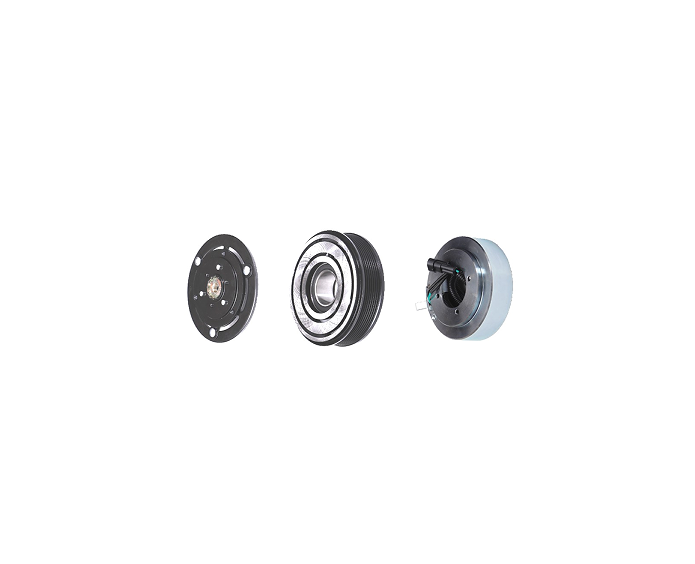

Introduction: That "Smooth Ride" Feeling? Thank Your Bearings
Picture this: You’re driving your 5-year-old sedan, and it still glides down the road as quietly as the day you bought it. Your friend’s same-model car, though, rattles at 60mph and needs wheel repairs every few months. What’s the difference? Chances are, it’s the automotive bearings.
Bearings are the unsung workhorses of your vehicle—hidden in wheels, engines, and transmissions, they let metal parts spin without grinding against each other. A single bad bearing can turn a comfortable commute into a stressful, even dangerous, ride. But when they’re high-quality? They work silently for 100,000+ miles, saving you money on repairs and keeping you safe.
Let’s break down everything you need to know about these tiny but mighty components—from how they work to when to replace them, and why skimping on quality is never worth it.
How Bearings Work: The Simple Science Behind Smooth Rides
You don’t need an engineering degree to understand bearings—their core job is to solve one big problem: friction. Here’s the step-by-step breakdown of how they keep your car moving smoothly:
-
The Friction Problem: Without bearings, metal parts like wheel axles would slide directly against their housings. This creates extreme heat, rapid wear, and a jerky ride—imagine trying to roll a heavy box without wheels.
-
The Bearing Solution: Bearings use rolling elements (steel balls, cylindrical rollers, or tapered rollers) between two precision-machined rings called "races." These rolling elements turn sliding friction into rolling friction—reducing resistance by up to 95%.
-
Beyond Friction: Handling Loads: Your car’s wheels carry 2-5 tons of weight (including passengers and cargo). Bearings distribute this "radial load" evenly across their rolling elements. When you turn or brake, they also handle "axial load" (sideways pressure) to keep parts stable.
Real-World Example: A wheel bearing failure is one of the most common issues mechanics see. A driver noticed a faint humming from the front wheel that got louder at highway speeds. By the time they brought it in, the bearing was so worn the wheel had 1/4-inch of play—one more pothole could have caused a dangerous wobble.
Warning Signs Your Bearing Is Failing (Don’t Ignore These!)
Bearings rarely fail overnight—they give clear warning signs. Catching these early can save you from a breakdown (or worse) on the road:
Unusual Noises: Humming, Grinding, or Growling
The most common red flag. A worn bearing will make a low humming or growling sound that gets louder as you accelerate. It’s often confused with tire noise, but unlike tires, the sound won’t change when you switch lanes (it’s tied to wheel rotation, not road surface).
Vibration in the Steering Wheel
If your steering wheel shakes at speeds above 50mph, a bad wheel bearing is likely the culprit. Worn rolling elements cause uneven rotation, translating to vibration that travels up the steering column.
Uneven Tire Wear
A failing bearing lets the wheel wobble slightly, causing one side of the tire to wear faster than the other. If you notice "cupping" (dips and rises in the tire tread) or uneven edge wear, check your bearings first—before you waste money on new tires.
Wheel Play or Looseness
Safely lift one wheel off the ground and wiggle it back and forth. A tiny amount of play is normal, but if you can move it more than 1/8-inch, the bearing is worn and needs replacement.
ABS Light Comes On
Many modern wheel bearings have ABS sensors built in. A worn bearing can disrupt the sensor’s signal, triggering the ABS warning light on your dashboard—even if the ABS system itself is fine.
How to Choose a Quality Bearing: 3 Non-Negotiable Traits
Walk into any auto parts store, and you’ll see bearings ranging from $20 to $150. The cheap ones might seem tempting, but they’ll fail in 20,000-30,000 miles. A quality bearing? It’ll last 100,000+ miles. Here’s what to look for:
Premium Materials & Precision Machining
Top bearings use high-carbon chrome steel or ceramic for rolling elements—these materials resist wear and corrosion. The races (inner and outer rings) should be ground to a mirror finish (you can see your reflection in them). Cheap bearings use low-grade steel with rough surfaces, leading to rapid wear.
Advanced Sealing Technology
80% of bearing failures are caused by dirt, water, or road salt seeping in. Look for bearings with dual-lip seals (marked with "2RS" or "ZZ" on the packaging) or a colored protective coating (often gold or black). These seals keep contaminants out while retaining lubricant—critical for longevity.
OEM Compliance (From Reputable Brands)
Stick to brands that meet or exceed OEM (Original Equipment Manufacturer) standards—names like SKF, Timken, or NTN. These manufacturers test every bearing for fit, load capacity, and durability. Avoid "no-name" brands—they skip quality control, and many are counterfeits of premium models.
Innovation Update: Bearings for Electric & High-Performance Cars
As cars evolve, bearings are getting smarter and more durable. Here are the latest innovations changing the game:
EV-Specific Bearings: Lightweight & Efficient
Electric cars have higher rotational speeds (EV motors spin 3x faster than gas engines) and need to save battery power. EV-specific bearings use ceramic rolling elements (40% lighter than steel) and low-friction lubricants. This cuts energy waste by up to 15%, extending battery range by 3-5%.
Smart Bearings: Predictive Maintenance
Luxury brands like BMW and Mercedes now use "smart bearings" with built-in sensors. These sensors monitor temperature, vibration, and wear, sending data to the car’s infotainment system. You’ll get a notification like "Front left bearing needs service in 5,000 miles"—no more guessing.
Lubrication-Free Designs: Greener & Low-Maintenance
New bearings use self-lubricating polymers (instead of oil or grease) that last the lifetime of the part. They eliminate the risk of lubricant leaks (which harm the environment) and require zero maintenance—perfect for fleet vehicles and off-road trucks.
Conclusion: Invest in Bearings, Invest in Your Ride
Automotive bearings are the definition of "small but powerful." They keep your ride smooth, your tires wearing evenly, and your expensive components (like engines and transmissions) safe from wear. Skimping on a cheap bearing might save you $50 today, but it could cost you $1,000+ in tire replacements, wheel repairs, or even engine damage down the line.
The next time you’re due for maintenance, ask your mechanic about the quality of the bearings they use. Choose brands with premium materials, advanced seals, and OEM compliance. And if you notice any of the warning signs we listed—don’t wait. A quick bearing replacement now will keep you cruising smoothly for years to come.
After all, a great ride isn’t just about horsepower or luxury features—it’s about the tiny components working silently behind the scenes to keep you safe and comfortable.