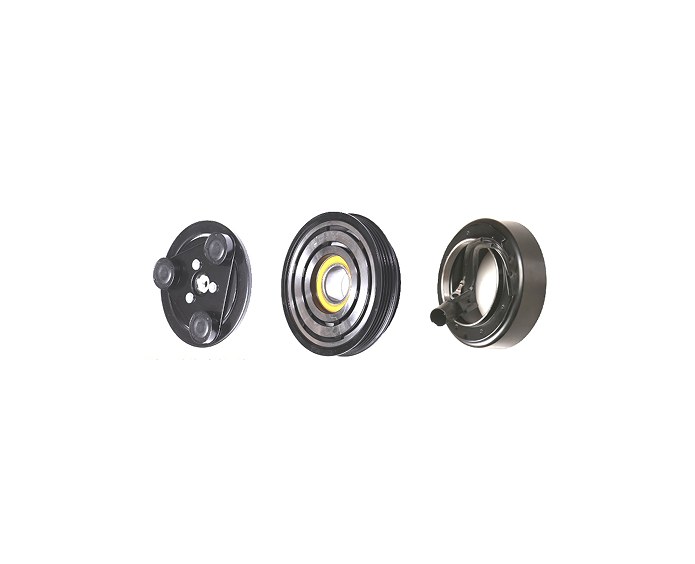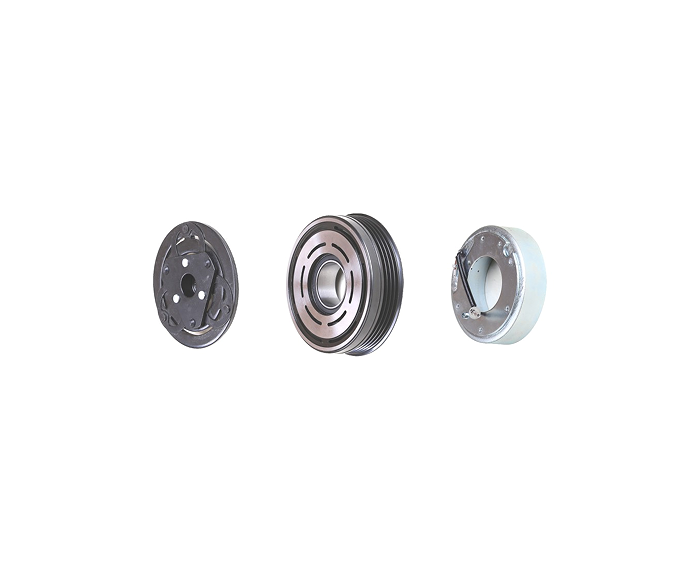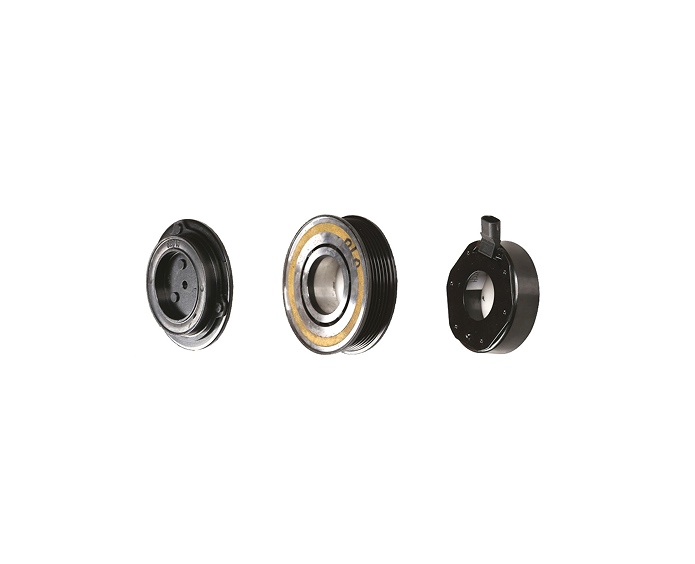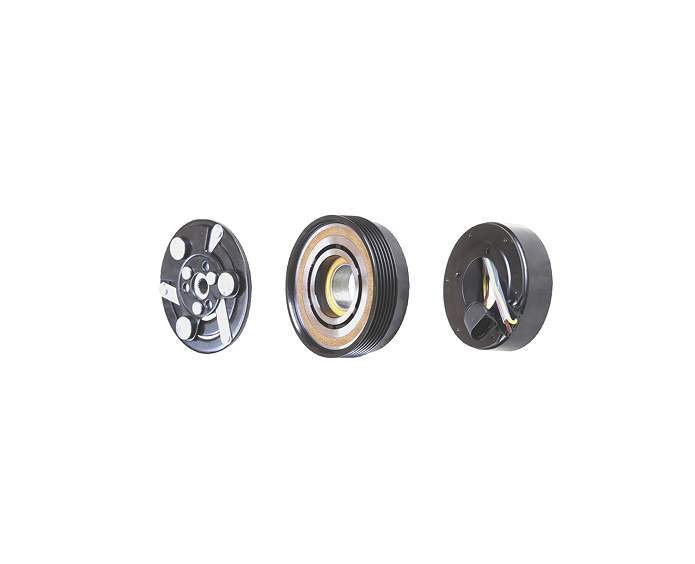

Clutch slip in an automotive air conditioner clutch is not a minor inconvenience. It is a mechanical imbalance that, if left untreated, can damage the compressor shaft, overheat friction materials, and reduce cooling efficiency.
Slip occurs when the clutch engages but fails to transmit full torque. The pulley spins. The armature contacts. Yet torque transfer is incomplete.
Heat rises. Efficiency drops. Wear accelerates.
Early detection is critical.
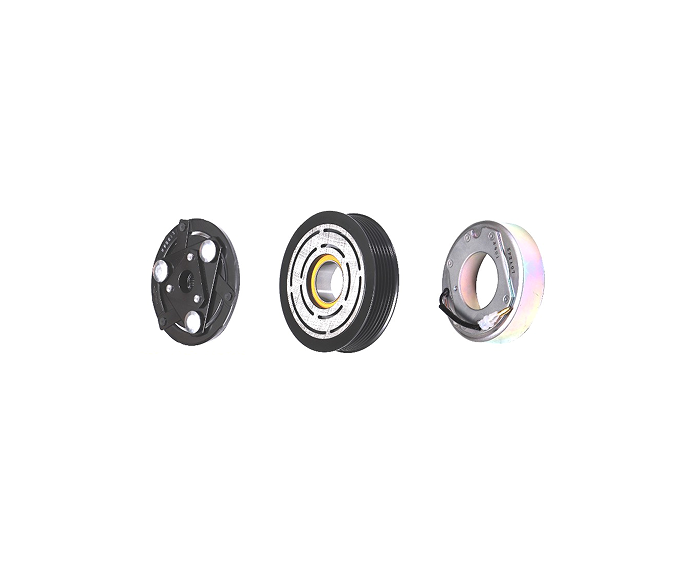
Early Symptoms of Automotive Air Conditioner Clutch Slip
Slip often begins subtly before full failure.
Common warning signs include:
- Reduced cooling performance at idle
- Intermittent cooling during acceleration
- Burning smell near engine bay
- High-pitched squeal during engagement
- Visible discoloration on clutch surface
When the automotive air conditioner clutch fails to lock properly, friction generates excessive heat, leading to glazing and surface degradation.
Mechanical Causes Behind Clutch Slip
Excessive Air Gap
Air gap plays a central role in magnetic pull strength.
If gap exceeds specification (typically 0.3–0.6 mm):
- Magnetic force weakens
- Partial engagement occurs
- Slippage increases
Precision calibration is essential for proper automotive air conditioner clutch operation.
Worn Friction Materials
Over time, friction surfaces degrade due to:
- Heat cycling
- Continuous AC use
- Heavy-duty operation
Surface glazing reduces friction coefficient, causing torque instability.
Weak Electromagnetic Coil
If coil resistance increases or voltage drops:
- Magnetic flux weakens
- Engagement becomes incomplete
Electrical degradation directly impacts clutch torque transfer.
Bearing Misalignment
A worn bearing can:
- Cause pulley wobble
- Alter air gap consistency
- Create uneven contact
This destabilizes the automotive air conditioner clutch engagement pattern.
Diagnostic Procedure for Accurate Identification
A systematic approach prevents unnecessary compressor replacement.
Step 1: Visual Surface Inspection
Check for burn marks or uneven wear.
Step 2: Resistance Testing
Measure coil resistance (typically 3–5 Ohms for 12V systems).
Step 3: Voltage Verification
Confirm stable voltage supply when AC is activated.
Step 4: Air Gap Measurement
Use feeler gauge to confirm correct tolerance.
Step 5: Engagement Observation
Monitor engagement timing and listen for abnormal noise.
A properly functioning automotive air conditioner clutch engages instantly and transfers torque without hesitation.
Long-Term Impact of Ignoring Slip
Persistent slip leads to:
- Compressor shaft overheating
- Bearing stress
- Increased fuel consumption
- Complete clutch failure
Fleet operators and distributors should monitor early slip indicators to reduce warranty exposure.
Repair vs Replacement Strategy
| Condition | Recommended Action |
|---|---|
| Minor air gap deviation | Adjust calibration |
| Friction glazing | Replace clutch plate |
| Coil electrical failure | Replace coil |
| Multi-component wear | Replace full clutch assembly |
In many cases, replacing only the automotive air conditioner clutch restores full performance without replacing the compressor.
Preventive Measures
To minimize slip risk:
- Maintain proper belt tension
- Inspect clutch every 50,000 km
- Monitor engagement response time
- Use high-grade clutch assemblies
High-quality manufacturing significantly reduces slip probability.
You can explore our manufacturing capabilities here:
https://www.gzkasen.com/about-us
Browse our full clutch product range:
https://www.gzkasen.com/products
For technical guidance, visit our FAQ section:
https://www.gzkasen.com/faqs
Frequently Asked Questions
Q1: Is clutch slip the same as compressor failure?
No. Slip is often localized to the automotive air conditioner clutch and may not require compressor replacement.
Q2: Can low refrigerant cause clutch slip?
Indirectly. Frequent cycling increases wear and heat buildup.
Q3: How long can a slipping clutch operate before failure?
It varies, but continued slip rapidly accelerates thermal degradation.
Conclusion: Early Diagnosis Protects System Integrity
An automotive air conditioner clutch should engage firmly and transmit torque instantly. Slip indicates imbalance — mechanical, electrical, or thermal.
Addressing the issue early prevents compressor damage and restores cooling stability.
For durable, precision-tested automotive air conditioner clutch solutions engineered for stable engagement, visit:
https://www.gzkasen.com/
For quotation and technical consultation:
https://www.gzkasen.com/contact-us/