
Understanding Auto AC Clutch: Essential Component for Vehicle Cooling Systems
Why the Automotive Air Conditioner Clutch Is Critical to Cooling Performance
When discussing vehicle air conditioning systems, attention often focuses on compressors or refrigerant flow. However, the real control point of engagement lies in the automotive air conditioner clutch.
This component determines when the compressor is driven and when it disengages from the engine or belt system. Without stable clutch performance, cooling output becomes inconsistent and system efficiency declines.
Modern vehicles—especially hybrid and high-efficiency platforms—require precise engagement control. The clutch must operate smoothly, repeatedly, and under high thermal stress conditions.
In short, it is not just a mechanical part—it is a controlled energy transmission interface.
How an Automotive Air Conditioner Clutch Works
An automotive air conditioner clutch operates through electromagnetic activation.
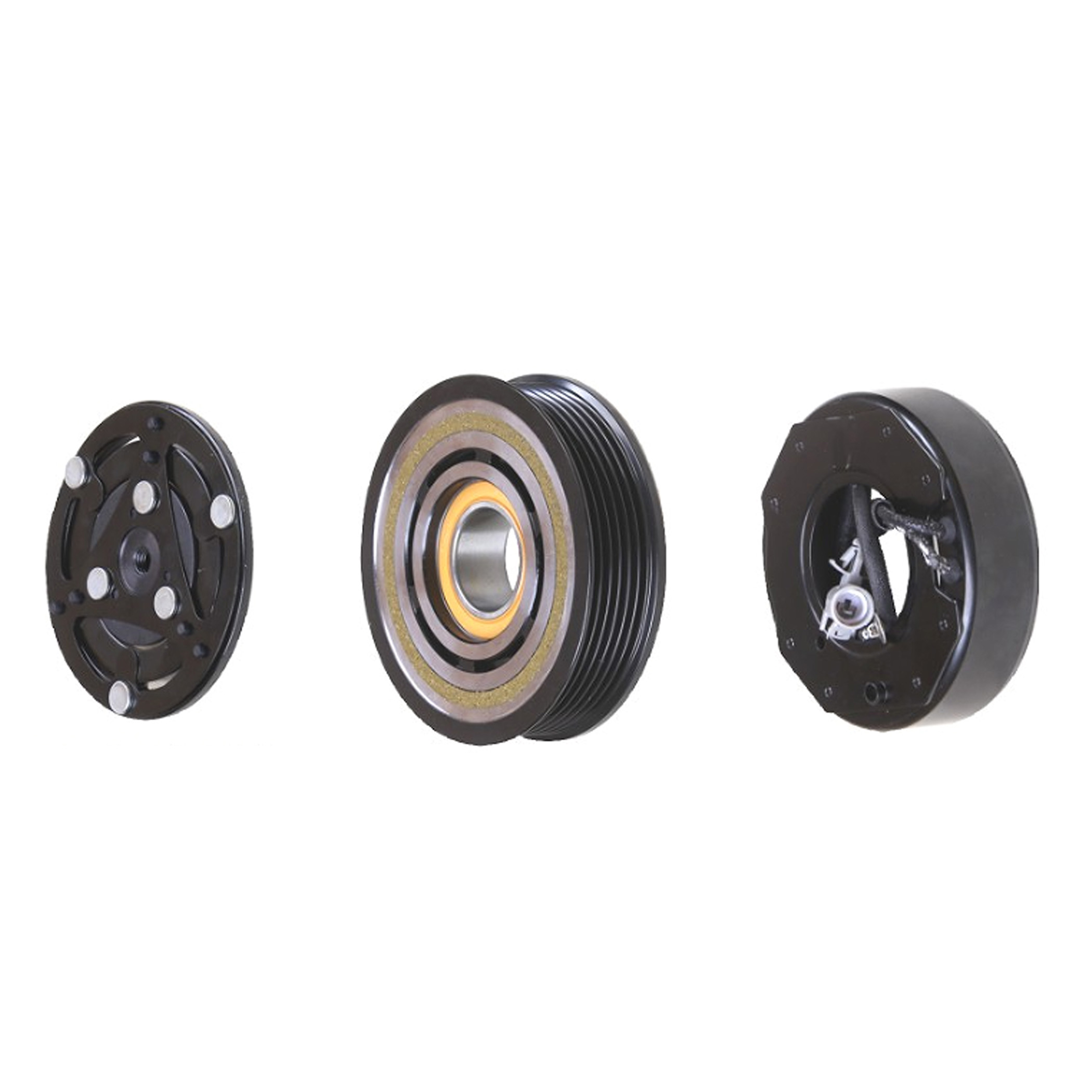
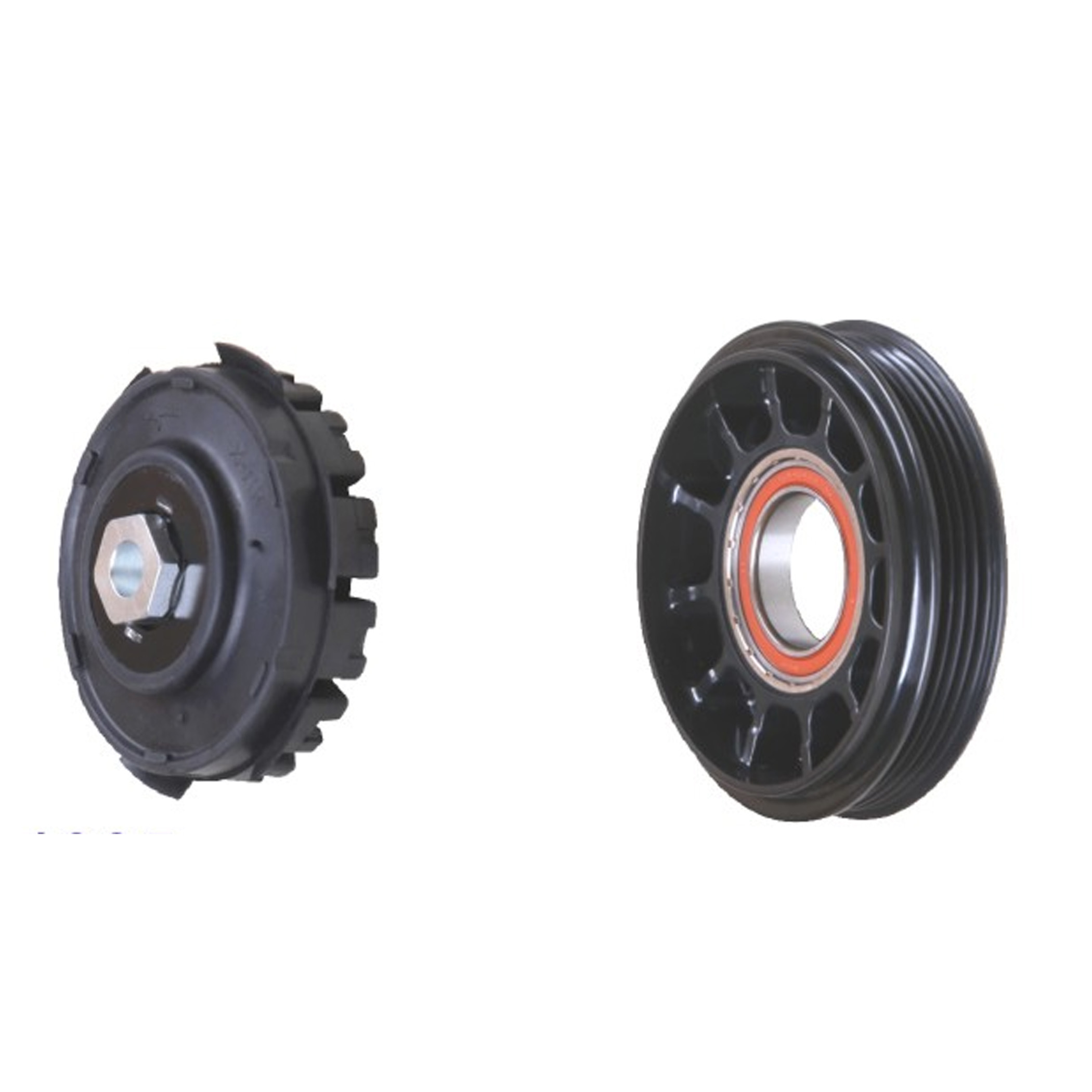
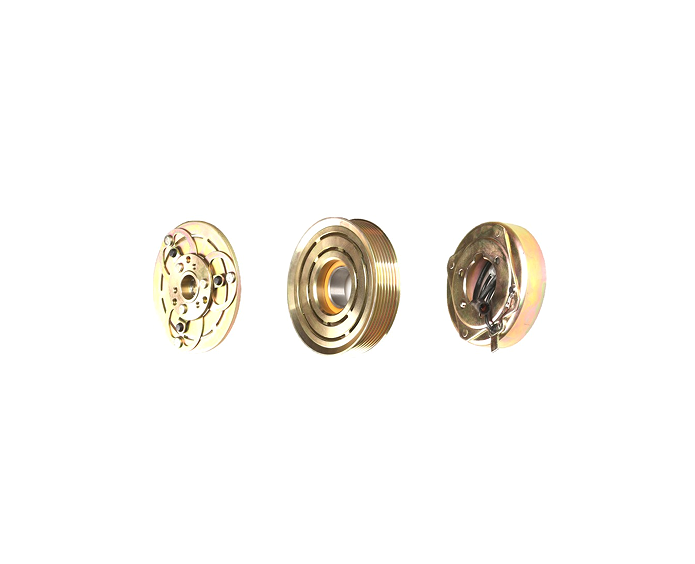
The main structural elements include:
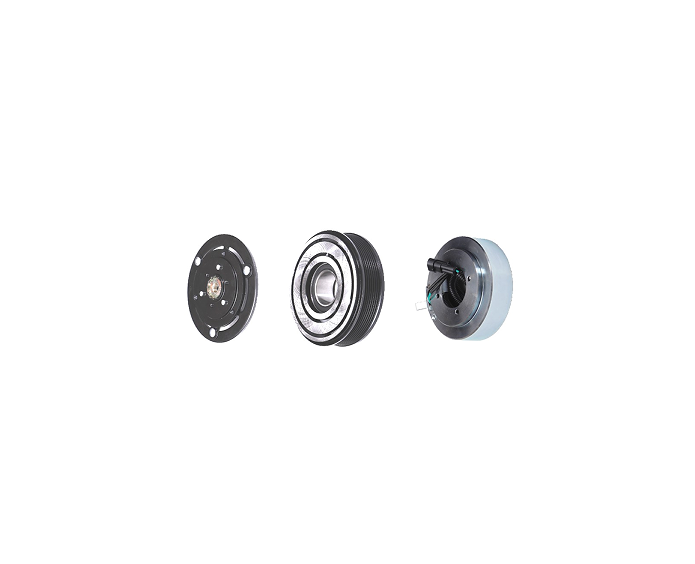
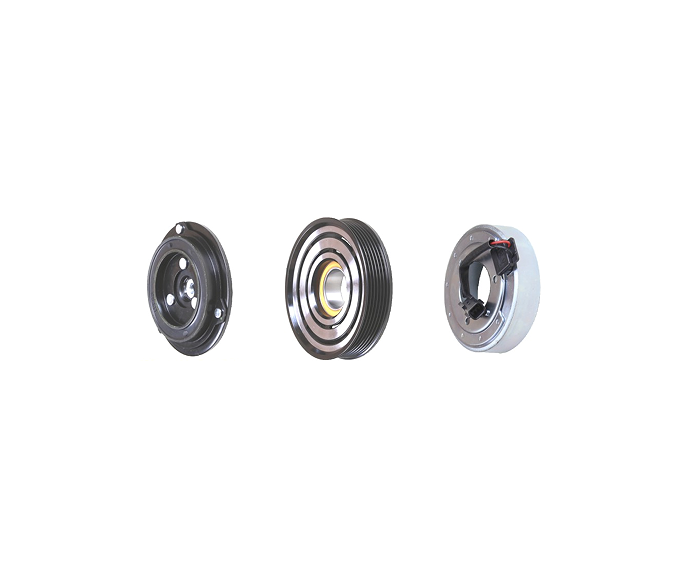
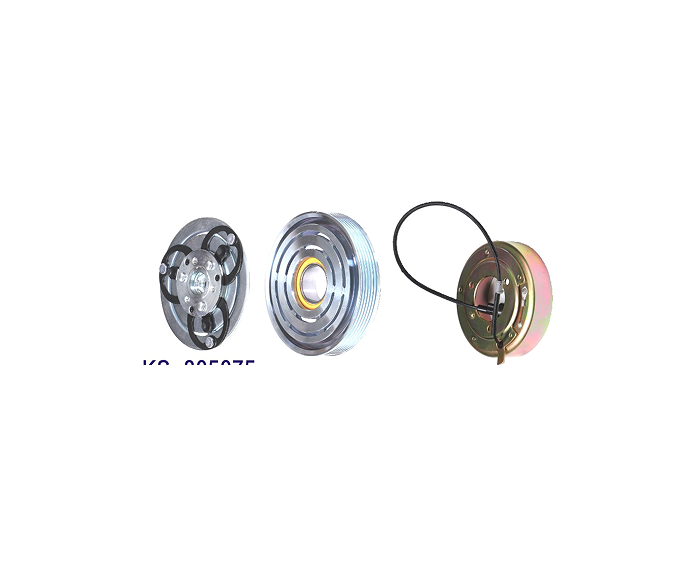
- Pulley (belt-driven component)
- Electromagnetic coil
- Armature plate
- Friction surface
- Bearing assembly
Working principle:
- When the AC system is activated, electric current energizes the coil.
- A magnetic field is generated.
- The armature plate is pulled toward the pulley.
- Friction surfaces engage and transmit torque to the compressor shaft.
When power is cut, the magnetic field collapses and the clutch disengages.
This controlled engagement mechanism allows the automotive air conditioner clutch to operate only when cooling demand exists, reducing unnecessary load.
Friction Materials: The Key to Stability and Durability
The friction interface is where torque transfer occurs. Material formulation directly influences:
- Heat resistance
- Wear rate
- Noise behavior
- Torque consistency
Traditional friction materials can suffer from thermal fade under continuous high-temperature exposure. Advanced materials now include:
- Copper-free environmentally compliant compounds
- High-temperature resin systems
- Ceramic-reinforced composites
Improved friction stability ensures that the automotive air conditioner clutch maintains consistent performance even during prolonged summer driving or heavy traffic conditions.
Material engineering defines durability boundaries.
Magnetic Efficiency and Engagement Precision
Magnetic circuit design plays a decisive role in clutch response.
Critical design factors include:
- Magnetic flux density
- Coil resistance accuracy
- Air gap tolerance
- Response time
An optimized magnetic system reduces slip during engagement and improves torque transmission efficiency.
High magnetic efficiency enhances the performance of the automotive air conditioner clutch, especially in vehicles with frequent start-stop cycles.
Precision engagement improves both comfort and energy efficiency.
Common Problems and Their Technical Causes
Understanding failure mechanisms helps improve design.
Typical issues include:
- Clutch slip due to worn friction surfaces
- Coil overheating leading to burnout
- Bearing failure from prolonged heat exposure
- Abnormal noise caused by uneven contact
If the clutch fails:
- The compressor cannot engage properly
- Cooling output drops
- Refrigerant pressure becomes unstable
Robust engineering design and quality-controlled manufacturing significantly reduce these risks.
Why Durability Matters for OEM and Aftermarket Applications
For vehicle manufacturers and global distributors, long-term reliability is critical.
Important performance indicators include:
- High-cycle endurance capability
- Thermal fatigue resistance
- Corrosion protection
- Dimensional stability
A reliable automotive air conditioner clutch reduces warranty claims and ensures consistent cooling performance across various climates.
Durability directly influences brand reputation and customer satisfaction.
Future Development Trends
As vehicles move toward electrification and intelligent control systems, clutch technology continues evolving.
Key trends include:
- Lightweight structural optimization
- Improved heat dissipation geometry
- Reduced electromagnetic energy consumption
- Enhanced material sustainability
The next-generation automotive air conditioner clutch will combine magnetic precision, thermal resilience, and environmentally responsible material engineering.
It is no longer a passive component—it is a performance-driven system element.
Conclusion: A Small Component with Major Impact
The automotive air conditioner clutch is essential to compressor control, cooling efficiency, and system reliability.
From electromagnetic activation to friction material stability, every structural detail affects performance.
For manufacturers, OEM integrators, and global buyers, selecting a technically advanced clutch system ensures:
- Stable cooling performance
- Reduced system failure
- Lower lifecycle cost
- Improved energy efficiency
To learn more about high-durability automotive air conditioner clutch assemblies and engineering capabilities, visit:
https://www.gzkasen.com/
For technical consultation or OEM development inquiries:
https://www.gzkasen.com/contact-us/