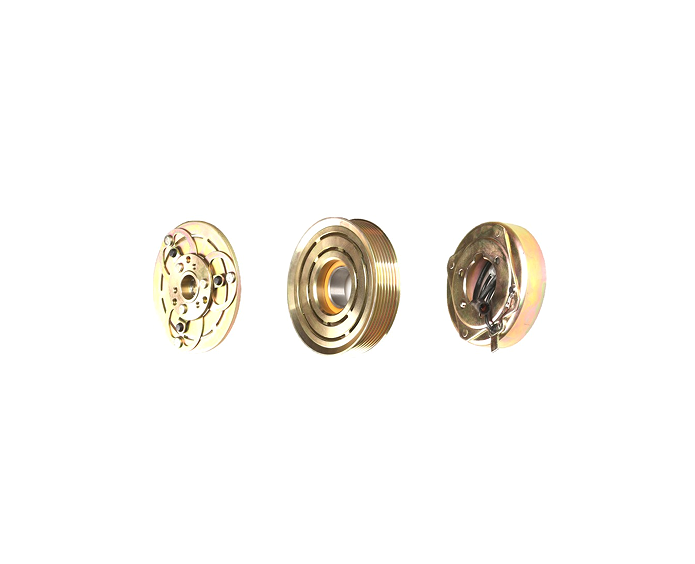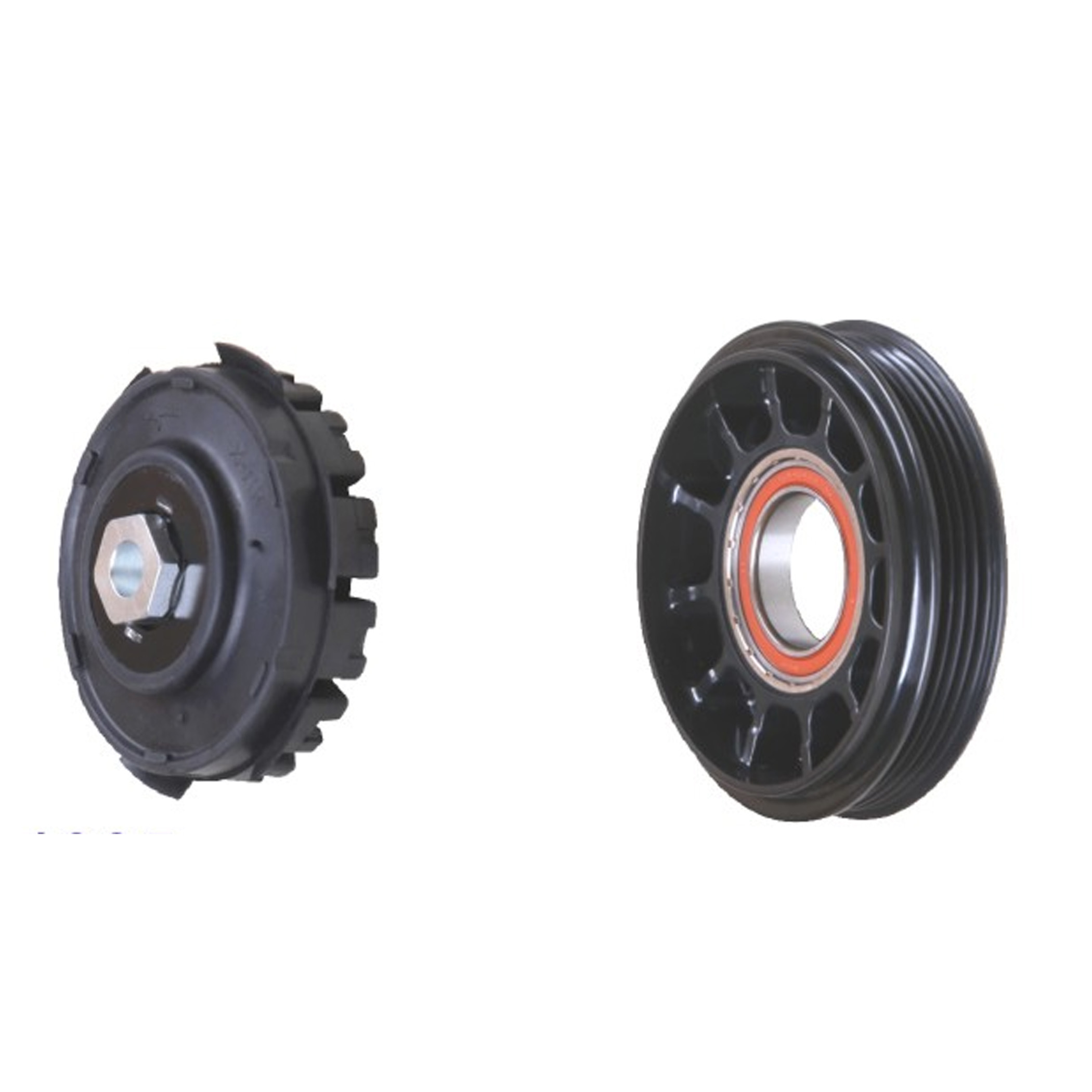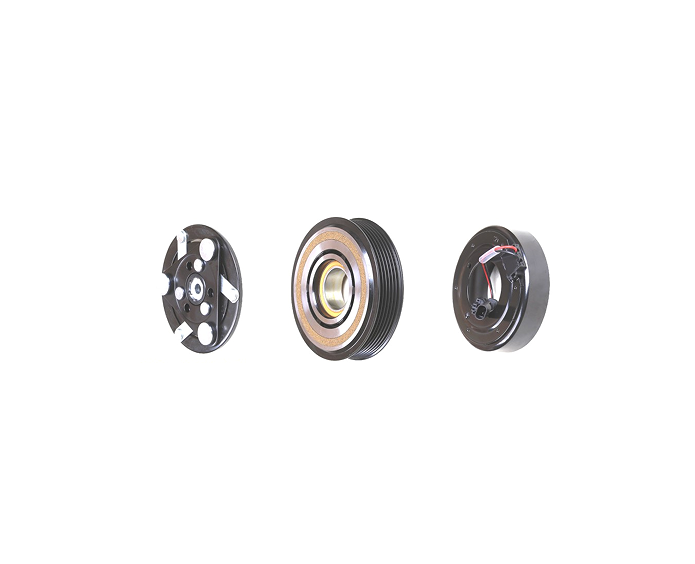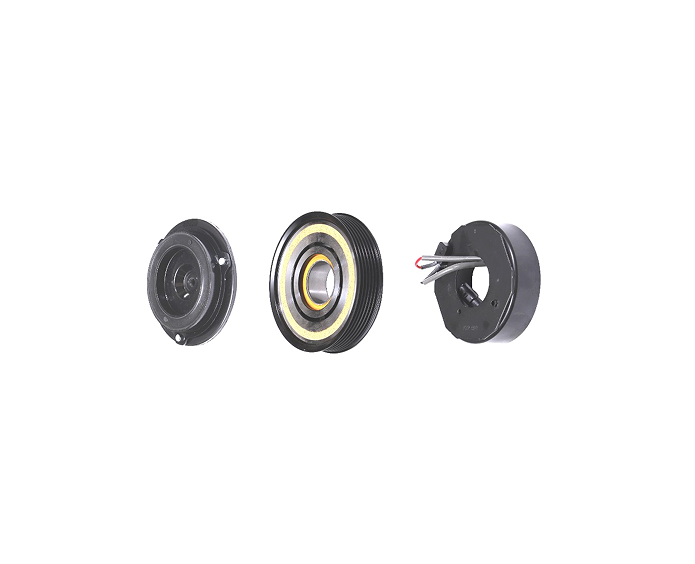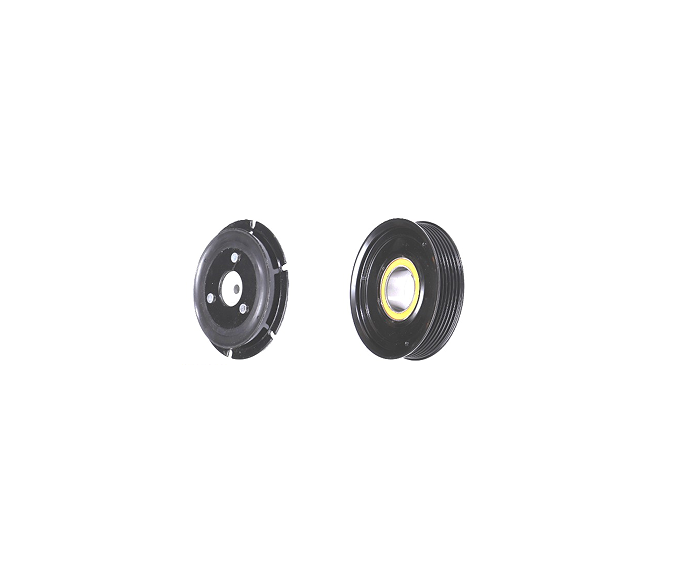

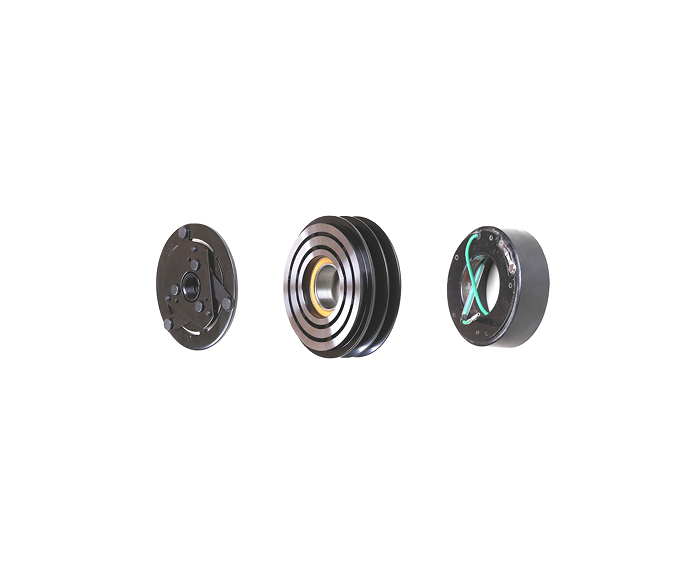
Global Competitive Landscape of Automotive Air Conditioner Clutch Manufacturers
A Diverse Industry with Layered Competitive Structures
The global market for automotive air conditioner clutch systems is defined by layered competition rather than a single dominant axis. Multiple forces shape competitive advantage—technology differentiation, regional footprint, supply chain resilience, OEM certification depth, aftermarket reach, and cost-positioning strategies.
Unlike commodity components, clutches intersect mechanical, electrical, and thermal engineering domains. This multiplies competitive vectors and raises barriers to entry.
Tiered Manufacturer Structure
The industry typically segments into three tiers:
Tier-1 OEM Suppliers
- Deep integration with automotive manufacturers
- Rigorous quality and traceability compliance
- Long-term contracts under IATF/ISO frameworks
Focused Component Specialists
- Narrow product portfolios centered on HVAC/drive components
- Flexible customization and shorter lead times
- Strong presence in aftermarket channels
Regional/Niche Producers
- Cost-sensitive production
- Local market penetration
- Lower certification overhead
Each tier contributes differently to global volume and strategic market presence.
Technology Leadership as a Competitive Edge
Integration complexity gives technologically advanced manufacturers an edge:
- Magnetic field optimization for rapid clutch engagement
- Thermal design for high heat endurance
- NVH control for hybrid and quiet cabin platforms
- Multi-platform compatibility spanning 12V/24V systems
Manufacturers that prioritize R&D outperform peers in both OEM and aftermarket channels.
An automotive air conditioner clutch with superior magnetic efficiency not only engages more reliably but also attracts preference from platform designers for hybrid and future-oriented HVAC modules.
OEM Certification and Compliance Depth
OEM certification acts as a moat. Successful suppliers demonstrate:
- Full traceability systems
- End-to-end testing infrastructure
- Environmental and cycle stress validation
- NVH and endurance data aligned with OEM benchmarks
Manufacturers with deep OEM footholds usually achieve higher recurring volume with stable long-term purchase orders.
Aftermarket-only producers often operate on spot demand, subject to seasonal swings.
Regional Competitive Clusters
Competition is not uniform globally. Two distinct clusters are observable:
Asia-Pacific Production Dominance
- High-volume manufacturing in China, Japan, South Korea
- Strong supply chain integration with regional OEMs
- Cost efficiency driven by scale
Western OEM Specialty Channels
- Europe & North America focus on high-specification engineering
- Emphasis on NVH, hybrid compatibility, premium applications
- Higher unit pricing but tighter quality requirements
Regional specialization influences market entry strategy and distributor alignment.
Aftermarket vs OEM Channel Dynamics
The global automotive air conditioner clutch market comprises both OEM-backed and independent aftermarket channels:
- OEM channels emphasize traceability and long-term contracts
- Aftermarket channels emphasize breadth, accessibility, and competitive pricing
Manufacturers often adopt hybrid channel strategies, balancing stability with market reach.
Price competitiveness in aftermarket does not always translate into OEM qualification. Conversely, OEM-certified lines command premium positioning.
Brand and Scale Advantages
Large suppliers enjoy multiple advantages:
- Higher negotiation leverage with raw material providers
- Greater automation and robotics deployment
- Ability to co-develop custom specifications with OEMs
- Risk buffer against demand volatility
Smaller producers compete by focusing on niche subsegments:
— regional OEM referrals
— rapid prototyping for specific fleets
— private label distribution
These strategic choices reduce direct confrontation with scale players and preserve margin.
Market Consolidation and M&A Trends
Industry signals suggest consolidation momentum:
- Strategic acquisitions to fill product portfolio gaps
- Joint ventures for regional distribution alignment
- M&A to access new certification pipelines
- Cross-border partnerships to stabilize logistics risk
Consolidation often enhances bargaining power, improves inventory planning, and expands global footprint.
Service Differentiation and Value-Added Solutions
Beyond product, service capabilities differentiate:
- Technical documentation for installers
- Predictive diagnostics support
- Warranty management infrastructure
- Localized technical training
Manufacturers investing in post-sales support find greater distributor loyalty and recurring business.
The automotive air conditioner clutch category benefits from service-enhanced channels.
Disruptive Forces and Future Competitive Catalysts
Several structural trends are reshaping the competitive landscape:
- Hybrid and transitional platform demand diversification
- Material science innovation for heat & NVH management
- Digital traceability for aftermarket transparency
- Integration with smart HVAC control systems
Manufacturers who adapt early to these forces will capture emerging growth nodes.
Strategic Positioning for Long-Term Supply Success
For distributors and OEM partners, competitive evaluation should include:
- Certification depth and test infrastructure
- Regional supply resilience
- Product portfolio breadth
- Aftermarket support capabilities
- Innovation roadmap alignment
Choosing a supplier of automotive air conditioner clutch components becomes less about lowest unit cost and more about structural continuity of supply, quality predictability, and platform evolution readiness.
Engage with a Globally Aligned Partner
The competitive landscape rewards strategic alignment. Manufacturers who balance OEM integration with aftermarket reach, innovate rapidly, and structure resilient supply lines define future market leadership.
To explore partnership opportunities or detailed capability profiles, visit our homepage at
👉 https://www.gzkasen.com/
For distribution cooperation and technical roadmap discussions, connect directly at
👉 https://www.gzkasen.com/contact-us
Competitive advantage begins with structural insight.