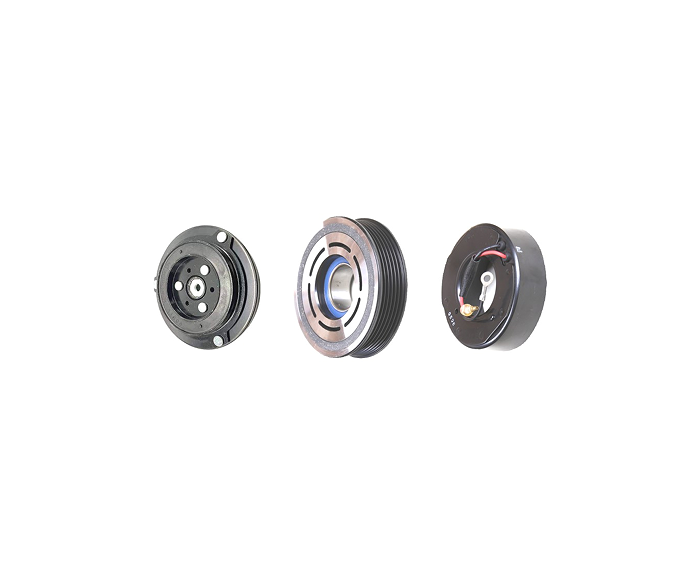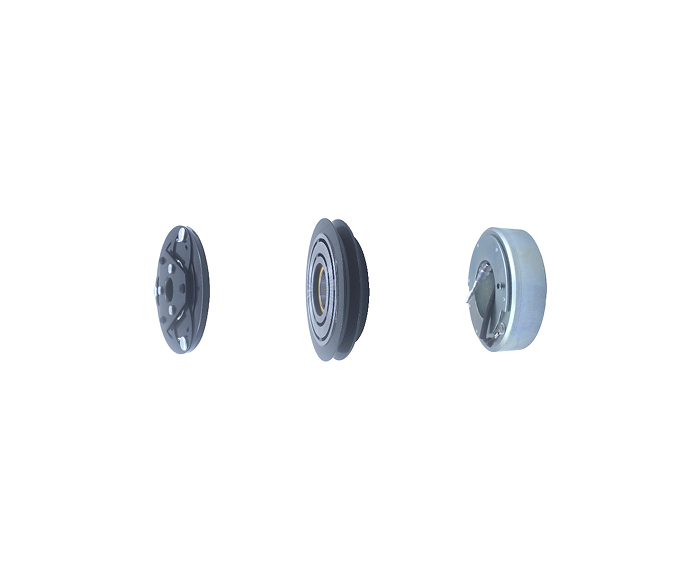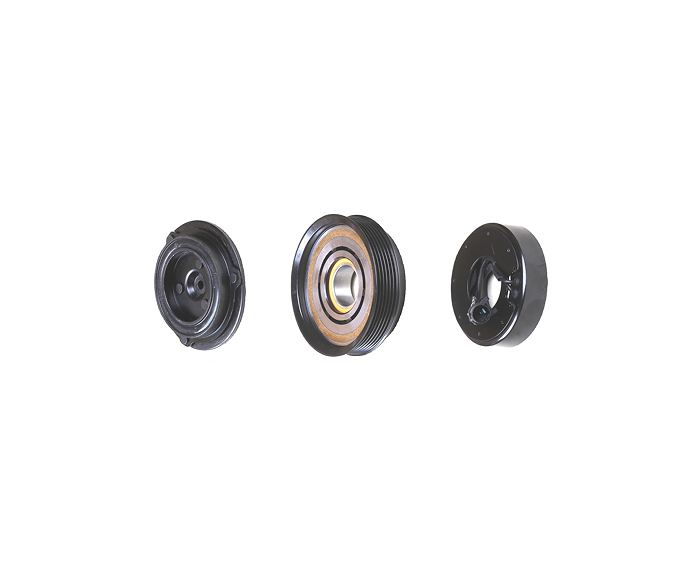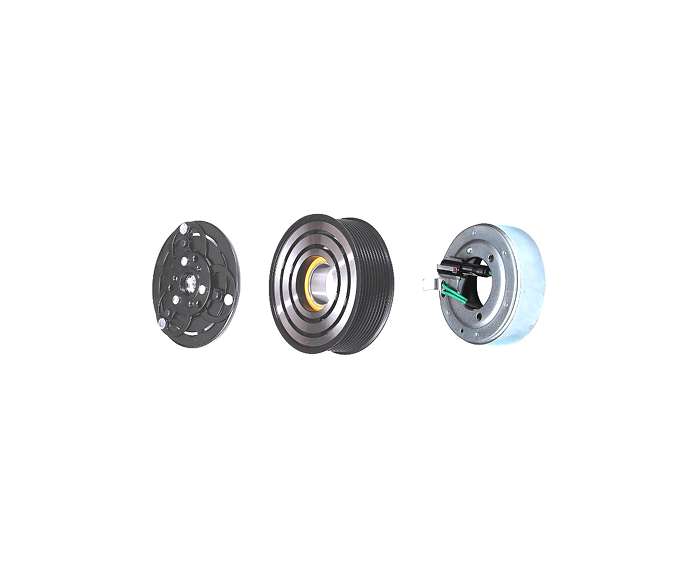

The evolution of vehicle air conditioning systems has introduced two fundamentally different compressor technologies: electric compressors and traditional belt-driven compressors.
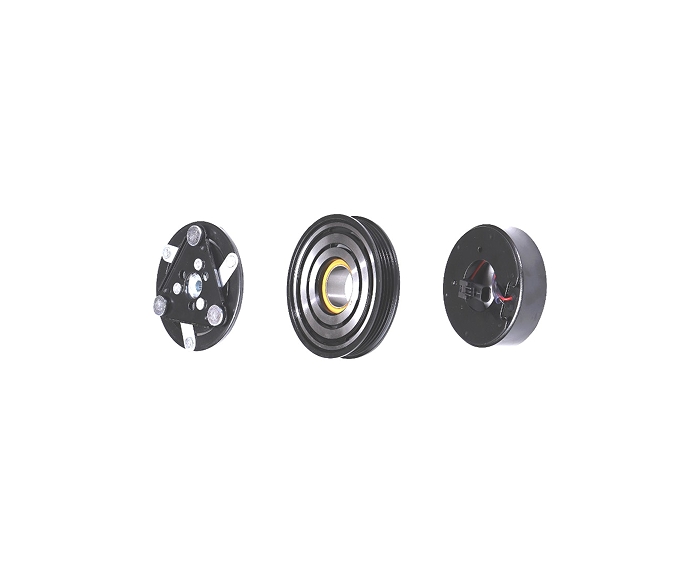
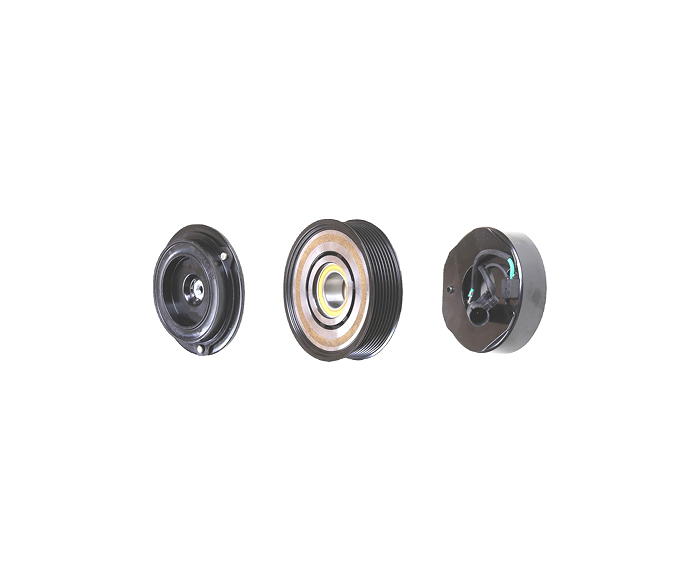
The major distinction lies in how power is transmitted. Traditional systems depend on engine belts and a mechanically controlled automotive air conditioner clutch to engage and disengage the compressor. Electric compressors, on the other hand, use an independent electric motor and eliminate the need for mechanical clutch engagement.
This structural difference directly impacts efficiency, fuel consumption, control precision, and maintenance requirements.
Understanding these differences is essential for OEM engineers, distributors, and aftermarket suppliers.
Traditional Belt-Driven Compressors
Traditional compressors remain widely used in internal combustion engine vehicles.
Operating principle:
- Engine drives the belt
- Belt rotates the pulley
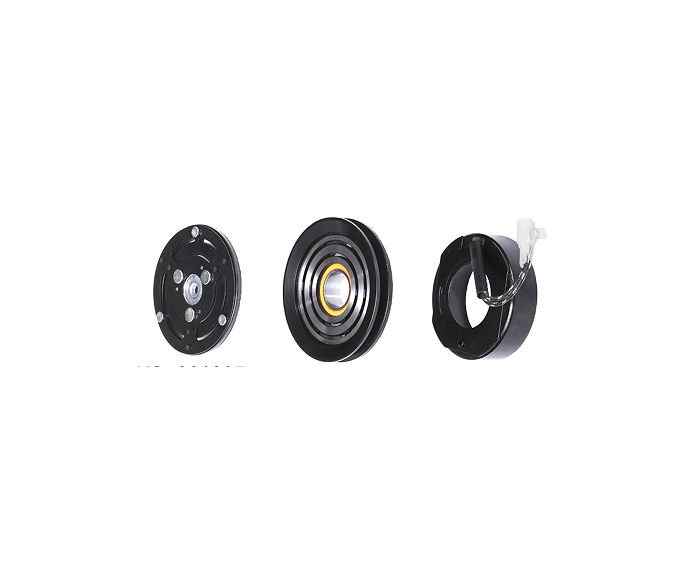
- The automotive air conditioner clutch activates via electromagnetic force
- Compressor shaft engages and begins refrigerant compression
Advantages include:
- Mature and proven technology
- Lower manufacturing cost
- Easier serviceability
- Broad compatibility with existing vehicle platforms
However, because the compressor relies on engine speed, cooling performance fluctuates with RPM. The automotive air conditioner clutch cycles on and off depending on cooling demand, which can introduce mechanical wear over time.
These systems are still dominant in commercial vehicles and many gasoline-powered passenger cars.
Electric Compressors
Electric compressors operate independently of engine belts.
Key characteristics:
- Integrated electric motor
- Variable-speed control
- No mechanical clutch
- Stable output regardless of engine RPM
Because there is no belt connection, there is no need for an automotive air conditioner clutch in electric systems.
Electric compressors offer:
- Continuous cooling at idle
- Higher efficiency in hybrid platforms
- Precise temperature regulation
- Reduced mechanical vibration
These advantages make them ideal for:
- Hybrid vehicles
- Fully electric vehicles
- High-efficiency passenger cars
However, electric systems require complex power electronics and higher production costs.
Efficiency Comparison
From an engineering standpoint, efficiency depends on energy conversion control.
Traditional systems:
- Compressor speed tied to engine RPM
- Engagement controlled by automotive air conditioner clutch
- Repeated cycling can increase wear
Electric systems:
- Variable-speed operation
- No clutch cycling losses
- Reduced parasitic load
Electric compressors typically provide smoother thermal management and improved fuel economy in hybrid configurations.
However, in conventional combustion vehicles, a high-quality automotive air conditioner clutch significantly improves the efficiency and reliability of traditional systems.
Durability and Maintenance Factors
Durability depends on structural complexity and operational stress.
Traditional systems face:
- Friction wear on clutch plates
- Coil overheating risks
- Bearing fatigue
- Engagement shock stress
The automotive air conditioner clutch becomes a critical durability point in belt-driven systems. Proper material selection and magnetic efficiency determine long-term reliability.
Electric compressors eliminate clutch wear but introduce:
- Motor thermal stress
- High-voltage component aging
- Electronic control module failure risks
Each system shifts the durability challenge to different components.
Cost and Application Considerations
For vehicle manufacturers and global suppliers, cost-performance balance matters.
Traditional compressor systems offer:
- Lower initial cost
- Simplified replacement market
- Strong compatibility in developing markets
Electric compressors offer:
- Better integration with electrified powertrains
- Reduced emissions impact
- Enhanced energy management
Market selection often depends on vehicle category:
| Vehicle Type | Preferred System |
|---|---|
| Commercial Truck | Traditional |
| Economy Sedan | Traditional |
| Hybrid Vehicle | Electric |
| EV Platform | Electric |
In markets where internal combustion engines remain dominant, the reliability of the automotive air conditioner clutch continues to play a decisive role.
Which One Wins?
There is no universal winner.
Electric compressors lead in:
- Energy efficiency
- Idle cooling stability
- Electrified vehicle integration
Traditional compressors remain competitive in:
- Cost efficiency
- Mechanical simplicity
- Aftermarket availability
For conventional vehicles, a well-engineered automotive air conditioner clutch ensures stable torque transfer, controlled engagement, and long-term operational durability.
The “winner” depends on application context rather than technology alone.
Conclusion: Technology Direction vs Market Reality
Electric compressors represent the future of electrified mobility. Traditional belt-driven compressors remain highly relevant in current global vehicle fleets.
The automotive air conditioner clutch continues to be a crucial control element in millions of vehicles worldwide, ensuring stable engagement and energy transmission.
For manufacturers and OEM partners, strategic product development must consider:
- Vehicle platform type
- Target market regulations
- Energy efficiency requirements
- Lifecycle cost expectations
To explore advanced clutch assemblies and compressor component solutions, visit:
https://www.gzkasen.com/
For OEM collaboration and technical consultation:
https://www.gzkasen.com/contact-us/