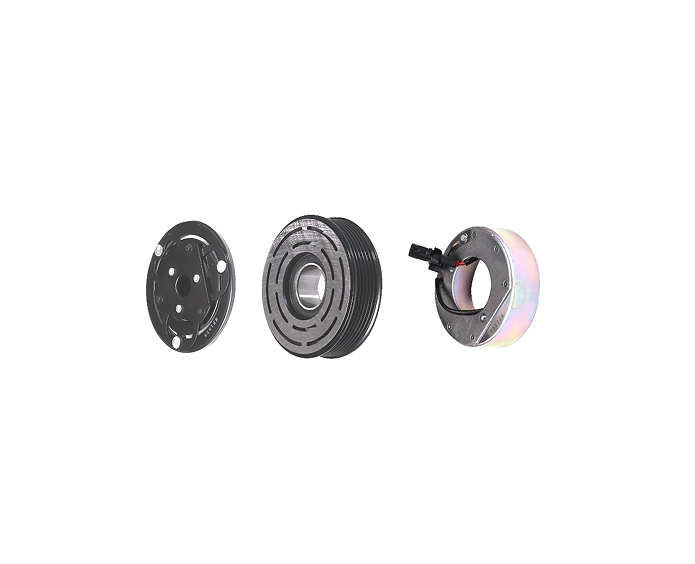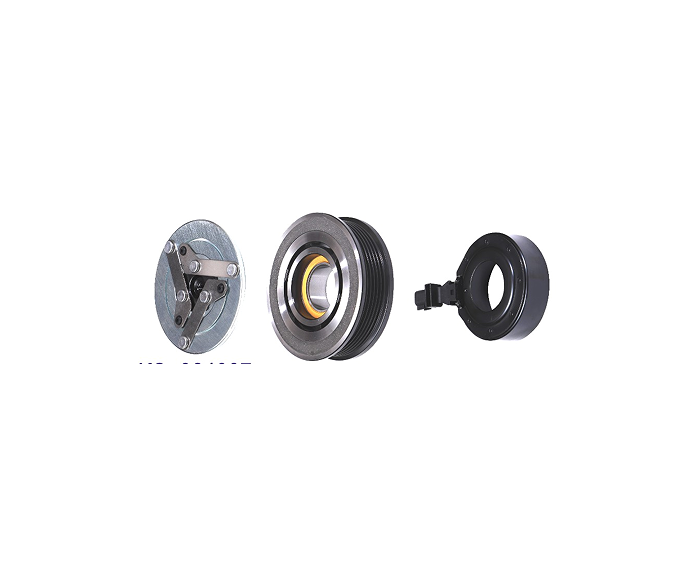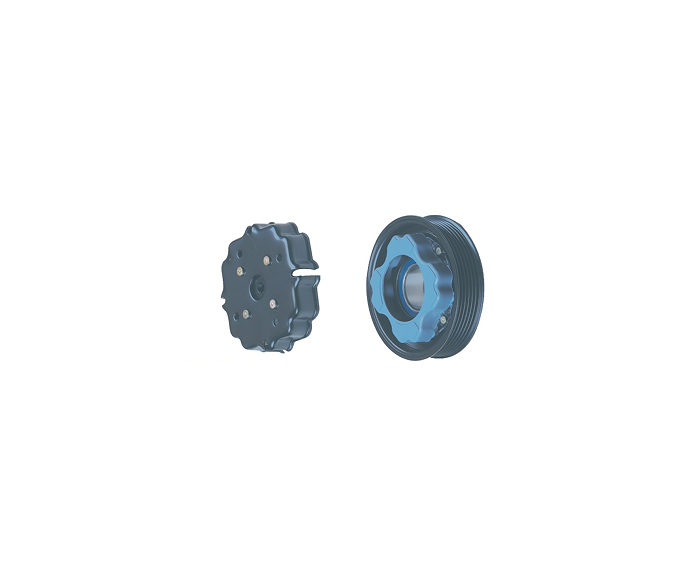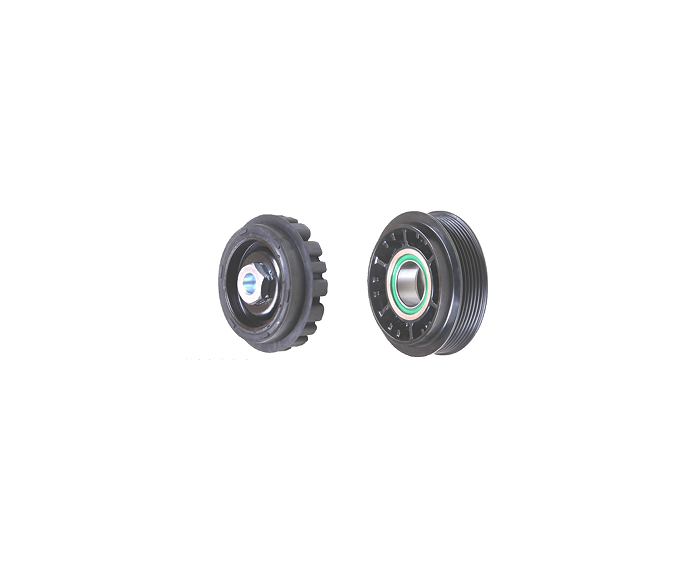

Why Commercial Vehicle AC Systems Are Different
Commercial vehicles operate under more extreme conditions than passenger cars:
- Extended engine operating hours
- High ambient temperatures
- Continuous AC demand for driver comfort
- Heavy-duty accessory loads
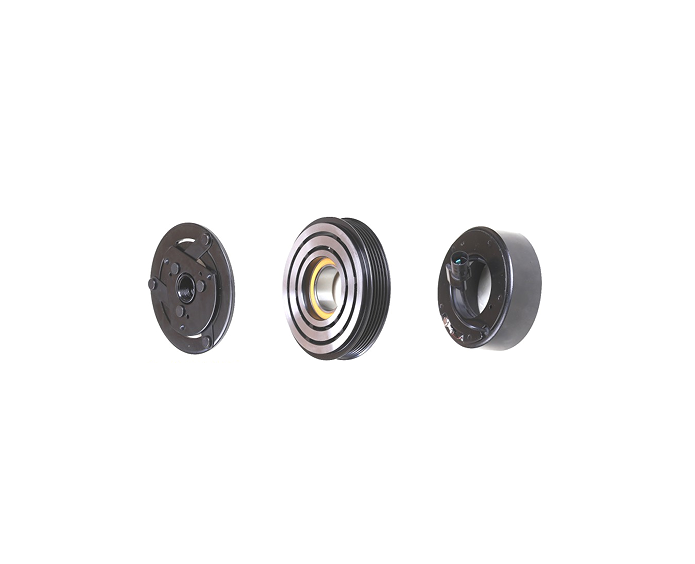
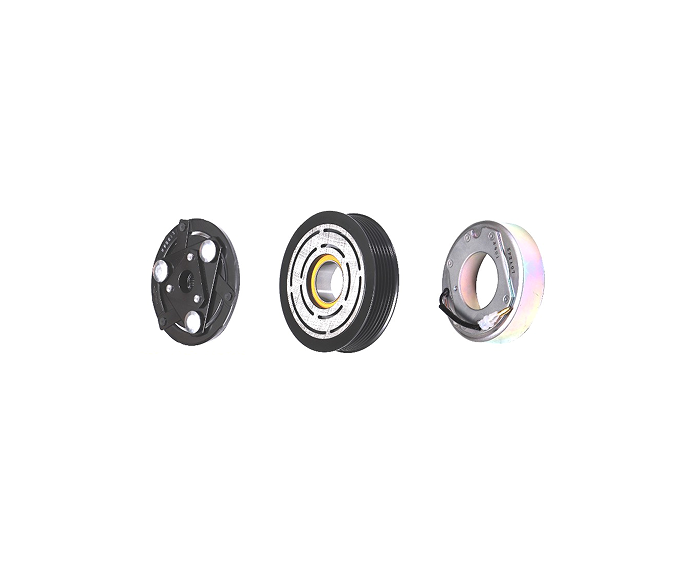
The automotive air conditioner clutch must withstand prolonged torque engagement, high thermal stress, and vibration. Standard passenger vehicle clutches often fail prematurely under these conditions.
Key Special Requirements
1. Enhanced Thermal Resistance
- Operation up to 150–160°C ambient temperatures
- Coil insulation class F or H
- Friction materials optimized for prolonged high-temperature contact
Thermal degradation is a leading cause of commercial AC clutch failure. ISO 6722 insulation standards guide material selection.
2. Extended Lifecycle and Durability
Fleet vehicles demand longer clutch service life:
- ≥80,000–120,000 km expected operational life
- Minimum 50,000 engagement cycle validation
- Bearing material selection to handle radial and axial loads
Durability testing is conducted according to SAE standards for electromagnetic clutch performance under continuous duty cycles.
3. Heavy-Duty Pulley and Bearing Assembly
Commercial use requires:
- Hardened high-carbon steel bearings (SAE 52100 equivalent)
- Double-row sealed bearings for dust and vibration resistance
- Pulley balancing to reduce NVH
Bearing wear or pulley misalignment can compromise engagement efficiency of the automotive air conditioner clutch.
4. Consistent Torque Transfer
Engagement stability is critical for heavy-duty operation:
- Even under fluctuating engine RPM
- During frequent load variations
- Across high-temperature cycles
The automotive air conditioner clutch must deliver repeatable torque without slippage to prevent system overheating and energy waste.
5. Corrosion Resistance
Exposure to moisture, salt, and chemicals is common in commercial operations:
- Zinc or phosphate coatings for corrosion protection
- Sealed coil housing
- Grease formulations for high-temperature endurance
Long-term corrosion resistance ensures operational reliability in demanding environments.
Maintenance Considerations for Commercial Fleets
Proactive monitoring and maintenance extend clutch life:
- Regular inspection of pulley and bearing alignment
- Monitoring AC engagement response and coil voltage
- Early replacement of worn friction plates
- Correct belt tension to prevent excess load
Maintenance reduces downtime and prevents premature failure of both the clutch and the compressor.
OEM and Aftermarket Considerations
Commercial fleet operators must weigh:
| Factor | OEM AC Clutch | Aftermarket AC Clutch |
|---|---|---|
| Durability | Verified for specific vehicle platform | Varies by supplier |
| Thermal Resistance | High-grade material and coil insulation | Often lower thermal rating |
| Warranty Risk | Low | Supplier-dependent |
| Replacement Cost | Moderate | Lower upfront but potentially higher lifecycle cost |
| Lifecycle Stability | High | Variable |
High-quality automotive air conditioner clutch selection reduces unplanned service events and protects vehicle uptime.
Frequently Asked Questions
Q1: How is a commercial AC clutch different from a passenger vehicle clutch?
It is engineered for higher thermal load, extended engagement cycles, and vibration tolerance.
Q2: Can aftermarket commercial clutches meet these requirements?
Some premium aftermarket suppliers meet OEM standards, but verification of testing and material specifications is essential.
Q3: How often should a commercial AC clutch be inspected?
Every 50,000 km or during scheduled maintenance, including bearing and pulley checks.
Conclusion: Durability Is Non-Negotiable
Commercial vehicles place extreme demands on the automotive air conditioner clutch.
Ensuring:
- Thermal resistance
- Torque stability
- Bearing precision
- Corrosion protection
reduces downtime, prolongs component life, and improves overall fleet efficiency.
For OEM manufacturers and fleet operators seeking high-performance commercial AC clutch assemblies, explore:
https://www.gzkasen.com/
For technical consultation or quotation requests:
https://www.gzkasen.com/contact-us/